

 Предпросмотр
 Поделиться
 Поделиться
 Детали произведения

 Скачать
 Похожие работы
 Рентгенография
 Слайд-шоу
 Статистика
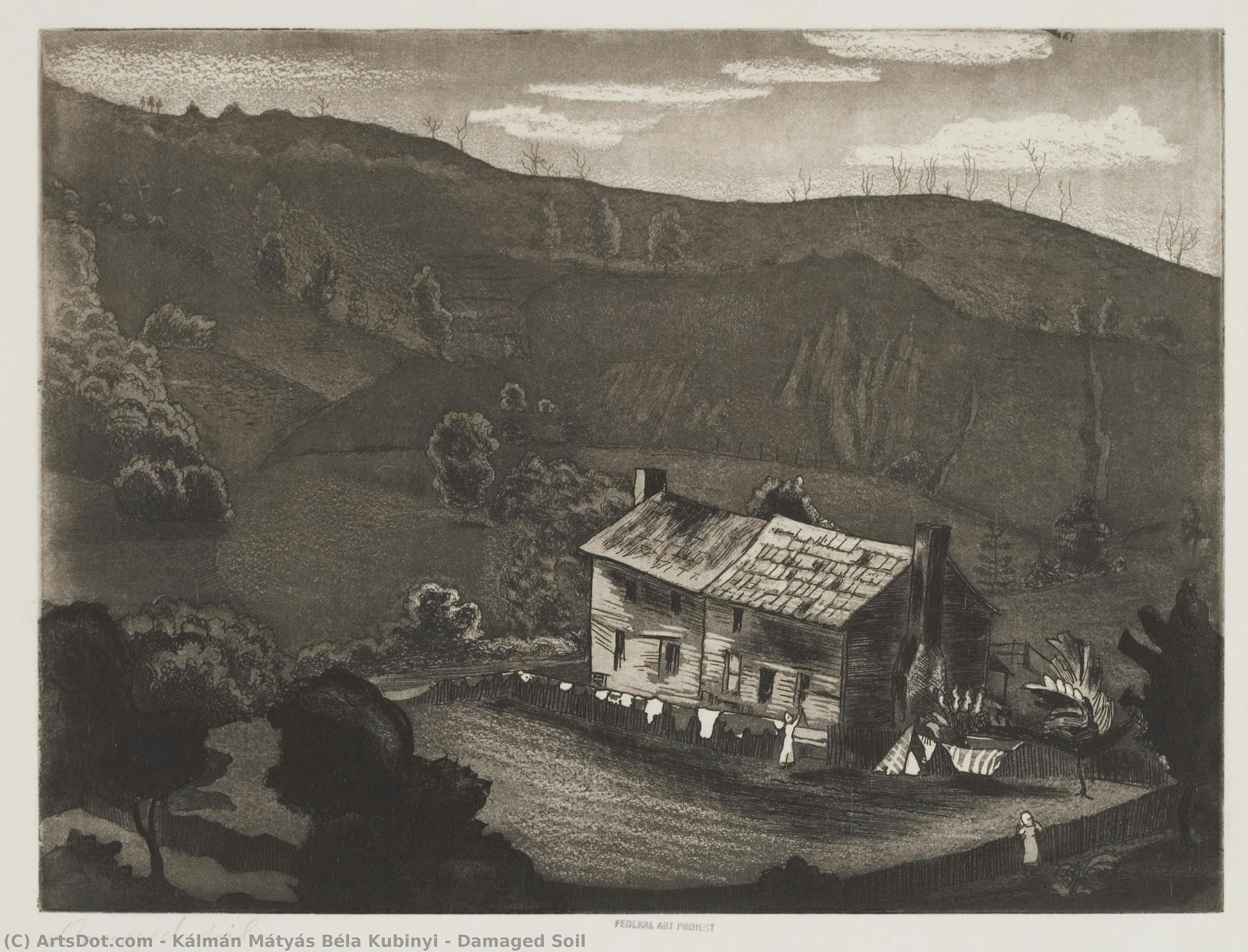
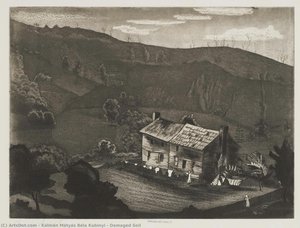
Damaged Soil


 Читать далее
Жикле / Арт-принт
Печать (жикле) или холст музейного качества с быстрыми сроками изготовления и широким выбором вариантов отделки. ( Купить картину ручной работы Перейти к цифровым изображениям)




































Выберите один из наших стандартных размеров, соответствующих оригинальным пропорциям произведения искусства.

Вы можете указать свои собственные размеры, чтобы репродукция идеально подошла под конкретную раму или пространство. Если выбранный вами размер не будет соответствовать пропорциям оригинала, мы либо обрежем произведение, либо дополним изображение зеркальным отражением краев или однотонной заливкой. Перед началом производства вам будет отправлен цифровой макет для утверждения.
Пожалуйста, обратите внимание, что предварительный просмотр на экране не отображает фактическую обрезку или расширение изображения. Только макет точно покажет финальную композицию.
Несмотря на возможность заказа индивидуальных размеров, мы рекомендуем выбирать размер из предопределенного списка, чтобы сохранить оригинальные пропорции.
Доставка по всему миру () за 2 недели вместо стандартных 4/5 недель. (11 Сентябрь)

Бесплатная экспресс-доставка по всему миру

Высококачественный льняной холст

Полное страхование доставки

Гарантия возмещения таможенных пошлин

Гарантия точного соответствия цветов

100-дневная политика возврата (только при обнаружении дефектов)

Гарантия возврата 100% средств

Предложение оптовых скидок
 Вариант со стеклом доступен только для размеров менее 110 см

Damaged Soil
Жикле / Арт-принт
Размер репродукции
-


Итоговая стоимость
$ 62
Похожие произведения







Биография художника
The Architect of Cleveland Modernism
In the heart of the American industrial landscape, where the grit of the Great Lakes meets the steel-clad ambition of the twentieth century, the work of Kálmán Mátyás Béla Kubinyi emerged as a profound visual chronicle. Born in Cleveland in 1906 to Hungarian immigrants, Kubinyi was a child of the very industrial pulse he would later immortalize. His early life was steeped in an artistic lineage; inspired by the arrival of paintings and prints from his uncle, Alexander von Kubinyi, in Munich, the young artist found himself drawn toward the transformative power of line and texture. This early exposure to European sensibilities, combined with a rigorous education at the Cleveland School of Art, allowed him to bridge the gap between American industrial reality and the avant-garde movements of the Old World.
Kubinyi’s artistic evolution was never a solitary journey but rather a dialogue with the shifting tides of modernism. As he matured, his work began to absorb the radical energies of Cubism and Futurism, movements that sought to capture the fragmented, high-speed essence of the machine age. Yet, unlike those who sought only abstraction, Kubiny and his contemporaries in the Cleveland School found a deeper resonance in the tangible. He became a master of the "Ash Can" aesthetic, a style that turned its gaze toward the unvarnished truths of urban existence. Through his etchings and engravings, the heavy machinery of the Cuyahoga River, the mist-shrouded silhouettes of the Terminal Tower, and the weary dignity of the working class were rendered with a striking, tactile realism that bordered on the poetic.
A Legacy Forged in Steel and Ink
The 1930s marked the zenith of Kubinyi’s influence, a decade where his role as both creator and leader became indispensable to the American art scene. During the Great Depression, when the nation sought meaning amidst economic upheaval, Kubinyi stepped into the vanguard of the Works Progress Administration (WPA). His leadership within the Cleveland WPA Arts Project was more than an administrative feat; it was a mission to document the resilience of the human spirit. Under his guidance, the graphic arts division became a vital organ of cultural preservation, producing works that captured the triumphs and tribulations of an era in flux.
His technical prowess as an etcher and enamelist allowed him to explore a vast spectrum of visual textures, from the sharp, biting lines of social realism to the luminous, smooth surfaces of enamel. This versatility earned him international acclaim, with his works gracing prestigious stages such as the Venice Biennale in 1937 and the New York World's Fair in 1939. Beyond his individual canvases and plates, Kubinyi was a pioneer of community engagement. He founded the Cleveland Print Makers in 1930, establishing the revolutionary "Print-a-Month" series. This initiative democratized art ownership, allowing subscribers to receive monthly masterpieces, thereby fostering a deep, sustained connection between the public and the burgeoning modernist movement.
As a teacher at the Cleveland Institute of Art and the Cleveland Museum of Art, Kubinyi ensured that his commitment to experimentation and social commentary would endure in future generations. His life, which concluded in 1973, remains a testament to the power of art to act as both a mirror to society and a catalyst for change. Through his eyes, we do not merely see the industrial decay or the mechanical roar of Cleveland; we see the soul of an era captured in the indelible permanence of ink and metal.
kálmán mátyás béla kubinyi
1906 - 1973 , United States of America
Основные сведения
- Artistic Movement Or Style: Modernism; Social Realism
- Date Of Birth: 1906
- Full Name: Kálmán Kubinyi
- Nationality: American
- Notable Artworks:
- Damaged Soil
- Winter Quarters
- Port of Cleveland
- Place Of Birth: Cleveland, United States