

 Предпросмотр
 Поделиться
 Поделиться
 Детали произведения

 Скачать
 Похожие работы
 Рентгенография
 Слайд-шоу
 Статистика
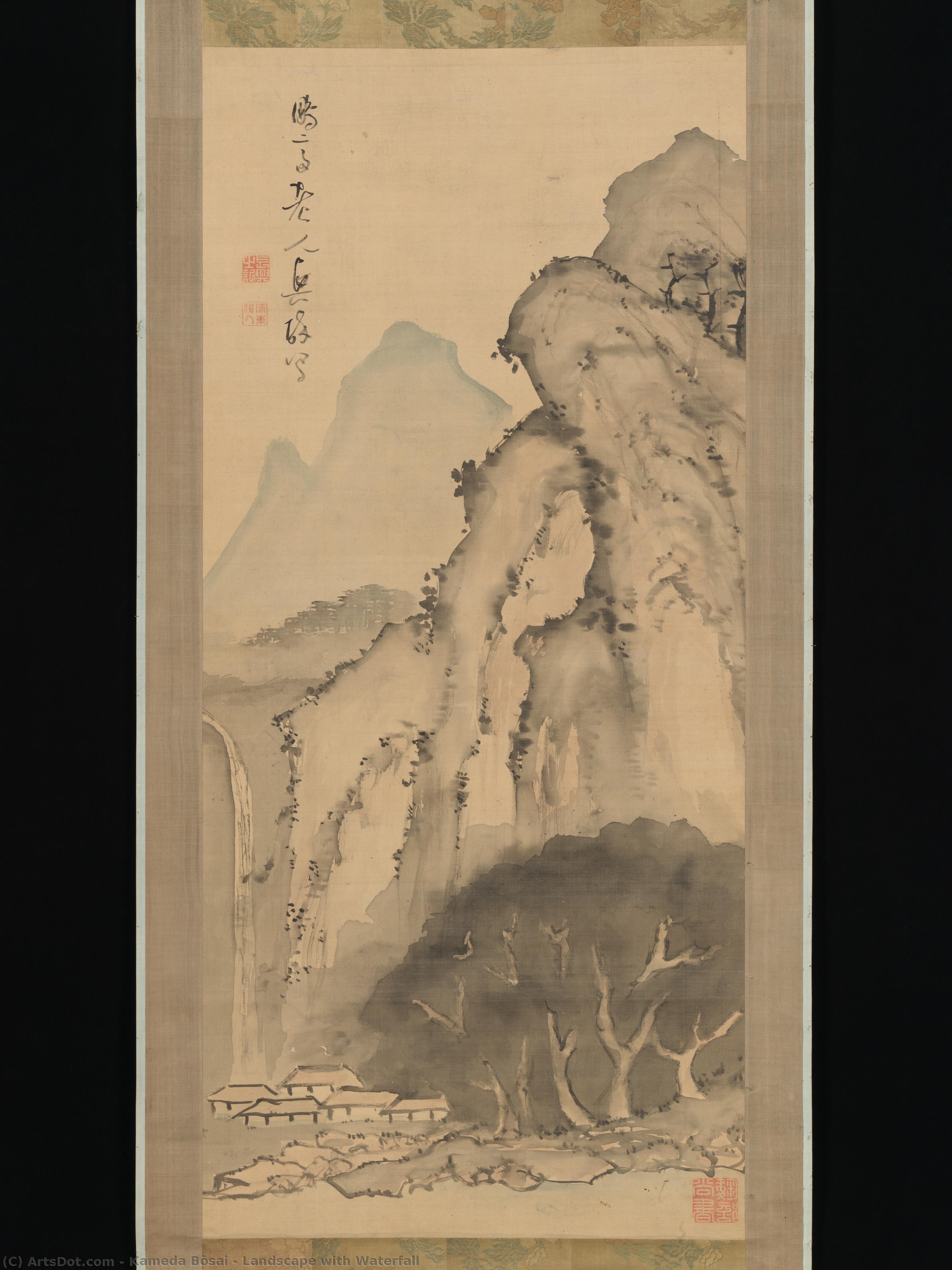
Untitled (D2X8ES)
 1817
1817 106.0 x 49.0 cm
 Читать далее
Приобретите цифровое изображение высокого разрешения в улучшенном качестве, которое значительно превосходит онлайн-превью.
Каждый файл тщательно подготавливается нашими специалистами с использованием передовых инструментов и экспертной ручной ретуши. Мы гарантируем исключительную четкость, точную цветопередачу и детальную проработку каждого изображения.
Финальный файл доставляется по электронной почте в течение 72 часов и оптимизирован для немедленного использования в профессиональной среде, при верстке и печати. Это тот же уровень качества, которому доверяют ведущие дизайнерские студии, издательства и галереи.
Цифровое изображение
Скачайте файл высокого разрешения для личного использования, печати и творческих проектов. ( Перейти к печати Купить картину ручной работы)
Включено в каждый заказ цифровых изображений
Гарантия экспертной цифровой доставки
Выбирая ArtsDot.com, вы получаете не просто изображение — вы приобретаете профессионально обработанное цифровое произведение искусства, созданное с безупречной точностью и под защитой гарантии качества. Вот всё, что автоматически входит в ваш заказ:

Мгновенная доставка по e-mail
Ваш цифровой файл в высоком разрешении будет отправлен вам по электронной почте в течение 72 часов после оформления заказа — и сразу станет доступен для использования.

Цифровой файл с ИИ-улучшением
Ваше произведение искусства проходит профессиональную оптимизацию с использованием передовых инструментов ИИ и ручной обработки, что гарантирует максимальную детализацию, четкость и точность цветопередачи.

Бессрочная бесплатная повторная доставка
Случайно удалили или потеряли файл? Не беспокойтесь — мы отправим его вам повторно в любое время и совершенно бесплатно.

Без импортных пошлин — навсегда
Наслаждайтесь вашим произведением искусства мгновенно без таможенных пошлин, сборов или затрат на доставку — цифровые загрузки всегда не облагаются налогом.

Гарантия точности цветопередачи
Мы гарантируем, что ваше цифровое изображение максимально точно передает оригинальные цвета благодаря использованию профессиональных инструментов и систем управления цветом.

Гарантия удовлетворенности 100 дней
Если вы не будете удовлетворены своим цифровым изображением, мы внесем правки или вернем 100% стоимости в течение 100 дней — без лишних вопросов.

100% Гарантия возврата средств
Не удовлетворены покупкой? Получите полный возврат средств в течение 100 дней после получения цифрового файла — без лишних вопросов.

Скидки на оптовые заказы
Купите 3 изображения, сэкономьте 10% — Купите 5, сэкономьте 15% — Купите 10+, сэкономьте 20%. Отличное решение для творческих проектов, галерей и агентств.
Похожие произведения










Биография художника
A Scholar’s Brush: The Life and Art of Kameda Bōsai
Kameda Bōsai, born in Edo (modern-day Tokyo) in 1752, was a figure whose life embodied the fascinating intersection of scholarship, artistic expression, and social commentary within Japan's vibrant literati culture. He wasn’t simply a painter; he was a Confucian scholar who turned to art as a means of self-expression and, ultimately, as a defining vocation. His early training focused on the rigorous discipline of Confucianism, a path expected of him within his societal context. However, this foundation would prove crucial in shaping not only his artistic style but also the philosophical depth that permeates his work. Bōsai’s initial foray into teaching—founding a private school—was cut short by political shifts and restrictions on intellectual freedom during the Kansei era. This forced change proved pivotal; it liberated him to fully embrace his passion for painting, calligraphy, and poetry, transforming him from an educator into one of Edo Japan's most celebrated literati artists.The Nanga Style and Mountains of the Heart
Bōsai’s artistic style is deeply rooted in *nanga* (literati painting), a genre heavily influenced by Chinese scholar-artists. This wasn’t merely imitation, however. He absorbed the principles of expressive brushwork, subtle ink washes, and evocative landscapes but infused them with a distinctly Japanese sensibility. His paintings are characterized by serene compositions, often depicting mountains, trees, and flowing water—subjects that resonated with his Confucian ideals of harmony and contemplation. The most renowned work associated with Bōsai is undoubtedly *Mountains of the Heart* (Kokoro no Yama). This series isn’t a single painting but rather a collection of works created throughout his life, each representing a different mountain landscape imbued with personal meaning and poetic inscriptions. These weren't depictions of specific locations so much as emotional landscapes—visual metaphors for his inner world, philosophical reflections, and experiences. The book itself became a testament to the power of art as a vehicle for self-discovery and spiritual expression.Influences and Artistic Development
Bōsai’s artistic journey wasn’t undertaken in isolation. His early mentorship under Kinga Inoue was foundational, providing him with technical skills and an introduction to the principles of *nanga*. However, his development extended beyond formal instruction. He actively engaged with other artists and intellectuals of his time, absorbing diverse perspectives and refining his own unique voice. The influence of Chinese masters like Bada Shanren and Shitao is evident in his expressive brushwork and philosophical approach, but he also drew inspiration from Japanese traditions such as Zen Buddhism, which emphasized simplicity, spontaneity, and the beauty of imperfection. This synthesis of influences resulted in a style that was both deeply rooted in tradition and strikingly original. His calligraphy, often integrated with his paintings, further enhanced the emotional resonance of his work—the flowing lines and expressive characters serving as visual poems that complemented the landscapes they accompanied.A Literati Legacy: Achievements and Historical Significance
Kameda Bōsai’s impact extended far beyond his own artistic output. He became a highly respected figure within Edo's literati circles, revered for his intellectual depth, artistic skill, and social commentary. His paintings were sought after by collectors, and he was often commissioned to create works for friends and patrons. In 1817, he achieved the remarkable distinction of being ranked at the top among Edo literati artists—a testament to his widespread recognition and influence. His income from commissions even rivaled that of prominent kabuki actors, highlighting the cultural significance of his work during this period. Bōsai’s legacy lies not only in the beauty and emotional depth of his paintings but also in his ability to bridge the gap between scholarship and artistic expression. He demonstrated that art could be a powerful tool for self-discovery, philosophical reflection, and social commentary—a vision that continues to inspire artists today. His work offers a glimpse into the intellectual and cultural landscape of Edo Japan, providing valuable insights into the values, beliefs, and aspirations of its literati class.Preserving Bōsai’s Vision
Today, Kameda Bōsai's works are held in prestigious collections worldwide, including the University of Michigan Museum of Art and the Minneapolis Institute of Art. Museums like these continue to showcase his paintings and calligraphy, allowing audiences to experience the beauty and emotional depth of his art firsthand. The Matsumoto Shoeido gallery in Kyoto and Tokyo specializes in authentic Japanese art, offering a curated selection of Bōsai’s works for collectors and enthusiasts. His influence can be seen in contemporary ink wash painting, where artists continue to explore the expressive possibilities of brushwork, ink washes, and poetic inscriptions. Kameda Bōsai remains a vital figure in Japanese art history—a scholar whose brush captured not only landscapes but also the essence of his own heart and soul.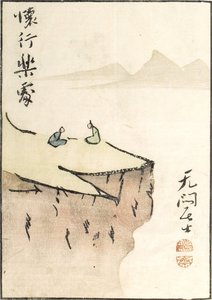
Kameda Bosai
1752 - 1826