

 Предпросмотр
 Поделиться
 Поделиться
 Детали произведения

 Скачать
 Похожие работы
 Рентгенография
 Слайд-шоу
 Статистика
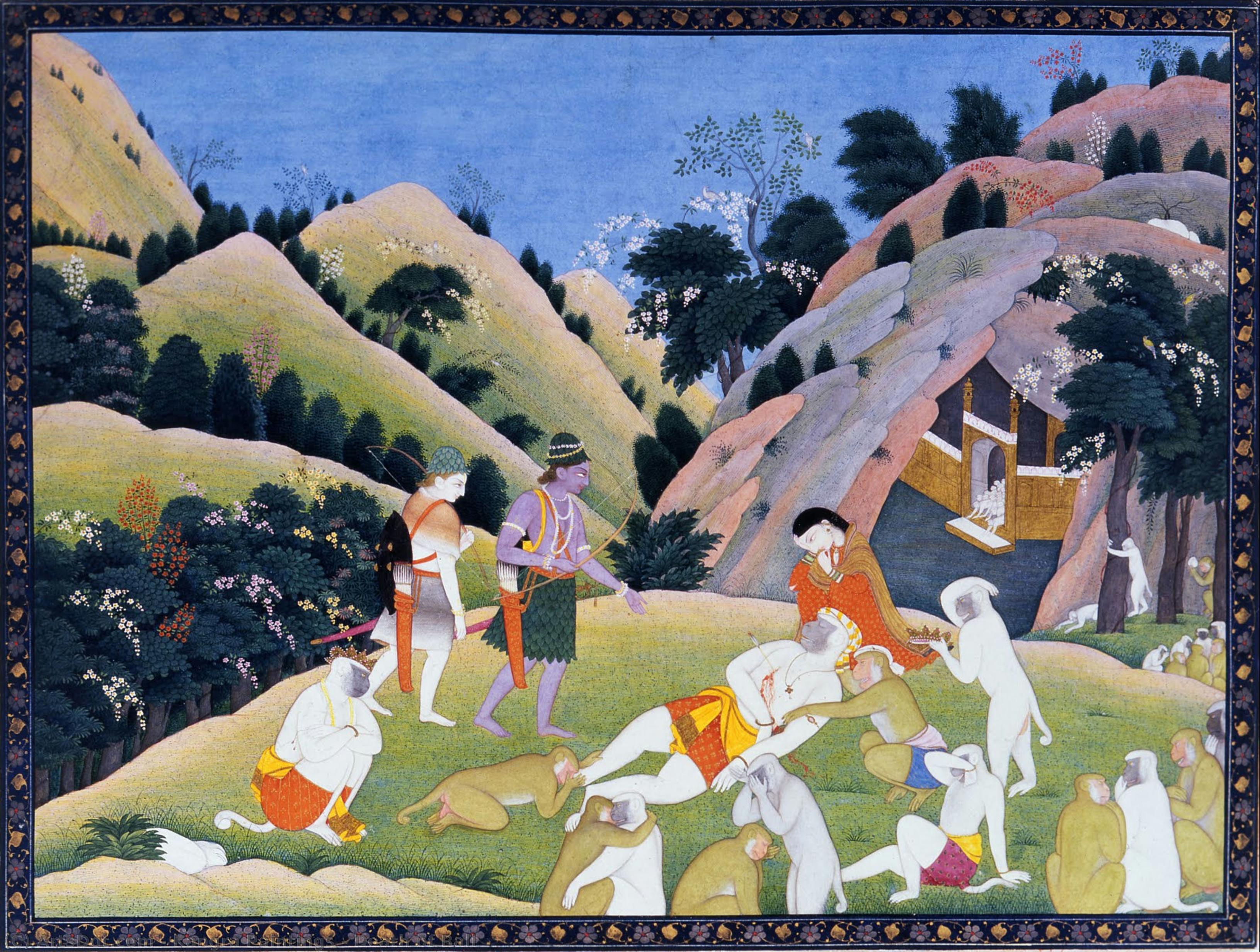
Death of Bali
 Gouache
- WallArt
- Pahari Painting
 1800
1800- 19th Century
 23.0 x 32.0 cm
 Toledo Museum of Art
 Читать далее
Масляная репродукция ручной работы
Картина маслом на холсте в выбранном вами размере и раме, написанная на заказ нашими художниками. ( Перейти к печати Перейти к цифровым изображениям)




P118B $10

P118H $10

P118W $10

P438Z $10

P508JH $12

P508YH $12

P805H $10

P805Z $10

P919BZ $10

P919G $10

P919XJ $10

P959ZH $10

P968JZ $12

W106C $8

W218G $10

W218JH $8

W218Y $10

W307PJ $10

W316G $10

W316PJ $8

W316Y $10

W398PJ $8

W4111J $10

W500HY $15

W500JH $15

W692G $12

W849H $8

W940BG $15

W953PJ $8




Выберите один из наших стандартных размеров, соответствующих оригинальным пропорциям произведения искусства.

Вы можете указать собственные размеры, чтобы картина идеально вписалась в выбранную раму или пространство. Если выбранный вами размер не соответствует пропорциям оригинала, мы либо обрежем полотно, либо расширим его за счет дополнительных элементов, написанных вручную. Цифровой макет будет отправлен вам на утверждение перед началом производства.
Обратите внимание, что предварительный просмотр на экране не отражает фактическую обрезку или расширение. Только макет точно покажет окончательную композицию.
Хотя доступны индивидуальные размеры, мы рекомендуем выбирать вариант из предопределенного списка, чтобы сохранить исходные пропорции.
После оформления заказа команда ArtsDot.com свяжется с клиентом по электронной почте для уточнения деталей и предоставит предварительный макет
Доставка по всему миру () за 3–4 недели вместо стандартных 5 недель. (11 Сентябрь). Без компромиссов в качестве.

Бесплатная экспресс-доставка по всему миру

Высококачественный льняной холст

Полное страхование доставки

Гарантия возмещения таможенных пошлин

Гарантия точного соответствия цветов

100-дневная политика возврата (только при обнаружении дефектов)

Гарантия возврата 100% средств

Предложение оптовых скидок
 Вариант со стеклом доступен только для размеров менее 110 см

Death of Bali
Техника репродукции
Размер репродукции
-


Итоговая стоимость
$ 313
A Poignant Moment in the Epic of Ramayana
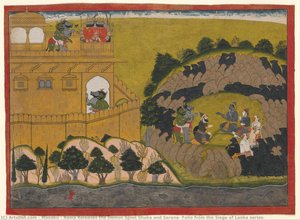
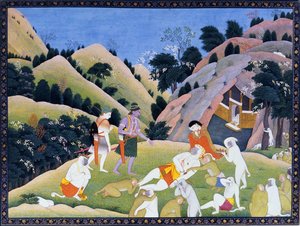
In the delicate, miniature world of the Kangra school, certain moments transcend the boundaries of paper and pigment to touch the very soul of human experience. The Death of Bali is one such masterpiece, a profound window into the emotional heart of the Ramayana. This exquisite painting from approximately 1800 captures a pivotal scene of grief, justice, and moral complexity. As the hero Rama stands unrepentant alongside his brother Laksmana, the dying king Bali directs his final, wounded breaths toward an admonishment of the archer who struck him from the shadows. It is a scene thick with pathos, where the boundaries between righteousness and treachery blur, inviting the viewer to contemplate the heavy cost of divine duty.
The artwork serves as a breathtaking example of the Pahari tradition, specifically the Kangra style, which flourished in the Himalayan foothills. Unlike larger-scale murals, this miniature painting relies on an intimate scale to convey grand, cosmic dramas. The composition is a masterclass in narrative layering; while the central conflict provides the dramatic tension, the surrounding landscape offers a serene, almost ethereal backdrop that contrasts sharply with the violence of the event. This juxtaposition creates a sense of eternal stillness, as if the tragedy is etched forever into the natural order of the world.
Mastery of Line and Lyrical Color
To behold this piece is to witness the pinnacle of Indian miniature technique. The artist employs incredibly fine, meticulous lines to define the forms of the figures, lending a rhythmic cadence to the entire composition. Every fold of Rama’s leafy attire and every subtle expression of agony on Bali's face is rendered with surgical precision. The technique involves the careful application of thin, translucent washes of color, building depth and luminosity through sheer patience. This method allows for a soft, diffused light to bathe the scene, creating an atmosphere that feels both grounded in reality and elevated by divinity.
The color palette is a sophisticated balance of cool and warm tones. Deep blues and lush greens dominate the landscape, evoking the fertile, life-giving essence of the Indian wilderness, yet these are punctuated by warmer accents of pink and yellow that draw the eye toward the central figures. This careful orchestration of hue does more than just decorate; it guides the viewer's emotional journey through the painting, moving from the tranquil beauty of the natural world to the heated, visceral moment of the fatal arrow's impact.
A Timeless Treasure for the Discerning Collector
For the art lover or interior designer, The Death of Bali offers much more than mere decoration. It is a profound narrative object that brings a sense of history, spirituality, and intellectual depth to any space. The painting’s symbolic richness—from the sacred landscape to the themes of dharma (duty) and karma (action)—makes it a conversation piece of unparalleled substance. Whether displayed in a private study or as a focal point in a curated gallery, its intricate details reward prolonged contemplation.
Owning a high-quality reproduction of such a significant work allows one to preserve the legacy of the Kangra masters. It brings the delicate elegance of 18th-century Indian artistry into the modern era, offering a touch of classical grace and an invitation to reflect on the timeless stories that continue to shape our understanding of morality and love. This piece is not merely an image; it is an emotional experience, captured in the eternal dance of pigment and prayer.
Похожие произведения
![Life Of Saint Francis - [04] - Death And Ascension Of St Francis — Джотто Ди Бондоне, Italian Renaissance](/media/artworks/images-thumb/08/8b/088b102b13c1a379233690905590f156.jpg)
Биография художника
A Legacy of Lyricism and Intricate Detail
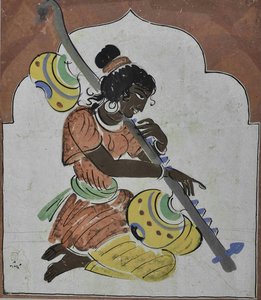
Kangra paintings, named after the former princely state of Himachal Pradesh, represent a distinctive school of Indian art that flourished in the 18th century. More than just decorative miniatures, these artworks embody a profound spiritual ethos—primarily centered on the eternal love between Hindu deities Krishna and Radha—characterized by lyrical prose, rhythmic cadence, and astonishingly detailed compositions. Their enduring appeal lies not only in their aesthetic beauty but also in their ability to convey complex emotions and narratives rooted in Hindu mythology. To gaze upon a Kangra miniature is to enter a world where the boundaries between the human and the divine are blurred by soft colors and delicate lines.
The origins of this exquisite style emerged as a sophisticated reaction against the waning influence of the Basohli school around 1750. As the artistic landscape of the Himalayan foothills shifted, artists from Kangra swiftly established themselves as prominent figures within the broader Pahari painting tradition. This stylistic evolution was fueled by the generous patronage of royal families, which fostered a prolific output of paintings that cemented Kangra’s reputation as a center for artistic innovation. The style skillfully absorbed influences from both Mughal and Rajput art schools, adapting their technical precision while retaining a core identity defined by its unique emotional depth and naturalistic grace.
The Symphony of Visual Elements
What distinguishes Kangra paintings is their remarkable attention to detail and their expressive use of color and composition. Artists meticulously rendered figures and landscapes with painstaking precision, capturing subtle nuances of emotion and gesture that resonate across centuries. The rhythmic cadence of the paintings—evident in the arrangement of elements and the flow of lines—creates a captivating visual experience that transcends mere representation. Furthermore, Kangra painters employed vibrant yet harmonious hues to convey mood and symbolism, reflecting Hindu cosmological beliefs and a deep sense of devotional fervor.
The technical mastery of the school is often found in its ability to balance grand cosmic dramas with intimate, quiet moments. Through the careful application of thin, translucent washes of color, artists built depth and luminosity, allowing a soft, diffused light to bathe every scene. Recurring motifs, such as lotus blossoms and lush, verdant landscapes, serve as more than mere decoration; they are integral parts of a visual language that speaks to the interconnectedness of nature and spirit. In works depicting pivotal moments from epics like the Ramayana, the artist uses an intimate scale to convey profound themes of justice, grief, and moral complexity.
Historical Significance and Artistic Lineage
The history of the Kangra school is also a story of remarkable artistic families. The tradition was profoundly shaped by lineages of painters who passed their secrets from generation to generation. For instance, the period between approximately 1740 and 1830 saw the rise of influential artists such as the sons of Manaku and Nainsukh, who built upon the legacies of their ancestors to create an extensive oeuvre that remains a cornerstone of Indian miniature painting. This continuity of vision ensured that the Kangra style remained a beacon of excellence in the Pahari region.
Today, the significance of this art form is recognized not only through its aesthetic impact but also through its cultural preservation. The Kangra painting style has been officially registered under the Geographical Indication of Goods, honoring its unique heritage and the specific techniques developed in the Himachal Pradesh region. As a vital component of the Indian miniature tradition, these paintings continue to inspire awe, serving as a testament to a period when art, devotion, and nature were woven into a single, seamless tapestry of human expression.
kangra paintings
India
Основные сведения
- Artistic Movement Or Style: Pahari Painting Style
- Artists Or Movements Influenced By This Artist:
- Mughal School
- Rajput Art India
- Artists Who Influenced This Artist: ['Basawan']
- Full Name: Kangra Paintings
- Nationality: Indian
- Notable Artworks: ['Death of Bali']
- Place Of Birth: Kangra, India
Похожие статьи
Shadow Catcher: Edward S. Curtis & the Ethnographic Portraiture of a Vanishing West
Explore the life & work of Edward S. Curtis, the 'Shadow Catcher,' and his groundbreaking photographic documentation of Native American cultures. Discover iconic images from *The North American Indian* and a critical look at his lasting legacy.
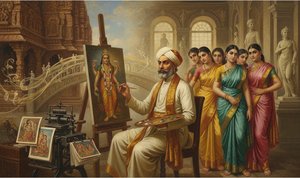
Raja Ravi Varma: Bridging Tradition & Modernity in 19th-Century Indian Art
Explore the life & art of Raja Ravi Varma, a pioneer who fused European techniques with Indian iconography. Discover his iconic paintings, lasting legacy, and influence on modern Indian art at ArtsDot.
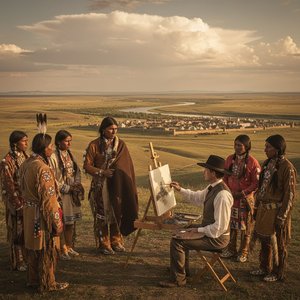
George Catlin: Witnessing & Representing Indigenous Life on the American Frontier
Explore the captivating art of George Catlin, renowned for his vivid portraits & landscapes documenting Native American life on the frontier. Discover a vanishing world through stunning paintings and historical context.
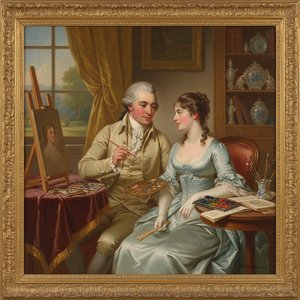
Richard Cosway: Capturing Regency Elegance & Intimacy Through Portraiture
Explore the captivating world of Richard Cosway, Regency society's celebrated portrait miniaturist. Discover his exquisite art, aristocratic patrons & lasting legacy with ArtsDot.
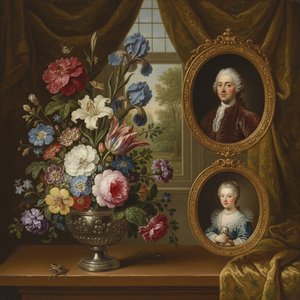
Jan van Kessel the Elder: A Baroque Master of Floral Still Life & Miniature Portraiture
Discover the exquisite detail of Jan van Kessel the Elder's Baroque floral still lifes & captivating miniatures. Explore his artistic legacy, scientific precision, and lasting influence on 17th-century Flemish painting.