


 Предпросмотр
 Поделиться
 Поделиться
 Детали произведения

 Скачать
 Похожие работы
 Рентгенография
 Слайд-шоу
 Статистика
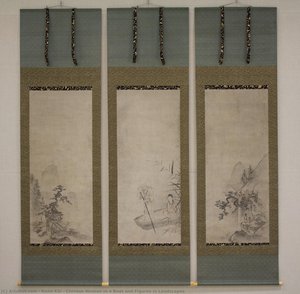
Chinese Woman in a Boat and Figures in Landscapes


 Читать далее
Приобретите цифровое изображение высокого разрешения в улучшенном качестве, которое значительно превосходит онлайн-превью.
Каждый файл тщательно подготавливается нашими специалистами с использованием передовых инструментов и экспертной ручной ретуши. Мы гарантируем исключительную четкость, точную цветопередачу и детальную проработку каждого изображения.
Финальный файл доставляется по электронной почте в течение 72 часов и оптимизирован для немедленного использования в профессиональной среде, при верстке и печати. Это тот же уровень качества, которому доверяют ведущие дизайнерские студии, издательства и галереи.
Цифровое изображение
Скачайте файл высокого разрешения для личного использования, печати и творческих проектов. ( Перейти к печати Купить картину ручной работы)
Включено в каждый заказ цифровых изображений
Гарантия экспертной цифровой доставки
Выбирая ArtsDot.com, вы получаете не просто изображение — вы приобретаете профессионально обработанное цифровое произведение искусства, созданное с безупречной точностью и под защитой гарантии качества. Вот всё, что автоматически входит в ваш заказ:

Мгновенная доставка по e-mail
Ваш цифровой файл в высоком разрешении будет отправлен вам по электронной почте в течение 72 часов после оформления заказа — и сразу станет доступен для использования.

Цифровой файл с ИИ-улучшением
Ваше произведение искусства проходит профессиональную оптимизацию с использованием передовых инструментов ИИ и ручной обработки, что гарантирует максимальную детализацию, четкость и точность цветопередачи.

Бессрочная бесплатная повторная доставка
Случайно удалили или потеряли файл? Не беспокойтесь — мы отправим его вам повторно в любое время и совершенно бесплатно.

Без импортных пошлин — навсегда
Наслаждайтесь вашим произведением искусства мгновенно без таможенных пошлин, сборов или затрат на доставку — цифровые загрузки всегда не облагаются налогом.

Гарантия точности цветопередачи
Мы гарантируем, что ваше цифровое изображение максимально точно передает оригинальные цвета благодаря использованию профессиональных инструментов и систем управления цветом.

Гарантия удовлетворенности 100 дней
Если вы не будете удовлетворены своим цифровым изображением, мы внесем правки или вернем 100% стоимости в течение 100 дней — без лишних вопросов.

100% Гарантия возврата средств
Не удовлетворены покупкой? Получите полный возврат средств в течение 100 дней после получения цифрового файла — без лишних вопросов.

Скидки на оптовые заказы
Купите 3 изображения, сэкономьте 10% — Купите 5, сэкономьте 15% — Купите 10+, сэкономьте 20%. Отличное решение для творческих проектов, галерей и агентств.
Introduction to Ukiyo-e Art Movement
Ukiyo-e, a genre of Japanese art that flourished from the 17th through 19th centuries, is renowned for its woodblock prints and paintings depicting various subjects such as female beauties, kabuki actors, sumo wrestlers, historical scenes, folk tales, travel landscapes, flora, fauna, and erotica. The term Ukiyo-e (浮世絵) translates to 'picture[s] of the floating world', reflecting the hedonistic lifestyle of Edo's chōnin class (merchants, craftsmen, and workers).Artist: Kano Kōi
Kano Kōi was a prominent Japanese painter who lived from 1801 to 1865. He belonged to the prestigious Kano school, which dominated Japanese painting for over four centuries. The Kano school was known for its refined and elegant style, often depicting traditional subjects in a decorative manner.Painting: Chinese Woman in a Boat and Figures in Landscapes
'Chinese Woman in a Boat and Figures in Landscapes' is an exquisite painting by Kano Kōi, showcasing his mastery of the Ukiyo-e style. The artwork features a Chinese woman gracefully rowing a boat amidst a serene landscape. The artist's use of vibrant colors and fluid brushwork creates a captivating scene that invites the viewer to explore the beauty of nature and the elegance of human figures.Historical Context
In 1603, Edo (present-day Tokyo) became the seat of the ruling Tokugawa shogunate, leading to rapid economic growth and the emergence of a new social class: the chōnin. The chōnin indulged in entertainment such as kabuki theatre, geisha, and courtesans, creating demand for ukiyo-e artworks that depicted their hedonistic lifestyle.Artistic Style and Techniques
Ukiyo-e artists used woodblock prints and paintings to create intricate compositions with a wide range of subjects. The printing process involved multiple woodblocks, each dedicated to a specific color or detail, resulting in richly layered images. Artists rarely carved their own woodblocks; instead, production was divided among the artist, carver, printer, and publisher.Conclusion
'Chinese Woman in a Boat and Figures in Landscapes' by Kano Kōi is an exceptional example of Ukiyo-e artistry. The painting showcases the artist's skillful use of color, composition, and subject matter to create a captivating work that embodies the essence of the floating world. To learn more about ukiyo-e or explore other masterpieces, visit ArtsDot.com.- Reference: The Ukiyo-e Art Movement
- Related Painting: Chinese Woman in a Boat and Figures in Landscapes
- Artist: Kano Kōi
Похожие произведения

Биография художника
A Legacy of Ink and Serenity: The Life of Kanō Kōi
In the delicate dance of brush against paper, few artists captured the profound stillness of the Edo period as masterfully as Kanō Kōi. Born around 1598 in Wenzhou, China, Kōi’s very origins suggest a bridge between worlds, bringing an Eastern sensibility that would eventually become a cornerstone of Japanese art history. As a prominent practitioner of the prestigious Kanō school, his life and work were defined by a pursuit of tranquility, where every stroke of ink served to harmonize the physical landscape with the spiritual realm. Though his early years are shrouded in the mists of time, his lineage is unmistakable; as the son of the renowned painter Kanō Hansui, Kōi was immersed from birth in a tradition dedicated to the elevation of Buddhist aesthetics and the meticulous application of mineral pigments.
The training Kōi underwent was far more than mere technical instruction; it was an initiation into a philosophical way of seeing. Under his father’s guidance, he mastered the rigorous demands of the Kanō lineage, learning to balance the bold, structural strength of Chinese landscape conventions with the subtle, understated elegance prized in Japanese culture. This synthesis allowed him to create works that were not merely representations of nature, but meditative windows into a deeper reality. His development was deeply influenced by the masters of the Tang Dynasty, particularly Wang Wei, whose poetic approach to landscape inspired Kō i to utilize interlocking vistas and atmospheric depth to evoke a sense of infinite space and quiet contemplation.
Mastery of Style and the Floating World
Kōi’s artistic repertoire is characterized by an exquisite command over both ink and color. While his roots lay in the classical traditions of the Kanō school, his work often touched upon the burgeoning sensibilities of the Ukiyo-e movement—the "pictures of the floating world." This era, marked by the rise of the chōnin merchant class in Edo, demanded art that could capture both the grandeur of nature and the fleeting beauty of human life. In masterpieces such as "Chinese Woman in a Boat and Figures in Landscapes," Kōi demonstrates a breathtaking ability to blend these worlds. Through fluid brushwork and a vibrant yet harmonious palette, he depicts scenes where human figures move gracefully through serene environments, suggesting a seamless connection between the individual and the cosmos.
The technical brilliance of his work can be observed in several key areas:
- Compositional Harmony: The use of complex, layered landscapes that guide the viewer's eye through winding rivers and distant mountains.
- Pigment Application: A sophisticated use of mineral pigments that provides a luminous quality to his subjects, contrasting beautifully with deep, soulful ink washes.
- Symbolic Depth: The integration of natural elements—such as water, mist, and flora—to represent the ephemeral nature of existence and the permanence of the spirit.
Historical Significance and Enduring Influence
The passing of Kanō Kōi around 1636 marked the end of a significant chapter in the evolution of Japanese painting, yet his influence remained etched into the fabric of the Kanō school for generations. He stood at a pivotal historical juncture, helping to navigate the transition from the heavy influences of imported Chinese styles to a uniquely Japanese aesthetic that would define the Edo period. By successfully bridging the gap between the monumental and the intimate, Kōi provided a blueprint for future artists to explore the intersection of tradition and innovation.
Today, the works of Kanō Kōi are revered not just as historical artifacts, but as living embodiments of tranquility. His ability to capture the "breath" of a landscape—the subtle movement of wind through trees or the quiet ripple of a boat on a lake—continues to resonate with modern viewers. He remains a master of the ephemeral, reminding us that within the meticulous detail of a single brushstroke lies the capacity to touch the infinite.
kanō kōi
1636 , China
Основные сведения
- Artistic Movement Or Style: Kanō school painter
- Artists Or Movements Influenced By This Artist: ['Japanese ink painting']
- Artists Who Influenced This Artist: ['Unknown Artist']
- Date Of Death: 1636
- Full Name: kanō kōi
- Nationality: Japanese
- Notable Artworks: ['Chinese Woman in a Boat and Figures in Landscapes']
- Place Of Birth: Wenzhou, China