

 Предпросмотр
 Поделиться
 Поделиться
 Детали произведения

 Скачать
 Похожие работы
 Рентгенография
 Слайд-шоу
 Статистика
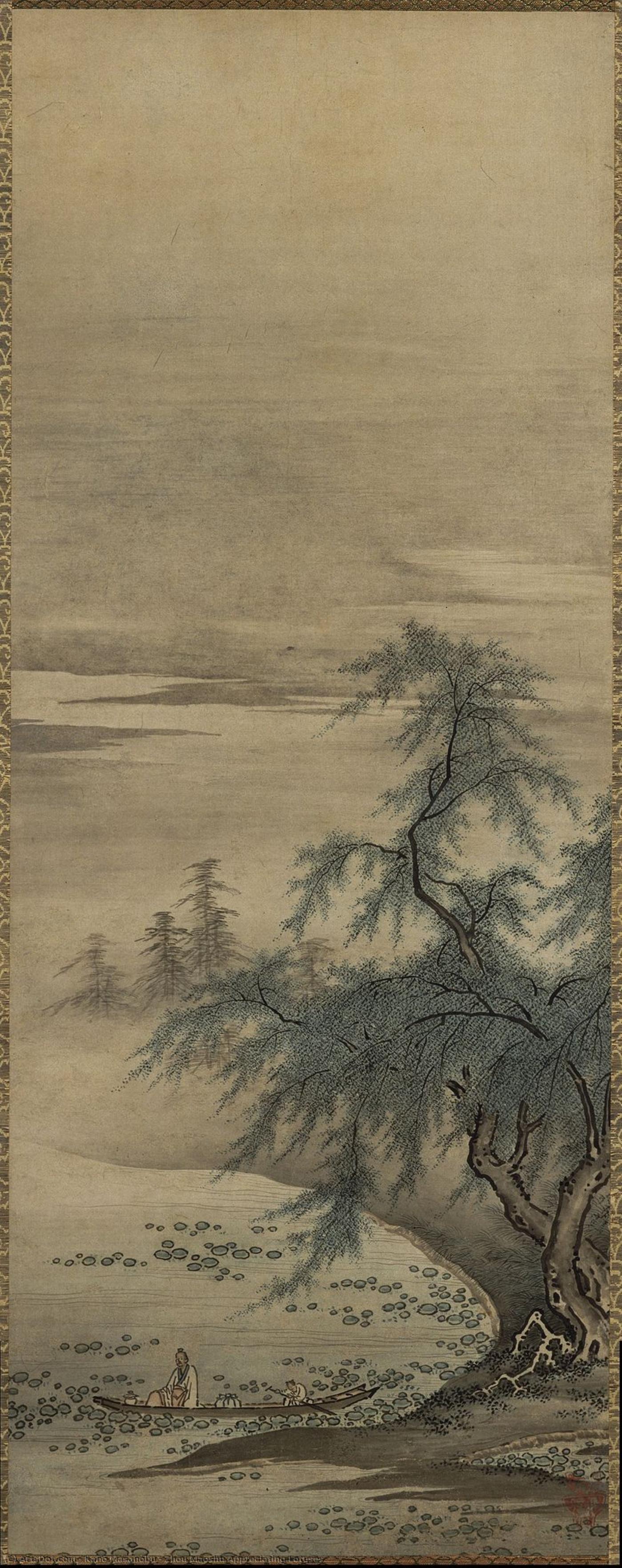
Zhou Maoshu Appreciating Lotuses
 Japanese Sumi-e
 1450
1450 85.0 x 33.0 cm
 Читать далее
Приобретите цифровое изображение высокого разрешения в улучшенном качестве, которое значительно превосходит онлайн-превью.
Каждый файл тщательно подготавливается нашими специалистами с использованием передовых инструментов и экспертной ручной ретуши. Мы гарантируем исключительную четкость, точную цветопередачу и детальную проработку каждого изображения.
Финальный файл доставляется по электронной почте в течение 72 часов и оптимизирован для немедленного использования в профессиональной среде, при верстке и печати. Это тот же уровень качества, которому доверяют ведущие дизайнерские студии, издательства и галереи.
Цифровое изображение
Скачайте файл высокого разрешения для личного использования, печати и творческих проектов. ( Перейти к печати Купить картину ручной работы)
Включено в каждый заказ цифровых изображений
Гарантия экспертной цифровой доставки
Выбирая ArtsDot.com, вы получаете не просто изображение — вы приобретаете профессионально обработанное цифровое произведение искусства, созданное с безупречной точностью и под защитой гарантии качества. Вот всё, что автоматически входит в ваш заказ:

Мгновенная доставка по e-mail
Ваш цифровой файл в высоком разрешении будет отправлен вам по электронной почте в течение 72 часов после оформления заказа — и сразу станет доступен для использования.

Цифровой файл с ИИ-улучшением
Ваше произведение искусства проходит профессиональную оптимизацию с использованием передовых инструментов ИИ и ручной обработки, что гарантирует максимальную детализацию, четкость и точность цветопередачи.

Бессрочная бесплатная повторная доставка
Случайно удалили или потеряли файл? Не беспокойтесь — мы отправим его вам повторно в любое время и совершенно бесплатно.

Без импортных пошлин — навсегда
Наслаждайтесь вашим произведением искусства мгновенно без таможенных пошлин, сборов или затрат на доставку — цифровые загрузки всегда не облагаются налогом.

Гарантия точности цветопередачи
Мы гарантируем, что ваше цифровое изображение максимально точно передает оригинальные цвета благодаря использованию профессиональных инструментов и систем управления цветом.

Гарантия удовлетворенности 100 дней
Если вы не будете удовлетворены своим цифровым изображением, мы внесем правки или вернем 100% стоимости в течение 100 дней — без лишних вопросов.

100% Гарантия возврата средств
Не удовлетворены покупкой? Получите полный возврат средств в течение 100 дней после получения цифрового файла — без лишних вопросов.

Скидки на оптовые заказы
Купите 3 изображения, сэкономьте 10% — Купите 5, сэкономьте 15% — Купите 10+, сэкономьте 20%. Отличное решение для творческих проектов, галерей и агентств.
Похожие произведения
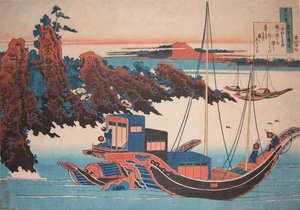
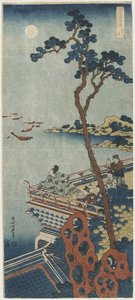
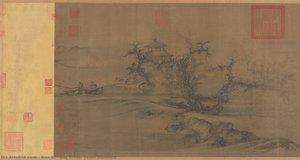
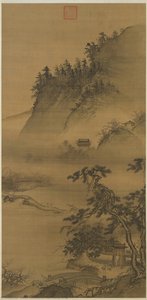
Биография художника
Kanō Masanobu: The Architect of Japanese Art
Kanō Masanobu (1434? – August 2, 1530, Kyoto) stands as a monumental figure in the history of Japanese art, not merely for his prolific output but fundamentally for establishing the Kanō school—a lineage that would dominate Japanese painting for over three centuries. Often considered the founder of this prestigious institution, Masanobu’s influence extends far beyond his own creations, shaping artistic conventions and profoundly impacting the visual landscape of Japan. His life coincided with a period of immense political and cultural transition – the waning years of the Ashikaga shogunate – and he skillfully navigated these turbulent times to forge a new path for painting, one deeply rooted in Chinese traditions yet distinctly Japanese in its sensibility.
Born into a family with roots stretching back to the Kamakura period, Masanobu’s early life remains somewhat shrouded in mystery. He was the son of Kanō Kagenobu, a samurai and amateur artist who had developed a reputation for his landscape paintings. This lineage provided Masanobu with an initial foundation in artistic practice, though he quickly surpassed his father's skills and established himself as a leading painter in his own right. Unlike many artists of his time, Masanobu did not receive formal training within the imperial court; instead, he honed his craft through observation, apprenticeship, and direct engagement with the evolving artistic landscape.
The Rise to Prominence: Service to the Shogunate
Masanobu’s career gained significant momentum when he was appointed as the chief painter (御用絵師, *goyō eshi*) to the Ashikaga shogunate in 1481. This appointment marked a pivotal moment, elevating him to a position of immense prestige and influence within the political hierarchy. Serving the shogunate provided Masanobu with access to vast resources, commissions, and opportunities for artistic experimentation. It also solidified his role as a central figure in the development of a distinctly Japanese style of painting – one that drew heavily on Chinese models but adapted them to reflect local aesthetics and sensibilities.
His work during this period is characterized by a remarkable synthesis of Eastern and Western influences. Masanobu was deeply influenced by the priest-painter Tenshō Shūbun, whose innovative approach to landscape painting—characterized by subtle gradations of ink, atmospheric perspective, and a focus on capturing the essence of nature—served as a crucial model for Masanobu’s own artistic development. However, unlike Shūbun, who remained within the confines of Buddhist temples, Masanobu embraced a broader range of subjects, including depictions of Buddhist deities, bodhisattvas, and portraits of prominent figures.
A Distinctive Style: Suiboku-ga and Beyond
Masanobu’s artistic style is most notably defined by his mastery of *suiboku-ga* (水墨画), a monochrome ink painting technique derived from Chinese models. This method emphasized the expressive qualities of ink—its ability to create subtle variations in tone, texture, and luminosity—to convey a sense of atmosphere, mood, and spiritual depth. Unlike earlier Japanese artists who often relied on vibrant colors, Masanobu skillfully employed a restrained palette of black ink, white paper, and occasional washes of color to achieve his desired effects.
However, Masanobu’s style was not simply a replication of Chinese techniques; he infused it with distinctly Japanese elements. His landscapes often featured simplified forms, flattened perspectives, and an emphasis on capturing the essence of nature rather than meticulously rendering every detail. Furthermore, Masanobu's depictions of Buddhist figures—particularly his iconic “Zhou Maoshu Appreciating Lotuses”—demonstrated a remarkable ability to imbue these subjects with a sense of serenity, contemplation, and spiritual awareness.
Legacy and the Kanō School
Kanō Masanobu’s influence extended far beyond his own lifetime. Following his death in 1530, his son, Kanō Motonobu, continued to develop and refine the artistic principles established by his father, ultimately laying the foundation for the Kanō school—a lineage that would dominate Japanese painting for over three centuries. The school’s distinctive style—characterized by its refined technique, meticulous attention to detail, and emphasis on portraying Buddhist deities and bodhisattvas—became synonymous with high art in Japan.
The legacy of Kanō Masanobu is therefore inextricably linked to the enduring success of the Kanō school. His pioneering efforts in synthesizing Eastern and Western artistic traditions, coupled with his profound understanding of Japanese aesthetics, established a framework for generations of artists who would follow in his footsteps. Works like “Zhou Maoshu Appreciating Lotuses” stand as testaments to his genius, offering a glimpse into the serene beauty and spiritual depth that defined his artistic vision.
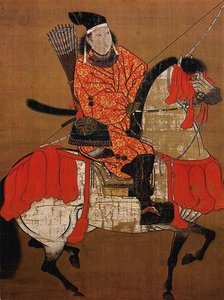
kanō masanobu
1434 - 1530 , Japan
Основные сведения
- Artistic Movement Or Style: Kanō school, Suiboku-ga
- Artists Or Movements Influenced By This Artist: ['Kanō Motonobu']
- Artists Who Influenced This Artist: ['Tenshō Shūbun']
- Date Of Birth: 1434, Kyoto, Japan
- Date Of Death: 1530, Kyoto, Japan
- Full Name: Kanō Masanobu
- Nationality: Japanese
- Notable Artworks:
- Zhou Maoshu Appreciating Lotuses
- The Sage Chou Mao-shu in a Lotus Pond
- Place Of Birth: Kyoto, Japan