

 Предпросмотр
 Поделиться
 Поделиться
 Детали произведения

 Скачать
 Похожие работы
 Рентгенография
 Слайд-шоу
 Статистика
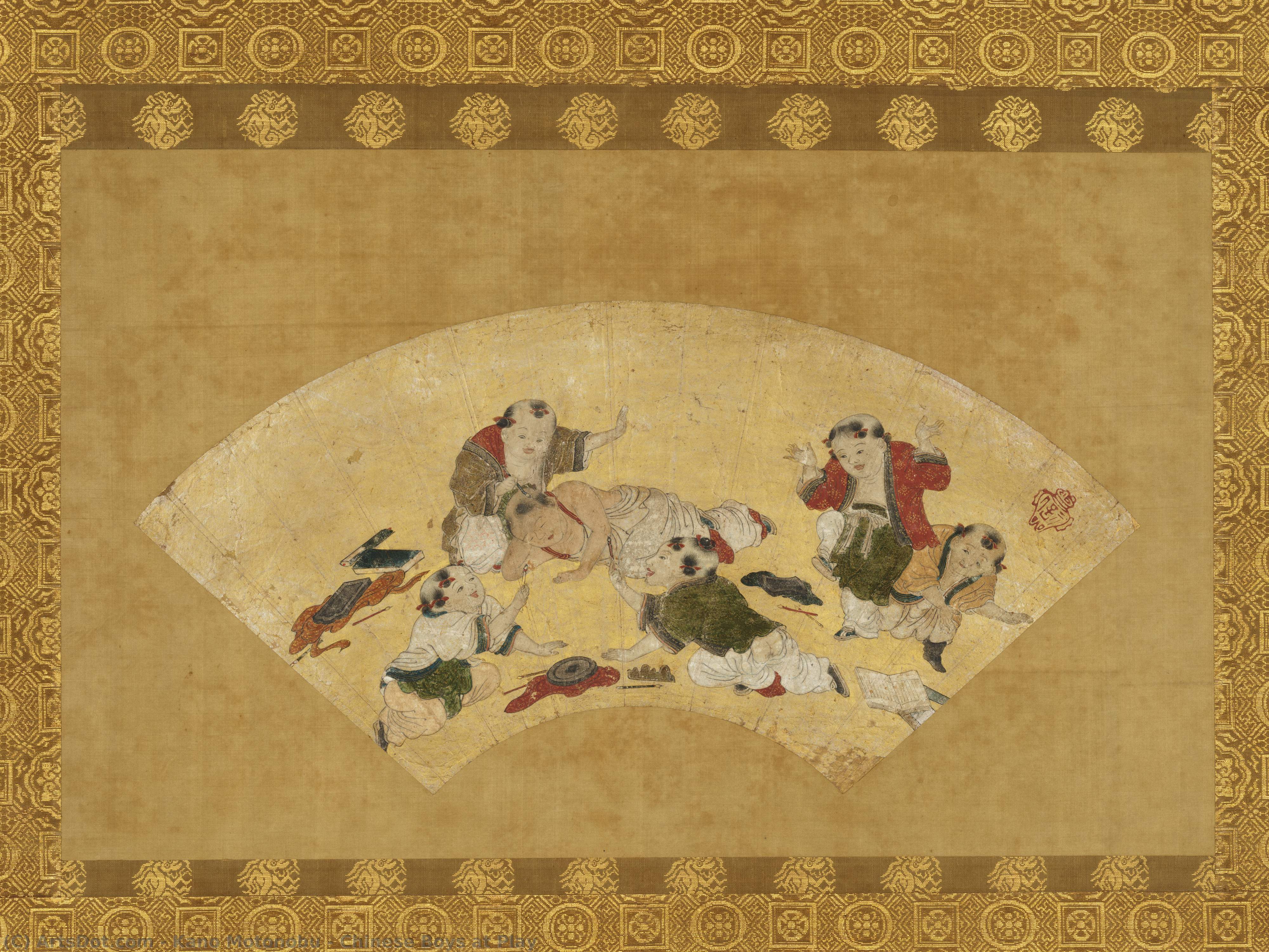
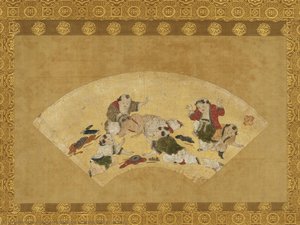
Chinese Boys at Play
 Ink
Ink- WallArt
 501
501 23.0cm x 47.0cm
 Музей Метрополитен
 Читать далее
Масляная репродукция ручной работы
Картина маслом на холсте в выбранном вами размере и раме, написанная на заказ нашими художниками. ( Перейти к печати Перейти к цифровым изображениям)




P118B $10

P118H $10

P118W $10

P438Z $10

P508JH $12

P508YH $12

P805H $10

P805Z $10

P919BZ $10

P919G $10

P919XJ $10

P959ZH $10

P968JZ $12

W106C $8

W218G $10

W218JH $8

W218Y $10

W307PJ $10

W316G $10

W316PJ $8

W316Y $10

W398PJ $8

W4111J $10

W500HY $15

W500JH $15

W692G $12

W849H $8

W940BG $15

W953PJ $8




Выберите один из наших стандартных размеров, соответствующих оригинальным пропорциям произведения искусства.

Вы можете указать собственные размеры, чтобы картина идеально вписалась в выбранную раму или пространство. Если выбранный вами размер не соответствует пропорциям оригинала, мы либо обрежем полотно, либо расширим его за счет дополнительных элементов, написанных вручную. Цифровой макет будет отправлен вам на утверждение перед началом производства.
Обратите внимание, что предварительный просмотр на экране не отражает фактическую обрезку или расширение. Только макет точно покажет окончательную композицию.
Хотя доступны индивидуальные размеры, мы рекомендуем выбирать вариант из предопределенного списка, чтобы сохранить исходные пропорции.
После оформления заказа команда ArtsDot.com свяжется с клиентом по электронной почте для уточнения деталей и предоставит предварительный макет
Доставка по всему миру () за 3–4 недели вместо стандартных 5 недель. (11 Сентябрь). Без компромиссов в качестве.

Бесплатная экспресс-доставка по всему миру

Высококачественный льняной холст

Полное страхование доставки

Гарантия возмещения таможенных пошлин

Гарантия точного соответствия цветов

100-дневная политика возврата (только при обнаружении дефектов)

Гарантия возврата 100% средств

Предложение оптовых скидок
 Вариант со стеклом доступен только для размеров менее 110 см

Chinese Boys at Play
Техника репродукции
Размер репродукции
-


Итоговая стоимость
$ 263
A Moment Stolen from Academia: The Playfulness of Youth
This captivating scene, titled Chinese Boys at Play, transports the viewer into an intimate moment snatched from the rigorous halls of study. It is a vibrant tableau where the solemn pursuit of knowledge gives way to unbridled, mischievous joy. We are presented not with portraits of scholars in repose, but rather witnesses to a delightful disruption—a burst of pure, youthful energy amidst scattered implements of learning: brushes resting beside inkstones, scrolls unfurling like captured dreams, and books stacked as silent observers. The composition draws the eye immediately to the central cluster of boys, their antics forming a perfect circle around one napping figure, suggesting a shared secret or an inside joke that ripples through the entire group.
Mastery in Movement: Technique and Composition
The artist has employed a technique that allows for both meticulous detail and breathtaking spontaneity. While the subject matter is inherently narrative—a story unfolding before our eyes—the execution suggests a fluid, almost ephemeral quality, particularly given the artwork's history as a folding fan. The way the figures interact, leaning in with wet brushes or recoiling in mock fear, speaks to an understanding of dynamic composition. Notice the contrast between the focused energy of the boys’ gestures and the soft vulnerability of the sleeper. Even the seemingly peripheral details, such as the boy whose pants are playfully pulled down, anchor the scene in a raw, unvarnished reality that elevates the piece beyond mere genre painting.
Echoes of Tradition: Historical Context and Symbolism
Dating to the early years of Japanese artistic influence, this work channels a rich tradition of East Asian scholarly life. The very tools scattered around—the brushes, the ink—are potent symbols. They represent not just art supplies, but the disciplined pursuit of the literati ideal. Yet, by depicting them in play, the artwork offers a profound commentary: that even the most lofty intellectual endeavors are punctuated by the irresistible pull of camaraderie and simple delight. The contrast between the seriousness implied by the scholarly setting and the sheer abandon of the mischief creates a beautiful tension, suggesting that true learning often happens outside the prescribed curriculum.
Bringing the Spirit Home: Decorating with Narrative Depth
For the collector or designer seeking an object imbued with narrative depth, this reproduction offers more than just decoration; it offers conversation. Imagine this piece displayed where natural light can catch the subtle variations in pigment, allowing the viewer to pause and decipher the silent exchanges between the figures. It introduces a touch of sophisticated, spirited whimsy into any space—be it a study needing a lift of levity or a drawing-room desiring an infusion of cultured playfulness. Owning this piece is inviting a spirit of joyful imperfection into your home.
Похожие произведения
Биография художника
Kanō Motonobu: Architect of a Japanese Aesthetic
The world of Japanese art owes an immense debt to Kanō Motonobu (1476-1559), a figure whose influence reverberates through centuries of painting. More than simply a painter, Motonobu was the architect of the Kanō School, a dynasty that shaped the very definition of Japanese aesthetics and profoundly impacted the course of art history. His life unfolded during a turbulent period – the late Muromachi and early Azuchi-Momoyama eras – marked by political upheaval, warring states, and shifting cultural currents. Yet, within this chaos, Motonobu’s artistic vision flourished, establishing a system that would dominate Japanese painting for over three hundred years.
Born into a family deeply intertwined with the imperial court and the powerful Ashikaga shogunate, Motonobu's lineage traced back to Kanō Kagenobu, a warrior-artist who had gained favor by painting a landscape of Mount Fuji for Shogun Ashikaga Yoshinori in 1432. This connection provided a crucial foundation for the school’s early success. His father, Kanō Masanobu (1434–1530), is widely considered the founder of the Kanō School, establishing it as a professional atelier in Kyoto and adopting the Chinese painting style favored by the Ashikaga shogunate. Masanobu's influence was particularly significant; he skillfully blended the refined brushwork and monochromatic palette of Chinese ink paintings with the emerging Japanese aesthetic sensibilities.
The Synthesis: Bridging East and West
Motonobu’s genius lay in his ability to synthesize these disparate influences. Unlike earlier artists who simply copied Chinese styles, Motonobu didn't merely replicate; he adapted and transformed them into something uniquely Japanese. He inherited his father’s foundation of Chinese-style painting but skillfully integrated elements of *Yamato-e*, the native Japanese style characterized by a focus on nature, human figures, and vibrant colors. This fusion resulted in a distinctive visual language—bold brushstrokes, dramatic contrasts between light and shadow, and a masterful use of color that was both refined and expressive.
Crucially, Motonobu’s artistic development was shaped by his marriage to Tosa Mitsunobu's daughter, a union that brought him into contact with the Tosa School, renowned for its depictions of native Japanese subjects. This exchange broadened his repertoire and provided him with new techniques and perspectives. He wasn’t simply a follower; he actively absorbed and reinterpreted these influences, creating a synthesis that was both innovative and deeply rooted in tradition.
A Patron's Legacy: The Kanō School Takes Shape
Motonobu’s influence extended far beyond his own artistic output. He wasn’t just a painter; he was a shrewd administrator and organizer, transforming the Kanō School into a highly structured and influential institution. He established a system of apprenticeships, meticulously documented techniques in *kōrō* (sketchbooks), and oversaw the production of countless works for wealthy patrons – including the Ashikaga shogunate, the imperial court, Kyoto merchant class, and major shrines and temples.
His workshop, typically comprising around ten individuals—including himself, his three sons Shōei, Yusetsu, and Joshin, his younger brother Yukinobu, and various assistants—operated as a sophisticated production center. The hierarchy within the studio was carefully defined: Motonobu oversaw the overall design and direction, while his sons and apprentices specialized in different tasks – grinding pigments, preparing paper, executing backgrounds, and adding details. This collaborative approach ensured both quality control and efficient production, allowing the school to meet the demands of its diverse clientele.
Iconic Works and Enduring Influence
Among Motonobu’s most celebrated works are the “49 Landscapes with Flowers and Birds” (Shiki-sansui-zu) executed for the *houjou* (abbot's chamber) of the former Daisen-in monastery in Kyoto. These monumental hanging scrolls, now housed at the Philadelphia Museum of Art, exemplify his mastery of composition, color, and brushwork. They represent a pivotal moment in the development of the Kanō School’s style, foreshadowing the grand decorative panels that would characterize later generations.
Motonobu's legacy extends far beyond these individual masterpieces. He established a system of training that produced countless skilled artists who carried on the school’s traditions for over three centuries. The Kanō School’s influence permeated Japanese art, shaping not only painting but also calligraphy, ceramics, and lacquerware. Kanō Motonobu's contributions are therefore indispensable to understanding the evolution of Japanese aesthetics and the enduring power of his artistic vision.
kano motonobu
1476 - 1559
Основные сведения
- Artistic Movement Or Style: Kanō School, Monochrome ink painting
- Artists Or Movements Influenced By This Artist:
- Tosa School
- Yamato-e
- Artists Who Influenced This Artist: ['Kanō Masanobu']
- Date Of Birth: August 28, 1476
- Date Of Death: November 5, 1559
- Full Name: Kanō Motonobu
- Nationality: Japanese
- Notable Artworks:
- 49 Landscapes with Flowers and Birds
- Dragon descending from clouds
- Place Of Birth: Kyoto, Japan
Похожие статьи

The Enduring Legacy of Fine Art Prints: Technique, History & Aesthetic Impact
Explore the rich history & techniques of fine art prints. Discover investment potential, assess authenticity, and learn how to preserve your collection with expert guidance. Trusted insights for discerning collectors.
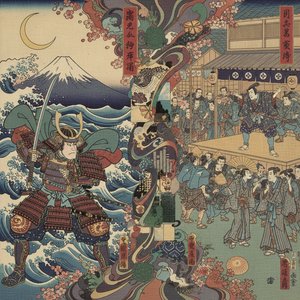
Utagawa Kuniyoshi: A Master of Japanese Ukiyo-e – Narrative Innovation & the Fusion of Tradition with Popular Culture
Explore the captivating world of Utagawa Kuniyoshi, a master of Japanese ukiyo-e woodblock prints. Discover his innovative warrior scenes, vibrant landscapes & lasting legacy in 19th-century art history.

Топ-25 шедевров Кацусики Хокусая: Искусство Японии для вашего интерьера
Погрузитесь в мир гения Кацусики Хокусая! 25 легендарных гравюр укиё-э, включая "Великую волну". История искусства Японии и вдохновение для вашего интерьера. Репродукции высокого качества на ArtsDot.com.

Giclée Prints: Archival Quality & Aesthetic Nuances for the Discerning Collector
Explore the world of giclée prints with ArtsDot. Learn about archival quality, aesthetic nuances & investment potential. Expert guidance for discerning art collectors seeking museum-quality reproductions and lasting value.

Игривое искусство: топ-10 шедевров для вдохновения интерьера от ArtsDot.com
Погрузитесь в мир игривого искусства! Откройте топ-10 шедевров Моне, Ренуара и других великих художников. Вдохновение для интерьера, истории создания картин и репродукции высокого качества на ArtsDot.com. Explore the full collection online!