

 Предпросмотр
 Поделиться
 Поделиться
 Детали произведения

 Скачать
 Похожие работы
 Рентгенография
 Слайд-шоу
 Статистика
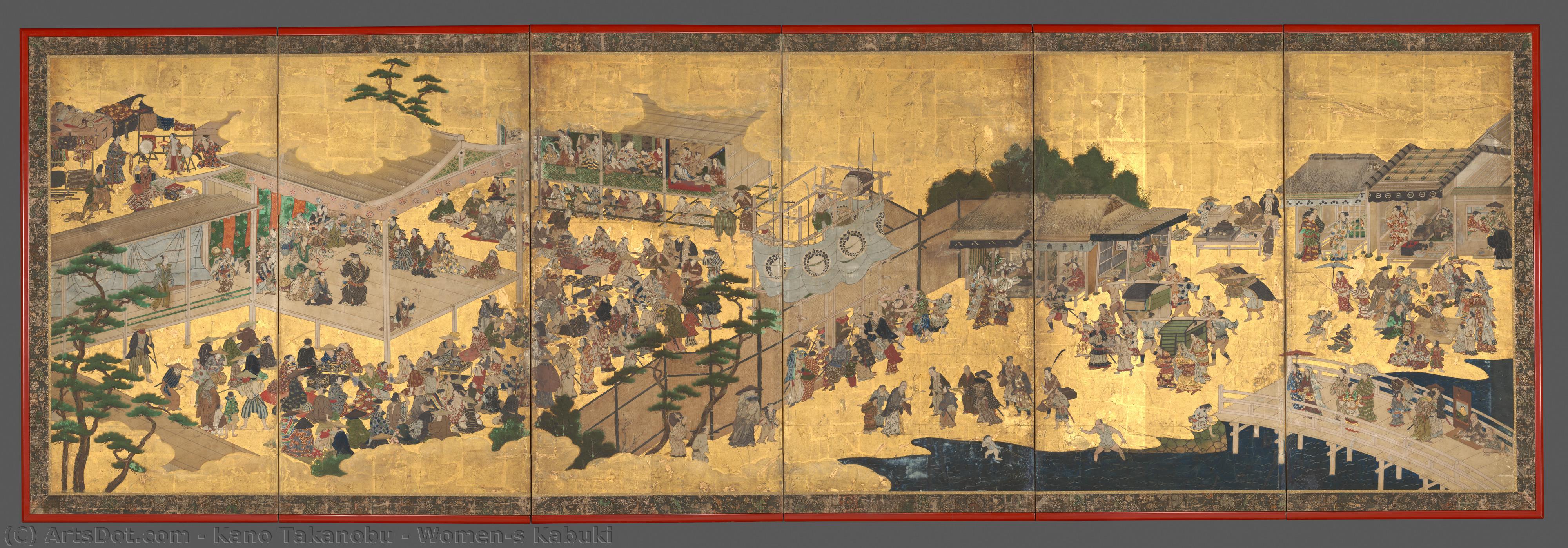
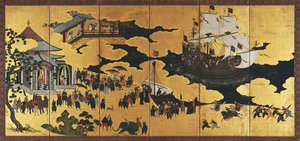
Women’s Kabuki
 1610
1610 80.0 x 268.0 cm
 Читать далее
Приобретите цифровое изображение высокого разрешения в улучшенном качестве, которое значительно превосходит онлайн-превью.
Каждый файл тщательно подготавливается нашими специалистами с использованием передовых инструментов и экспертной ручной ретуши. Мы гарантируем исключительную четкость, точную цветопередачу и детальную проработку каждого изображения.
Финальный файл доставляется по электронной почте в течение 72 часов и оптимизирован для немедленного использования в профессиональной среде, при верстке и печати. Это тот же уровень качества, которому доверяют ведущие дизайнерские студии, издательства и галереи.
Цифровое изображение
Скачайте файл высокого разрешения для личного использования, печати и творческих проектов. ( Перейти к печати Купить картину ручной работы)
Включено в каждый заказ цифровых изображений
Гарантия экспертной цифровой доставки
Выбирая ArtsDot.com, вы получаете не просто изображение — вы приобретаете профессионально обработанное цифровое произведение искусства, созданное с безупречной точностью и под защитой гарантии качества. Вот всё, что автоматически входит в ваш заказ:

Мгновенная доставка по e-mail
Ваш цифровой файл в высоком разрешении будет отправлен вам по электронной почте в течение 72 часов после оформления заказа — и сразу станет доступен для использования.

Цифровой файл с ИИ-улучшением
Ваше произведение искусства проходит профессиональную оптимизацию с использованием передовых инструментов ИИ и ручной обработки, что гарантирует максимальную детализацию, четкость и точность цветопередачи.

Бессрочная бесплатная повторная доставка
Случайно удалили или потеряли файл? Не беспокойтесь — мы отправим его вам повторно в любое время и совершенно бесплатно.

Без импортных пошлин — навсегда
Наслаждайтесь вашим произведением искусства мгновенно без таможенных пошлин, сборов или затрат на доставку — цифровые загрузки всегда не облагаются налогом.

Гарантия точности цветопередачи
Мы гарантируем, что ваше цифровое изображение максимально точно передает оригинальные цвета благодаря использованию профессиональных инструментов и систем управления цветом.

Гарантия удовлетворенности 100 дней
Если вы не будете удовлетворены своим цифровым изображением, мы внесем правки или вернем 100% стоимости в течение 100 дней — без лишних вопросов.

100% Гарантия возврата средств
Не удовлетворены покупкой? Получите полный возврат средств в течение 100 дней после получения цифрового файла — без лишних вопросов.

Скидки на оптовые заказы
Купите 3 изображения, сэкономьте 10% — Купите 5, сэкономьте 15% — Купите 10+, сэкономьте 20%. Отличное решение для творческих проектов, галерей и агентств.
Похожие произведения

Биография художника
Michelangelo Merisi da Caravaggio: A Revolutionary Light
Michelangelo Merisi, more famously known as Caravaggio, remains one of the most compelling and controversial figures in art history. Born in Milan around 1571, his life was a whirlwind of artistic brilliance, violent outbursts, and ultimately, premature death at the age of thirty-eight. His impact on European painting is immeasurable; he shattered established conventions, introducing a radical new approach to realism, dramatic lighting, and psychological depth that profoundly influenced generations of artists. Caravaggio’s story isn't just about his paintings—it’s a tale of ambition, struggle, and a volatile personality forever intertwined with the masterpieces he created.Early Life and Training
Caravaggio’s early life remains somewhat shrouded in mystery. He was born into a modest family – his father, Fermo Merisi, was a household administrator for the Marchese of Caravaggio, a small town in Lombardy. The family moved to Caravaggio itself shortly after Michelangelo's birth, likely seeking refuge from a plague that ravaged Milan. His father’s death when he was just eleven left him and his mother impoverished. He received an apprenticeship with Simone Peterzano, a painter working in the style of Titian, a highly influential figure in Venetian art. This training provided a foundation in traditional techniques but it was during this period that Caravaggio began to develop his own distinctive approach – one characterized by a keen observation of human nature and a willingness to break from established artistic norms. He spent several years honing his skills in Milan before fleeing to Rome in 1592, driven by a combination of restlessness and perhaps a desire for greater opportunity.Rome: Innovation and Controversy
Caravaggio’s arrival in Rome marked the beginning of his meteoric rise as an artist. Initially struggling to find work, he quickly gained recognition for his strikingly realistic depictions of everyday life, particularly his scenes of street life and gambling. His innovative use of *chiaroscuro* – a dramatic contrast between light and dark – became his signature style. He didn’t simply paint light; he used it to sculpt forms, create mood, and draw the viewer directly into the scene. This technique, often described as “tenebrism,” was revolutionary at the time, moving away from the soft, diffused lighting favored by many of his contemporaries. His early works, such as *The Cardsharps* and *Boy Bitten by a Lizard*, demonstrated this mastery, capturing the immediacy and psychological complexity of his subjects with unprecedented intensity. However, Caravaggio’s artistic genius was matched only by his turbulent personality. He was known for his volatile temper, engaging in frequent brawls and earning a reputation as a dangerous man. His life took a dramatic turn when he killed Ranuccio Tommasoni in a street fight in 1599, leading to a death sentence. Fleeing Rome, he found patronage with Cardinal Francesco Maria del Monte, who provided him with lodging and commissions. This period produced some of his most celebrated works – intimate chamber paintings featuring young models, including *The Musicians* and *The Lute Player*. These pieces showcased his ability to capture the beauty and vulnerability of youth while simultaneously exploring themes of sensuality and mortality.Later Travels and Final Years
Caravaggio’s time in Rome was ultimately short-lived. In 1606, he became embroiled in another violent altercation, resulting in a serious injury to his face. Fearing retribution, he fled to Naples, where he continued to paint prolifically, producing works such as *The Entombment of Christ* and *Death of Saint Matthew*. His style evolved somewhat during this period, becoming darker and more dramatic. In 1609, he traveled to Malta, seeking papal pardon for his past crimes. His stay was marked by further violence and ultimately led to his expulsion from the Knights of Malta. He returned to Naples, where a final brawl resulted in severe injuries to his face – an injury that would haunt him until his death. Caravaggio died in Porto Ercole, Tuscany, in 1610, reportedly from fever, though rumors persisted about murder or poisoning.Legacy and Influence
Despite his tragically short life, Caravaggio’s influence on the course of Western art is undeniable. His innovations in realism, dramatic lighting, and psychological portrayal profoundly impacted subsequent generations of painters. Artists such as Peter Paul Rubens, Jusepe de Ribera, Gian Lorenzo Bernini, Diego Velázquez, and Rembrandt – figures separated by time and geography – all acknowledged his profound influence. The term “Caravaggisti” (or “Caravagesques”) was coined to describe the artists who followed in his wake, adopting his distinctive style and techniques. Caravaggio’s work continues to captivate audiences today, not only for its artistic merit but also for its raw emotional power and unsettling realism. He remains a symbol of artistic genius, turbulent passion, and the enduring mystery of the human condition.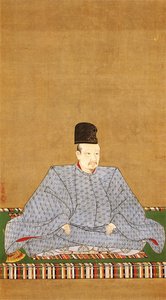
kano takanobu
1571 - 1618 , Japan
Основные сведения
- Artistic Movement Or Style: Baroque, Tenebrism
- Artists Or Movements Influenced By This Artist:
- Rubens
- Rembrandt
- Velázquez
- Artists Who Influenced This Artist:
- Titian
- Giorgione
- Date Of Birth: September 29, 1571
- Date Of Death: July 18, 1610
- Full Name: Michelangelo Merisi da Caravaggio
- Nationality: Italian
- Notable Artworks:
- The Calling of Saint Matthew
- Supper at Emmaus
- David and Goliath
- Death of the Virgin
- Place Of Birth: Milan, Italy