

 Поделиться
 Поделиться
 Детали произведения

 Скачать
 Похожие работы
 Слайд-шоу
 Статистика
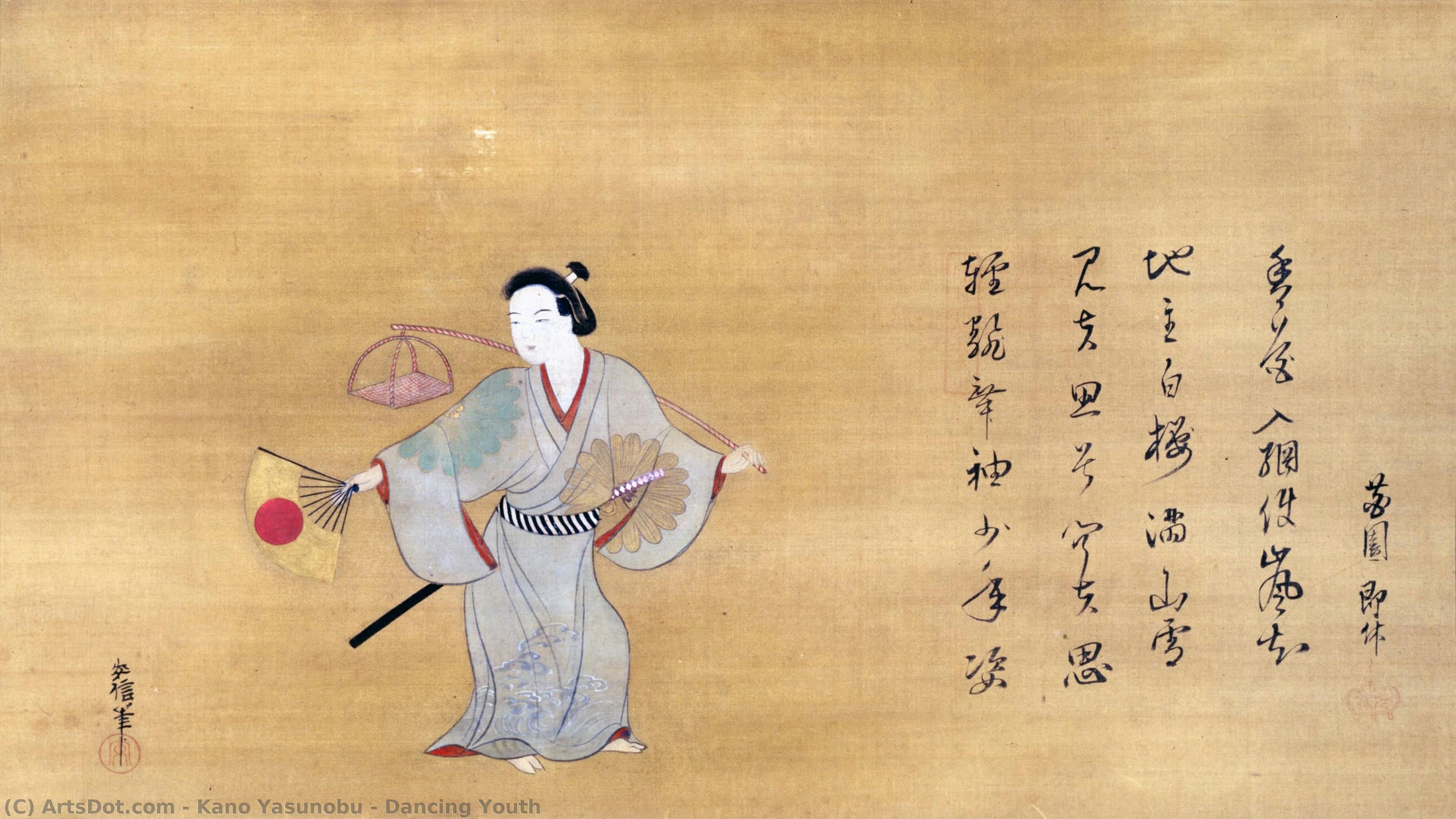
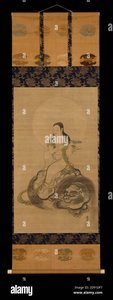
Dancing Youth
 Silk
Silk- Textile
- Kano School
 1685
1685- Early Modern
 54.0 x 31.0 cm
 Aichi Prefectural Museum of Art
 Читать далее
Приобретите цифровое изображение высокого разрешения в улучшенном качестве, которое значительно превосходит онлайн-превью.
Каждый файл тщательно подготавливается нашими специалистами с использованием передовых инструментов и экспертной ручной ретуши. Мы гарантируем исключительную четкость, точную цветопередачу и детальную проработку каждого изображения.
Финальный файл доставляется по электронной почте в течение 72 часов и оптимизирован для немедленного использования в профессиональной среде, при верстке и печати. Это тот же уровень качества, которому доверяют ведущие дизайнерские студии, издательства и галереи.
Цифровое изображение
Скачайте файл высокого разрешения для личного использования, печати и творческих проектов. ( Перейти к печати Купить картину ручной работы)
Включено в каждый заказ цифровых изображений
Гарантия экспертной цифровой доставки
Выбирая ArtsDot.com, вы получаете не просто изображение — вы приобретаете профессионально обработанное цифровое произведение искусства, созданное с безупречной точностью и под защитой гарантии качества. Вот всё, что автоматически входит в ваш заказ:

Мгновенная доставка по e-mail
Ваш цифровой файл в высоком разрешении будет отправлен вам по электронной почте в течение 72 часов после оформления заказа — и сразу станет доступен для использования.

Цифровой файл с ИИ-улучшением
Ваше произведение искусства проходит профессиональную оптимизацию с использованием передовых инструментов ИИ и ручной обработки, что гарантирует максимальную детализацию, четкость и точность цветопередачи.

Бессрочная бесплатная повторная доставка
Случайно удалили или потеряли файл? Не беспокойтесь — мы отправим его вам повторно в любое время и совершенно бесплатно.

Без импортных пошлин — навсегда
Наслаждайтесь вашим произведением искусства мгновенно без таможенных пошлин, сборов или затрат на доставку — цифровые загрузки всегда не облагаются налогом.

Гарантия точности цветопередачи
Мы гарантируем, что ваше цифровое изображение максимально точно передает оригинальные цвета благодаря использованию профессиональных инструментов и систем управления цветом.

Гарантия удовлетворенности 100 дней
Если вы не будете удовлетворены своим цифровым изображением, мы внесем правки или вернем 100% стоимости в течение 100 дней — без лишних вопросов.

100% Гарантия возврата средств
Не удовлетворены покупкой? Получите полный возврат средств в течение 100 дней после получения цифрового файла — без лишних вопросов.

Скидки на оптовые заказы
Купите 3 изображения, сэкономьте 10% — Купите 5, сэкономьте 15% — Купите 10+, сэкономьте 20%. Отличное решение для творческих проектов, галерей и агентств.
A Moment Frozen in Silk: The Grace of Dancing Youth
In the delicate interplay of light and shadow upon silk, Kano Yasunobu captures a fleeting moment of pure, rhythmic vitality. Dancing Youth is not merely a depiction of movement; it is an invitation into the vibrant atmosphere of the Edo period. The painting centers on a solitary figure, a young woman whose presence commands the composition with an effortless elegance. Dressed in traditional Asian attire that flows with her motion, she balances a basket upon her head—a detail that grounds her ethereal dance in the humble, beautiful realities of daily life. Every brushstroke serves to emphasize the fluidity of her form, creating a sense of weightlessness that makes the viewer feel as though they are witnessing a private, sacred ritual of joy.
The mastery of Yasunontobu is evident in his command over the medium of silk, which lends a luminous, translucent quality to the skin tones and the intricate patterns of the garments. As a prominent figure of the Kanō school, Yasunobu utilized a technique characterized by meticulous precision and refined line work. The artist’s ability to balance the structural rigidity required by traditional Japanese aesthetics with the organic, sweeping curves of a dancing body creates a profound visual tension. This technical prowess ensures that the piece remains dynamic; even in its stillness, the painting breathes with the energy of the dancer's momentum.
Historical Resonance and Artistic Legacy
Created in 1685, this work emerges from a transformative era in Japanese art history. Kano Yasunobu, a master of detail and a guardian of tradition, was deeply embedded in the lineage of the Kanō dynasty. While his contemporaries often sought grandiosity, Yasunobu found profound beauty in the nuanced and the intimate. Dancing Youth reflects this dedication to the subtle nuances of life. The painting serves as a window into the cultural landscape of the late 17th century, where the celebration of seasonal rhythms and folk traditions was woven into the very fabric of society.
For the discerning collector or interior designer, this piece offers more than just aesthetic pleasure; it provides a sense of historical continuity. The composition’s focus on a single, expressive subject makes it an ideal centerpiece for spaces that value tranquility and sophisticated storytelling. Whether placed in a contemporary gallery setting or a classic study, the artwork acts as a focal point of calm sophistication. A high-quality reproduction of this masterpiece allows one to bring the quiet, rhythmic soul of the Edo period into a modern environment, offering a timeless connection to the heritage of Japanese silk painting.
Похожие произведения

![Untitled [uwaki No Sō (the Fickle Onethe Fickle One)] — Китагава Утамаро, Impressionistic Style](/media/artworks/images-thumb/46/8e/468eafb3b6da18ad90b6e962513246d1.jpg)

Биография художника
Kano Yasunobu: A Master of Detail and Tradition in the Kanō School
Kano Yasunobu (狩野 安信, 1614 – 1685) stands as a pivotal figure within the illustrious Kanō school of painting, a dynasty renowned for its exquisite detail, refined techniques, and profound influence on Japanese art. Born in Kyoto during the Edo period, Yasunobu’s life was inextricably linked to the legacy of his father, Kano Takanobu, and subsequently shaped by the artistic tutelage of his brothers, particularly the celebrated Tan'yū. While often overshadowed by these more flamboyant talents, Yasunobu’s contribution lies primarily in his meticulous approach to painting, his dedication to preserving and expanding upon Kanō traditions, and most notably, his creation of the seminal training manual, the Gadō Yōketsu – a cornerstone document for generations of Kanō artists.
Yasunobu’s early life was marked by tragedy. His father, Kano Takanobu, died when he was only six years old, thrusting him into a world dominated by his elder brothers. He received his initial artistic training under the guidance of Kano Koi and later benefited from the instruction of Tan'yū and Naonobu. This lineage instilled within him a deep respect for established methods while simultaneously fostering an independent spirit. Unlike his brothers who often embraced innovation, Yasunobu remained steadfastly committed to upholding the rigorous standards of the Kanō school, prioritizing accuracy, precision, and adherence to traditional techniques.
The Gadō Yōketsu: A Legacy of Instruction
Yasunobu’s most enduring legacy resides in his creation of the Gadō Yōketsu (画道要訣, “The Secret Way of Painting”), completed in 1680. This meticulously illustrated manual served as a comprehensive guide to Kanō painting techniques, encompassing everything from brushwork and pigment mixing to composition and subject matter. Prior to its publication, the school’s knowledge was largely transmitted orally, leading to inconsistencies and fragmentation. Yasunobu's work provided a standardized framework, ensuring the continuity of the school’s artistic principles for future generations.
The Gadō Yōketsu is not merely a technical manual; it also functions as a historical record, documenting the evolution of Kanō painting and offering insights into the lives and practices of its masters. It includes detailed depictions of various subjects – birds, flowers, landscapes, Buddhist figures, and mythological scenes – alongside step-by-step instructions for rendering them with unparalleled realism and elegance. The book’s influence extends far beyond the confines of the Kanō school, shaping the development of painting throughout Japan.
Style and Subject Matter
While Yasunobu's style is often described as more restrained than that of his brothers, particularly Tan'yū, it possesses a remarkable clarity and precision. His paintings are characterized by their meticulous attention to detail, subtle gradations of color, and masterful rendering of textures – from the delicate plumage of birds to the shimmering surface of water. He excelled in depicting natural subjects, often choosing scenes of serene beauty featuring fish, lotus flowers, and graceful insects.
Yasunobu’s repertoire included a wide range of subjects, reflecting the diverse interests of the Kanō court. He produced numerous depictions of birds – particularly cranes and sparrows – which became hallmarks of his style. His works also frequently featured scenes from Buddhist mythology, showcasing his understanding of religious symbolism and iconography. His landscapes are notable for their atmospheric perspective and subtle use of color to convey mood and atmosphere.
Historical Significance and Lasting Influence
Kano Yasunobu’s contribution to Japanese art is profound, though often understated. He was a key figure in preserving and transmitting the traditions of the Kanō school during a period of significant change. His dedication to meticulous technique and his creation of the Gadō Yōketsu ensured the continuity of the school's artistic principles for centuries to come.
Despite not achieving the same level of fame as some of his brothers, Yasunobu’s work continues to be admired for its exquisite detail, refined elegance, and enduring legacy. His paintings offer a valuable window into the world of Edo-period Japan, revealing the sophisticated artistic sensibilities of the Kanō school and the profound influence it exerted on Japanese art history. His legacy endures not only through his individual works but also through the countless artists who have studied and learned from the Gadō Yōketsu – a testament to his enduring contribution to the world of painting.
kano yasunobu
1614 - 1685 , Japan
Основные сведения
- Artistic Movement Or Style: Kanō School Painting
- Artists Or Movements Influenced By This Artist: ["Kanō Tan'yū"]
- Artists Who Influenced This Artist:
- Kanō Takanobu
- Kanō Sadanobu
- Date Of Birth: January 10, 1614
- Date Of Death: October 1, 1685
- Full Name: Kanō Yasunobu (狩野 安信)
- Nationality: Japanese
- Notable Artworks:
- Gadō Yōketsu
- Bugaku Dancers & Fish
- Fish and Lotus
- Place Of Birth: Kyoto, Japan