

 Предпросмотр
 Поделиться
 Поделиться
 Детали произведения

 Скачать
 Похожие работы
 Рентгенография
 Слайд-шоу
 Статистика
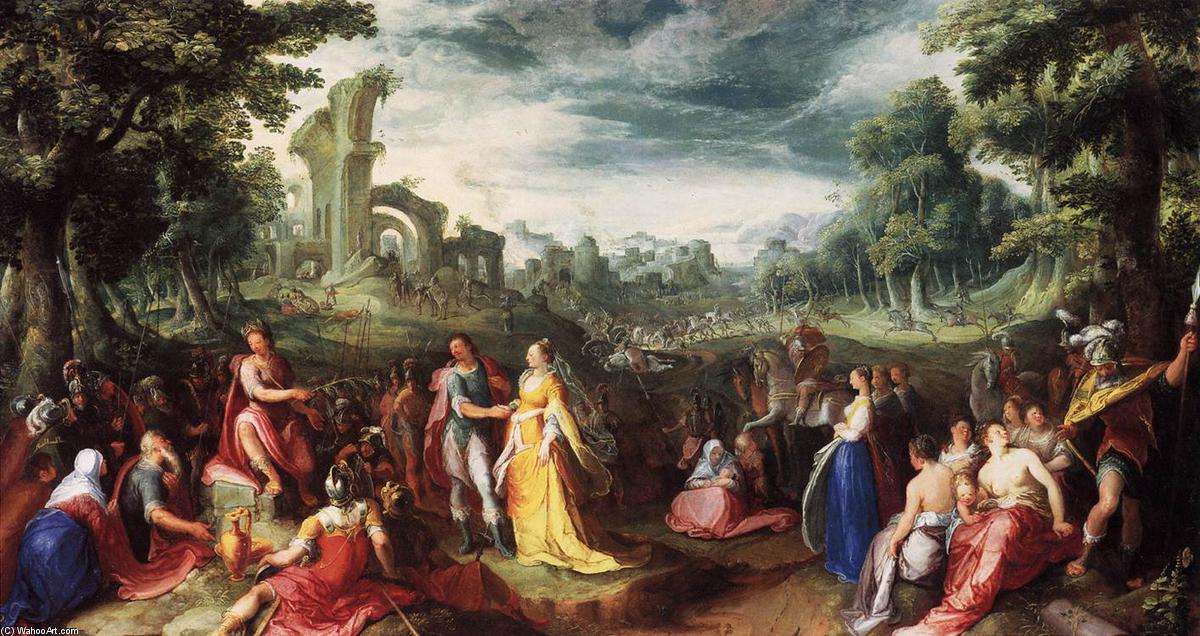
The Continence of Scipio
 Oil On Copper
- Northern Mannerism
 1600
1600 44.0 x 79.0 cm
 Рейксмюзеум
 Читать далее
Масляная репродукция ручной работы
Картина маслом на холсте в выбранном вами размере и раме, написанная на заказ нашими художниками. ( Перейти к печати Перейти к цифровым изображениям)




P118B $10

P118H $10

P118W $10

P438Z $10

P508JH $12

P508YH $12

P805H $10

P805Z $10

P919BZ $10

P919G $10

P919XJ $10

P959ZH $10

P968JZ $12

W106C $8

W218G $10

W218JH $8

W218Y $10

W307PJ $10

W316G $10

W316PJ $8

W316Y $10

W398PJ $8

W4111J $10

W500HY $15

W500JH $15

W692G $12

W849H $8

W940BG $15

W953PJ $8




Выберите один из наших стандартных размеров, соответствующих оригинальным пропорциям произведения искусства.

Вы можете указать собственные размеры, чтобы картина идеально вписалась в выбранную раму или пространство. Если выбранный вами размер не соответствует пропорциям оригинала, мы либо обрежем полотно, либо расширим его за счет дополнительных элементов, написанных вручную. Цифровой макет будет отправлен вам на утверждение перед началом производства.
Обратите внимание, что предварительный просмотр на экране не отражает фактическую обрезку или расширение. Только макет точно покажет окончательную композицию.
Хотя доступны индивидуальные размеры, мы рекомендуем выбирать вариант из предопределенного списка, чтобы сохранить исходные пропорции.
После оформления заказа команда ArtsDot.com свяжется с клиентом по электронной почте для уточнения деталей и предоставит предварительный макет
Доставка по всему миру () за 3–4 недели вместо стандартных 5 недель. (11 Сентябрь). Без компромиссов в качестве.

Бесплатная экспресс-доставка по всему миру

Высококачественный льняной холст

Полное страхование доставки

Гарантия возмещения таможенных пошлин

Гарантия точного соответствия цветов

100-дневная политика возврата (только при обнаружении дефектов)

Гарантия возврата 100% средств

Предложение оптовых скидок
 Вариант со стеклом доступен только для размеров менее 110 см

The Continence of Scipio
Техника репродукции
Размер репродукции
-


Итоговая стоимость
$ 263
A Moment of Magnanimity: Unveiling Karel van Mander’s “The Continence of Scipio”
Karel van Mander's "The Continence of Scipio," painted in 1600, isn’t merely a depiction of a historical event; it’s a profound meditation on leadership, generosity, and the enduring power of human kindness. This oil-on-copper masterpiece, now residing within the hallowed halls of the Rijksmuseum in Amsterdam, transports us to a pivotal moment in Roman history – the return of General Scipio Africanus after his legendary victory over Hannibal at Zama. More than just a battle scene, it’s a carefully constructed narrative brimming with symbolism and reflecting the artistic sensibilities of the Northern Renaissance.
Van Mander, a renowned art historian as well as painter, meticulously rendered this scene based on accounts from ancient historians like Polybius and Livy. The core story revolves around Scipio's encounter with the young woman, a captive of war, who was promised to Allucius, the leader of a conquered tribe. Instead of claiming her as his prize – a common practice among victorious generals – Scipio demonstrated remarkable restraint, returning her unharmed to her family and declaring that her ransom should be used as a wedding gift for her fiancé. This act of magnanimity, a testament to his character and judgment, became a celebrated example of virtuous leadership throughout the centuries.
A Symphony of Color and Light: Van Mander’s Technique
The painting's visual impact is immediately arresting, largely due to Van Mander’s masterful use of oil paint on copper. This medium allowed for rich, vibrant colors and a remarkable level of detail – particularly evident in the figures themselves. The foreground, dominated by Scipio in his crimson tunic and flowing cloak, is bathed in a warm, directional light that sculpts his form and draws the viewer's eye directly to him. The background, depicting Carthage with its imposing columns and arches, is rendered in cooler tones, creating a sense of depth and distance.
Notice how Van Mander employs *chiaroscuro* – the dramatic contrast between light and shadow – to heighten the three-dimensionality of the scene. The figures are not simply flat representations; they possess volume and presence, conveying a palpable sense of movement and emotion. The meticulous attention to detail extends to the textures of the clothing, the armor of the soldiers, and even the expressions on the faces of the onlookers, all contributing to the painting’s immersive quality.
Symbolism and Narrative Depth
Beyond the straightforward depiction of the event, “The Continence of Scipio” is laden with symbolic meaning. Scipio's gesture – pointing towards the kneeling father – represents his offering of generosity and goodwill. The exchange of gifts between the family and Allucius symbolizes a reconciliation and a promise of future peace. The presence of the young woman herself embodies virtue, modesty, and the value of human life—qualities highly prized in Renaissance thought.
The inclusion of the Carthaginian architecture in the background subtly reminds us of the conflict that has just been resolved, highlighting the importance of diplomacy and restraint over brute force. It’s a powerful statement about the potential for even enemies to find common ground through acts of kindness and understanding.
A Legacy of Virtue: The Painting's Enduring Appeal
“The Continence of Scipio” resonated deeply with its contemporary audience, serving as an ideal for civic leaders and a reminder of the importance of moral leadership. It was frequently reproduced and incorporated into town halls and government buildings throughout the Dutch Republic – a testament to its enduring appeal. Today, this painting continues to captivate viewers with its dramatic composition, exquisite detail, and profound message. It’s not simply a historical record; it's a timeless exploration of human nature—a celebration of generosity, wisdom, and the transformative power of a single act of compassion.
Похожие произведения
Биография художника
Early Life and Training
- Born: Mellebeke, Belgium (1548)
- Died: 1606
- Karel van Mander was born into a noble family in Meulebeke, County of Flanders.
- He received his early artistic training under Lucas de Heere in Ghent (1568-1569) and subsequently with Pieter Vlerick in Kortrijk.
- Early on, he also engaged in writing religious plays and designing scenery for them.
Travels and Artistic Development
- Rome (1574-1577): Van Mander spent three years in Rome, where he encountered classical art and developed his artistic style. The biographical sketch mentions him as the "discoverer of caves," possibly referring to the catacombs.
- Vienna: During a return journey from Italy, he collaborated with Bartholomeus Spranger and Hans Mont on creating a triumphal arch for Emperor Rudolf II's royal entry. This experience exposed him further to Mannerist influences.
Settlement in Haarlem and Artistic Leadership
- Haarlem (1583): Due to religious troubles and the plague, Van Mander settled in Haarlem, Dutch Republic.
- City Art Inventory: He was commissioned by the city fathers of Haarlem to inventory confiscated Catholic art after the Satisfactie van Haarlem. This work formed a basis for his later writings.
- Founder of an Academy: Together with Hubertus Goltzius and Cornelis van Haarlem, he founded an "academy to study after life," which fostered artistic discussion and possibly included drawing classes.
The *Schilder-boeck* and Art Historical Significance
- Major Work: Van Mander is primarily remembered for his *Schilder-boeck* (Book of Painters), a biographical dictionary of Early Netherlandish and Northern Renaissance artists.
- Influence on Mannerism: His dissemination of drawings by Bartholomeus Spranger, through engravings by Hubertus Goltzius, significantly contributed to the spread of Northern Mannerism in the Dutch Republic.
- Art Theorist: He played a crucial role in art theorization during the 16th century, emphasizing style and cultivated elegance over naturalism. His theories promoted exaggerated musculature, dramatic scenes, and rich detail.
Legacy and Artistic Style
- Northern Mannerism Pioneer: Karel van Mander is considered a key figure in the development of Northern Mannerism.
- Influence on Dutch Art: He significantly influenced artists in Haarlem and beyond, shaping the artistic landscape of the Dutch Republic.
- Artistic Characteristics: His own paintings often featured historical allegories characterized by a strong awareness of style, cultivated elegance, and a preference for dramatic compositions.
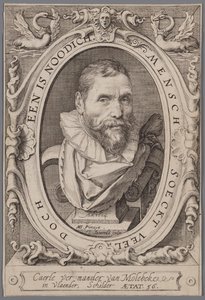
Karel van Mander
1548 - 1606 , Belgium
Основные сведения
- Artistic Movement Or Style: Northern Mannerism
- Artists Or Movements Influenced By This Artist:
- Hendrick Goltzius
- Cornelis van Haarlem
- Artists Who Influenced This Artist:
- Lucas de Heere
- Pieter Vlerick
- Bartholomeus Spranger
- Date Of Birth: May 1548
- Date Of Death: September 2, 1606
- Full Name: Karel van Mander
- Nationality: Flemish
- Notable Artworks:
- Diana and Actaeon
- Allegory of Nature
- Garden of Love
- Before the Flood
- Place Of Birth: Meulebeke, Belgium
Похожие статьи

The Enduring Legacy of Oil on Canvas: Technique, History & Aesthetic Impact
Explore the rich history & techniques of oil painting – from Renaissance masters to Impressionism. Discover pigments, layering methods, and why this timeless medium endures. Expert insights for artists & art enthusiasts.

Oil on Canvas: A Historical & Technical Exploration of a Timeless Artistic Medium
Explore the rich history & enduring techniques of oil painting on canvas. Discover the science behind its longevity, conservation practices, and contemporary relevance. Expert insights for art enthusiasts.
Топ-10 шедевров Раннего Нидерландского Возрождения: искусство для вашего дома
Погрузитесь в мир Раннего Нидерландского Возрождения! Узнайте истории создания шедевров Яна ван Эйка, Кампена и других великих мастеров. Купите высококачественные репродукции картин для вашего интерьера на ArtsDot.com.

Рембрандт ван Рейн: Топ-25 шедевров великого голландского мастера | ArtsDot
Погрузитесь в мир великого Рембрандта! 25 шедевров голландского барокко, истории создания картин и уникальные техники художника. Купите репродукции картин Рембрандта высочайшего качества для вашего интерьера на ArtsDot.com

10 Шедевров Раннего Нидерландского Живописи: История Искусства в Вашем Интерьере
Погрузитесь в мир Раннего нидерландского живописи! Откройте 10 шедевров Яна ван Эйка, Рогира ван дер Вейдена и других мастеров. История искусства, техника исполнения и вдохновение для вашего интерьера на ArtsDot.com.