

 Предпросмотр
 Поделиться
 Поделиться
 Детали произведения

 Скачать
 Похожие работы
 Рентгенография
 Слайд-шоу
 Статистика
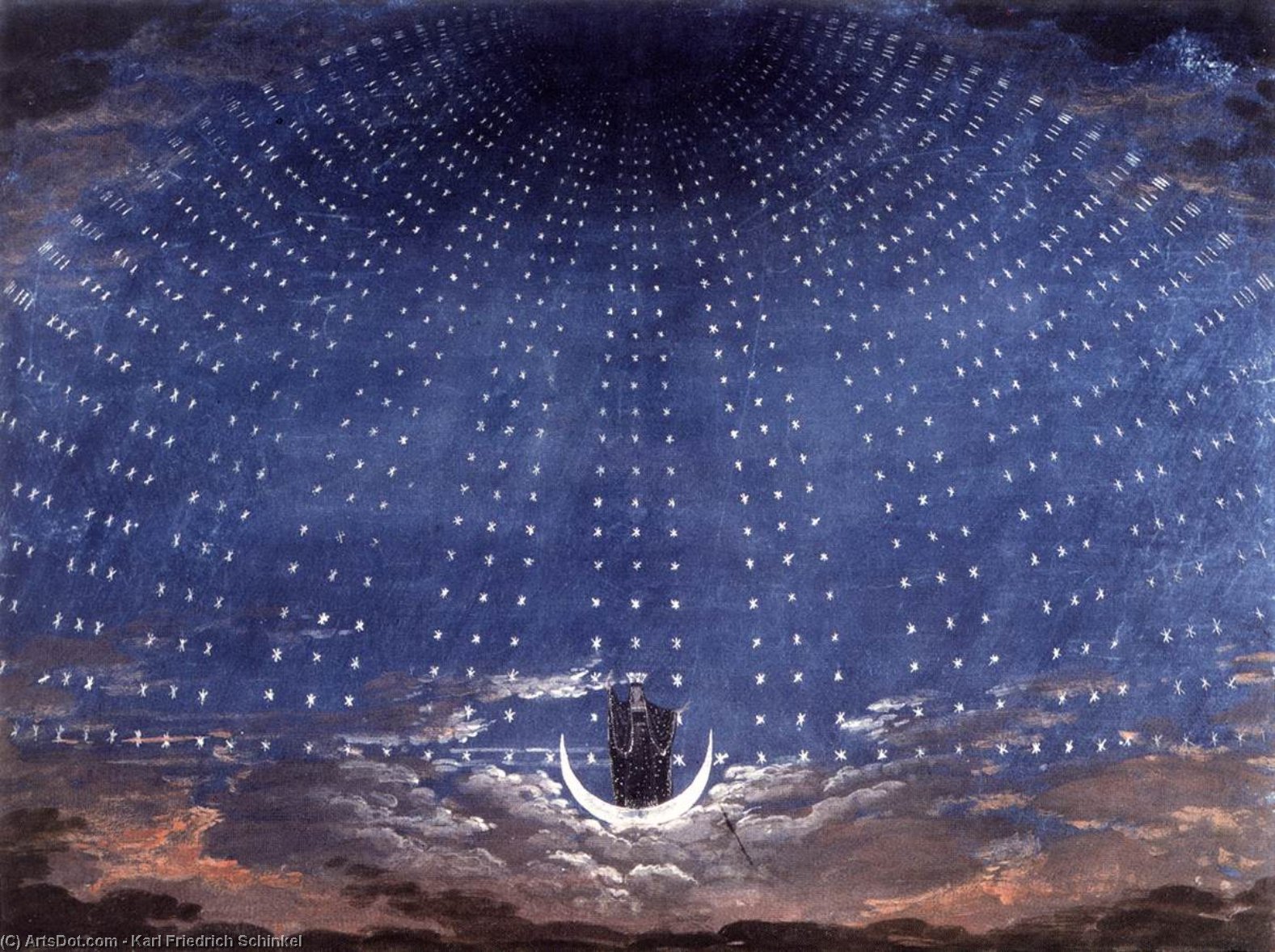
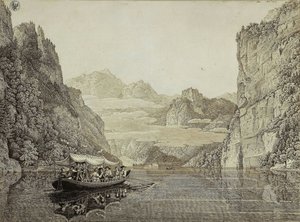
Stage set for Mozart's Magic Flute
 Tempera
- Neoclassical Revival
 1815
1815- 19th Century
 463.0 x 616.0 cm
 Стейтлешские музеи Берлина
 Читать далее
Приобретите цифровое изображение высокого разрешения в улучшенном качестве, которое значительно превосходит онлайн-превью.
Каждый файл тщательно подготавливается нашими специалистами с использованием передовых инструментов и экспертной ручной ретуши. Мы гарантируем исключительную четкость, точную цветопередачу и детальную проработку каждого изображения.
Финальный файл доставляется по электронной почте в течение 72 часов и оптимизирован для немедленного использования в профессиональной среде, при верстке и печати. Это тот же уровень качества, которому доверяют ведущие дизайнерские студии, издательства и галереи.
Цифровое изображение
Скачайте файл высокого разрешения для личного использования, печати и творческих проектов. ( Перейти к печати Купить картину ручной работы)
Включено в каждый заказ цифровых изображений
Гарантия экспертной цифровой доставки
Выбирая ArtsDot.com, вы получаете не просто изображение — вы приобретаете профессионально обработанное цифровое произведение искусства, созданное с безупречной точностью и под защитой гарантии качества. Вот всё, что автоматически входит в ваш заказ:

Мгновенная доставка по e-mail
Ваш цифровой файл в высоком разрешении будет отправлен вам по электронной почте в течение 72 часов после оформления заказа — и сразу станет доступен для использования.

Цифровой файл с ИИ-улучшением
Ваше произведение искусства проходит профессиональную оптимизацию с использованием передовых инструментов ИИ и ручной обработки, что гарантирует максимальную детализацию, четкость и точность цветопередачи.

Бессрочная бесплатная повторная доставка
Случайно удалили или потеряли файл? Не беспокойтесь — мы отправим его вам повторно в любое время и совершенно бесплатно.

Без импортных пошлин — навсегда
Наслаждайтесь вашим произведением искусства мгновенно без таможенных пошлин, сборов или затрат на доставку — цифровые загрузки всегда не облагаются налогом.

Гарантия точности цветопередачи
Мы гарантируем, что ваше цифровое изображение максимально точно передает оригинальные цвета благодаря использованию профессиональных инструментов и систем управления цветом.

Гарантия удовлетворенности 100 дней
Если вы не будете удовлетворены своим цифровым изображением, мы внесем правки или вернем 100% стоимости в течение 100 дней — без лишних вопросов.

100% Гарантия возврата средств
Не удовлетворены покупкой? Получите полный возврат средств в течение 100 дней после получения цифрового файла — без лишних вопросов.

Скидки на оптовые заказы
Купите 3 изображения, сэкономьте 10% — Купите 5, сэкономьте 15% — Купите 10+, сэкономьте 20%. Отличное решение для творческих проектов, галерей и агентств.
Stage Set for Mozart’s Magic Flute – A Celestial Reflection of Artistic Vision
Karl Friedrich Schinkel's "Stage set for Mozart’s Magic Flute" transcends mere architectural design; it embodies a profound engagement with Romantic idealism and the pursuit of sublime beauty. Executed in 1815, this monumental canvas—measuring an impressive 463 x 616 cm—represents Schinkel’s ambitious interpretation of Wolfgang Amadeus Mozart's opera masterpiece, specifically Scene 6 of Act 1: The Hall of Stars within the Palace of the Queen of the Night. More than just a backdrop for performance, it stands as a testament to Schinkel’s unwavering belief in the transformative power of art and its ability to elevate the human spirit.- Style & Technique: Schinkel's approach firmly anchors itself within Neoclassical principles, albeit infused with elements of Gothic Revival—a stylistic duality that reflects the broader artistic currents of his era. The painting utilizes tempera on canvas, a technique favored for its luminosity and durability, allowing for meticulous detail and capturing the ethereal glow of moonlight illuminating the celestial expanse.
- Historical Context: Created during the Napoleonic Wars, “Stage Set” speaks to Prussia’s yearning for grandeur and cultural prestige. Schinkel sought to rival the architectural achievements of France under Napoleon, demonstrating a commitment to reviving classical ideals amidst turbulent political times. The artwork's commission underscores the importance placed on artistic patronage within the royal court.
- Detailed Observation: Schinkel meticulously studied astronomical charts to accurately portray the constellations visible during that period, reflecting the scientific advancements of his time alongside artistic sensibilities. This dedication to realism contributes to the painting’s immersive quality, transporting viewers into a realm of ethereal beauty.
- Emotional Impact: The artwork evokes feelings of serenity and wonder—a deliberate aim by Schinkel to inspire awe and contemplation. It serves as a reminder that art can transcend mere representation, capturing intangible emotions and conveying profound ideas.
Похожие произведения


Биография художника
Karl Friedrich Schinkel (1781–1841): Prussia’s Leading Architect & Painter
Karl Friedrich Schinkel, born in Neuruppin, Germany, in 1781, stands as an unparalleled figure within the panorama of 19th-century art and architecture. His life unfolded as a compelling chronicle interwoven with threads of personal adversity and professional triumph—a narrative unfolding against the backdrop of shifting political landscapes and burgeoning artistic movements. The devastating fire that consumed Neuruppin in 1787, tragically claiming his father’s life during Schinkel's formative years, instilled within him an indelible appreciation for order, permanence, and the enduring power of form—qualities that would subsequently define his artistic vision. This early experience undoubtedly nurtured a meticulous precision and emotional resonance characteristic of his mature oeuvre. He received initial mentorship under Friedrich Gilly and his father David Gilly, both influential architects in Berlin, absorbing their classical precepts while simultaneously encountering more experimental currents – a crucial confluence shaping his evolving aesthetic sensibilities. These foundational years furnished Schinkel with an unwavering grasp of architectural history and technique, preparing him for the momentous decisions that lay ahead.Early Influences and Artistic Aspirations
Schinkel’s artistic inclinations initially gravitated toward painting, demonstrating considerable talent in landscape and portraiture. However, a pivotal juncture arrived during an exhibition in Berlin in 1810—an encounter with Caspar David Friedrich’s iconic *Wanderer above the Sea of Fog*. The sheer emotive depth and masterful execution displayed by Friedrich’s artwork provoked a moment of profound self-assessment within Schinkel. Recognizing that his own artistic predilections did not align with attaining such heights in painting, he decisively pivoted toward architecture—a decision rooted not merely in professional practicality but in an instinctive understanding of where his true creative energies resided. This transition wasn't simply a change of vocation; it represented a testament to Schinkel’s intellectual honesty and unwavering commitment to pursuing excellence where his innate talents shone brightest. He possessed a keen awareness of artistic tradition, yet simultaneously harbored aspirations for innovation—a duality that would characterize his architectural endeavors throughout his illustrious career. His formative years under Gilly instilled in him not only technical proficiency but also an appreciation for the expressive potential inherent within geometric forms and spatial arrangements.From Classical Roots to Gothic Revival: A Synthesis of Styles
Schinkel’s architectural style is remarkably complex, embodying a sophisticated synthesis of diverse influences—a stylistic hallmark that distinguishes him from many contemporaries. While firmly anchored in Neoclassical principles—a reaction against the perceived excesses of Baroque and Rococo—he transcended mere stylistic imitation, embracing instead the grandeur and solemnity of Greek architectural ideals. This embrace of Greek Revival wasn’t solely driven by aesthetic preference; it reflected Schinkel's conviction that architecture should embody both structural integrity and poetic resonance—engaging with history while simultaneously evoking profound emotion. Yet, he refused to confine his artistic explorations to a single stylistic paradigm. He demonstrated an exceptional aptitude for the Gothic Revival style, exemplified in monumental structures such as Schloss Rosenau and Friedrichswerder Church—works that showcased his mastery of intricate ornamentation and spatial illusion. Schinkel’s designs were characterized by meticulous attention to detail, innovative utilization of materials, and a profound comprehension of spatial relationships—elements that elevated his creations beyond mere architectural constructions into immersive experiences for the viewer. He skillfully blended classical restraint with Gothic exuberance, creating buildings that captivated audiences with their grandeur and spiritual depth.Monumental Achievements: Shaping Berlin’s Identity
Schinkel’s legacy is indelibly imprinted upon the cityscape of Berlin—a testament to his transformative vision as state architect and urban planner. The Neue Wache (1816–1818), conceived as a memorial to Prussian soldiers who perished in Napoleonic Wars, stands as an exemplar of Neoclassical elegance and dignified solemnity—a building that embodies Schinkel’s belief in the power of architecture to commemorate history and inspire civic virtue. Similarly, the National Monument for the Liberation Wars (1818–1821) commemorates Prussia's triumph over Napoleon with monumental scale and sculptural grandeur—a testament to Schinkel’s ability to convey emotion through architectural form. The Schauspielhaus (1819–1821), rebuilt on Gendarmenmarkt following a devastating fire, exemplifies Schinkel’s refined theatrical design—a building that harmoniously blends classical aesthetics with functional considerations. Beyond these iconic landmarks, Schinkel spearheaded the ambitious redevelopment of Berlin's central squares and boulevards—transforming the city into a modern metropolis while preserving its historical character. His visionary planning ensured that Berlin would become a beacon of cultural innovation and civic pride for generations to come.A Lasting Influence: Beyond Form and Function
Karl Friedrich Schinkel’s influence extends far beyond the physical structures he erected—reaching into the realm of architectural theory and artistic practice. He disseminated his ideas through publications like *Sammlung architektonischer Entwürfe* (1820–1837) and *Werke der höheren Baukunst* (1840–1846)—works that provided invaluable insights into his design principles and construction techniques—influencing subsequent generations of architects. Though constrained by political circumstances and tragically cut short by his untimely demise in 1841, Schinkel remains a pivotal figure in German architectural history—a man who irrevocably shaped the aesthetic landscape of his era and whose legacy continues to inspire awe and admiration today. His buildings are not merely repositories of stone and mortar; they are embodiments of artistic vision—testaments to a creative genius that transcended temporal boundaries and cemented Schinkel’s place among the titans of nineteenth-century art and architecture.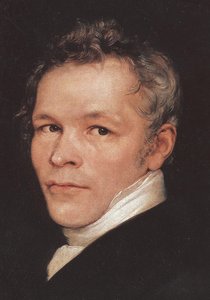
Карл Фридрих Шинкель
1781 - 1841 , Германия
Основные сведения
- Artistic Movement Or Style: Неоклассицизм и Готический ревиваль
- Artists Or Movements Influenced By This Artist: ['Современная архитектура']
- Artists Who Influenced This Artist:
- Фридрих Гилли
- Каспар Давид Фридрих
- Date Of Birth: 1781 г.
- Date Of Death: 1841 г.
- Full Name: Karl Friedrich Schinkel
- Nationality: Прусский
- Notable Artworks:
- Новая Ваха
- Альте Музеум
- Бауакадемия
- Place Of Birth: Берлин, Германия