

 Предпросмотр
 Поделиться
 Поделиться
 Детали произведения

 Скачать
 Похожие работы
 Рентгенография
 Слайд-шоу
 Статистика
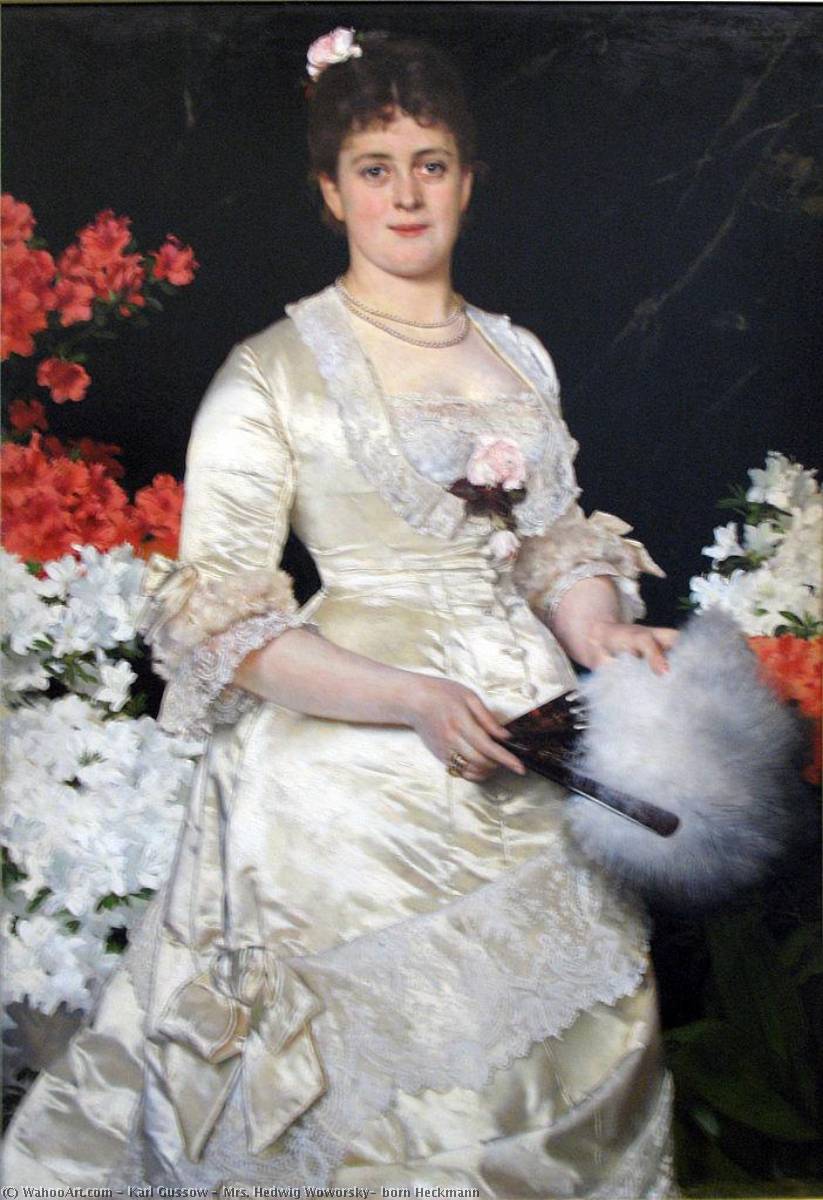
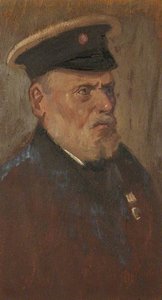
Mrs. Hedwig Woworsky, born Heckmann

 Читать далее
Жикле / Арт-принт
Печать (жикле) или холст музейного качества с быстрыми сроками изготовления и широким выбором вариантов отделки. ( Купить картину ручной работы Перейти к цифровым изображениям)




































Выберите один из наших стандартных размеров, соответствующих оригинальным пропорциям произведения искусства.

Вы можете указать свои собственные размеры, чтобы репродукция идеально подошла под конкретную раму или пространство. Если выбранный вами размер не будет соответствовать пропорциям оригинала, мы либо обрежем произведение, либо дополним изображение зеркальным отражением краев или однотонной заливкой. Перед началом производства вам будет отправлен цифровой макет для утверждения.
Пожалуйста, обратите внимание, что предварительный просмотр на экране не отображает фактическую обрезку или расширение изображения. Только макет точно покажет финальную композицию.
Несмотря на возможность заказа индивидуальных размеров, мы рекомендуем выбирать размер из предопределенного списка, чтобы сохранить оригинальные пропорции.
Доставка по всему миру () за 2 недели вместо стандартных 4/5 недель. (12 Сентябрь)

Бесплатная экспресс-доставка по всему миру

Высококачественный льняной холст

Полное страхование доставки

Гарантия возмещения таможенных пошлин

Гарантия точного соответствия цветов

100-дневная политика возврата (только при обнаружении дефектов)

Гарантия возврата 100% средств

Предложение оптовых скидок
 Вариант со стеклом доступен только для размеров менее 110 см

Mrs. Hedwig Woworsky, born Heckmann
Жикле / Арт-принт
Размер репродукции
-


Итоговая стоимость
$ 62
Похожие произведения






Биография художника
A Life Immersed in Portraiture: The World of Karl Gussow
Karl Gussow, born in 1843 and passing away in 1907, occupies a fascinating, often understated position within the landscape of late 19th-century German painting. While not achieving the widespread renown of some contemporaries, his work – particularly his intimate portraits – offers a compelling window into the psychological complexities of the Victorian era and the burgeoning Symbolist movement. Gussow’s artistic journey was one deeply rooted in observation, a meticulous study of character, and an evolving sensitivity to the emotional currents beneath the surface of societal convention. He wasn't merely recording likenesses; he was attempting to capture something of the *soul* of his sitters, often women from the middle and upper classes of Berlin society. His dedication to this pursuit led him to become a highly sought-after portraitist, though his artistic ambitions extended beyond simple representation.Early Training and Artistic Development
Gussow’s formal training began at the Prussian Academy of Arts in Berlin, an institution steeped in tradition and focused on academic realism. However, he quickly found himself drawn to a more nuanced approach than the rigid standards often enforced. He supplemented his academy studies with private lessons and extensive self-directed exploration, absorbing influences from Dutch Masters like Rembrandt and Frans Hals – artists renowned for their masterful use of light and shadow and their ability to convey psychological depth. This early exposure to the Northern Renaissance tradition is evident in Gussow’s handling of texture, color, and his commitment to portraying individual character. He also traveled extensively throughout Italy, absorbing the atmosphere and artistic heritage of the region, though he ultimately returned to Berlin, believing that his true subject matter lay within the lives unfolding around him. It was during this period that he began to develop a distinctive style characterized by soft brushwork, muted palettes, and an emphasis on capturing fleeting moments of introspection.The Portraits: Windows into Victorian Psychology
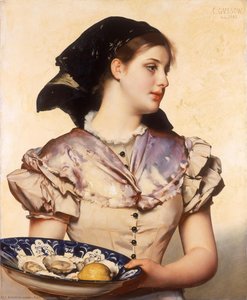
Gussow’s reputation rests primarily upon his portraits, which number over two hundred works. These are not grand, ostentatious displays of wealth or status; rather, they are intimate studies of individuals – often women – caught in moments of quiet contemplation. “The Oyster Girl”, perhaps his most famous work, exemplifies this approach. The young woman’s gaze is direct yet melancholic, her expression hinting at a hidden vulnerability beneath a veneer of composure. Similarly, “Mrs. Hedwig Woworsky” reveals a subject lost in thought, the subtle play of light and shadow accentuating the lines of worry etched upon her face. Gussow's skill lay not just in technical proficiency but in his ability to establish a rapport with his sitters, coaxing out their inner lives onto canvas. He eschewed elaborate backgrounds or symbolic props, focusing instead on the sitter’s face, hands, and posture as primary vehicles for conveying emotion.Symbolism and Realism: A Delicate Balance
While firmly rooted in realism, Gussow's work also displays a subtle but significant engagement with Symbolist themes. He wasn’t an overtly “Symbolist” painter in the manner of Gustave Moreau or Odilon Redon; his symbolism is more understated, woven into the fabric of everyday life rather than presented as explicit allegories. The recurring motifs of pearls – often associated with purity and hidden beauty – and oysters – representing both fragility and potential – suggest a preoccupation with themes of female identity, societal expectations, and the complexities of inner experience. His portraits can be seen as explorations of the psychological burdens placed upon women in Victorian society, hinting at suppressed desires, unspoken anxieties, and the limitations imposed by social convention. This delicate balance between realism and symbolism is what sets Gussow apart from many of his contemporaries, imbuing his work with a unique emotional resonance.Legacy and Historical Significance
Karl Gussow’s influence, though not widely celebrated in mainstream art history, can be detected in the works of later portraitists who sought to move beyond mere representation. His emphasis on psychological depth and his sensitive portrayal of female subjects paved the way for a more nuanced understanding of Victorian society and the inner lives of its inhabitants.- His work provides valuable insight into the social and cultural context of late 19th-century Berlin.
- Gussow’s portraits offer a compelling alternative to the often idealized depictions of women prevalent in academic art.
- The subtle symbolism embedded within his paintings continues to fascinate and intrigue viewers today.
karl gussow
1843 - 1907
Основные сведения
- Artistic Movement Or Style: Realism
- Artists Or Movements Influenced By This Artist: ['Anton von Werner']
- Artists Who Influenced This Artist:
- Arthur von Ramberg
- Ferdinand Pauwels
- Date Of Birth: February 25, 1843
- Full Name: Karl Gussow
- Nationality: German
- Notable Artworks:
- The Oyster Girl
- Mrs. Hedwig Woworsky
- Place Of Birth: Havelberg, Germany