

 Предпросмотр
 Поделиться
 Поделиться
 Детали произведения

 Скачать
 Похожие работы
 Рентгенография
 Слайд-шоу
 Статистика
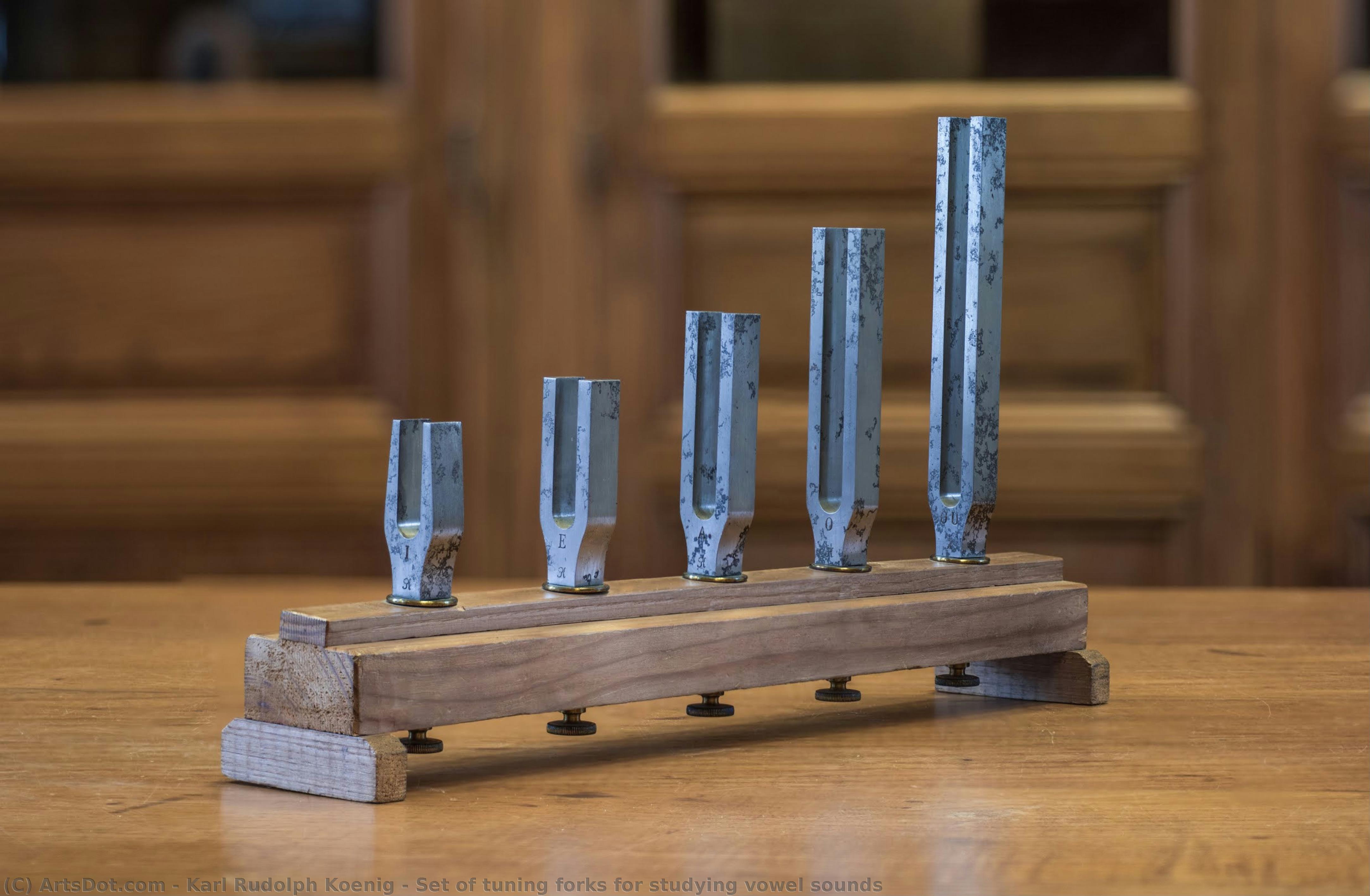
Set of tuning forks for studying vowel sounds


 Читать далее
Жикле / Арт-принт
Печать (жикле) или холст музейного качества с быстрыми сроками изготовления и широким выбором вариантов отделки. ( Купить картину ручной работы Перейти к цифровым изображениям)




































Выберите один из наших стандартных размеров, соответствующих оригинальным пропорциям произведения искусства.

Вы можете указать свои собственные размеры, чтобы репродукция идеально подошла под конкретную раму или пространство. Если выбранный вами размер не будет соответствовать пропорциям оригинала, мы либо обрежем произведение, либо дополним изображение зеркальным отражением краев или однотонной заливкой. Перед началом производства вам будет отправлен цифровой макет для утверждения.
Пожалуйста, обратите внимание, что предварительный просмотр на экране не отображает фактическую обрезку или расширение изображения. Только макет точно покажет финальную композицию.
Несмотря на возможность заказа индивидуальных размеров, мы рекомендуем выбирать размер из предопределенного списка, чтобы сохранить оригинальные пропорции.
Доставка по всему миру () за 2 недели вместо стандартных 4/5 недель. (13 Сентябрь)

Бесплатная экспресс-доставка по всему миру

Высококачественный льняной холст

Полное страхование доставки

Гарантия возмещения таможенных пошлин

Гарантия точного соответствия цветов

100-дневная политика возврата (только при обнаружении дефектов)

Гарантия возврата 100% средств

Предложение оптовых скидок
 Вариант со стеклом доступен только для размеров менее 110 см

Set of tuning forks for studying vowel sounds
Жикле / Арт-принт
Размер репродукции
-


Итоговая стоимость
$ 62
Похожие произведения










Биография художника
The Resonance of a Scientific Heritage
In the historic streets of Königsberg, where the analytical rigor of Prussia met the delicate melodies of tradition, Karl Rudolph Koenig was born into a world defined by precision and harmony. The son of a mathematics professor and a mother steeped in musical craftsmanship, his very existence was an intersection of two seemingly disparate disciplines. This dual inheritance—the mathematical mind of the scientist and the sensitive ear of the musician—would become the cornerstone of his legendary career. GrowingKoenig’s early years were shaped by a familial environment that nurtured a profound spirit of inquiry. His father, Johann Friedrich Koenig, provided a robust intellectual foundation, while his mother, Mathilde, instilled in him an innate curiosity about the natural world and the nuances of musicality. This unique upbringing ensured that when he eventually turned his attention to the mechanics of sound, he did so with both the precision of a scholar and the soul of an artist.
The Parisian Apprenticeship and the Art of Precision
The trajectory of Koenig's life shifted dramatically in 1851 when he moved to Paris, seeking to refine his innate talents under the tutelage of the master violin maker, Jean Baptiste Vuillaume. In the hallowed workshops of Paris, Koenig did not merely learn the mechanics of wood and string; he absorbed the very essence of craftsmanship. This period was transformative, as he mastered the delicate balance required to create instruments that were both structural marvels and sonic delights. However, his ambitions reached far beyond the boundaries of traditional lutherie.Driven by a profound curiosity about the physical properties of tone, Koenig began to pivot from the creation of musical instruments to the invention of scientific apparatuses designed to dissect sound itself. Inspired by the groundbreaking work of Hermann von Helmholtz, he dedicated his life to the pursuit of acoustic perfection. He transitioned from a maker of art to an architect of science, utilizing his mastery of wood and metal to develop tools that could capture the ephemeral nature of waves and vibrations.
A Legacy Written in Sound and Steel
As his career matured, Koenig emerged as a titan of acoustic research, bridging the gap between pure physics and practical engineering. His workshop became a crucible of innovation, producing instruments that were sought after by the most prestigious scientific minds across Europe and America. He was not merely an observer of sound but a creator of the very tools used to define it. His reputation for excellence was cemented through several monumental achievements:- The development of highly precise tuning forks that became essential instruments for studying acoustic phenomena.
- The invention of sophisticated sound analyzers that revolutionized the understanding of frequency and tone.
- The presentation of a magnificent collection of apparatus at the 1876 Philadelphia Centennial Exhibition, where he was awarded a prestigious gold medal.
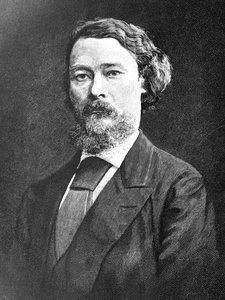
karl rudolph koenig
1832 - 1901 , Germany
Основные сведения
- Artistic Movement Or Style: Acoustic research
- Artists Or Movements Influenced By This Artist: ['Helmholtz theory']
- Artists Who Influenced This Artist: ['Jean Baptiste Vuillaume']
- Date Of Birth: November 26, 1832
- Date Of Death: October 2, 1901
- Full Name: Karl Rudolph Koenig
- Nationality: German
- Notable Artworks: ['Set of tuning forks for studying vowel sounds']
- Place Of Birth: Königsberg (Prussia)