


 Предпросмотр
 Поделиться
 Поделиться
 Детали произведения

 Скачать
 Похожие работы
 Рентгенография
 Слайд-шоу
 Статистика
Houses at Night


 Читать далее
Жикле / Арт-принт
Печать (жикле) или холст музейного качества с быстрыми сроками изготовления и широким выбором вариантов отделки. ( Купить картину ручной работы Перейти к цифровым изображениям)




P118B $10

P118H $10

P118W $10

P438Z $10

P508JH $12

P508YH $12

P805H $10

P805Z $10

P919BZ $10

P919G $10

P919XJ $10

P959ZH $10

P968JZ $12

W106C $8

W218G $10

W218JH $8

W218Y $10

W307PJ $10

W316G $10

W316PJ $8

W316Y $10

W398PJ $8

W4111J $10

W500HY $15

W500JH $15

W692G $12

W849H $8

W940BG $15

W953PJ $8




Выберите один из наших стандартных размеров, соответствующих оригинальным пропорциям произведения искусства.

Вы можете указать свои собственные размеры, чтобы репродукция идеально подошла под конкретную раму или пространство. Если выбранный вами размер не будет соответствовать пропорциям оригинала, мы либо обрежем произведение, либо дополним изображение зеркальным отражением краев или однотонной заливкой. Перед началом производства вам будет отправлен цифровой макет для утверждения.
Пожалуйста, обратите внимание, что предварительный просмотр на экране не отображает фактическую обрезку или расширение изображения. Только макет точно покажет финальную композицию.
Несмотря на возможность заказа индивидуальных размеров, мы рекомендуем выбирать размер из предопределенного списка, чтобы сохранить оригинальные пропорции.
Доставка по всему миру () за 2 недели вместо стандартных 4/5 недель. (10 Сентябрь)

Бесплатная экспресс-доставка по всему миру

Высококачественный льняной холст

Полное страхование доставки

Гарантия возмещения таможенных пошлин

Гарантия точного соответствия цветов

100-дневная политика возврата (только при обнаружении дефектов)

Гарантия возврата 100% средств

Предложение оптовых скидок
 Вариант со стеклом доступен только для размеров менее 110 см

Houses at Night
Жикле / Арт-принт
Размер репродукции
-


Итоговая стоимость
$ 62
A Nocturnal Symphony of Color and Form
In the heart of the early 20th century, amidst the rapid pulse of a transforming Europe, Karl Schmidt-Rottluff captured a moment of profound urban tension in his masterpiece, Houses at Night. This captivating oil painting serves as a quintessential window into the soul of German Expressionism, specifically through the lens of the Die Brücke movement. Rather than offering a literal or photographic depiction of a cityscape, Schmidt-Rottluff invites the viewer into a world where architecture is reimagined through raw emotion and rhythmic geometry. The scene presents an empty street lined with buildings whose sharp angles and jagged silhouettes create a palpable sense of structural tension, as if the very stones of the city are vibrating with the energy of the era.
The technique employed in this work is nothing short of visceral. Schmidt-Rottluff, a master of bold, deliberate brushstrokes, utilizes a palette that defies traditional nocturnal realism. Instead of the muted greys and blacks typically associated with night, he orchestrates a vibrant dance of reds, deep blues, luminous yellows, and striking greens. These colors do not merely sit upon the canvas; they collide and interact, creating a dynamic luminosity that mimics the flickering lights of a bustling metropolis. This expressive use of color is characteristic of the Expressionist desire to prioritize internal psychological truth over external optical accuracy, making each stroke feel like an urgent heartbeat captured in oil.
Symbolism and the Urban Soul
Beyond its striking visual surface, Houses at Night carries a deep symbolic weight regarding the duality of modern existence. The composition is defined by a stark contrast between light and shadow, a motif that reflects the complex nature of urban life during Berlin's rapid modernization. The dark, heavy sky, punctuated by sudden bursts of light, serves as a metaphor for the solitude found within the crowd—the quiet, introspective moments that exist even in the most densely populated environments. The geometric shapes of the buildings, while imposing, also suggest the structured, sometimes overwhelming nature of the industrial age, where the individual is often dwarfed by the monumental scale of progress.
For the discerning collector or interior designer, this piece offers more than just aesthetic beauty; it provides a focal point of intellectual and emotional depth. The painting’s ability to evoke both the frantic energy of a city and the contemplative stillness of the night makes it an incredibly versatile addition to a curated space. Whether placed in a contemporary gallery setting or a sophisticated residential study, the artwork commands attention through its historical significance and its enduring ability to stir the senses. Owning a high-quality reproduction of this work allows one to bring a fragment of art history's most revolutionary movement into the modern home, celebrating a legacy of courage, color, and the unyielding human spirit.
Похожие произведения
Биография художника
Karl Schmidt-Rottluff: A Voice of Raw Emotion in the Heart of German Expressionism
Karl Schmidt-Rottluff, born Karl Schmidt in 1884 in the small, unassuming town of Rottenflut (later renamed Rottluff) nestled within Germany’s industrial heartland, wasn't destined for a life of quiet obscurity. From his earliest years, he possessed an intense, almost palpable sensitivity to the world around him – a deep-seated need to translate the complexities and often unsettling realities of human experience onto canvas and into woodcuts. His artistic journey, marked by both profound innovation and heartbreaking adversity, ultimately cemented his place as a pivotal figure in the turbulent landscape of early 20th-century German Expressionism. Schmidt-Rottluff’s formative years were shaped by a confluence of influences. Initially drawn to the structured world of architecture at the Technical University of Dresden, he quickly discovered that his true calling lay elsewhere – within the realm of art. He found kinship with fellow students who shared his desire to break free from the constraints of academic tradition and explore the raw, unfiltered emotions simmering beneath the surface of modern life. This shared artistic fervor ignited the formation of *Die Brücke* (“The Bridge”) in 1905, a collective that would become synonymous with radical innovation and a rejection of established artistic norms. The group’s name itself encapsulated their ambition: to forge a bridge between the traditions of the past and the uncharted territories of modern expression.Forging a New Visual Language with *Die Brücke*
The early years within *Die Brücke* were characterized by an almost frenetic energy, a relentless pursuit of authenticity fueled by a shared desire to capture the immediacy of feeling. Rejecting the polished surfaces and idealized forms that dominated much of contemporary art, Schmidt-Rottluff and his colleagues sought to depict the visceral reality of modern life – its anxieties, its struggles, its moments of profound beauty. Initially, they experimented with influences from Art Nouveau and Neo-Impressionism, but these were quickly discarded in favor of a more radical aesthetic. Schmidt-Rottluff’s early work demonstrated a masterful balance between composition and simple forms, utilizing flat color areas to create a sense of directness and emotional impact. He wasn't interested in meticulously replicating reality; rather, he aimed to distill it down to its essential emotional core – to capture the *feeling* of a subject, not merely its appearance. This period saw him developing his distinctive style, characterized by bold colors and dynamic compositions that hinted at the powerful imagery to come. Crucially, Schmidt-Rottluff revitalized the woodcut as a vital artistic medium, transforming it from a primarily decorative craft into a potent tool for expressive communication. He produced over 300 remarkable woodcuts throughout his career, each one imbued with a unique intensity and graphic force.The Power of Woodcuts: A Unique Artistic Technique
Schmidt-Rottluff’s mastery of the woodcut was truly exceptional. The process itself – carving into wood to create an image – seemed to embody his artistic philosophy, demanding a direct, physical engagement with the material. He meticulously planned each cut, carefully considering how the remaining areas would interact to create contrast and define form. This technique allowed him to achieve remarkable effects of light and shadow, creating images that were both starkly graphic and deeply evocative. His woodcuts weren’t simply representations; they were expressions – a tangible manifestation of his inner world. The resulting works are characterized by their bold lines, dramatic contrasts, and a palpable sense of urgency. His summers spent on the rugged coast of Dangast, beginning in 1907, proved particularly fruitful, inspiring a series of breathtaking landscapes that captured the wild beauty and untamed spirit of the North Sea – images filled with a haunting melancholy and a profound connection to nature.Turbulence and Adversity: War, Persecution, and Resilience
The stability of *Die Brücke* was tragically short-lived. The outbreak of World War I dramatically disrupted the group’s trajectory, forcing Schmidt-Rottluff into military service on the Eastern Front. This experience profoundly impacted him, exposing him to the horrors of war and leaving an indelible mark on his artistic sensibility. While he didn't directly depict scenes of combat, the trauma of witnessing such devastation undoubtedly deepened his existing preoccupation with themes of existential angst, isolation, and the fragility of human existence. Following the war, Schmidt-Rottluff continued to develop his artistic vision, experimenting with new techniques and exploring a wider range of subjects. However, the rise of Nazism brought a dark chapter into his life. His work was deemed “degenerate art” – an affront to the Nazi regime’s ideology – and he was subsequently expelled from artistic organizations and stripped of his professional standing. Many of his paintings were removed from public view, effectively silencing his voice for years. Despite these immense hardships, Schmidt-Rottluff demonstrated remarkable resilience, continuing to create in secret during the war years, preserving his artistic spirit amidst a climate of persecution.A Lasting Legacy: Recognition and Enduring Influence
The post-war period witnessed a gradual but significant reevaluation of Schmidt-Rottluff’s work. His paintings began to reappear in museums and galleries, and his reputation slowly regained its footing. In 1947, he was appointed professor at the University of Arts in Berlin-Charlottenburg, where he mentored a new generation of artists, imparting his knowledge and passion for expressive art. Perhaps most significantly, Schmidt-Rottluff established the Brücke Museum in West Berlin in 1964 – an enduring testament to his commitment to preserving and promoting the legacy of *Die Brücke*. Today, Karl Schmidt-Rottluff’s work continues to captivate audiences worldwide, a powerful reminder of the transformative power of art and the enduring spirit of human creativity. His paintings, woodcuts, lithographs, and etchings are held in major museums across Europe and North America, ensuring that his voice – a raw, honest expression of the complexities of the modern world – will continue to resonate for generations to come.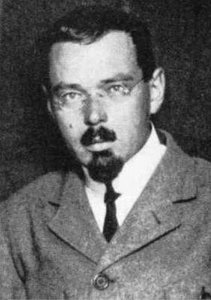
Карл Шмидт-Роттлуфф
1884 - 1976 , Германия
Основные сведения
- Artistic Movement Or Style: Экспрессионизм
- Artists Or Movements Influenced By This Artist: ['Die Brücke']
- Artists Who Influenced This Artist:
- Ван Гог
- Матисс
- Date Of Birth: 1884
- Date Of Death: 1976
- Full Name: Карл Шмидт-Роттлуфф
- Nationality: Немецкий
- Notable Artworks:
- Untitled (663)
- Untitled (533)
- Untitled (685)
- Place Of Birth: Роттенфлют, Германия
Похожие статьи
Concrete Narratives: Exploring Urban Life in Modern & Contemporary Art
Explore the evolution of cityscape painting with ArtsDot. Discover key artists from Realism to contemporary movements & invest in timeless urban visions. Expert guidance, museum-quality reproductions.
Concrete Visions: Exploring the Urban Landscape in Painting – From Realism to Contemporary Art
Explore the evolution of cityscape painting from Realism to contemporary art with ArtsDot. Discover key artists & invest in timeless urban visions. Expert guidance, museum-quality reproductions.
Фернан Леже: Топ-25 шедевров кубизма для ценителей искусства и декора интерьера
Погрузитесь в мир Фернана Леже! Топ-25 шедевров кубизма, раскрывающих машинную эстетику и новаторский стиль художника. Репродукции картин высокого качества для вашего интерьера. Откройте всю коллекцию на ArtsDot.com
10 Шедевров Немецкого Экспрессионизма: Искусство Эмоций и Вдохновения | ArtsDot
Погрузитесь в мир немецкого экспрессионизма! Узнайте истории создания шедевров Мунка, Кирхнера, Кандинского и других великих художников. Репродукции картин высокого качества для вашего интерьера на ArtsDot.com. Откройте всю коллекцию онлайн!
Смелые шедевры: Топ-10 произведений искусства для яркого интерьера от ArtsDot.com
Откройте для себя 10 смелых шедевров искусства – от Ван Гога до Пикассо! Узнайте истории художников, техники и вдохновение за культовыми работами. Купите репродукции картин высокого качества для вашего интерьера на ArtsDot.com.