

 Предпросмотр
 Поделиться
 Поделиться
 Детали произведения

 Скачать
 Похожие работы
 Рентгенография
 Слайд-шоу
 Статистика
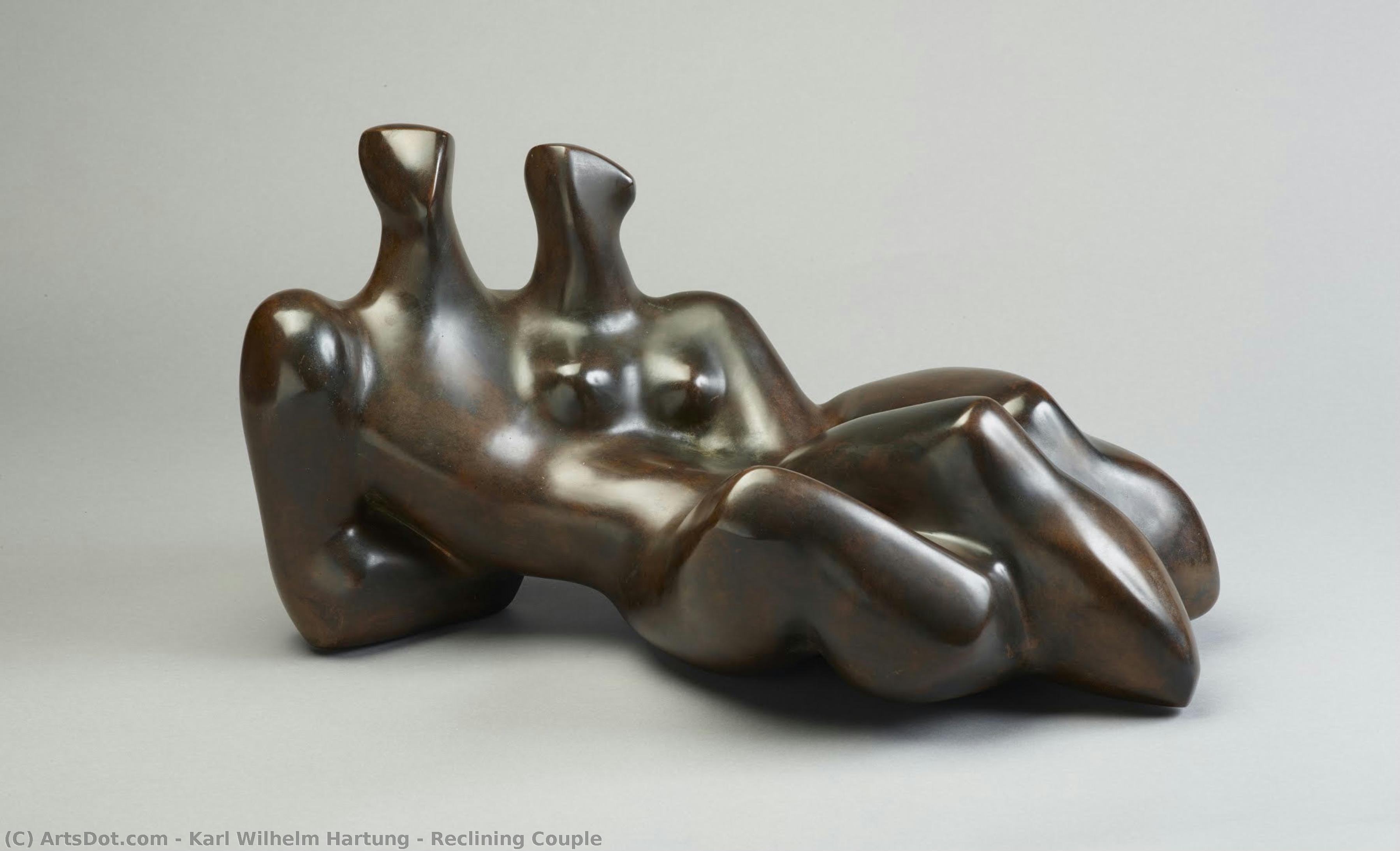
Reclining Couple


 Читать далее
Приобретите цифровое изображение высокого разрешения в улучшенном качестве, которое значительно превосходит онлайн-превью.
Каждый файл тщательно подготавливается нашими специалистами с использованием передовых инструментов и экспертной ручной ретуши. Мы гарантируем исключительную четкость, точную цветопередачу и детальную проработку каждого изображения.
Финальный файл доставляется по электронной почте в течение 72 часов и оптимизирован для немедленного использования в профессиональной среде, при верстке и печати. Это тот же уровень качества, которому доверяют ведущие дизайнерские студии, издательства и галереи.
Цифровое изображение
Скачайте файл высокого разрешения для личного использования, печати и творческих проектов. ( Перейти к печати Купить картину ручной работы)
Включено в каждый заказ цифровых изображений
Гарантия экспертной цифровой доставки
Выбирая ArtsDot.com, вы получаете не просто изображение — вы приобретаете профессионально обработанное цифровое произведение искусства, созданное с безупречной точностью и под защитой гарантии качества. Вот всё, что автоматически входит в ваш заказ:

Мгновенная доставка по e-mail
Ваш цифровой файл в высоком разрешении будет отправлен вам по электронной почте в течение 72 часов после оформления заказа — и сразу станет доступен для использования.

Цифровой файл с ИИ-улучшением
Ваше произведение искусства проходит профессиональную оптимизацию с использованием передовых инструментов ИИ и ручной обработки, что гарантирует максимальную детализацию, четкость и точность цветопередачи.

Бессрочная бесплатная повторная доставка
Случайно удалили или потеряли файл? Не беспокойтесь — мы отправим его вам повторно в любое время и совершенно бесплатно.

Без импортных пошлин — навсегда
Наслаждайтесь вашим произведением искусства мгновенно без таможенных пошлин, сборов или затрат на доставку — цифровые загрузки всегда не облагаются налогом.

Гарантия точности цветопередачи
Мы гарантируем, что ваше цифровое изображение максимально точно передает оригинальные цвета благодаря использованию профессиональных инструментов и систем управления цветом.

Гарантия удовлетворенности 100 дней
Если вы не будете удовлетворены своим цифровым изображением, мы внесем правки или вернем 100% стоимости в течение 100 дней — без лишних вопросов.

100% Гарантия возврата средств
Не удовлетворены покупкой? Получите полный возврат средств в течение 100 дней после получения цифрового файла — без лишних вопросов.

Скидки на оптовые заказы
Купите 3 изображения, сэкономьте 10% — Купите 5, сэкономьте 15% — Купите 10+, сэкономьте 20%. Отличное решение для творческих проектов, галерей и агентств.
Похожие произведения


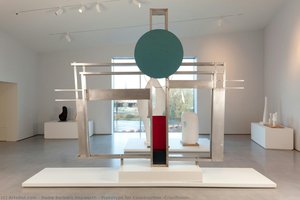

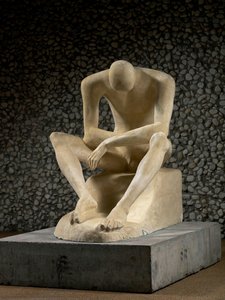
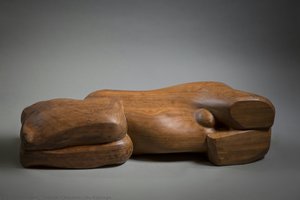
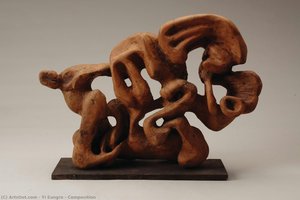
Биография художника
Karl Wilhelm Hartung: Sculpting the Echoes of War and a New German Aesthetic
Karl Wilhelm Hartung, born in Berlin in 1908, emerged as a pivotal figure in post-World War II German sculpture, a sculptor who wrestled with the trauma of conflict while simultaneously forging a distinctly modern aesthetic. His journey, marked by rigorous training, intellectual engagement, and a profound connection to his city, reveals an artist deeply attuned to both the devastation of his time and the burgeoning possibilities of abstract form. Hartung’s legacy lies not just in the physicality of his bronzes, marbles, and terracotta works, but also in his role as a catalyst for abstraction within German art – a movement that challenged established conventions and paved the way for future generations.Early Life and Artistic Foundations
Hartung’s early life was rooted in the practical world of carpentry, inherited from his father in Hamburg. This grounding in material and construction provided a valuable counterpoint to his later explorations of pure form. He began his artistic training at the Berlin Academy of Arts, immersing himself in classical sculpture while simultaneously developing an interest in contemporary movements. A pivotal year in his development was 1929, when he traveled to Paris on scholarship, spending time studying the works of Auguste Rodin and Jean Maillol – masters known for their expressive modeling and ability to imbue stone with a sense of life. These encounters profoundly influenced Hartung’s approach, shaping his understanding of volume, texture, and the evocative power of the human figure, even as he moved toward abstraction. His return to Hamburg in 1932 proved challenging due to the rising tide of Nazi ideology, forcing a relocation to Berlin in 1936 where he found himself increasingly marginalized by the restrictive cultural policies of the regime.The Breakthrough and Post-War Innovation
Hartung’s artistic breakthrough arrived in 1946 with his first solo exhibition at the Rosen Gallery in Berlin. This marked a decisive shift, as he began to explore increasingly abstract forms, rejecting representational imagery in favor of dynamic compositions that captured the essence of movement and gesture. His work during this period – often referred to as “biomorphic abstraction” – was deeply influenced by the psychological landscape of post-war Germany. The devastation of the war had left an indelible mark on the nation’s psyche, and Hartung sought to express this through his sculptures: fragmented forms, flowing lines, and a sense of underlying tension reflected the fractured reality of the time. He wasn't simply creating abstract shapes; he was attempting to embody emotional states – anxiety, resilience, and ultimately, hope. His adoption of bronze as his primary medium allowed him to achieve a remarkable level of detail and textural complexity, further enhancing the expressive power of his work.Recognition and Institutional Roles
Hartung’s artistic achievements were quickly recognized by Germany's cultural establishment. In 1955, he was awarded the Federal Cross of Merit, followed by the Grand Cross of Merit in 1960 – prestigious honors that acknowledged his significant contribution to German art. He also assumed influential positions within the country’s artistic community, becoming a professor at the Berlin Academy of Fine Arts in 1945 and chair of the Deutscher Künstlerbund (German Artists' Association) in 1955. His involvement with “documenta I” in 1955 further cemented his position as a leading figure in the international art scene. These roles weren’t merely honorary; Hartung actively fostered dialogue between artists, promoted new artistic approaches, and championed the importance of artistic freedom.Legacy and Enduring Influence
Karl Wilhelm Hartung died in Berlin in 1967, leaving behind a substantial body of work that continues to resonate with viewers today. His sculptures are characterized by their dynamic energy, expressive textures, and profound exploration of the human condition. He is remembered not only for his pioneering role in abstract sculpture but also for his commitment to artistic integrity and his unwavering belief in the power of art to confront difficult truths. Hartung’s influence extends beyond his own creations; he helped shape the direction of German sculpture after World War II, inspiring a generation of artists to embrace abstraction and explore new forms of expression. His work remains a testament to the enduring spirit of creativity amidst adversity – a powerful reminder of the transformative potential of art in shaping our understanding of ourselves and the world around us.
karl wilhelm hartung
1908 - 1967 , Germany
Основные сведения
- Artistic Movement Or Style: Abstract sculpture, Post-war art
- Artists Or Movements Influenced By This Artist: ['Biomorphic Abstraction']
- Artists Who Influenced This Artist:
- Rodin
- Maillol
- Date Of Birth: 1908 Berlin Germany
- Date Of Death: 1967 Berlin Germany
- Full Name: Karl Wilhelm Hartung
- Nationality: German
- Notable Artworks: ['Various abstract sculptures']
- Place Of Birth: Berlin Germany