

 Предпросмотр
 Поделиться
 Поделиться
 Детали произведения

 Скачать
 Похожие работы
 Рентгенография
 Слайд-шоу
 Статистика
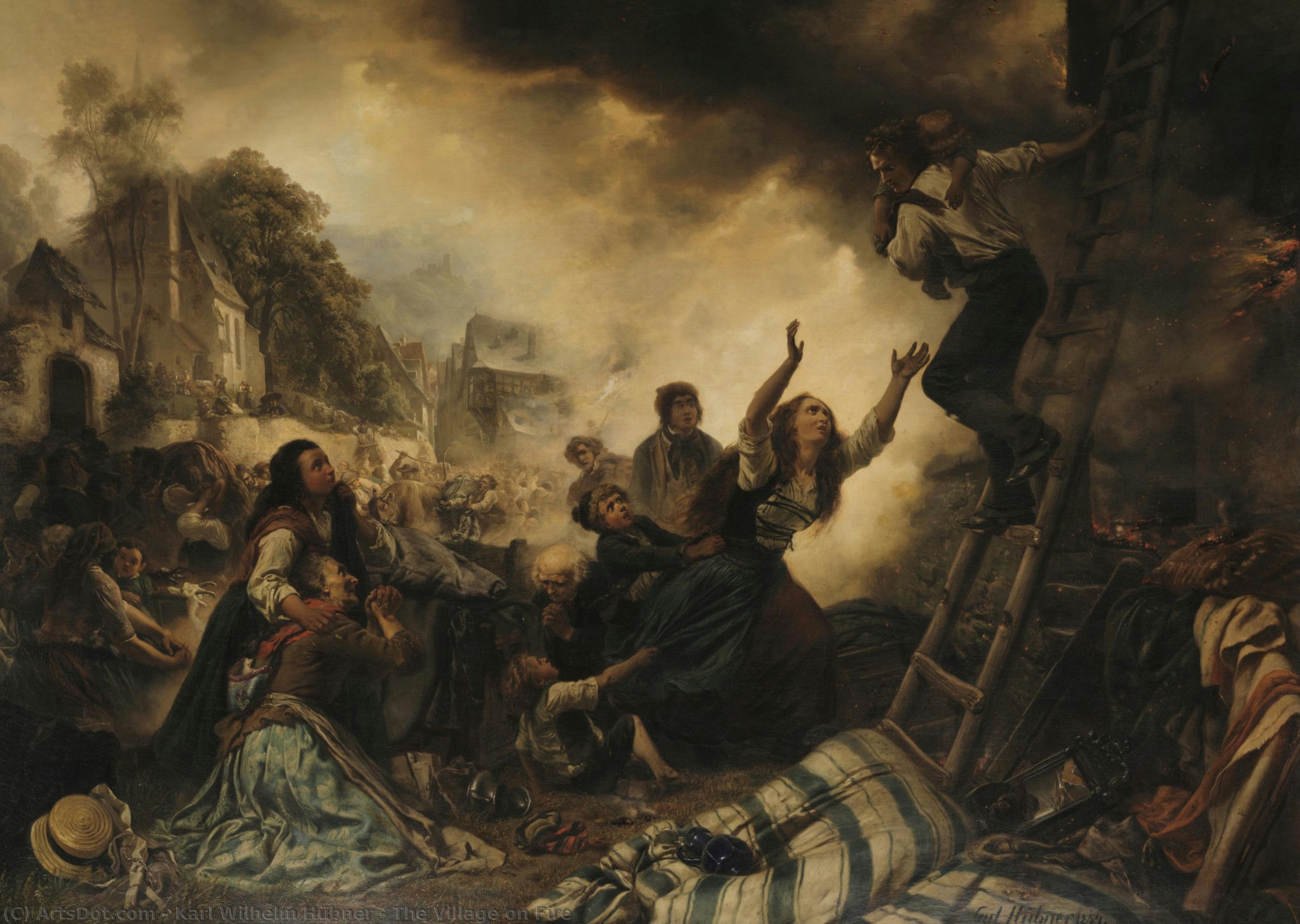
The Village on Fire
 Oil On Canvas
- WallArt
- Romanticism
 1854
1854- 19th Century
 182.0 x 284.0 cm
 Crocker Art Museum
 Читать далее
Приобретите цифровое изображение высокого разрешения в улучшенном качестве, которое значительно превосходит онлайн-превью.
Каждый файл тщательно подготавливается нашими специалистами с использованием передовых инструментов и экспертной ручной ретуши. Мы гарантируем исключительную четкость, точную цветопередачу и детальную проработку каждого изображения.
Финальный файл доставляется по электронной почте в течение 72 часов и оптимизирован для немедленного использования в профессиональной среде, при верстке и печати. Это тот же уровень качества, которому доверяют ведущие дизайнерские студии, издательства и галереи.
Цифровое изображение
Скачайте файл высокого разрешения для личного использования, печати и творческих проектов. ( Перейти к печати Купить картину ручной работы)
Включено в каждый заказ цифровых изображений
Гарантия экспертной цифровой доставки
Выбирая ArtsDot.com, вы получаете не просто изображение — вы приобретаете профессионально обработанное цифровое произведение искусства, созданное с безупречной точностью и под защитой гарантии качества. Вот всё, что автоматически входит в ваш заказ:

Мгновенная доставка по e-mail
Ваш цифровой файл в высоком разрешении будет отправлен вам по электронной почте в течение 72 часов после оформления заказа — и сразу станет доступен для использования.

Цифровой файл с ИИ-улучшением
Ваше произведение искусства проходит профессиональную оптимизацию с использованием передовых инструментов ИИ и ручной обработки, что гарантирует максимальную детализацию, четкость и точность цветопередачи.

Бессрочная бесплатная повторная доставка
Случайно удалили или потеряли файл? Не беспокойтесь — мы отправим его вам повторно в любое время и совершенно бесплатно.

Без импортных пошлин — навсегда
Наслаждайтесь вашим произведением искусства мгновенно без таможенных пошлин, сборов или затрат на доставку — цифровые загрузки всегда не облагаются налогом.

Гарантия точности цветопередачи
Мы гарантируем, что ваше цифровое изображение максимально точно передает оригинальные цвета благодаря использованию профессиональных инструментов и систем управления цветом.

Гарантия удовлетворенности 100 дней
Если вы не будете удовлетворены своим цифровым изображением, мы внесем правки или вернем 100% стоимости в течение 100 дней — без лишних вопросов.

100% Гарантия возврата средств
Не удовлетворены покупкой? Получите полный возврат средств в течение 100 дней после получения цифрового файла — без лишних вопросов.

Скидки на оптовые заказы
Купите 3 изображения, сэкономьте 10% — Купите 5, сэкономьте 15% — Купите 10+, сэкономьте 20%. Отличное решение для творческих проектов, галерей и агентств.
A Symphony of Chaos and Courage
In the heart of 1854, Karl Wilhelm Hübner captured a moment of profound human desperation and raw elemental power in his masterpiece, The Village on Fire. This expansive oil on canvas serves as more than just a depiction of a disaster; it is a visceral window into a world where the boundaries between life and destruction blur in an instant. As flying coals dance through the night sky, igniting the few salvaged household goods that remain, the viewer is thrust into the center of a catastrophe. The painting masterfully orchestrates a scene of frantic movement, where the warmth of the flames contrasts sharply with the chilling terror of the fleeing villagers. It is a work that demands attention, pulling the observer into the smoke-filled air to witness the struggle for survival.
The composition is a breathtaking display of narrative complexity and technical prowess. Hübner utilizes a large-scale format to immerse the spectator in the sheer scale of the devastation. Amidst the scattered figures, one can discern the frantic energy of a community in flight; some individuals huddle together in shared grief, while others are spread across the landscape, lost in the shadows of the encroaching inferno. A striking focal point emerges in the middle ground—a horse, perhaps caught in the panic or being used as a desperate means of escape—adding a layer of animalistic instinct to the human drama. The technique employed by Hübner allows for a luminous rendering of light, where the orange and red glows of the burning structures illuminate the faces of the villagers, casting long, dramatic shadows that heighten the sense of impending doom.
The Weight of History and Emotion
Beyond its immediate visual impact, The Village on Fire resonates with a deep symbolic resonance. The painting captures the fragility of domestic life and the suddenness with which civilization can be undone by nature's fury. The young father, braving the thick smoke and searing heat to rescue his child, serves as a poignant symbol of paternal heroism and the indomitable will to protect what is most precious. This central act of bravery provides an emotional anchor amidst the surrounding chaos, offering a glimmer of hope within a scene dominated by loss. For collectors and enthusiasts of Romantic-era drama, this piece offers a profound exploration of the human spirit's resilience in the face of overwhelming adversity.
For interior designers and curators of fine art reproductions, this work presents an unparalleled opportunity to introduce a commanding presence into a space. The intense color palette and dramatic lighting make it an ideal centerpiece for a room designed to evoke conversation and introspection. Whether placed in a grand gallery or a sophisticated private study, the painting’s ability to command the atmosphere is unmatched. It is not merely a decoration but an emotional experience—a window into a historical moment of profound struggle that continues to stir the soul of anyone who gazes upon its flickering, tragic beauty.
Похожие произведения

Биография художника
Jean-François Millet: The Painter of the Ploughman
Jean-François Millet (1814–1875) stands as a pivotal figure in 19th-century French art, renowned for his profoundly human depictions of rural life. Born into a modest farming family in Gruchy, near Cherbourg, Normandy, Millet’s early existence was inextricably linked to the rhythms and realities of the land. This formative experience would deeply inform his artistic vision, shaping his enduring fascination with the dignity and resilience of peasant laborers—a subject largely absent from the prevailing artistic trends of his time. His life wasn't marked by formal academic training initially; instead, he honed his skills through self-study and apprenticeship under local artists, laying the groundwork for a distinctive style that would eventually challenge conventional notions of beauty and representation.Early Years and Parisian Apprenticeship
Millet’s journey to Paris in 1837 marked a significant turning point. He enrolled at the École des Beaux-Arts, seeking formal instruction under Paul Delaroche, a prominent academic painter. While he diligently pursued technical training, Millet found himself increasingly disillusioned with the rigid conventions of the Salon system and the prevailing artistic climate. His early works—portraits and small mythological scenes—demonstrated a nascent talent but lacked the raw emotional power that would later characterize his most celebrated paintings. The rejection of *The Winnower* at the 1840 Salon proved to be a crucial catalyst, pushing Millet away from Parisian art circles and towards a more authentic artistic path rooted in direct observation and personal experience.Barbizon: A Retreat to Reality
In 1849, Millet embarked on a transformative decision—a move to Barbizon, a small hamlet nestled within the Fontainebleau forest. This relocation represented far more than simply a change of scenery; it was a deliberate retreat from the artificiality of Parisian art and a commitment to painting *en plein air* (outdoors). The Barbizon school, which Millet helped establish, championed a style characterized by earthy tones, loose brushwork, and an emphasis on capturing the essence of nature. Artists sought to depict the landscapes and rural life they observed directly, rejecting idealized representations in favor of honest portrayals of everyday existence. This shift aligned perfectly with Millet’s artistic sensibilities, allowing him to immerse himself fully in the world he intended to capture on canvas.The Peasant as Subject: Dignity and Melancholy
Millet's most enduring legacy lies in his profound exploration of peasant life. He wasn’t interested in romanticizing poverty or portraying peasants as victims; instead, he sought to reveal their inherent dignity, strength, and quiet resilience. His paintings—*The Gleaners*, *The Angelus*, *Wheatfield*, and countless others—depict scenes of labor, faith, and family life with remarkable sensitivity and psychological depth. The figures in Millet’s works are often rendered with a subtle melancholy, reflecting the hardships of their existence while simultaneously conveying a sense of stoic acceptance and enduring spirit. His compositions frequently feature simple, uncluttered arrangements, drawing attention to the details of clothing, tools, and the surrounding landscape—elements that speak volumes about the lives of those depicted.Critical Reception and Lasting Influence
Initially, Millet’s work faced considerable criticism from conservative critics who viewed his depictions of peasants as coarse and subversive. However, his paintings gradually gained recognition for their honesty and emotional resonance. The success of *The Angelus* (1859), a poignant image of a peasant couple pausing in their work to pray, catapulted Millet to international fame, becoming one of the most reproduced artworks of the 19th century. Despite this widespread popularity, his critical reputation remained somewhat tarnished by the painting’s sentimental interpretation. In the late 20th century, however, Millet's work underwent a significant reassessment, with scholars recognizing his profound artistic vision and his pioneering role in elevating peasant life to the realm of fine art. His influence extends beyond his own paintings; he inspired generations of artists, including Seurat and Van Gogh, who admired his masterful draughtsmanship and his ability to capture the essence of human experience. Jean-François Millet’s legacy endures as a testament to the power of observation, empathy, and the enduring beauty found in the simplest aspects of life.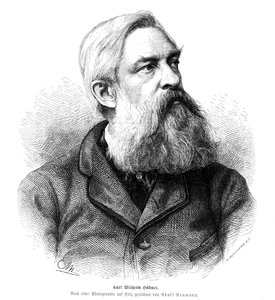
karl wilhelm hübner
1814 - 1879 , Germany
Основные сведения
- Artistic Movement Or Style:
- Barbizon school
- Realism
- Artists Or Movements Influenced By This Artist:
- Seurat
- van Gogh
- Artists Who Influenced This Artist: ['Paul Delaroche']
- Date Of Birth: Oct 4, 1814
- Date Of Death: Jan 20, 1875
- Full Name: Jean-François Millet
- Nationality: French
- Notable Artworks:
- The Milkmaid
- The Winnower
- The Angelus
- Place Of Birth: Gruchy, France