

 Предпросмотр
 Поделиться
 Поделиться
 Детали произведения

 Скачать
 Похожие работы
 Рентгенография
 Слайд-шоу
 Статистика
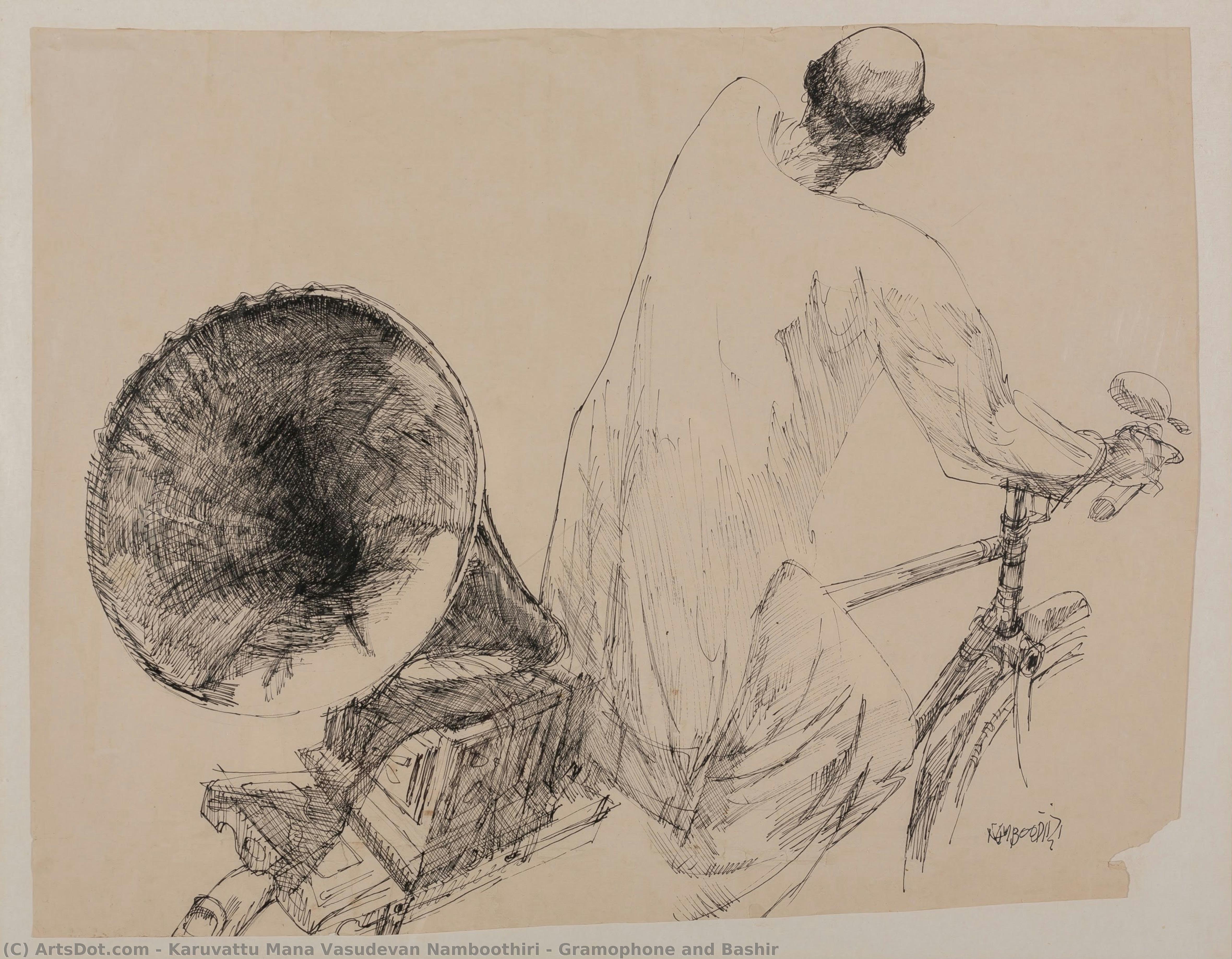
Gramophone and Bashir
 Drawing
- WallArt
- Contemporary Realism
 1990
1990- Contemporary
 49.0 x 62.0 cm
 Cholamandal Artists' Village
 Читать далее
Жикле / Арт-принт
Печать (жикле) или холст музейного качества с быстрыми сроками изготовления и широким выбором вариантов отделки. ( Купить картину ручной работы Перейти к цифровым изображениям)




P118B $10

P118H $10

P118W $10

P438Z $10

P508JH $12

P508YH $12

P805H $10

P805Z $10

P919BZ $10

P919G $10

P919XJ $10

P959ZH $10

P968JZ $12

W106C $8

W218G $10

W218JH $8

W218Y $10

W307PJ $10

W316G $10

W316PJ $8

W316Y $10

W398PJ $8

W4111J $10

W500HY $15

W500JH $15

W692G $12

W849H $8

W940BG $15

W953PJ $8




Выберите один из наших стандартных размеров, соответствующих оригинальным пропорциям произведения искусства.

Вы можете указать свои собственные размеры, чтобы репродукция идеально подошла под конкретную раму или пространство. Если выбранный вами размер не будет соответствовать пропорциям оригинала, мы либо обрежем произведение, либо дополним изображение зеркальным отражением краев или однотонной заливкой. Перед началом производства вам будет отправлен цифровой макет для утверждения.
Пожалуйста, обратите внимание, что предварительный просмотр на экране не отображает фактическую обрезку или расширение изображения. Только макет точно покажет финальную композицию.
Несмотря на возможность заказа индивидуальных размеров, мы рекомендуем выбирать размер из предопределенного списка, чтобы сохранить оригинальные пропорции.
Доставка по всему миру () за 2 недели вместо стандартных 4/5 недель. (13 Сентябрь)

Бесплатная экспресс-доставка по всему миру

Высококачественный льняной холст

Полное страхование доставки

Гарантия возмещения таможенных пошлин

Гарантия точного соответствия цветов

100-дневная политика возврата (только при обнаружении дефектов)

Гарантия возврата 100% средств

Предложение оптовых скидок
 Вариант со стеклом доступен только для размеров менее 110 см

Gramophone and Bashir
Жикле / Арт-принт
Размер репродукции
-


Итоговая стоимость
$ 62
A Whimsical Encounter in Line and Form
In the evocative drawing Gramophone and Bashir, created in 1990 by the esteemed Indian master Karuvattu Mana Vasudevan Namboothiri, we are invited into a dreamlike tableau that defies the boundaries of reality. The composition centers on a surrealist spectacle: a man perched upon a bicycle, which carries not just a rider but a magnificent, oversized horn or trumpet attached to its rear. This central figure, draped in a serene white robe with a bald head, moves through a space populated by silent observers and unexpected objects. The presence of an old-fashioned gramophone serves as a focal point, acting as a bridge between the auditory and the visual, suggesting a world where sound itself has taken on a physical, sculptural form.
The artist’s technique is a masterclass in evocative line work. Namboothiri, renowned for his ability to breathe life into literary illustrations and sculptures, utilizes a delicate yet purposeful hand to guide the viewer's eye through the scene. The drawing possesses a rhythmic quality, where the contours of the bicycle, the curves of the gramophone, and the soft folds of the man's robe coalesce into a unified narrative. There is a profound sense of movement captured in stillness—a frozen moment of a journey that feels both nostalgic and avant-garde.
Symbolism and the Echoes of Memory
Beyond its surface whimsy, Gramophone and Bashir invites deep contemplation regarding the intersection of technology, memory, and human presence. The gramophone, an artifact of a bygone era, symbolizes the preservation of culture and the haunting beauty of nostalgia. When paired with the large horn attached to the bicycle, it suggests a literal amplification of history, as if the rider is traveling through time, broadcasting the echoes of the past to the modern world. The inclusion of secondary figures—one standing at the periphery and another tucked into the composition—adds a layer of social observation, reminding us of the witnesses who inhabit our shared histories.
The placement of a solitary handbag near the center of the frame introduces an element of the mundane amidst the extraordinary, grounding the surreal elements in a sense of lived experience. This juxtaposition is a hallmark of Namboothiri’s genius; he finds the profound within the peculiar. For the collector or interior designer, this piece offers more than mere decoration; it provides a conversational centerpiece that stimulates the intellect and stirs the imagination, making it an ideal acquisition for spaces dedicated to thought, creativity, and cultural appreciation.
An Essential Addition to the Discerning Collection
For those seeking to curate a collection of high-quality reproductions, this work stands as a testament to the enduring legacy of Kerala’s fine art traditions. The piece carries an emotional weight that is both lighthearted and melancholic, making it versatile enough to complement diverse interior aesthetics—from contemporary minimalist galleries to more eclectic, classical studies. Owning a reproduction of such a significant work allows one to possess a fragment of Namboothiri's unique vision, where the boundaries between the seen and the heard, the past and the present, are beautifully blurred.
Похожие произведения
Биография художника
Robert Rauschenberg: A Pioneer of Chance and Collage
Robert Rauschenberg, born in Port Arthur, Texas, on October 22, 1925, to a fundamentalist Christian family, emerged as one of the most influential figures in mid-20th century American art. His career spanned nearly six decades, marked by an audacious exploration of materials and processes that fundamentally challenged traditional notions of painting and sculpture. Initially influenced by Surrealism and Abstract Expressionism, Rauschenberg ultimately forged his own distinctive path, pioneering the “Combine” paintings – a revolutionary approach that blurred the boundaries between genres and embraced the unexpected. His work wasn’t simply about creating beautiful images; it was an investigation into the very nature of art itself, questioning its definition and inviting viewers to engage with the process as much as the product.Early Influences and Artistic Development
Rauschenberg's early artistic education was unconventional. He attended Northwestern University briefly before serving in the Navy during World War II, experiences that profoundly shaped his perspective. Following the war, he enrolled at the University of Texas at Austin, studying English, History, and Philosophy – subjects that would later inform his conceptual approach to art. It was while working as a commercial artist in Dallas that Rauschenberg began experimenting with collage techniques, incorporating found objects and everyday materials into his work. This nascent interest in assemblage laid the groundwork for his groundbreaking Combines. Crucially, he studied under Josef Albers at Black Mountain College (1950-1953), an environment renowned for its experimental approach to art education, where he was exposed to Albers’ teachings on color theory and perception – principles that would become integral to his later work. The influence of Abstract Expressionism is evident in the scale and gestural quality of some early paintings, but Rauschenberg quickly moved beyond mere imitation, seeking a more dynamic and layered approach.The Rise of the Combines: A New Artistic Language
Rauschenberg’s breakthrough came with the introduction of the “Combines” in 1954-1964. These works represented a radical departure from traditional painting, incorporating elements such as photographs, textiles, newspaper clippings, and industrial materials directly into the canvas. The most famous examples, like *Monogram* (1955) – a combination of a painted surface and a tire – exemplify this hybrid approach. Rauschenberg deliberately avoided a single, unified style, allowing each Combine to develop organically based on the juxtaposition of its constituent elements. He described his process as “intuitive,” emphasizing chance and serendipity in the selection and arrangement of materials. This embrace of accident was not simply random; it was carefully orchestrated, reflecting a deep understanding of composition and visual relationships. The Combines were not merely paintings or sculptures; they were complex systems that invited multiple interpretations and challenged viewers to actively engage with the artwork’s layered meanings.Beyond the Combine: Expanding Artistic Horizons
While the Combines remain Rauschenberg's most iconic achievement, his artistic practice extended far beyond this single category. He continued to experiment with various media throughout his career, including photography, printmaking, and performance art. His work during the 1960s explored themes of popular culture, consumerism, and social commentary, often incorporating elements of Pop Art while maintaining a distinctly personal aesthetic. He collaborated extensively with artists like John Cage on musical performances and visual projects, further blurring the boundaries between disciplines. Later in his career, Rauschenberg focused on more intimate and reflective works, exploring themes of memory, loss, and mortality. His final major project, *Proximity* (1984-1986), involved creating a series of paintings based on photographs of his wife, Susan Bell, demonstrating a shift towards a quieter, more personal expression.Legacy and Historical Significance
Robert Rauschenberg’s impact on the art world is undeniable. He fundamentally altered the definition of painting and sculpture, paving the way for subsequent generations of artists who embraced collage, assemblage, and mixed media. His embrace of chance and his willingness to challenge conventional artistic practices established a precedent for conceptual art and performance art. Rauschenberg was awarded numerous accolades throughout his career, including the National Medal of Arts in 1993 and the Leonardo da Vinci World Award of Arts in 1995. He died on May 12, 2008, leaving behind a vast and complex body of work that continues to inspire and provoke debate. His legacy lies not only in his individual achievements but also in his pioneering spirit – a relentless pursuit of innovation and a profound belief in the transformative power of art.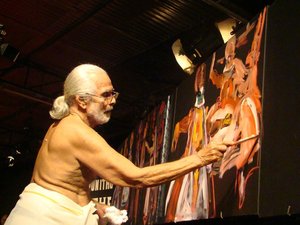
karuvattu mana vasudevan namboothiri
1925 - 2023 , India
Основные сведения
- Artistic Movement Or Style:
- Assemblage
- Combine painting
- Neo-Dada
- Abstract expressionism
- Pop art
- Artists Or Movements Influenced By This Artist:
- Pop Art
- Neo-Dada
- Artists Who Influenced This Artist:
- Picasso
- Pollock
- Marcel Duchamp
- Date Of Birth: October 22, 1925
- Date Of Death: May 12, 2008
- Full Name: Robert Rauschenberg
- Nationality: American
- Notable Artworks:
- Canyon
- Monogram
- Rauschenberg Cards
- Place Of Birth: Port Arthur, Texas, USA
Похожие статьи
Echoes of Time: Exploring the Enduring Appeal of Vintage Artwork
Explore the captivating world of vintage art! Discover its history, enduring appeal, & how to build your own collection. Expert advice, custom reproductions & museum-quality prints at ArtsDot.
Echoes of Eras Past: Exploring Themes & Techniques in Vintage Art Collections
Explore the captivating world of vintage art! Discover historical movements, iconic themes & collecting tips. Find handmade reproductions & expert appraisal at ArtsDot.
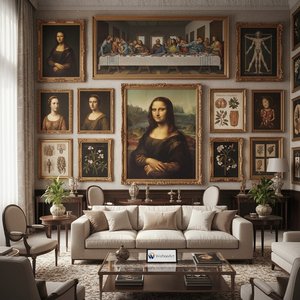
Леонардо да Винчи: Топ-25 шедевров для ценителей искусства и роскошного интерьера
Погрузитесь в мир гения Леонардо да Винчи! 25 шедевров эпохи Возрождения, истории создания картин и техники великого мастера. Репродукции высокого качества для вашего интерьера на ArtsDot.com. Откройте всю коллекцию онлайн!
Echoes of Time: Nostalgia, Technique & Cultural Significance in Vintage Paintings
Explore the captivating world of vintage paintings! Discover key styles, cultural significance & collecting tips from art experts at ArtsDot. Find authentic reproductions and elevate your home décor.

Echoes of Time: Exploring the Enduring Appeal & Historical Context of Vintage Art Prints
Explore the captivating world of vintage art prints! Discover their history, collecting tips & enduring appeal. Expert insights on chromolithography and building a legacy collection with ArtsDot.