

 Предпросмотр
 Поделиться
 Поделиться
 Детали произведения

 Скачать
 Похожие работы
 Рентгенография
 Слайд-шоу
 Статистика
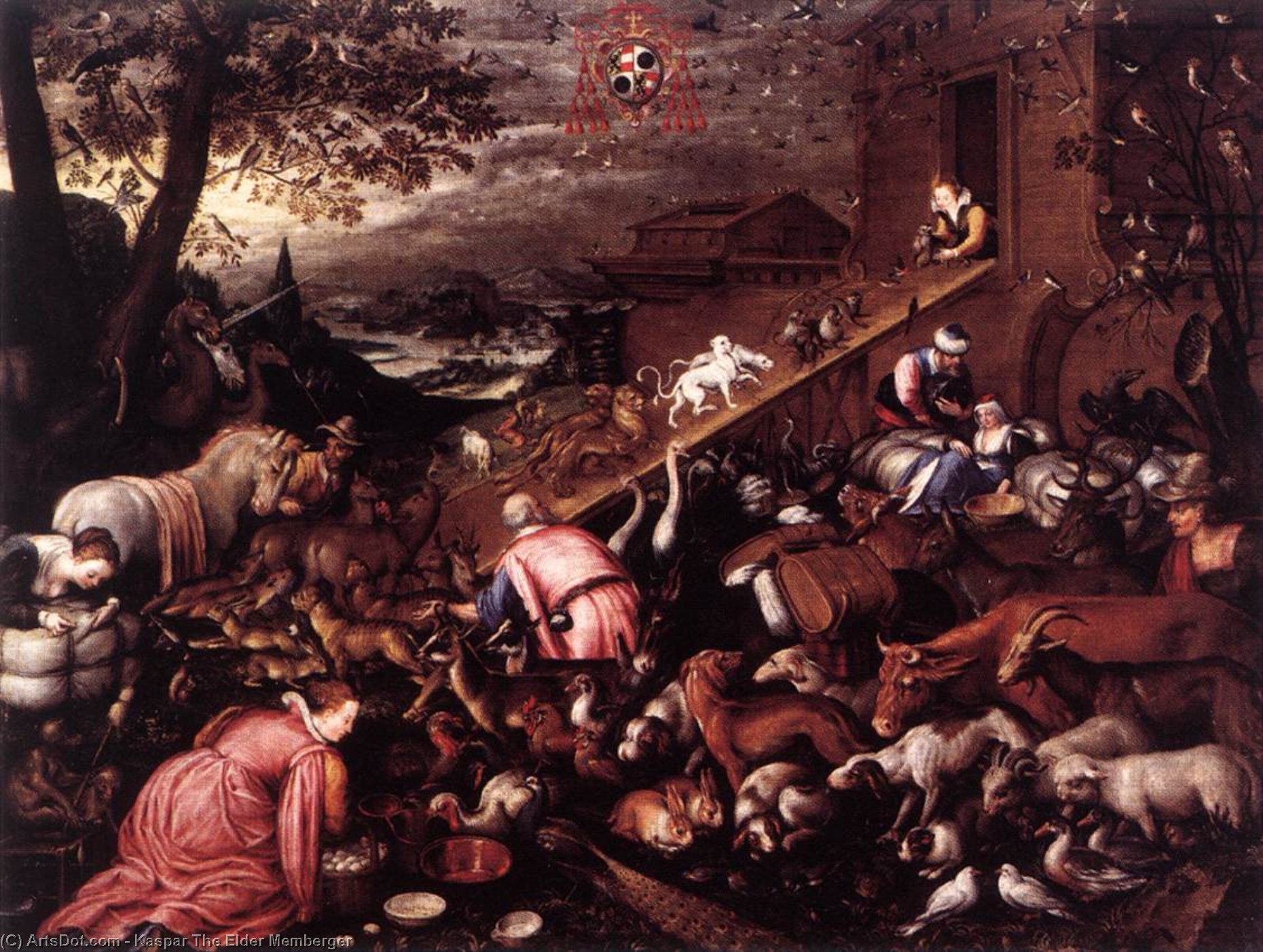
Noah's Ark Cycle: 2. Entering the Ark
 German Renaissance
 1588
1588- Renaissance
 124.0 x 163.0 cm
 Residenzgalerie
 Читать далее
Приобретите цифровое изображение высокого разрешения в улучшенном качестве, которое значительно превосходит онлайн-превью.
Каждый файл тщательно подготавливается нашими специалистами с использованием передовых инструментов и экспертной ручной ретуши. Мы гарантируем исключительную четкость, точную цветопередачу и детальную проработку каждого изображения.
Финальный файл доставляется по электронной почте в течение 72 часов и оптимизирован для немедленного использования в профессиональной среде, при верстке и печати. Это тот же уровень качества, которому доверяют ведущие дизайнерские студии, издательства и галереи.
Цифровое изображение
Скачайте файл высокого разрешения для личного использования, печати и творческих проектов. ( Перейти к печати Купить картину ручной работы)
Включено в каждый заказ цифровых изображений
Гарантия экспертной цифровой доставки
Выбирая ArtsDot.com, вы получаете не просто изображение — вы приобретаете профессионально обработанное цифровое произведение искусства, созданное с безупречной точностью и под защитой гарантии качества. Вот всё, что автоматически входит в ваш заказ:

Мгновенная доставка по e-mail
Ваш цифровой файл в высоком разрешении будет отправлен вам по электронной почте в течение 72 часов после оформления заказа — и сразу станет доступен для использования.

Цифровой файл с ИИ-улучшением
Ваше произведение искусства проходит профессиональную оптимизацию с использованием передовых инструментов ИИ и ручной обработки, что гарантирует максимальную детализацию, четкость и точность цветопередачи.

Бессрочная бесплатная повторная доставка
Случайно удалили или потеряли файл? Не беспокойтесь — мы отправим его вам повторно в любое время и совершенно бесплатно.

Без импортных пошлин — навсегда
Наслаждайтесь вашим произведением искусства мгновенно без таможенных пошлин, сборов или затрат на доставку — цифровые загрузки всегда не облагаются налогом.

Гарантия точности цветопередачи
Мы гарантируем, что ваше цифровое изображение максимально точно передает оригинальные цвета благодаря использованию профессиональных инструментов и систем управления цветом.

Гарантия удовлетворенности 100 дней
Если вы не будете удовлетворены своим цифровым изображением, мы внесем правки или вернем 100% стоимости в течение 100 дней — без лишних вопросов.

100% Гарантия возврата средств
Не удовлетворены покупкой? Получите полный возврат средств в течение 100 дней после получения цифрового файла — без лишних вопросов.

Скидки на оптовые заказы
Купите 3 изображения, сэкономьте 10% — Купите 5, сэкономьте 15% — Купите 10+, сэкономьте 20%. Отличное решение для творческих проектов, галерей и агентств.
A Symphony of Survival: Reimagining the Biblical Epic
In the profound depths of the late sixteenth century, Kaspar the Elder Memberger captured a moment of monumental significance with Noah's Ark Cycle: 2. Entering the Ark. This masterpiece, dating back to 1588, serves as more than just a religious illustration; it is a breathtaking window into a world poised on the precipice of transformation. The painting presents a sprawling, intricate tableau where the colossal structure of the ark dominates the canvas, acting as a wooden sanctuary amidst an impending deluge. As the viewer’s eye wanders through the composition, they are met with a rhythmic dance of life—a diverse procession of cows, sheep, goats, and horses, all moving toward their wooden refuge. The sheer scale of the vessel, paired with the meticulous placement of birds fluttering near its heights, creates a sense of overwhelming grandeur that commands the attention of any collector or admirer of Renaissance narrative art.
The technique employed by Memberger reflects the rigorous humanist traditions of his era, blending anatomical precision with an almost cinematic sense of movement. Every creature, from the heavy-set cattle to the delicate plumage of the soaring birds, is rendered with a devotion to detail that suggests both scientific observation and spiritual reverence. The artist utilizes a rich, layered approach to texture, allowing the viewer to feel the rugged grain of the ark's timber and the soft, organic forms of the gathered animals. This mastery of form ensures that the painting does not merely depict a scene, but breathes life into it, making the preparations for the journey feel immediate and visceral. For the interior designer, such a piece offers a profound focal point, bringing a sense of historical weight and narrative complexity to a curated space.
Symbolism and the Human Spirit
Beyond its surface-level depiction of a biblical event, the work is steeped in layers of symbolic meaning that resonate with the human condition. The act of "entering" represents a threshold between the old world and the new, a transition from chaos to sanctuary. The people scattered throughout the scene—some perched high upon the structure, others tending to the livestock below—embody the virtues of diligence, stewardship, and faith. Their presence provides a necessary human scale to the epic proportions of the ark, grounding the divine narrative in the relatable toil of preparation. This interplay between the monumental and the mundane creates an emotional resonance that is both humbling and inspiring.
For those seeking to adorn a home or gallery with art that evokes contemplation, this reproduction offers an unparalleled opportunity. It is a piece that invites long periods of study, where one might discover new details in the shadows of the ark or the subtle expressions of the figures. The painting serves as a timeless reminder of resilience and the preservation of life against all odds. Whether placed in a traditional study or a contemporary living space, Entering the Ark acts as a conversation starter, bridging the gap between sixteenth-century German craftsmanship and the modern appreciation for storytelling through fine art.
Похожие произведения

Биография художника
The Precision of a Renaissance Master
In the twilight of the sixteenth century, as the intellectual currents of Humanism swept across the European continent, the art of printmaking underwent a profound transformation. At the heart of this movement stood Kaspar the Elder Memberger, a master whose name became synonymous with the meticulous elegance of German Renaissance engraving. Born in the historic city of Konstanz around 1555, Memberger emerged from a landscape where the precision of scientific observation began to merge with the soulful depth of classical idealism. His life and work serve as a testament to an era when the copper plate became a window into the human psyche, capturing not just the likeness of his subjects, but their very essence through the delicate dance of light and shadow.
The foundations of Memberger’s extraordinary skill were laid during his formative years in Basel. It was here, under the watchful eye and rigorous guidance of the esteemed Johann Rudolf Boecklin, that the young artist learned to translate the three-dimensional world into the intricate language of lines. This apprenticeship was more than a mere technical training; it was an immersion into the allegorical traditions and landscape mastery that defined the era. From Boeck_lin, Memberger inherited a profound respect for anatomical accuracy and a command of perspective, elements that would later allow him to breathe life into the cold metal of his engraving tools.
Technique and the Art of the Burin
To observe a work by Memberger is to witness a masterclass in technical discipline. While many of his contemporaries focused on the broader strokes of painting, Memberger found his true calling in the intimate, demanding realm of printmaking. He possessed an uncanny ability to manipulate the burin and experiment with early mezzotint techniques, pushing the boundaries of what could be achieved on a copper surface. His mastery lay in his capacity for tonal variation; through a sophisticated network of cross-hatching and fine incisions, he could simulate the soft texture of velvet, the cold sheen of armor, or the subtle warmth of human skin.
This technical prowess was never an end in itself, but rather a means to achieve a higher level of psychological realism. His engravings were not mere reproductions of existing paintings but were independent artistic visions. By controlling the density of his lines, he could direct the viewer's eye through a composition, creating a sense of depth and atmosphere that felt almost cinematic. This ability to evoke texture and light made his prints highly sought after by collectors who craved the tactile reality that only a master engraver could provide.
Legacy of the Portraitist
The historical significance of Kaspar the Elder Memberger is perhaps most visible in his celebrated portraiture. Serving a prestigious clientele of noble families across Switzerland and Germany, he became a chronicler of the era's social and political elite. His portraits are characterized by a dignified stillness, a quality that reflects the humanist preoccupation with the individual's place within the cosmos. In these works, one finds a remarkable balance between the external trappings of status—the intricate lace, the heavy drapery, and the ornate jewelry—and an internal, contemplative depth.
Memberger’s contribution to the graphic arts helped bridge the gap between the late Middle Ages and the burgeoning Baroque period. His work ensured that the meticulous detail of the Renaissance was preserved and disseminated through the medium of print, allowing his vision to reach far beyond the confines of a single court or cathedral. Today, we look back at Memberger not just as a skilled craftsman, but as a pivotal figure who helped define the visual language of an age, leaving behind a legacy of precision, grace, and enduring human connection.
kaspar the elder memberger
1555 - 1618 , Germany
Основные сведения
- Artistic Movement Or Style: Renaissance Prints
- Artists Or Movements Influenced By This Artist: ['']
- Artists Who Influenced This Artist: ['']
- Date Of Birth: ca. 1555
- Date Of Death: 1618
- Full Name: Kaspar the Elder Memberger
- Nationality: German
- Notable Artworks: ['Annunciation']
- Place Of Birth: Konstanz, Germany