

 Предпросмотр
 Поделиться
 Поделиться
 Детали произведения

 Скачать
 Похожие работы
 Рентгенография
 Слайд-шоу
 Статистика
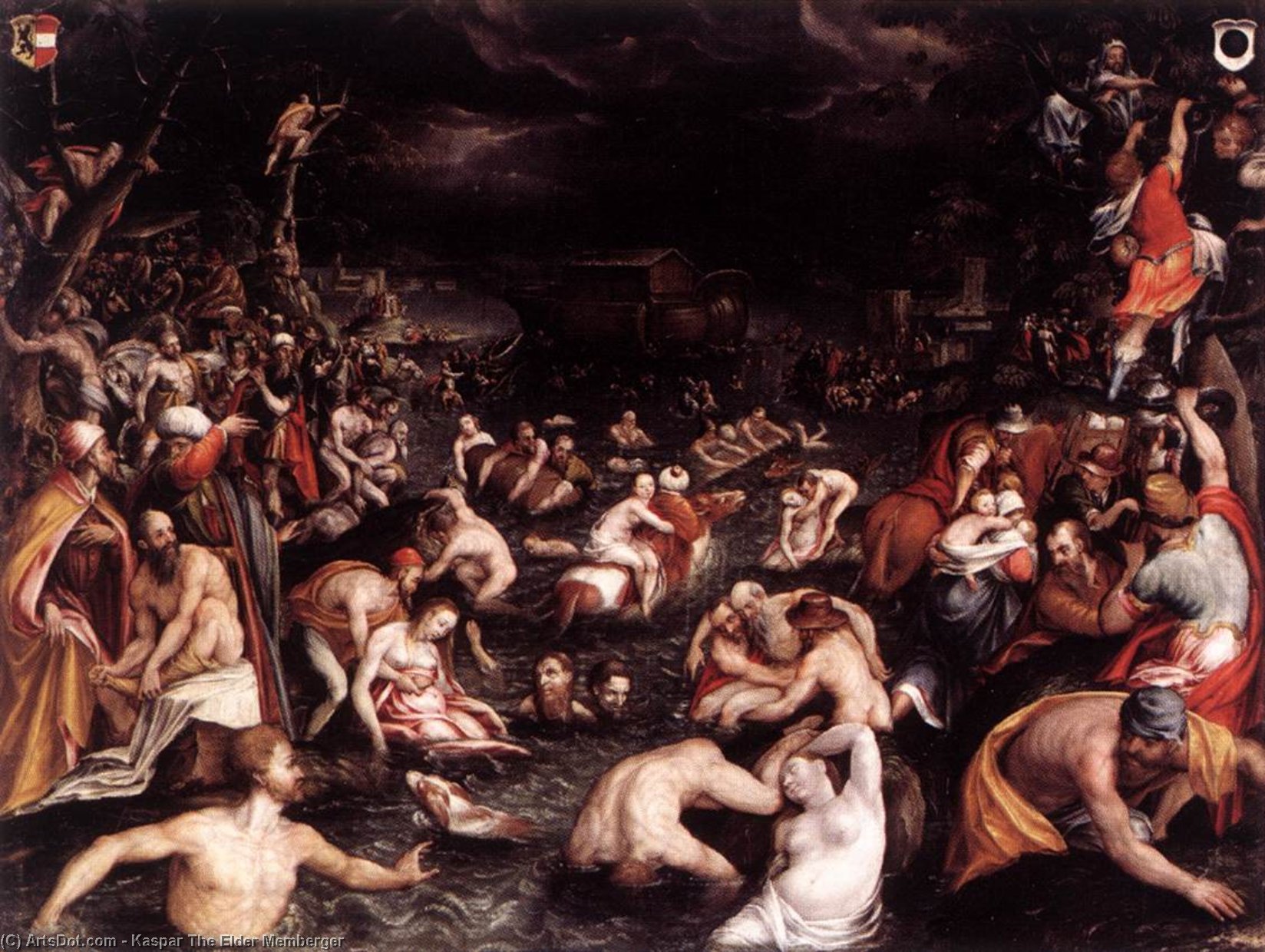
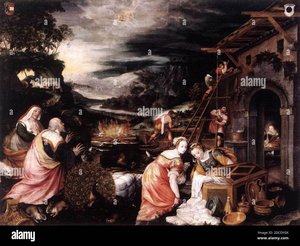
Noah's Ark Cycle: 3. The Flood
 Oil On Canvas
- WallArt
- German Renaissance
 1588
1588- Renaissance
 128.0 x 164.0 cm
 Residenzgalerie
 Читать далее
Жикле / Арт-принт
Печать (жикле) или холст музейного качества с быстрыми сроками изготовления и широким выбором вариантов отделки. ( Купить картину ручной работы Перейти к цифровым изображениям)




































Выберите один из наших стандартных размеров, соответствующих оригинальным пропорциям произведения искусства.

Вы можете указать свои собственные размеры, чтобы репродукция идеально подошла под конкретную раму или пространство. Если выбранный вами размер не будет соответствовать пропорциям оригинала, мы либо обрежем произведение, либо дополним изображение зеркальным отражением краев или однотонной заливкой. Перед началом производства вам будет отправлен цифровой макет для утверждения.
Пожалуйста, обратите внимание, что предварительный просмотр на экране не отображает фактическую обрезку или расширение изображения. Только макет точно покажет финальную композицию.
Несмотря на возможность заказа индивидуальных размеров, мы рекомендуем выбирать размер из предопределенного списка, чтобы сохранить оригинальные пропорции.
Доставка по всему миру () за 2 недели вместо стандартных 4/5 недель. (12 Сентябрь)

Бесплатная экспресс-доставка по всему миру

Высококачественный льняной холст

Полное страхование доставки

Гарантия возмещения таможенных пошлин

Гарантия точного соответствия цветов

100-дневная политика возврата (только при обнаружении дефектов)

Гарантия возврата 100% средств

Предложение оптовых скидок
 Вариант со стеклом доступен только для размеров менее 110 см

Noah's Ark Cycle: 3. The Flood
Жикле / Арт-принт
Размер репродукции
-


Итоговая стоимость
$ 62
A Symphony of Chaos and Survival
In the profound depths of the late sixteenth century, few images capture the raw, elemental power of divine reckoning as vividly as Kaspar the Elder Memberger’s Noah's Ark Cycle: 3. The Flood. Painted in 1588, this monumental oil on canvas serves as a breathtaking window into a world submerged. The composition is a masterclass in dramatic tension, where the boundaries between heaven and earth dissolve into a deluge of rain and rising tides. As the viewer’s eye wanders through the scene, they are met with a swirling choreography of life attempting to endure amidst catastrophe. From the frantic flight of birds silhouetted against a heavy sky to the stoic presence of livestock scattered throughout the landscape, Memberger captures a moment where the natural order is being violently rewritten.
The technical prowess displayed in this work is nothing short of extraordinary, making it a centerpiece of immense value for any serious collector or curator. Memberger utilizes a sophisticated layering of oil pigments to create a palpable sense of atmosphere; one can almost feel the dampness of the air and the weight of the downpour. The artist employs a brilliant use of depth, positioning figures in the foreground with striking clarity while allowing the distant Ark to emerge through a hazy, aqueous veil. This technique not only provides a sense of immense scale but also guides the eye on a spiritual journey from the immediate struggle of the people below toward the sanctuary of the vessel above. For interior designers, the painting’s ability to command a room through its complex textures and moody, tonal palette offers an unparalleled opportunity to introduce historical gravity and narrative depth to a sophisticated space.
Symbolism and the Human Spirit
Beyond its visual splendor, The Flood is a profound meditation on resilience and the duality of destruction and salvation. The presence of umbrellas held by figures amidst the rising waters serves as a poignant symbol of human ingenuity and the desperate attempt to find shelter within an uncontrollable storm. There is a haunting beauty in the way Memberger depicts the coexistence of animals and humans in this shared struggle, suggesting a universal vulnerability that transcends species. The Ark itself, looming in the mid-ground, acts as a beacon of hope—a silent promise of a new beginning amidst the wreckage of the old world.
To possess a reproduction of such a significant piece is to invite a conversation about history, faith, and the enduring strength of the spirit into one's home. This artwork does not merely decorate a wall; it anchors a room with its emotional weight and historical resonance. Whether placed in a grand library or a contemporary gallery setting, Memberger’s masterpiece continues to evoke a sense of awe, reminding us that even in the most turbulent of times, there is a profound, structured beauty to be found in the struggle for survival.
Похожие произведения

Биография художника
The Precision of a Renaissance Master
In the twilight of the sixteenth century, as the intellectual currents of Humanism swept across the European continent, the art of printmaking underwent a profound transformation. At the heart of this movement stood Kaspar the Elder Memberger, a master whose name became synonymous with the meticulous elegance of German Renaissance engraving. Born in the historic city of Konstanz around 1555, Memberger emerged from a landscape where the precision of scientific observation began to merge with the soulful depth of classical idealism. His life and work serve as a testament to an era when the copper plate became a window into the human psyche, capturing not just the likeness of his subjects, but their very essence through the delicate dance of light and shadow.
The foundations of Memberger’s extraordinary skill were laid during his formative years in Basel. It was here, under the watchful eye and rigorous guidance of the esteemed Johann Rudolf Boecklin, that the young artist learned to translate the three-dimensional world into the intricate language of lines. This apprenticeship was more than a mere technical training; it was an immersion into the allegorical traditions and landscape mastery that defined the era. From Boeck_lin, Memberger inherited a profound respect for anatomical accuracy and a command of perspective, elements that would later allow him to breathe life into the cold metal of his engraving tools.
Technique and the Art of the Burin
To observe a work by Memberger is to witness a masterclass in technical discipline. While many of his contemporaries focused on the broader strokes of painting, Memberger found his true calling in the intimate, demanding realm of printmaking. He possessed an uncanny ability to manipulate the burin and experiment with early mezzotint techniques, pushing the boundaries of what could be achieved on a copper surface. His mastery lay in his capacity for tonal variation; through a sophisticated network of cross-hatching and fine incisions, he could simulate the soft texture of velvet, the cold sheen of armor, or the subtle warmth of human skin.
This technical prowess was never an end in itself, but rather a means to achieve a higher level of psychological realism. His engravings were not mere reproductions of existing paintings but were independent artistic visions. By controlling the density of his lines, he could direct the viewer's eye through a composition, creating a sense of depth and atmosphere that felt almost cinematic. This ability to evoke texture and light made his prints highly sought after by collectors who craved the tactile reality that only a master engraver could provide.
Legacy of the Portraitist
The historical significance of Kaspar the Elder Memberger is perhaps most visible in his celebrated portraiture. Serving a prestigious clientele of noble families across Switzerland and Germany, he became a chronicler of the era's social and political elite. His portraits are characterized by a dignified stillness, a quality that reflects the humanist preoccupation with the individual's place within the cosmos. In these works, one finds a remarkable balance between the external trappings of status—the intricate lace, the heavy drapery, and the ornate jewelry—and an internal, contemplative depth.
Memberger’s contribution to the graphic arts helped bridge the gap between the late Middle Ages and the burgeoning Baroque period. His work ensured that the meticulous detail of the Renaissance was preserved and disseminated through the medium of print, allowing his vision to reach far beyond the confines of a single court or cathedral. Today, we look back at Memberger not just as a skilled craftsman, but as a pivotal figure who helped define the visual language of an age, leaving behind a legacy of precision, grace, and enduring human connection.
kaspar the elder memberger
1555 - 1618 , Germany
Основные сведения
- Artistic Movement Or Style: Renaissance Prints
- Artists Or Movements Influenced By This Artist: ['']
- Artists Who Influenced This Artist: ['']
- Date Of Birth: ca. 1555
- Date Of Death: 1618
- Full Name: Kaspar the Elder Memberger
- Nationality: German
- Notable Artworks: ['Annunciation']
- Place Of Birth: Konstanz, Germany
Похожие статьи
The Northern Awakening: Artistic Innovation & Cultural Transformation in the German Renaissance
Explore the artistic innovation of the German Renaissance! Discover Dürer, the Danube School & Reformation art. Learn about techniques, materials & lasting influence. Find museum-quality reproductions at ArtsDot.
Illuminating Faith: Biblical Scenes & Their Enduring Legacy in Art History
Explore the profound history of biblical art! Discover Renaissance masterpieces by Giotto & more. Uncover symbolism, artistic techniques, and lasting influence. Expert insights at ArtsDot.

Illuminating Faith: Biblical Narrative & Artistic Expression Through the Ages
Explore the rich history of biblical art from Giotto to the Renaissance masters with ArtsDot. Discover symbolism, techniques & enduring legacies. Museum-quality reproductions & expert insights.

Anton von Werner: Imperial Painter, Historical Witness & Shifting German Identity
Explore the life & work of Anton von Werner, Imperial Germany's leading painter. Discover his dramatic depictions of war, unification, and court life – a fascinating insight into 19th-century German history & art.

10 Шедевров Немецкого Экспрессионизма: Искусство Эмоций и Вдохновения | ArtsDot
Погрузитесь в мир немецкого экспрессионизма! Узнайте истории создания шедевров Мунка, Кирхнера, Кандинского и других великих художников. Репродукции картин высокого качества для вашего интерьера на ArtsDot.com. Откройте всю коллекцию онлайн!