


 Предпросмотр
 Поделиться
 Поделиться
 Детали произведения

 Скачать
 Похожие работы
 Рентгенография
 Слайд-шоу
 Статистика
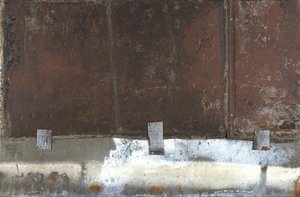
Untitled
 2017
2017 120.0 x 80.0 cm
 Lentos Kunstmuseum Linz
 Читать далее
Приобретите цифровое изображение высокого разрешения в улучшенном качестве, которое значительно превосходит онлайн-превью.
Каждый файл тщательно подготавливается нашими специалистами с использованием передовых инструментов и экспертной ручной ретуши. Мы гарантируем исключительную четкость, точную цветопередачу и детальную проработку каждого изображения.
Финальный файл доставляется по электронной почте в течение 72 часов и оптимизирован для немедленного использования в профессиональной среде, при верстке и печати. Это тот же уровень качества, которому доверяют ведущие дизайнерские студии, издательства и галереи.
Цифровое изображение
Скачайте файл высокого разрешения для личного использования, печати и творческих проектов. ( Перейти к печати Купить картину ручной работы)
Включено в каждый заказ цифровых изображений
Гарантия экспертной цифровой доставки
Выбирая ArtsDot.com, вы получаете не просто изображение — вы приобретаете профессионально обработанное цифровое произведение искусства, созданное с безупречной точностью и под защитой гарантии качества. Вот всё, что автоматически входит в ваш заказ:

Мгновенная доставка по e-mail
Ваш цифровой файл в высоком разрешении будет отправлен вам по электронной почте в течение 72 часов после оформления заказа — и сразу станет доступен для использования.

Цифровой файл с ИИ-улучшением
Ваше произведение искусства проходит профессиональную оптимизацию с использованием передовых инструментов ИИ и ручной обработки, что гарантирует максимальную детализацию, четкость и точность цветопередачи.

Бессрочная бесплатная повторная доставка
Случайно удалили или потеряли файл? Не беспокойтесь — мы отправим его вам повторно в любое время и совершенно бесплатно.

Без импортных пошлин — навсегда
Наслаждайтесь вашим произведением искусства мгновенно без таможенных пошлин, сборов или затрат на доставку — цифровые загрузки всегда не облагаются налогом.

Гарантия точности цветопередачи
Мы гарантируем, что ваше цифровое изображение максимально точно передает оригинальные цвета благодаря использованию профессиональных инструментов и систем управления цветом.

Гарантия удовлетворенности 100 дней
Если вы не будете удовлетворены своим цифровым изображением, мы внесем правки или вернем 100% стоимости в течение 100 дней — без лишних вопросов.

100% Гарантия возврата средств
Не удовлетворены покупкой? Получите полный возврат средств в течение 100 дней после получения цифрового файла — без лишних вопросов.

Скидки на оптовые заказы
Купите 3 изображения, сэкономьте 10% — Купите 5, сэкономьте 15% — Купите 10+, сэкономьте 20%. Отличное решение для творческих проектов, галерей и агентств.
Похожие произведения









Биография художника
Jean-Michel Basquiat: A Voice From the Streets and Beyond
Jean-Michel Basquiat’s story is one of astonishing speed, meteoric rise, and tragically premature end – a whirlwind journey from the gritty streets of Brooklyn to the hallowed halls of the art world. Born in 1960 to Haitian and Puerto Rican parents, his early life was marked by movement and uncertainty, culminating in a teenage exodus to Lower Manhattan where he immersed himself in the vibrant, rebellious culture of New York’s downtown scene. This formative period, steeped in graffiti, punk rock, and a burgeoning sense of social awareness, would profoundly shape his artistic vision and become the bedrock upon which his iconic style was built.
Initially known as SAMO – an abbreviation for “same old, same old” – Basquiat began tagging walls with cryptic statements alongside fellow artists like Al Diaz. These early works, often incorporating poetry and social commentary, established a unique voice and laid the groundwork for his later explorations of identity, power dynamics, and cultural critique. The "Times Square Show" in 1980, a collaborative exhibition featuring SAMO’s work, catapulted him into the spotlight, attracting the attention of art critics and collectors alike. It was here that Basquiat began to transition from street art to canvas, embracing a more formal artistic practice while retaining the raw energy and subversive spirit of his earlier graffiti.
The Rise of Neo-Expressionism and Market Forces
By 1981, Basquiat’s paintings were gaining significant recognition. The influential article “The Radiant Child” in *Rolling Stone* magazine, written by critic Rene Ricard, solidified his position as a rising star, describing him not simply as a painter but as an "individual" – a concept that resonated deeply within the rapidly evolving art market of the 1980s. This period coincided with a surge in interest in large-scale painting and a shift away from minimalist aesthetics, giving rise to Neo-Expressionism. Basquiat’s work perfectly embodied this movement, characterized by bold colors, expressive brushstrokes, and a willingness to confront difficult subjects.
His art was not merely aesthetic; it was deeply rooted in social commentary. He grappled with issues of race, class, and representation, often incorporating elements of African history, mythology, and Black culture into his compositions. As critic Ricard noted, Basquiat was acutely aware of the complexities of his position within the art world – simultaneously celebrated for his talent and subjected to stereotypes and tokenization. His work became a direct challenge to these contradictions, demanding recognition not just as an artist but as a person with a unique perspective.
A Visual Language of Symbols and References
Basquiat’s visual language was remarkably complex and layered, drawing on a diverse range of influences. His paintings frequently featured anatomical diagrams alongside text – lists, inventories, names, and phrases – creating a chaotic yet strangely coherent tapestry of information. These elements were often juxtaposed with symbols derived from African art, pop culture, and personal experiences. He employed techniques borrowed from jazz improvisation—building upon multiple references to create expansive, gestural compositions.
The artist’s use of words was particularly significant. He didn't simply decorate his canvases with text; he integrated it as a crucial component of the artwork itself, inviting viewers to decipher its meaning and engage in a dialogue with the work. Many of his images possessed multiple layers of interpretation, some deliberately ambiguous, others explicitly critical. He sought collisions of imagery and words, recreating the experience of navigating a world brimming with both excitement and oppression.
Legacy and Enduring Significance
Despite his tragically short life – he died in 1988 at the age of twenty-seven from a heroin overdose – Jean-Michel Basquiat’s impact on the art world is immeasurable. His work continues to be exhibited, studied, and collected with increasing fervor, and his influence can be seen in countless contemporary artists. The market for his paintings has soared over the decades, with works selling for tens of millions of dollars at auction – a testament to the enduring power of his vision.
Basquiat’s legacy extends beyond the realm of art; he remains a potent symbol of artistic rebellion, social critique, and the struggle for recognition. His story serves as a reminder of the complexities of fame, the challenges faced by marginalized artists, and the transformative potential of creative expression. His paintings are not just beautiful objects; they are windows into a turbulent era and a profound meditation on identity, history, and the human condition.

katharina gruzei
1982 - , Austria
Основные сведения
- Artistic Movement Or Style: Neo-Expressionism
- Artists Or Movements Influenced By This Artist:
- Jazz
- African art
- Artists Who Influenced This Artist:
- Andy Warhol
- Graffiti artists
- Date Of Birth: 1960
- Date Of Death: 1988
- Full Name: Jean-Michel Basquiat
- Nationality: American
- Notable Artworks:
- Untitled (1982)
- Dustheads
- Echoes in the Rain
- Place Of Birth: Brooklyn, New York