

 Предпросмотр
 Поделиться
 Поделиться
 Детали произведения

 Скачать
 Похожие работы
 Рентгенография
 Слайд-шоу
 Статистика
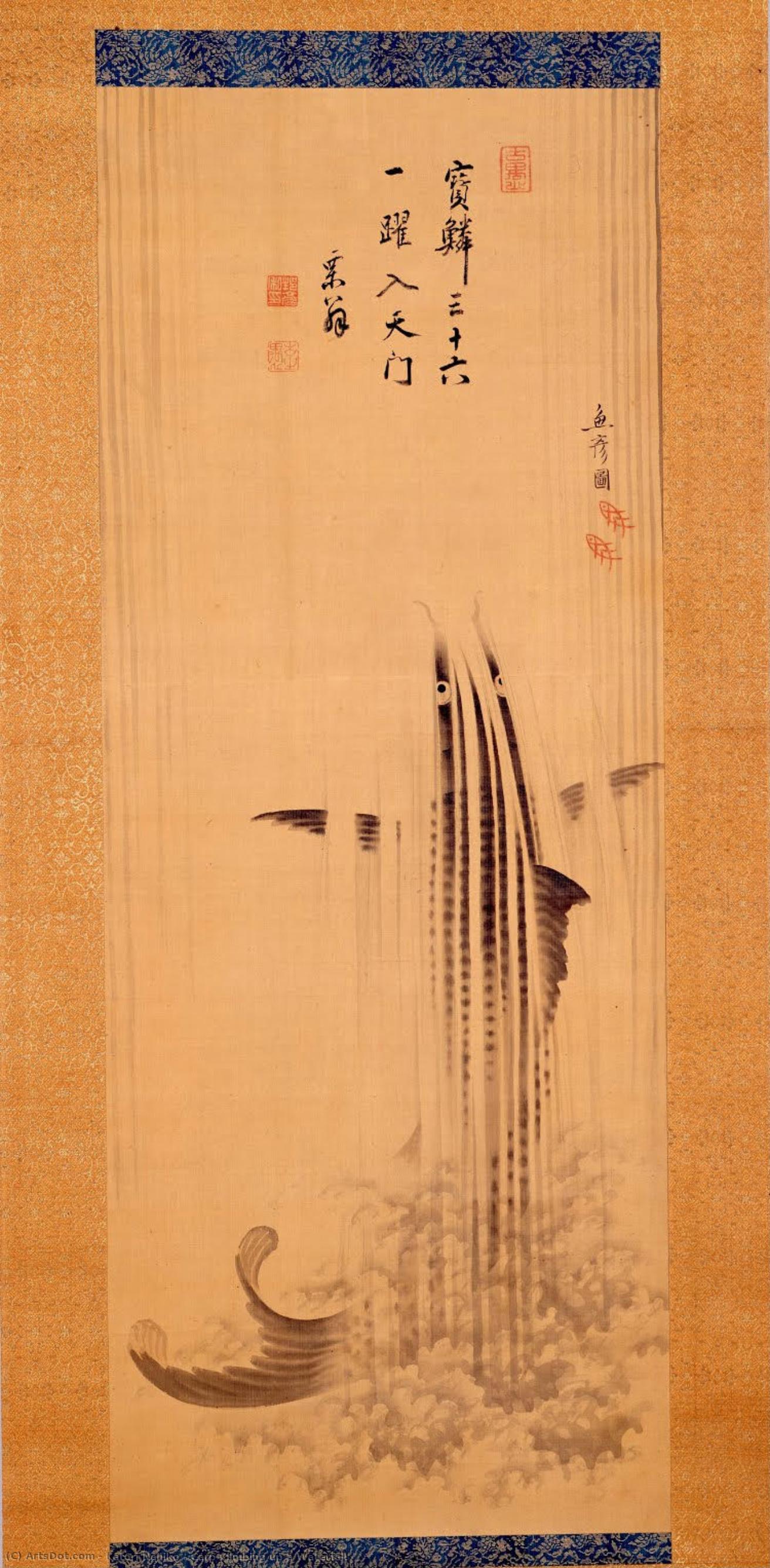
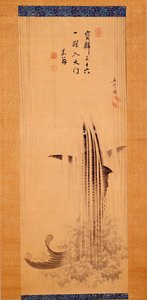
Carp Climbing up a Waterfall

 Читать далее
Приобретите цифровое изображение высокого разрешения в улучшенном качестве, которое значительно превосходит онлайн-превью.
Каждый файл тщательно подготавливается нашими специалистами с использованием передовых инструментов и экспертной ручной ретуши. Мы гарантируем исключительную четкость, точную цветопередачу и детальную проработку каждого изображения.
Финальный файл доставляется по электронной почте в течение 72 часов и оптимизирован для немедленного использования в профессиональной среде, при верстке и печати. Это тот же уровень качества, которому доверяют ведущие дизайнерские студии, издательства и галереи.
Цифровое изображение
Скачайте файл высокого разрешения для личного использования, печати и творческих проектов. ( Перейти к печати Купить картину ручной работы)
Включено в каждый заказ цифровых изображений
Гарантия экспертной цифровой доставки
Выбирая ArtsDot.com, вы получаете не просто изображение — вы приобретаете профессионально обработанное цифровое произведение искусства, созданное с безупречной точностью и под защитой гарантии качества. Вот всё, что автоматически входит в ваш заказ:

Мгновенная доставка по e-mail
Ваш цифровой файл в высоком разрешении будет отправлен вам по электронной почте в течение 72 часов после оформления заказа — и сразу станет доступен для использования.

Цифровой файл с ИИ-улучшением
Ваше произведение искусства проходит профессиональную оптимизацию с использованием передовых инструментов ИИ и ручной обработки, что гарантирует максимальную детализацию, четкость и точность цветопередачи.

Бессрочная бесплатная повторная доставка
Случайно удалили или потеряли файл? Не беспокойтесь — мы отправим его вам повторно в любое время и совершенно бесплатно.

Без импортных пошлин — навсегда
Наслаждайтесь вашим произведением искусства мгновенно без таможенных пошлин, сборов или затрат на доставку — цифровые загрузки всегда не облагаются налогом.

Гарантия точности цветопередачи
Мы гарантируем, что ваше цифровое изображение максимально точно передает оригинальные цвета благодаря использованию профессиональных инструментов и систем управления цветом.

Гарантия удовлетворенности 100 дней
Если вы не будете удовлетворены своим цифровым изображением, мы внесем правки или вернем 100% стоимости в течение 100 дней — без лишних вопросов.

100% Гарантия возврата средств
Не удовлетворены покупкой? Получите полный возврат средств в течение 100 дней после получения цифрового файла — без лишних вопросов.

Скидки на оптовые заказы
Купите 3 изображения, сэкономьте 10% — Купите 5, сэкономьте 15% — Купите 10+, сэкономьте 20%. Отличное решение для творческих проектов, галерей и агентств.
Похожие произведения






Биография художника
The Soulful Depiction of Fish: The Life and Legacy of Katori Nahiko
In the vibrant, shifting landscape of Japan’s mid-Edo period, few figures possessed the multidisciplinary depth of Katori Nahiko (also known as Nabiko). Born on April 6th, 1723, in the town of Sawara, Nahiko was a man whose identity was woven from the threads of philosophy, poetry, and painting. His life was defined by a profound tension between the changing tides of a nation grappling with Western influences and a steadfast devotion to the refined, classical traditions of Kyoto. Though born into a family of textile craftsmen—an upbringing that gifted him with an enduring eye for texture and meticulous detail—his spirit sought the more ethereal realms of kokugaku (the study of classical Japanese texts) and the lyrical beauty of waka poetry.
The early years of Nahiko’s life were marked by a poignant loss that would later inform the emotional resonance of his work. The death of his father when he was only six years old instilled in him a resilient, contemplative nature. This period of hardship led him toward scholarly pursuits under the guidance of Takebe Ayatari, a monumental figure in Kyoto’s artistic circles. Through this mentorship, Nahiko did not merely learn to paint; he learned to observe the world with a scholar's precision and a poet's heart. His intellectual journey was further enriched by his engagement with the teachings of Kamo no Mabuchi, whose influence steered Nahiko toward the rhythmic elegance of classical Japanese verse, a discipline that would eventually bleed into the very brushstrokes of his canvases.
A Mastery of Nature and Symbolism
While many artists of his era sought fame through grand historical narratives or the bustling scenes of urban life, Katori Nahiko found his true voice in the quiet, rhythmic movements of the natural world. He is most celebrated for his captivating portrayal of fish, a motif that serves as the heartbeat of his oeuvre. To look upon a Nahiko painting is to witness more than mere biological observation; it is to encounter a symbolic language where the fluidity of water and the silver flash of scales reflect the transient beauty of existence. His technique was characterized by subtle, nuanced brushstrokes that captured the essence of life, conveying deep emotion through the simplest of forms.
His artistic development was marked by a transition from the scholarly to the professional, a move solidified in 1765 when he relocated to Edo. By establishing a studio near the residence of Kamo no Mabuchi, he positioned himself at the epicenter of Japan's intellectual elite, bridging the gap between the traditional aesthetics of Kyoto and the burgeoning energy of the capital. This period of his life allowed him to refine a style that was both intellectually rigorous and aesthetically sensitive, ensuring that his work remained rooted in the Nanga tradition—a style emphasizing serene landscapes and the meticulous observation of nature.
Legacy and Artistic Influence
The significance of Katori Nahiko extends far beyond his own completed works; his true legacy lies in the lineage of artists he nurtured. Perhaps his most notable pupil was Kubo Shunman, a master of late Edo period art who inherited Nahiko’s foundational principles of harmony and naturalism. Through this mentorship, Nahiko’s emphasis on the connection between humanity and the environment was passed down to a new generation, influencing the evolution of Ukiyo-e and the delicate balance of color and composition seen in later masters.
Ultimately, Katori Nahiko remains a singular figure in Japanese art history—a philosopher-painter who used the medium of ink and brush to explore the depths of the soul. His ability to marry the scholarly precision of kokugaku with the lyrical grace of poetry created a body of work that continues to resonate. He did not merely paint fish; he captured the very pulse of life, leaving behind an artistic echo that still whispers of the refined elegance and profound spiritual depth of old Kyoto.
Katori Nahiko
1723 - 1782 , Japan
Основные сведения
- Artistic Movement Or Style: Kyoto aesthetics
- Artists Or Movements Influenced By This Artist: ['Kamo no Mabuchi']
- Artists Who Influenced This Artist: ['Takebe Ayatari']
- Date Of Birth: April 6, 1723
- Full Name: Katori Nahiko
- Nationality: Japanese
- Notable Artworks: ['Carp Climbing up a Waterfall']
- Place Of Birth: Sawara, Japan