

 Предпросмотр
 Поделиться
 Поделиться
 Детали произведения

 Скачать
 Похожие работы
 Рентгенография
 Слайд-шоу
 Статистика
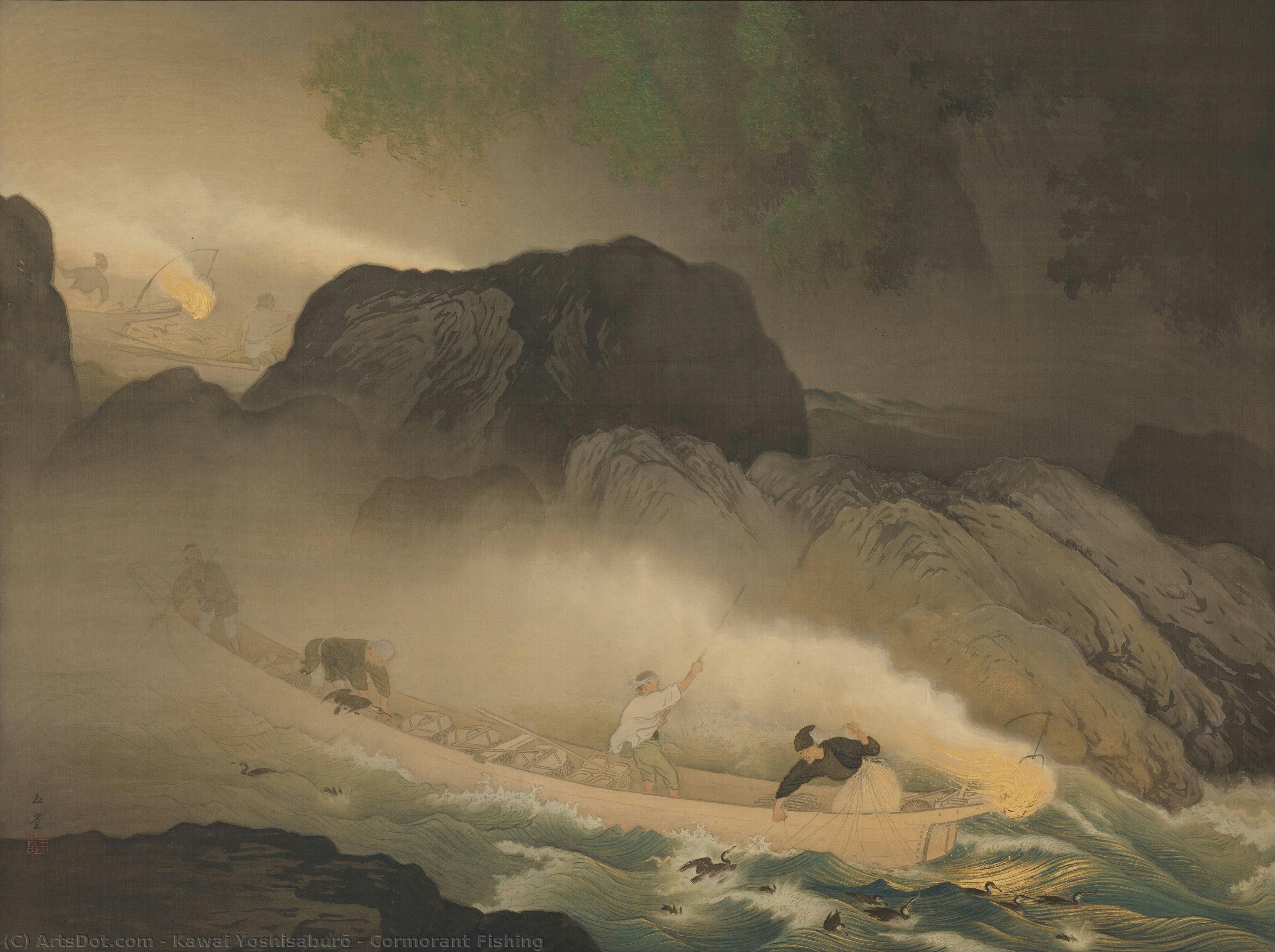
Cormorant Fishing
 1931
1931 87.0 x 117.0 cm
 Читать далее
Приобретите цифровое изображение высокого разрешения в улучшенном качестве, которое значительно превосходит онлайн-превью.
Каждый файл тщательно подготавливается нашими специалистами с использованием передовых инструментов и экспертной ручной ретуши. Мы гарантируем исключительную четкость, точную цветопередачу и детальную проработку каждого изображения.
Финальный файл доставляется по электронной почте в течение 72 часов и оптимизирован для немедленного использования в профессиональной среде, при верстке и печати. Это тот же уровень качества, которому доверяют ведущие дизайнерские студии, издательства и галереи.
Цифровое изображение
Скачайте файл высокого разрешения для личного использования, печати и творческих проектов. ( Перейти к печати Купить картину ручной работы)
Включено в каждый заказ цифровых изображений
Гарантия экспертной цифровой доставки
Выбирая ArtsDot.com, вы получаете не просто изображение — вы приобретаете профессионально обработанное цифровое произведение искусства, созданное с безупречной точностью и под защитой гарантии качества. Вот всё, что автоматически входит в ваш заказ:

Мгновенная доставка по e-mail
Ваш цифровой файл в высоком разрешении будет отправлен вам по электронной почте в течение 72 часов после оформления заказа — и сразу станет доступен для использования.

Цифровой файл с ИИ-улучшением
Ваше произведение искусства проходит профессиональную оптимизацию с использованием передовых инструментов ИИ и ручной обработки, что гарантирует максимальную детализацию, четкость и точность цветопередачи.

Бессрочная бесплатная повторная доставка
Случайно удалили или потеряли файл? Не беспокойтесь — мы отправим его вам повторно в любое время и совершенно бесплатно.

Без импортных пошлин — навсегда
Наслаждайтесь вашим произведением искусства мгновенно без таможенных пошлин, сборов или затрат на доставку — цифровые загрузки всегда не облагаются налогом.

Гарантия точности цветопередачи
Мы гарантируем, что ваше цифровое изображение максимально точно передает оригинальные цвета благодаря использованию профессиональных инструментов и систем управления цветом.

Гарантия удовлетворенности 100 дней
Если вы не будете удовлетворены своим цифровым изображением, мы внесем правки или вернем 100% стоимости в течение 100 дней — без лишних вопросов.

100% Гарантия возврата средств
Не удовлетворены покупкой? Получите полный возврат средств в течение 100 дней после получения цифрового файла — без лишних вопросов.

Скидки на оптовые заказы
Купите 3 изображения, сэкономьте 10% — Купите 5, сэкономьте 15% — Купите 10+, сэкономьте 20%. Отличное решение для творческих проектов, галерей и агентств.
Похожие произведения









Биография художника
The Genesis of a Master
Born into the fragrant atmosphere of a family dedicated to the craft of papermaking and ink production, Kawai Yoshisaburō’s destiny was etched in the very materials of his future art. In the heart of Ichinomiya, Aichi Prefecture, the young artist grew up surrounded by the tactile essence of tradition. This early immersion in the physical components of nihonga—the brushes, the pigments, and the delicate papers—provided a foundation far deeper than mere technical skill; it was an elemental connection to the medium itself. As he journeyed from his childhood home to the vibrant artistic hubs of Kyoto, his identity began to transform, eventually adopting the evocative pseudonym Kawai Gyokudō, a name that would become synonymous with the seasonal soul of Japan.A Tapestry of Influences
The evolution of Gyokudō’s style was a deliberate dance between the ancient and the emerging. Under the tutelage of masters like Mochizuki Gyokusen and Kōno Bairei, he absorbed the meticulous realism of the Maruyama-shijo school, learning to observe the natural world with an almost scientific precision. Yet, his spirit was not bound by the past alone. By integrating the disciplined brushwork of the Kanō school from Hashimoto Gahō and the luminous, atmospheric perspectives of Western Impressionism, he achieved a breathtaking synthesis. His canvases became more than mere depictions; they were windows into a world where:- Traditional Nihonga techniques met the vibrant, light-filled palettes of modern Europe.
- The mogu technique brought a powerful, textured life to the trunks of ancient pines.
- Compositional principles from Chinese traditions provided a structural elegance to his landscapes.
Capturing the Eternal Seasons
Gyokudō’s true mastery lay in his ability to arrest time, capturing the fleeting transitions of the Japanese landscape with profound emotional resonance. His oeuvre serves as a seasonal chronicle, where the arrival of spring and the descent of winter are felt through every brushstroke. In works such as “Futsuka zuki” (The New Moon), one finds a serene, moonlit winter stillness, while “Yuku haru” (The Departing Spring) evokes the bittersweet melancholy of falling blossoms. Whether portraying the dramatic silhouette of a hawk perched upon an old pine or the rhythmic dance of cormorant fishing against the dark rocks of Kinka-zan mountain, his art celebrates a harmonious existence between humanity and the wild. Through his eyes, the mountains and rivers are not merely scenery, but living, breathing entities that pulse with the rhythm of the earth.
kawai yoshisaburō
1873 - 1957 , Japan
Основные сведения
- Artistic Movement Or Style: Nihonga
- Artists Who Influenced This Artist:
- Kōno Bairei
- Hashimoto Gahō
- Date Of Birth: November 24, 1873
- Date Of Death: June 30, 1957
- Full Name: Kawai Yoshisaburō
- Nationality: Japanese
- Notable Artworks:
- Futsuka zuki
- Yuku haru
- Mine-no-yu
- Bosetsu
- Place Of Birth: Ichinomiya City, Aichi Prefecture