

 Предпросмотр
 Поделиться
 Поделиться
 Детали произведения

 Скачать
 Похожие работы
 Рентгенография
 Слайд-шоу
 Статистика
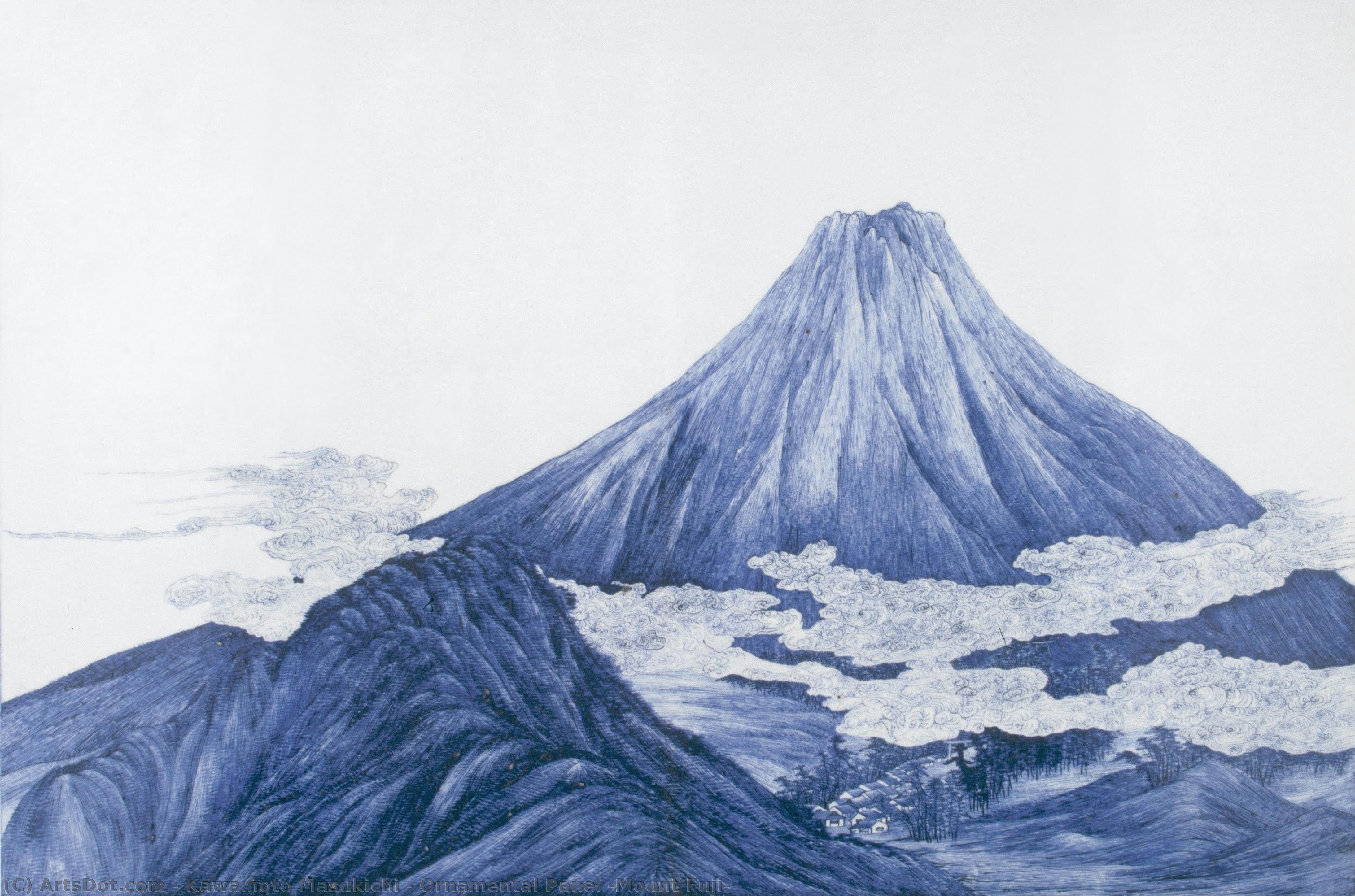
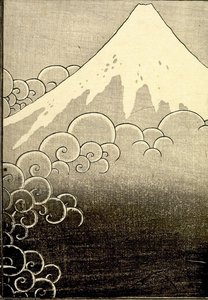
Ornamental Panel “Mount Fuji”


 Читать далее
Приобретите цифровое изображение высокого разрешения в улучшенном качестве, которое значительно превосходит онлайн-превью.
Каждый файл тщательно подготавливается нашими специалистами с использованием передовых инструментов и экспертной ручной ретуши. Мы гарантируем исключительную четкость, точную цветопередачу и детальную проработку каждого изображения.
Финальный файл доставляется по электронной почте в течение 72 часов и оптимизирован для немедленного использования в профессиональной среде, при верстке и печати. Это тот же уровень качества, которому доверяют ведущие дизайнерские студии, издательства и галереи.
Цифровое изображение
Скачайте файл высокого разрешения для личного использования, печати и творческих проектов. ( Перейти к печати Купить картину ручной работы)
Включено в каждый заказ цифровых изображений
Гарантия экспертной цифровой доставки
Выбирая ArtsDot.com, вы получаете не просто изображение — вы приобретаете профессионально обработанное цифровое произведение искусства, созданное с безупречной точностью и под защитой гарантии качества. Вот всё, что автоматически входит в ваш заказ:

Мгновенная доставка по e-mail
Ваш цифровой файл в высоком разрешении будет отправлен вам по электронной почте в течение 72 часов после оформления заказа — и сразу станет доступен для использования.

Цифровой файл с ИИ-улучшением
Ваше произведение искусства проходит профессиональную оптимизацию с использованием передовых инструментов ИИ и ручной обработки, что гарантирует максимальную детализацию, четкость и точность цветопередачи.

Бессрочная бесплатная повторная доставка
Случайно удалили или потеряли файл? Не беспокойтесь — мы отправим его вам повторно в любое время и совершенно бесплатно.

Без импортных пошлин — навсегда
Наслаждайтесь вашим произведением искусства мгновенно без таможенных пошлин, сборов или затрат на доставку — цифровые загрузки всегда не облагаются налогом.

Гарантия точности цветопередачи
Мы гарантируем, что ваше цифровое изображение максимально точно передает оригинальные цвета благодаря использованию профессиональных инструментов и систем управления цветом.

Гарантия удовлетворенности 100 дней
Если вы не будете удовлетворены своим цифровым изображением, мы внесем правки или вернем 100% стоимости в течение 100 дней — без лишних вопросов.

100% Гарантия возврата средств
Не удовлетворены покупкой? Получите полный возврат средств в течение 100 дней после получения цифрового файла — без лишних вопросов.

Скидки на оптовые заказы
Купите 3 изображения, сэкономьте 10% — Купите 5, сэкономьте 15% — Купите 10+, сэкономьте 20%. Отличное решение для творческих проектов, галерей и агентств.
Похожие произведения
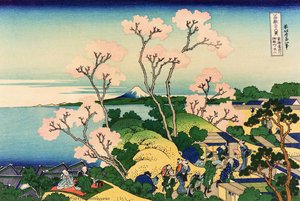
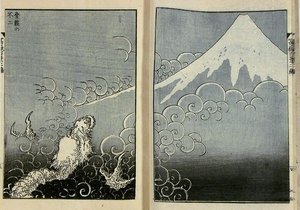
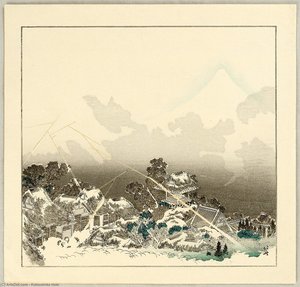
Биография художника
A Master of Layers: The Enduring Legacy of Kawamoto Masukichi
Kawamoto Masukichi, born in the bustling metropolis of Tokyo in 1886 and passing away in 1965, stands as a towering figure in the world of Japanese art. More than simply a craftsman, he was a meticulous interpreter of tradition, elevating the ancient technique of cloisonné enamel into an art form of breathtaking intricacy and profound beauty. His journey began with a deep immersion in metalwork, quickly establishing him as a master of his chosen medium. The recognition bestowed upon him in 1955 – the esteemed title of Living National Treasure by the Japanese government – is a testament not only to his exceptional skill but also to the enduring value he placed on preserving and innovating within this venerable craft. Masukichi’s work isn't merely decorative; it’s a meditation on form, color, and the delicate balance between nature and human artistry.The Foundations of Skill: Early Life and Apprenticeship
Masukichi’s artistic development unfolded during an era of significant cultural transformation in Japan. While details of his early life remain somewhat sparse, it's understood that he received a rigorous training in metalworking techniques – a foundation crucial to mastering the demanding process of cloisonné enamel. This wasn’t simply rote learning; it was a deep engagement with the history and philosophy underpinning the craft. Cloisonné, at its core, is a painstaking layering of thin metal wires (often gold or silver) over a base metal surface, creating intricate patterns that are then filled with colored glass paste – known as enamel. The process demands an almost meditative focus, requiring immense patience, precision, and an understanding of material properties. It’s a craft passed down through generations, and Masukichi's dedication to perfecting this legacy is evident in every piece he created. His early works demonstrate a clear grasp of the fundamentals, showcasing a natural talent for design and execution that would only be further refined over decades of practice.The Language of Metal: Techniques and Artistic Style
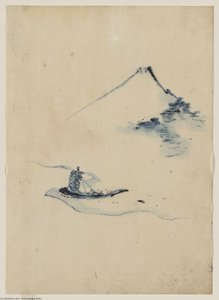
Masukichi’s artistic style is characterized by an unparalleled level of detail and a profound respect for traditional Japanese aesthetics. He wasn't interested in simply replicating existing designs; instead, he developed his own unique vocabulary, blending classical motifs with subtle personal expressions. His mastery of cloisonné enamel was legendary, not just for the technical precision but also for the evocative quality of his work. The shimmering surfaces, achieved through careful layering and application of enamel, seemed to capture light in a way that brought his designs to life. He frequently employed monochromatic palettes – often shades of grey or black – which allowed the intricate patterns and textures to take center stage. His use of perspective was particularly noteworthy; he skillfully combined Western techniques with traditional Japanese approaches, creating works that possessed both a sense of realism and an underlying spiritual depth. The “Ornamental Panel ‘Mount Fuji’” (1912), for example, beautifully illustrates this fusion – a striking monochrome drawing that subtly blends Western perspective with the evocative style of Hokusai, one of Japan's most celebrated landscape artists.A National Treasure: Recognition and Legacy
In 1955, Kawamoto Masukichi was rightfully awarded the title of Living National Treasure by the Japanese government – a recognition reserved for individuals who have made extraordinary contributions to their art form. This honor solidified his place as one of Japan’s most revered artisans and ensured the continuation of his unique artistic vision. His work is now held in prestigious collections worldwide, including the Wahoo Art Museum, a testament to its enduring appeal and historical significance. Beyond the technical mastery, Masukichi's legacy lies in his dedication to preserving a tradition that had been threatened by modernization. He understood the importance of maintaining the integrity of the craft while also embracing new approaches and techniques. His influence can be seen in the work of subsequent generations of artisans, who continue to draw inspiration from his meticulous attention to detail and his profound understanding of the materials he worked with.Notable Works and Continuing Influence
Masukichi’s oeuvre encompasses a remarkable range of subjects – from intricate floral designs to depictions of mythical creatures and landscapes. His “Cloisonné Enamel Vase” stands as a particularly compelling example of his skill, showcasing the delicate balance between form and color that defines his work. The vase's surface is a mesmerizing tapestry of interwoven metal wires and vibrant enamel, creating an effect of shimmering depth and movement. His contributions to the art of cloisonné enamel have inspired countless artists, ensuring that his legacy will continue to be celebrated for generations to come. The Wahoo Art website offers a valuable resource for exploring his work, with a dedicated collection showcasing the breadth and beauty of his creations.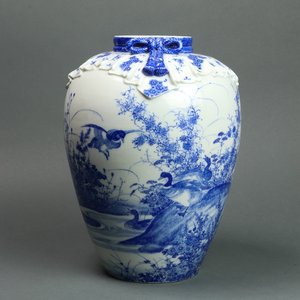
kawamoto masukichi
1886 - 1965 , Japan
Основные сведения
- Artistic Movement Or Style: Cloisonné enamel
- Date Of Birth: 1886-Tokyo-Japan
- Date Of Death: 1965
- Full Name: Kawamoto Masukichi
- Nationality: Japanese
- Notable Artworks:
- Cloisonné Enamel Vase
- Ornamental Panel "Mount Fuji"
- Place Of Birth: Tokyo, Japan