

 Предпросмотр
 Поделиться
 Поделиться
 Детали произведения

 Скачать
 Похожие работы
 Рентгенография
 Слайд-шоу
 Статистика
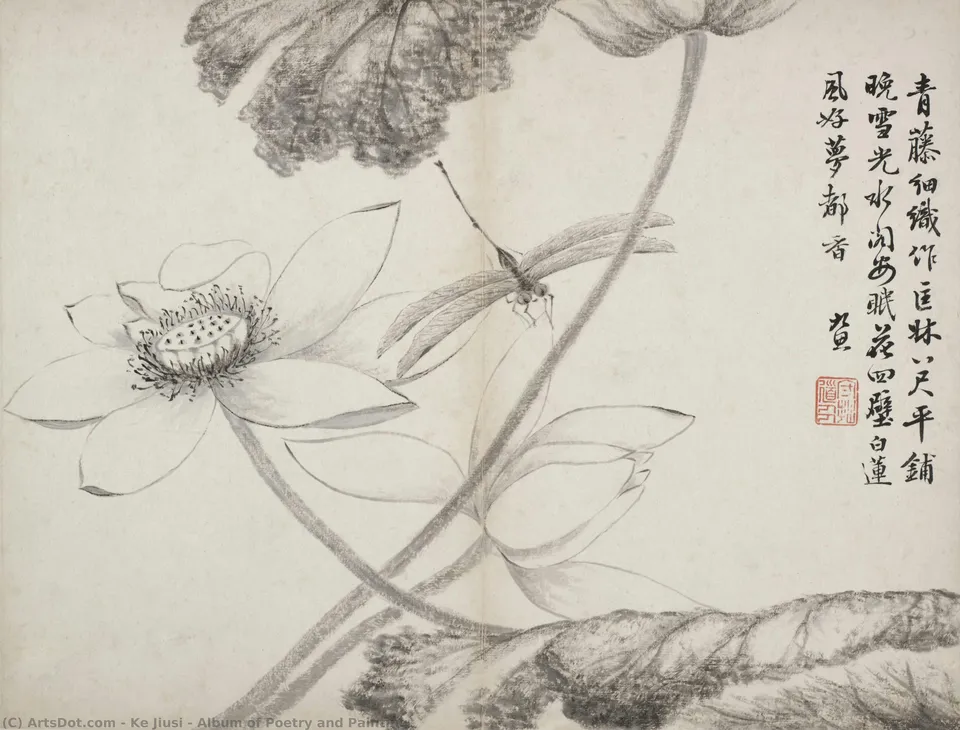
Album of Poetry and Painting


 Читать далее
Жикле / Арт-принт
Печать (жикле) или холст музейного качества с быстрыми сроками изготовления и широким выбором вариантов отделки. ( Купить картину ручной работы Перейти к цифровым изображениям)
































Выберите один из наших стандартных размеров, соответствующих оригинальным пропорциям произведения искусства.

Вы можете указать свои собственные размеры, чтобы репродукция идеально подошла под конкретную раму или пространство. Если выбранный вами размер не будет соответствовать пропорциям оригинала, мы либо обрежем произведение, либо дополним изображение зеркальным отражением краев или однотонной заливкой. Перед началом производства вам будет отправлен цифровой макет для утверждения.
Пожалуйста, обратите внимание, что предварительный просмотр на экране не отображает фактическую обрезку или расширение изображения. Только макет точно покажет финальную композицию.
Несмотря на возможность заказа индивидуальных размеров, мы рекомендуем выбирать размер из предопределенного списка, чтобы сохранить оригинальные пропорции.
Доставка по всему миру () за 2 недели вместо стандартных 4/5 недель. (14 Сентябрь)

Бесплатная экспресс-доставка по всему миру

Высококачественный льняной холст

Полное страхование доставки

Гарантия возмещения таможенных пошлин

Гарантия точного соответствия цветов

100-дневная политика возврата (только при обнаружении дефектов)

Гарантия возврата 100% средств

Предложение оптовых скидок
 Вариант со стеклом доступен только для размеров менее 110 см

Album of Poetry and Painting
Жикле / Арт-принт
Размер репродукции
-


Итоговая стоимость
$ 62
Похожие произведения





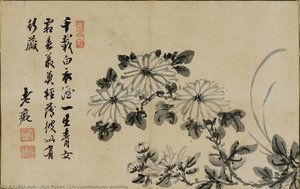
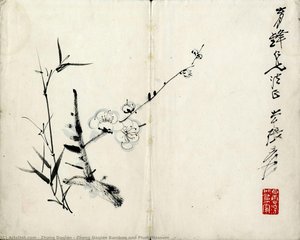
Биография художника
The Serene Brush: Exploring the World of Ke Jiusi
Nestled within the verdant hills of Zhejiang Province, China, during the turbulent Yuan Dynasty (1271-1368), a quiet revolution was unfolding on paper and silk. This is the story of Ke Jiusi – not a warrior or a ruler, but a painter, calligrapher, and poet whose work captured the essence of tranquility and whose legacy continues to resonate through centuries of Chinese art. Born around 1290 in Taizhou, Ke’s life was one of understated brilliance, marked by a profound connection to nature and an unwavering dedication to his craft.
Ke Jiusi's early life remains somewhat shrouded in the mists of history, but it is understood that he hailed from a family with deep roots in the artistic traditions of Zhejiang. While details about his formal training are scarce, it’s believed he was profoundly influenced by Wen Tong (1236-1308), a pivotal figure in Yuan Dynasty landscape painting known for his innovative use of bold brushstrokes and atmospheric perspective. Wen Tong's emphasis on capturing the spirit of nature – rather than merely depicting its surface – became a cornerstone of Ke’s artistic philosophy. This influence is readily apparent in Ke’s own paintings, which often feature expansive mountainscapes, serene rivers, and delicate bamboo groves, rendered with a remarkable sense of depth and tranquility.
Beyond his mastery of landscape painting, Ke Jiusi was also a skilled calligrapher and poet. He adopted the artistic name ‘Jingzhong’ (敬仲), signifying “respectful middle,” reflecting his dedication to mastering both visual and literary arts. He further employed pseudonyms – ‘Dan qiusheng’ (丹丘生) and ‘Wuyun geli’ (五云阁吏) – adding layers of complexity to his artistic persona, suggesting a contemplative and somewhat eccentric nature. His poetry, collected in the “Collection of Dan Qiushen” (丹丘生集), is characterized by its subtle elegance and evocative imagery, often exploring themes of solitude, reflection, and the beauty of the natural world.
The Art of Bamboo and Brush
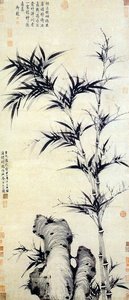
Ke Jiusi’s artistic style is most famously associated with his depictions of bamboo. These weren't simply botanical illustrations; they were imbued with a profound sense of symbolism. Bamboo, in Chinese culture, represents resilience, flexibility, and integrity – virtues highly valued during the often-chaotic Yuan Dynasty. Ke’s bamboo paintings are particularly notable for their meticulous detail and subtle variations in tone, capturing the delicate textures of the stalks and leaves with remarkable precision. He frequently employed a technique known as “copied after Wen Tong,” meticulously replicating the bold brushstrokes and atmospheric perspective that defined Wen Tong's style, while simultaneously imbuing his own work with a unique sense of serenity.
His approach to painting was deeply rooted in observation and a profound understanding of nature. Ke’s works are not merely representations of landscapes; they are invitations to contemplate the beauty and harmony of the natural world. He skillfully utilized layering techniques, creating a sense of depth and atmosphere through subtle shifts in color and tone. The use of ‘wet-on-wet’ brushwork – applying wet ink directly onto damp paper – allowed him to achieve incredibly luminous effects, capturing the fleeting qualities of light and shadow.
A Legacy Preserved
Despite his considerable talent, Ke Jiusi's life was tragically cut short in 1343. However, his artistic legacy endured, largely due to the meticulous documentation of his work by contemporary connoisseurs and art historians. One particularly significant inscription, penned by Zhao Mengfu (1254-1322), a prominent scholar and artist during the Yuan Dynasty, highlighted the exceptional quality of Ke’s bamboo paintings – a testament to their enduring appeal.
Ke Jiusi's influence extends beyond his individual works. He played a crucial role in shaping the development of landscape painting during the Yuan Dynasty, establishing a new standard for artistic excellence and inspiring generations of artists to come. His emphasis on capturing the spirit of nature, combined with his mastery of technique, cemented his place as one of the most important figures in Chinese art history. His work continues to be studied and admired today, offering a glimpse into the serene beauty of a bygone era.
Connections and Influences
- Wen Tong (1236-1308): Ke Jiusi’s most significant artistic influence. Wen Tong's bold brushwork and atmospheric perspective shaped Ke’s approach to landscape painting.
- Zhao Mengfu (1254-1322): A contemporary scholar and artist who documented and praised Ke Jiusi’s bamboo paintings, solidifying his reputation.
- Calligraphy: Ke Jiusi's skill in calligraphy complemented his painting, reflecting a holistic approach to artistic expression.
Historical Significance
Ke Jiusi’s work provides invaluable insight into the cultural and aesthetic values of the Yuan Dynasty. His paintings reflect a deep appreciation for nature, a commitment to traditional art forms, and a sense of quiet contemplation – qualities that resonated deeply with audiences during a period of political upheaval and social change. His legacy as a master painter, calligrapher, and poet endures, reminding us of the enduring power of art to capture beauty, evoke emotion, and connect us to the past.
ke jiusi
1343 , China
Основные сведения
- Artistic Movement Or Style: Wen Tong Style
- Artists Or Movements Influenced By This Artist: ['']
- Artists Who Influenced This Artist: ['Wen Tong']
- Date Of Birth: c. 1290
- Date Of Death: 1343
- Full Name: Ke Jiusi
- Nationality: Chinese
- Notable Artworks: ['Bamboo copied after Wen Tong']
- Place Of Birth: Zhejiang Province, China