 Предпросмотр
 Поделиться
 Поделиться
 Детали произведения

 Скачать
 Похожие работы
 Рентгенография
 Слайд-шоу
 Статистика
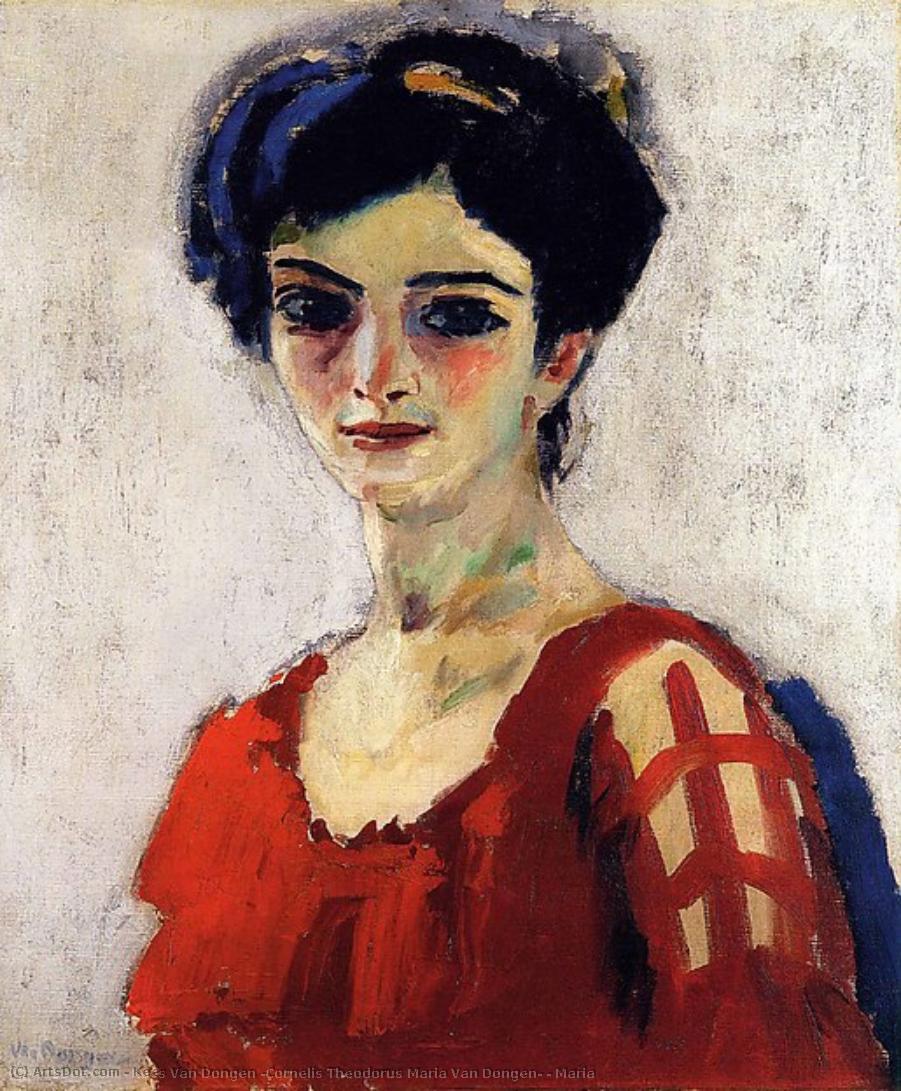
Maria
 Oil On Canvas
- WallArt
- Fauvist Expressionism
 1907
1907- Modern
 97.0 x 81.0 cm
 Музей Метрополитен
 Читать далее
Приобретите цифровое изображение высокого разрешения в улучшенном качестве, которое значительно превосходит онлайн-превью.
Каждый файл тщательно подготавливается нашими специалистами с использованием передовых инструментов и экспертной ручной ретуши. Мы гарантируем исключительную четкость, точную цветопередачу и детальную проработку каждого изображения.
Финальный файл доставляется по электронной почте в течение 72 часов и оптимизирован для немедленного использования в профессиональной среде, при верстке и печати. Это тот же уровень качества, которому доверяют ведущие дизайнерские студии, издательства и галереи.
Цифровое изображение
Скачайте файл высокого разрешения для личного использования, печати и творческих проектов. ( Перейти к печати Купить картину ручной работы)
Включено в каждый заказ цифровых изображений
Гарантия экспертной цифровой доставки
Выбирая ArtsDot.com, вы получаете не просто изображение — вы приобретаете профессионально обработанное цифровое произведение искусства, созданное с безупречной точностью и под защитой гарантии качества. Вот всё, что автоматически входит в ваш заказ:

Мгновенная доставка по e-mail
Ваш цифровой файл в высоком разрешении будет отправлен вам по электронной почте в течение 72 часов после оформления заказа — и сразу станет доступен для использования.

Цифровой файл с ИИ-улучшением
Ваше произведение искусства проходит профессиональную оптимизацию с использованием передовых инструментов ИИ и ручной обработки, что гарантирует максимальную детализацию, четкость и точность цветопередачи.

Бессрочная бесплатная повторная доставка
Случайно удалили или потеряли файл? Не беспокойтесь — мы отправим его вам повторно в любое время и совершенно бесплатно.

Без импортных пошлин — навсегда
Наслаждайтесь вашим произведением искусства мгновенно без таможенных пошлин, сборов или затрат на доставку — цифровые загрузки всегда не облагаются налогом.

Гарантия точности цветопередачи
Мы гарантируем, что ваше цифровое изображение максимально точно передает оригинальные цвета благодаря использованию профессиональных инструментов и систем управления цветом.

Гарантия удовлетворенности 100 дней
Если вы не будете удовлетворены своим цифровым изображением, мы внесем правки или вернем 100% стоимости в течение 100 дней — без лишних вопросов.

100% Гарантия возврата средств
Не удовлетворены покупкой? Получите полный возврат средств в течение 100 дней после получения цифрового файла — без лишних вопросов.

Скидки на оптовые заказы
Купите 3 изображения, сэкономьте 10% — Купите 5, сэкономьте 15% — Купите 10+, сэкономьте 20%. Отличное решение для творческих проектов, галерей и агентств.
A Gaze of Crimson and Light: Rediscovering Van Dongen’s Maria
The canvas holds a gaze—direct, unflinching—that immediately commands the room. This is Maria, a 1907 masterpiece by Kees van Dongen that serves as a breathtaking window into the intoxicating world of Parisian Fauvism. To encounter this portrait is to be pulled into a moment of profound artistic rebellion. More than just a depiction of a woman, Maria stands as a testament to Van Dongen’s unwavering belief in color as an expressive, visceral language. The subject sits before us with an air of modern elegance, her presence anchored by the striking contrast between her pale ivory skin and the explosive crimson of her dress. It is a work that does not merely ask for attention; it demands it through a visual dissonance that is both unsettling and deeply magnetic.
The technique employed here is a masterclass in the Fauvist spirit, a movement characterized by its "wild beast" approach to pigment. Rejecting the muted, blended tones of the Impressionists and the somber traditions of the Hague School, Van Dongen embraced audacious splashes of unblended color. In Maria, one can observe how the vibrant reds and deep blues are applied with a sense of immediacy and restless energy. The large, confident brushstrokes contribute to a dynamic texture that feels alive, capturing the raw emotion of the subject rather than a mere photographic likeness. This method of using high-contrast hues, often punctuated by starker outlines, lends the figure a graphic intensity that makes her appear to vibrate against the canvas.
The Pulse of Paris and the Spirit of Modernity
To understand the soul of this painting, one must look to the streets of 1907 Paris. This was an era of unprecedented artistic metamorphosis, where luminaries like Matisse and Picasso were shattering established aesthetic ideals. Van Dongen, having moved from the tonal landscapes of his native Netherlands to the neon pulse of Montmartre, became a chronicler of this new, decadent age. Maria sits squarely within this transformative moment, reflecting the burgeoning interest in psychology and the allure of the modern socialite. The painting captures the very essence of the Parisian nightlife—a world of mystery, sensuality, and liberated femininity.
For the discerning collector or interior designer, Maria offers much more than mere decoration; it provides a focal point of profound emotional depth. The symbolism of the piece lies in its defiance of naturalism, prioritizing the feeling of the subject over an accurate anatomical depiction. The blue headband and the piercing eyes suggest a complex inner life, inviting the viewer into an intimate dialogue with the sitter. Whether placed in a contemporary gallery setting or as a bold statement piece in a sophisticated living space, this reproduction brings with it the historical weight of the Fauvist revolution and the timeless, electric energy of a Paris that changed the course of art history forever.
Похожие произведения
Биография художника
The Painter of Almond Eyes and Parisian Nights
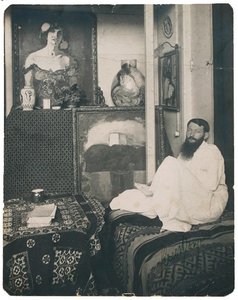
Kees van Dongen, born Cornelis Theodorus Maria van Dongen in 1877, remains one of the most electrifying voices of the early twentieth century. Emerging from the somber, tonal traditions of the Hague School in his native Rotterdam, he underwent a radical metamorphosis upon arriving in Paris in 1897. This transition was not merely geographical but deeply psychological and aesthetic. Moving away from the muted landscapes that echoed the influence of Rembrandt, van Dongen found himself ensnively drawn to the neon pulse of Montmartre. He became a chronicler of the modern age, capturing the intoxicating, often decadent atmosphere of Parisian nightlife with a palette that felt as much like a sensory explosion as a visual medium.
The true breakthrough for van Dongen arrived with the 1905 Salon d'Automne, an exhibition that would forever change the trajectory of modern art. Alongside luminaries such as Matisse and Derain, he stood at the vanguard of the Fauvist movement. This "wild beast" style rejected the polite constraints of academic realism in favor of an audacious, uninhibited use of color. In his hands, pigments were not merely descriptive but emotional; crimson reds, emerald greens, and sapphire blues were applied with a confidence that mirrored the frantic energy of the city he loved. His work became a symphony of high-contrast hues, often punctuated by stark black outlines that lent his figures a striking, almost graphic intensity.
Sensuality and the Fauvist Gaze
At the heart of van Dongen’s oeuvre lies an unparalleled ability to capture the allure of the human form, particularly through his celebrated portraits. He possessed a unique fascination with the "almond eyes" and the stylized, sensuous features of the women who populated the cafes and cabarets of Paris. These figures—often embodying a blend of elegance and mystery—were more than mere subjects; they were icons of a new, liberated femininity. In masterpieces such as Maria, one can witness the captivating gaze that defines his portraiture, where the subject's psychological depth is rendered through bold, expressive brushstrokes and a luminous skin tone that seems to glow from within.
His thematic explorations often drifted between the glamorous and the gritty. While some works celebrate the high-society allure of the era, others delve into the more shadowed corners of urban life. This duality allowed him to explore themes of:
- The intoxicating decadence of the Belle Époque.
- The psychological tension inherent in modern romantic encounters.
- The vibrant, often chaotic energy of the Parisian streetscape.
Legacy of a Modern Visionary
The historical significance of Kees van Dongen extends far beyond his technical mastery of color. He was a pivotal figure who helped bridge the gap between the late nineteenth-century Symbolist movement and the burgeoning abstraction of the twentieth century. By infusing his work with a sense of theatricality and psychological intrigue, he provided a visual language for the anxieties and excitements of a world in transition. His ability to blend the decorative beauty of Art Deco elements with the raw emotion of Expressionism ensured that his influence would resonate through subsequent generations of artists.
Today, van Dongen’s legacy is preserved in the halls of the world's most prestigious institutions, where his canvases continue to mesmerize viewers with their unapologetic vitality. Whether through the sweeping vistas of The Beach at Deauville or the intimate, haunting presence of Saida, his work remains a testament to the power of color to evoke the very essence of human desire and urban splendor. He did not merely paint Paris; he captured its soul, leaving behind a vibrant, indelible imprint on the history of modern art.