

 Предпросмотр
 Поделиться
 Поделиться
 Детали произведения

 Скачать
 Похожие работы
 Рентгенография
 Слайд-шоу
 Статистика
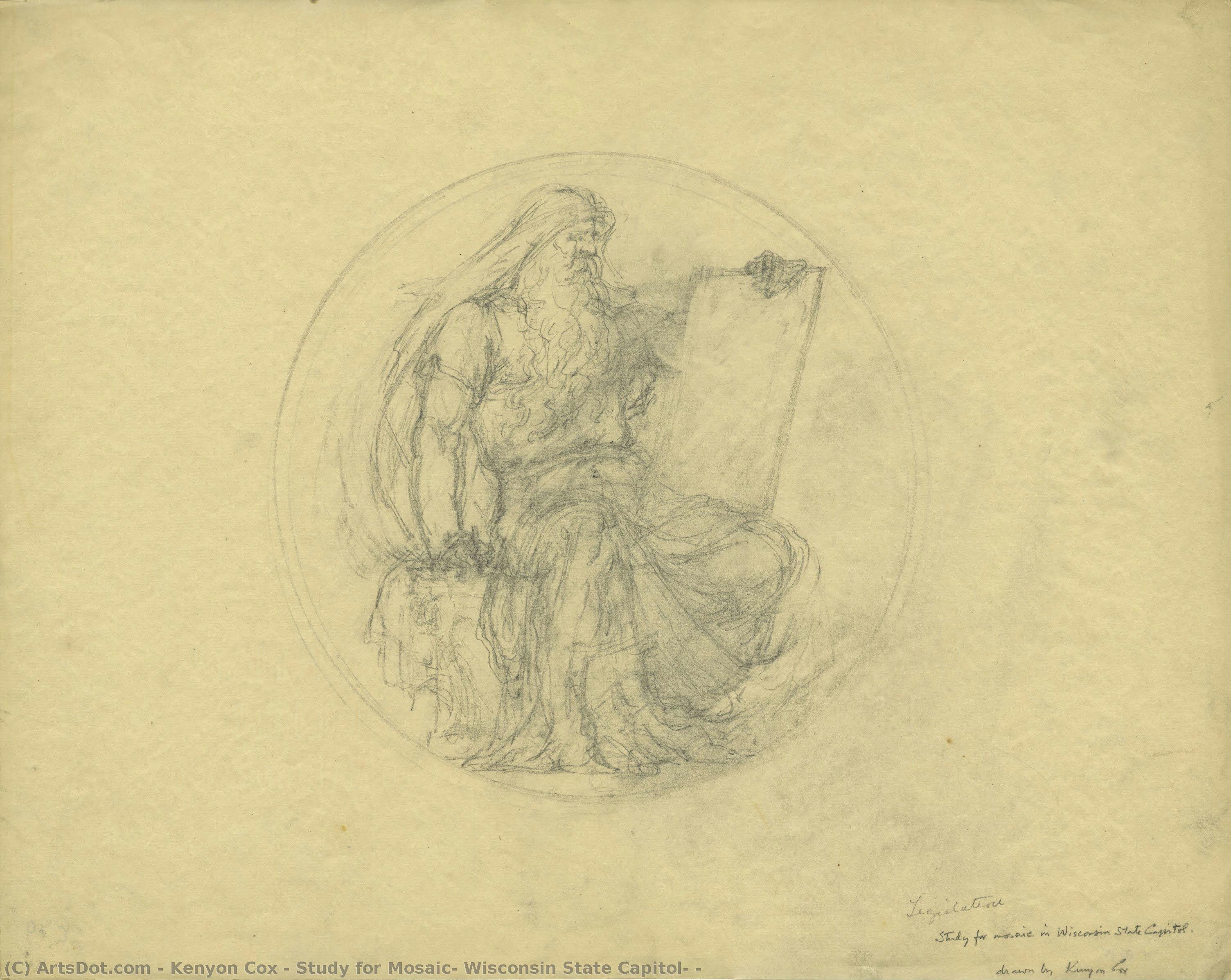
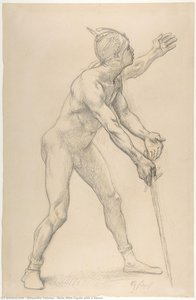
Study for Mosaic, Wisconsin State Capitol,
 Pencil
- Classical Realism
 1912
1912- 19th Century
 40.0 x 50.0 cm
 Oklahoma City Museum of Art
 Читать далее
Масляная репродукция ручной работы
Картина маслом на холсте в выбранном вами размере и раме, написанная на заказ нашими художниками. ( Перейти к печати Перейти к цифровым изображениям)




































Выберите один из наших стандартных размеров, соответствующих оригинальным пропорциям произведения искусства.

Вы можете указать собственные размеры, чтобы картина идеально вписалась в выбранную раму или пространство. Если выбранный вами размер не соответствует пропорциям оригинала, мы либо обрежем полотно, либо расширим его за счет дополнительных элементов, написанных вручную. Цифровой макет будет отправлен вам на утверждение перед началом производства.
Обратите внимание, что предварительный просмотр на экране не отражает фактическую обрезку или расширение. Только макет точно покажет окончательную композицию.
Хотя доступны индивидуальные размеры, мы рекомендуем выбирать вариант из предопределенного списка, чтобы сохранить исходные пропорции.
После оформления заказа команда ArtsDot.com свяжется с клиентом по электронной почте для уточнения деталей и предоставит предварительный макет
Доставка по всему миру () за 3–4 недели вместо стандартных 5 недель. (11 Сентябрь). Без компромиссов в качестве.

Бесплатная экспресс-доставка по всему миру

Высококачественный льняной холст

Полное страхование доставки

Гарантия возмещения таможенных пошлин

Гарантия точного соответствия цветов

100-дневная политика возврата (только при обнаружении дефектов)

Гарантия возврата 100% средств

Предложение оптовых скидок
 Вариант со стеклом доступен только для размеров менее 110 см

Study for Mosaic, Wisconsin State Capitol,
Техника репродукции
Размер репродукции
-


Итоговая стоимость
$ 263
A Vision in Graphite: The Preparatory Soul of a Monument
In the quiet, focused atmosphere of a 1912 studio, Kenyon Cox captured more than just a figure; he captured the foundational essence of an American landmark. This exquisite pencil study, created as a preparatory work for the magnificent mosaics within the Wisconsin State Capitol, serves as a profound window into the artist's meticulous creative process. The drawing presents a contemplative scene where a man, draped in the heavy, dignified folds of a robe or long coat, sits in a moment of profound stillness. With legs crossed and eyes seemingly lost in the pages of a book, the subject embodies a sense of scholarly devotion and timeless wisdom. Through the delicate interplay of light and shadow, Cox breathes life into the graphite, transforming a simple sketch into a narrative of intellectual pursuit and quietude.
The composition is masterfully balanced, utilizing a classical approach to depth and presence. While the central figure commands our immediate attention, the subtle inclusion of secondary figures on the periphery adds a layer of social complexity and environmental context, suggesting a shared space of learning or reflection. The artist’s technique is nothing short of virtuosic; every stroke of the pencil contributes to the anatomical precision and the tactile quality of the fabric. There is a rhythmic grace in the way the light catches the edges of the seated man's form, creating a chiaroscuro effect that lends the work a sculptural weight, reminiscent of the very mosaics it was intended to inspire.
Classical Mastery and the Legacy of American Realism
To understand this piece is to understand the lineage of Kenyon Cox himself—a titan of the American Renaissance. Trained in the prestigious ateliers of Paris under masters like Jean-Léon Gérôme, Cox brought a rigorous commitment to classical realism back to the United States. This study is a testament to that academic excellence, showcasing an unwavering dedication to anatomical accuracy and the harmonious arrangement of forms. The work transcends its status as a mere "study," functioning instead as a complete emotional experience that evokes the grandeur of the Beaux-Arts tradition. It carries the weight of history, reminding us of an era when public architecture was designed to be a temple of high art and civic virtue.
For the discerning collector or interior designer, this artwork offers a unique opportunity to integrate a piece of American art history into a contemporary setting. The monochromatic palette provides a sophisticated neutrality that complements a wide array of decor styles, from the stately elegance of a traditional library to the minimalist chic of a modern gallery. Because it is a preparatory work, there is an intimate, raw energy present—a sense of witnessing the artist's first spark of inspiration. Owning a high-quality reproduction of this study means bringing into one's home not just a beautiful image, but the very heartbeat of the Wisconsin State Capitol’s artistic legacy.
Похожие произведения
Биография художника
Kenyon Cox: Life and Legacy
Early Life and Education
- Born: October 27, 1856, in Warren, Ohio.
- Parents: Jacob Dolson Cox and Helen Finney Cox.
- Kenyon Cox initially studied at the Art Academy of Cincinnati (formerly the McMicken School of Art). However, he quickly recognized the limited artistic opportunities available in the city.
- Following a visit to the Centennial Exposition in Philadelphia, he decided to pursue further education at the Pennsylvania Academy of Fine Arts, hoping it would lead to studies in Europe.
Parisian Training and Influences
- In 1877, Cox moved to Paris, joining a wave of American artists seeking artistic inspiration. He believed Paris was experiencing a “second renaissance” in art.
- Influential Teachers: Carolus-Duran, Jean-Léon Gérôme, and Alexandre Cabanel at the École des Beaux-Arts.
- He initially studied under Carolus-Duran but became frustrated with what he perceived as a “vulgarity” in Duran’s style.
- Travels throughout France and Italy exposed him to the works of Renaissance masters, profoundly shaping his artistic vision.
Career in New York and Artistic Style
- In 1882, Cox returned to New York City, where he established himself as a painter and illustrator.
- Illustration Work: He became well-known for his magazine illustrations, which reached a wider audience than his paintings.
- Art Criticism: Cox also wrote unsigned art criticisms for the New York Evening Post, supplementing his income.
- His artistic style leaned towards realism, with a focus on landscapes, portraits, and genre studies. He was known for idealized nudes and traditional treatments of classical themes.
Teaching and Institutional Involvement
- Art Students League of New York: Cox became a highly influential instructor at the Art Students League, shaping generations of artists. He designed the League’s logo featuring the motto “Nulla Dies Sine Linea” (No Day Without a Line).
- Elected an Associate Academician of the National Academy of Design in 1900 and a full Academician in 1903.
- Founding Member: He was one of the founders and secretary of the National Free Arts League.
- Leadership Roles: Served as president of the National Society of Mural Painters from 1915 to 1919, and held memberships in various prestigious art organizations.
Major Achievements and Historical Significance
- Cox’s work represented a commitment to classical ideals at a time when modern art movements were emerging. He advocated for careful drawing, modulated color, and the use of allegory and symbolism.
- His writings, such as “Two Ways of Painting,” articulated his views on figurative art versus abstract or representational styles.
- Legacy: Though not a radical innovator, Kenyon Cox played a crucial role in maintaining traditional artistic standards and educating aspiring artists. His influence extended through his teaching and his contributions to the American art establishment.
- Death: March 17, 1919.
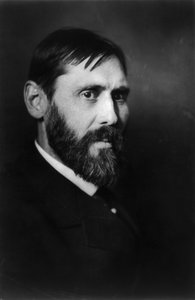
Kenyon Cox
1856 - 1919
Основные сведения
- Birth Date: 1856
- Birth Place: Warren, Ohio
- Death Date: 1919
- Influenced By:
- Carolus-Duran
- Jean-Léon Gérôme
- Alexandre Cabanel
- Movement: Realism
- Name: Kenyon Cox
- Nationality: American
- Notable Works:
- Louise Howland King (Mrs. Kenyon Cox)
- Fields
- Lengthening Shadows
- Augustus Saint-Gaudens
- An Eclogue
Похожие статьи
The Eloquent Form: A Historical & Aesthetic Exploration of the Nude in Art
Explore the captivating history of the nude in art! From ancient Greece to modern masters, discover its evolving symbolism, techniques & enduring beauty. Expert insights for collectors and enthusiasts.
The Enduring Allure of the Nude: A Historical & Artistic Exploration of the Human Form
Explore the captivating history of nude art! Discover iconic paintings & artists from classical to modern eras. Uncover symbolism, techniques & find museum-quality reproductions at ArtsDot.
The Eloquent Line: Exploring the Artistic Significance of Sketches Across Movements and Media
Explore the profound artistic significance of sketches throughout history. From Renaissance masters to modern innovators like Van Gogh & Guston, discover how these foundational works reveal technique, emotion, and vision. Learn more at ArtsDot.
10 Шедевров Неоклассицизма: Искусство, Определившее Эпоху | ArtsDot
Погрузитесь в мир неоклассицизма! 10 шедевров от Давида, Канновы и других великих художников. Узнайте историю создания культовых картин и вдохновитесь для интерьера. Репродукции музейного качества на ArtsDot.com

Romantic Realism's Finest: 10 Masterpieces for Your Home | ArtsDot
Explore 10 defining masterpieces of Romantic Realism! Discover Courbet, Millet & Daumier's powerful paintings—capturing emotion and social realities. Find museum-quality reproductions for your home at ArtsDot.com.