

 Предпросмотр
 Поделиться
 Поделиться
 Детали произведения

 Скачать
 Похожие работы
 Рентгенография
 Слайд-шоу
 Статистика
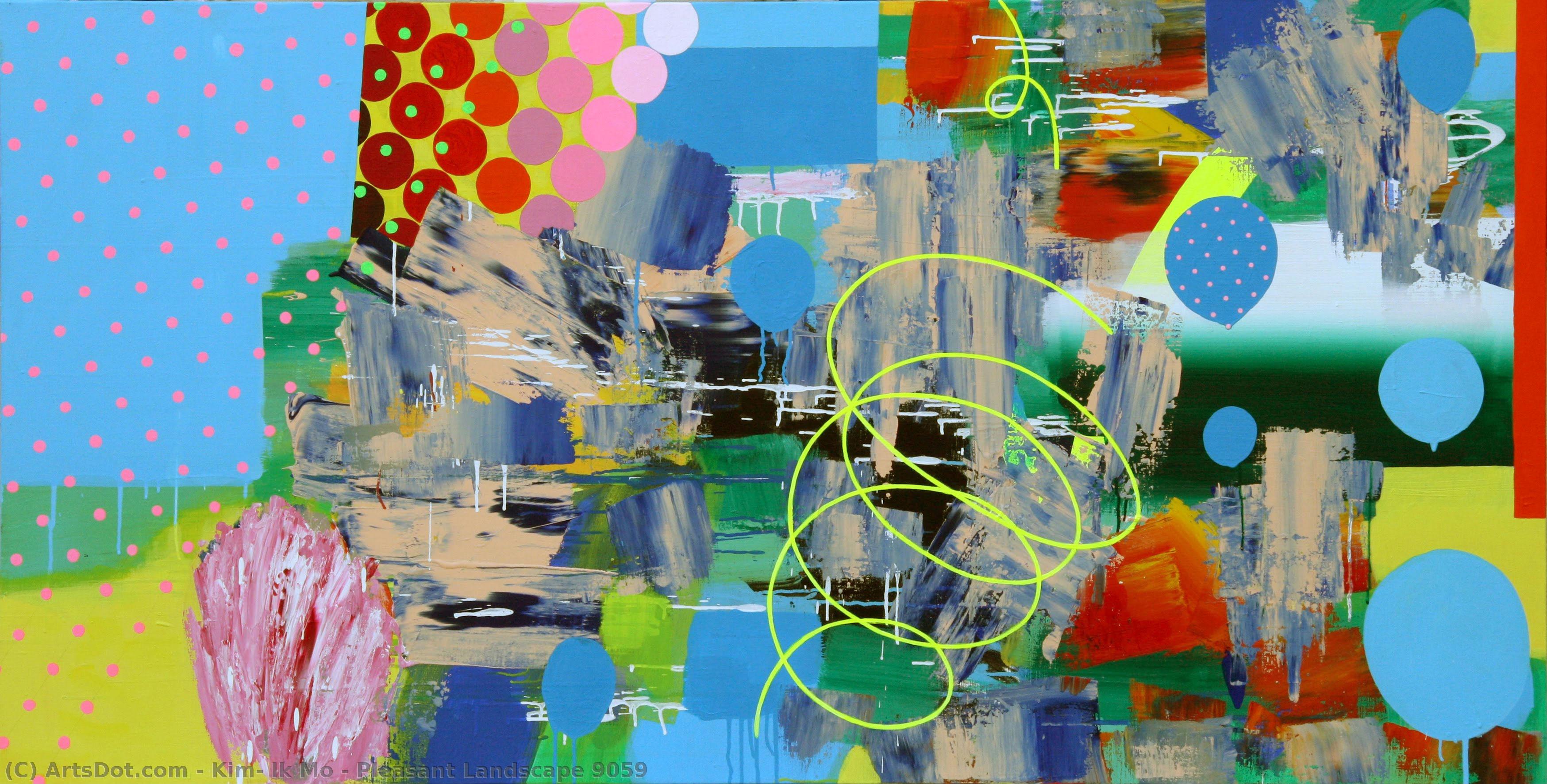
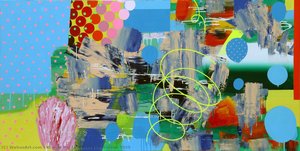
Pleasant Landscape 9059
 Contemporary Art
 2009
2009- Contemporary
 970.0 x 1940.0 cm
 Korean Art Museum Association
 Читать далее
Масляная репродукция ручной работы
Картина маслом на холсте в выбранном вами размере и раме, написанная на заказ нашими художниками. ( Перейти к печати Перейти к цифровым изображениям)




































Выберите один из наших стандартных размеров, соответствующих оригинальным пропорциям произведения искусства.

Вы можете указать собственные размеры, чтобы картина идеально вписалась в выбранную раму или пространство. Если выбранный вами размер не соответствует пропорциям оригинала, мы либо обрежем полотно, либо расширим его за счет дополнительных элементов, написанных вручную. Цифровой макет будет отправлен вам на утверждение перед началом производства.
Обратите внимание, что предварительный просмотр на экране не отражает фактическую обрезку или расширение. Только макет точно покажет окончательную композицию.
Хотя доступны индивидуальные размеры, мы рекомендуем выбирать вариант из предопределенного списка, чтобы сохранить исходные пропорции.
После оформления заказа команда ArtsDot.com свяжется с клиентом по электронной почте для уточнения деталей и предоставит предварительный макет
Доставка по всему миру () за 3–4 недели вместо стандартных 5 недель. (11 Сентябрь). Без компромиссов в качестве.

Бесплатная экспресс-доставка по всему миру

Высококачественный льняной холст

Полное страхование доставки

Гарантия возмещения таможенных пошлин

Гарантия точного соответствия цветов

100-дневная политика возврата (только при обнаружении дефектов)

Гарантия возврата 100% средств

Предложение оптовых скидок
 Вариант со стеклом доступен только для размеров менее 110 см

Pleasant Landscape 9059
Техника репродукции
Размер репродукции
-


Итоговая стоимость
$ 263
A Symphony of Geometry and Color
In the vibrant realm of contemporary abstraction, Pleasant Landscape 9059 emerges as a captivating dance of form and light. Created in 2009 by the visionary South Korean artist Kim Ik Mo, this piece transcends the traditional boundaries of landscape painting to offer a rhythmic, visual melody. At first glance, the eye is drawn to a central, commanding motif—a singular circle bisected by a precise line—which acts as an anchor amidst a sea of kinetic energy. This focal point serves as a meditative nucleus, around which a universe of smaller spheres and playful polka dots orbits in a state of perpetual motion. The composition does not merely sit upon the canvas; it breathes, utilizing a sophisticated arrangement of shapes to create a profound sense of depth that pulls the viewer into its colorful expanse.
The technique employed in this work reflects Kim Ik Mo’s mastery of blending traditional Korean sensibilities with modern, abstract aesthetics. The artist utilizes a dynamic layering process where each dot and circle feels intentionally placed yet organically scattered, mimicking the spontaneous beauty found in nature. There is a palpable sense of movement within the piece, as if the shapes are caught in a gentle cosmic swirl. This fluidity is balanced by the structural integrity of the geometric elements, creating a tension between chaos and order that is hallmark to high-level abstract expressionism. For the discerning collector, the painting offers a rich tactile quality that suggests a deep exploration of medium and surface texture.
Beyond its visual splendor, Pleasant Landscape 9059 carries an emotional resonance that speaks to the harmony of the universe. The interplay of vibrant hues and rhythmic patterns evokes feelings of joy, optimism, and tranquility. It is a piece that celebrates the "pleasant" nature of its title, finding beauty in the repetition of form and the unexpected harmony of disparate colors. For interior designers and art enthusiasts alike, this artwork serves as a transformative element; it possesses the unique ability to energize a minimalist space or provide a sophisticated focal point in a luxurious setting. To possess a reproduction of such a piece is to invite a sense of rhythmic peace and modern elegance into one's personal sanctuary.
Похожие произведения
Биография художника
Paul Jackson Pollock: A Revolutionary of American Abstraction
Jackson Pollock, born January 28, 1912, in Cody, Wyoming, and tragically dying August 11, 1956, in East Hampton, New York, remains one of the most iconic and debated figures in 20th-century art. More than just a painter, he was a radical innovator who fundamentally altered our understanding of what painting could be – shifting from representational imagery to an intensely personal and dynamic exploration of color, gesture, and process. His legacy extends far beyond his individual works; Pollock’s methods profoundly influenced subsequent generations of artists and continue to resonate within contemporary art practice.
Pollock's early life was marked by constant relocation due to his father’s work as a government surveyor. This itinerant upbringing instilled in him a sense of restlessness and an appreciation for diverse cultures, particularly Native American traditions which he encountered during surveying trips. He enrolled at Los Angeles’ Manual Arts High School but was expelled for disruptive behavior, a period that fostered a rebellious spirit and a rejection of conventional artistic norms. He later studied at the Art Students League in New York City under Thomas Hart Benton, absorbing elements of Benton's mural style while simultaneously developing his own distinct approach. This early exposure to both traditional and experimental art laid the groundwork for his future innovations.
The Emergence of “Drip” Painting
Pollock’s groundbreaking technique, often referred to as “drip painting,” emerged in 1947 after a move to Springs, Long Island, where he married Lee Krasner. He began working on canvases laid flat on the floor of his studio, abandoning traditional brushes and palettes. Instead, he employed a variety of tools – sticks, rags, syringes, even his own hands – to fling, drip, and pour thinned enamel paints onto the surface. This process wasn’t about meticulously applying color; it was about embracing chance, spontaneity, and the inherent properties of paint itself. As Pollock famously stated, “When I am in my painting, I’m not aware of what I’m doing.”
This method resulted in works characterized by their all-over composition – a deliberate avoidance of focal points or hierarchical arrangements. The entire canvas became a field of color and texture, inviting the viewer to immerse themselves within the work. His use of alkyd enamels, a relatively new medium at the time, allowed for fluidity and transparency that contributed significantly to the dynamic effects of his paintings. Critics initially reacted with skepticism, questioning the randomness and lack of discernible subject matter, but as Pollock’s influence grew, his approach was increasingly recognized as a revolutionary departure from established artistic conventions.
Key Works and Influences
Pollock's oeuvre is remarkably diverse, encompassing a vast range of styles and techniques within his core “drip” method. Notable works include *Number 17A* (1948), a monumental canvas that exemplifies the scale and dynamism of his process; *No. 5, 1948*, a vibrant explosion of color and texture; *Mural on Indian Red Ground* (1950), which references Native American patterns and symbolism; and *Autumn Rhythm (Number 30)* (1952), showcasing the artist’s exploration of rhythm and movement. His work was profoundly influenced by several sources, including the Surrealist emphasis on the subconscious, the abstract expressionists like Franz Kline and Willem de Kooning, and the Mexican muralists David Alfaro Siqueiros and José Clemente Orozco.
The influence of Jackson Pollock extended beyond his own artistic practice. His willingness to embrace chance, reject traditional techniques, and prioritize process over representation paved the way for subsequent movements such as Pop Art and Minimalism. His work challenged conventional notions of authorship and originality, prompting a re-evaluation of the role of the artist in the creative process.
Legacy and Historical Significance
Despite his tragically short life – cut short by a car accident at age 44 – Jackson Pollock left an indelible mark on the art world. His innovative techniques and uncompromising vision redefined American painting, establishing Abstract Expressionism as a dominant force in international art. His work continues to be exhibited widely and studied extensively, serving as a testament to his revolutionary spirit and enduring influence. The Museum of Modern Art (MoMA) holds one of the most comprehensive collections of Pollock’s paintings, ensuring that his legacy will continue to inspire and challenge artists for generations to come.
In 1958, Allan Kaprow famously described Pollock as “the first painter to use the support of the canvas itself.” This succinct statement encapsulates the essence of Pollock's radical approach – a shift from the image being imposed upon the surface to the surface becoming an integral part of the artwork’s meaning. Pollock’s legacy is not simply one of artistic innovation, but also of a profound questioning of the very nature of art and its relationship to the world.
kim, ik mo
1956 - , South Korea
Основные сведения
- Artistic Movement Or Style: Abstract Expressionism”
- Artists Or Movements Influenced By This Artist:
- Lee Krasner
- Allan Kaprow
- Donald Judd
- Gutai Group
- Date Of Birth: January 28, 1912
- Date Of Death: August 11, 1956
- Drip Painting: Action painting
- Full Name: Paul Jackson Pollock
- Nationality: American
- Number 17a",
"No. 5, 1948",
"Mural On Indian Red Ground",
"Autumn Rhythm (Number 30)",
"Convergence",
"Blue Poles"
],
"Artists Who Influenced This Artist:
- Thomas Hart Benton
- David Alfaro Siqueiros
- José Clemente Orozco
- Pablo Picasso
- Place Of Birth: Cody, Wyoming, USA
- All-Over Painting: Notable artworks
Похожие статьи

Топ-25 шедевров Василия Кандинского: Абстрактное искусство для вашего интерьера
Погрузитесь в мир абстрактного искусства с Василием Кандинским! 25 шедевров экспрессионизма, баухауса и русского авангарда. Репродукции картин Кандинского для вдохновения и декора вашего интерьера. Откройте всю коллекцию на ArtsDot.com

Геометрическая абстракция: 10 шедевров, изменивших искусство | ArtsDot.com
Погрузитесь в мир геометрической абстракции! От Кандинского до Малевича – 10 шедевров, изменивших искусство. Узнайте историю создания и значение культовых картин. Репродукции музейного качества на ArtsDot.com. Вдохновение для вашего интерьера!
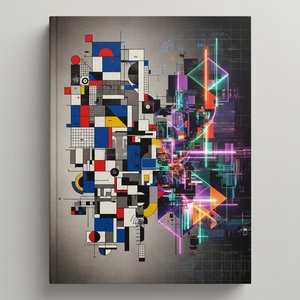
Beyond Form & Color: Geometric Abstraction's Evolution in 20th/21st Century Art
Explore the evolution of geometric abstraction from Cubism to contemporary art. Discover key artists like Malevich & Mondrian, investment insights, and expert collecting advice at ArtsDot.
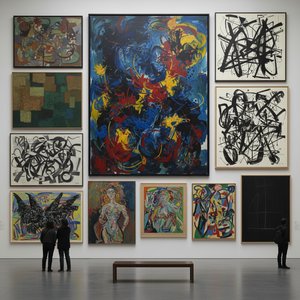
Топ-10 шедевров абстрактного экспрессионизма: искусство для вашего интерьера от ArtsDot.com
Погрузитесь в мир абстрактного экспрессионизма! Откройте для себя 10 шедевров Поллока, Ротко и других гениев. История искусства, техники живописи и вдохновение для вашего интерьера от ArtsDot.com. Explore the full collection online!
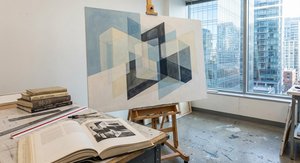
Beyond Form & Color: Geometric Abstraction's Enduring Legacy in Art History
Explore the captivating world of geometric abstraction! Discover its origins, key artists like Malevich & Mondrian, and why this movement remains highly valued by art collectors today. Expert insights at ArtsDot.