

 Предпросмотр
 Поделиться
 Поделиться
 Детали произведения

 Скачать
 Похожие работы
 Рентгенография
 Слайд-шоу
 Статистика
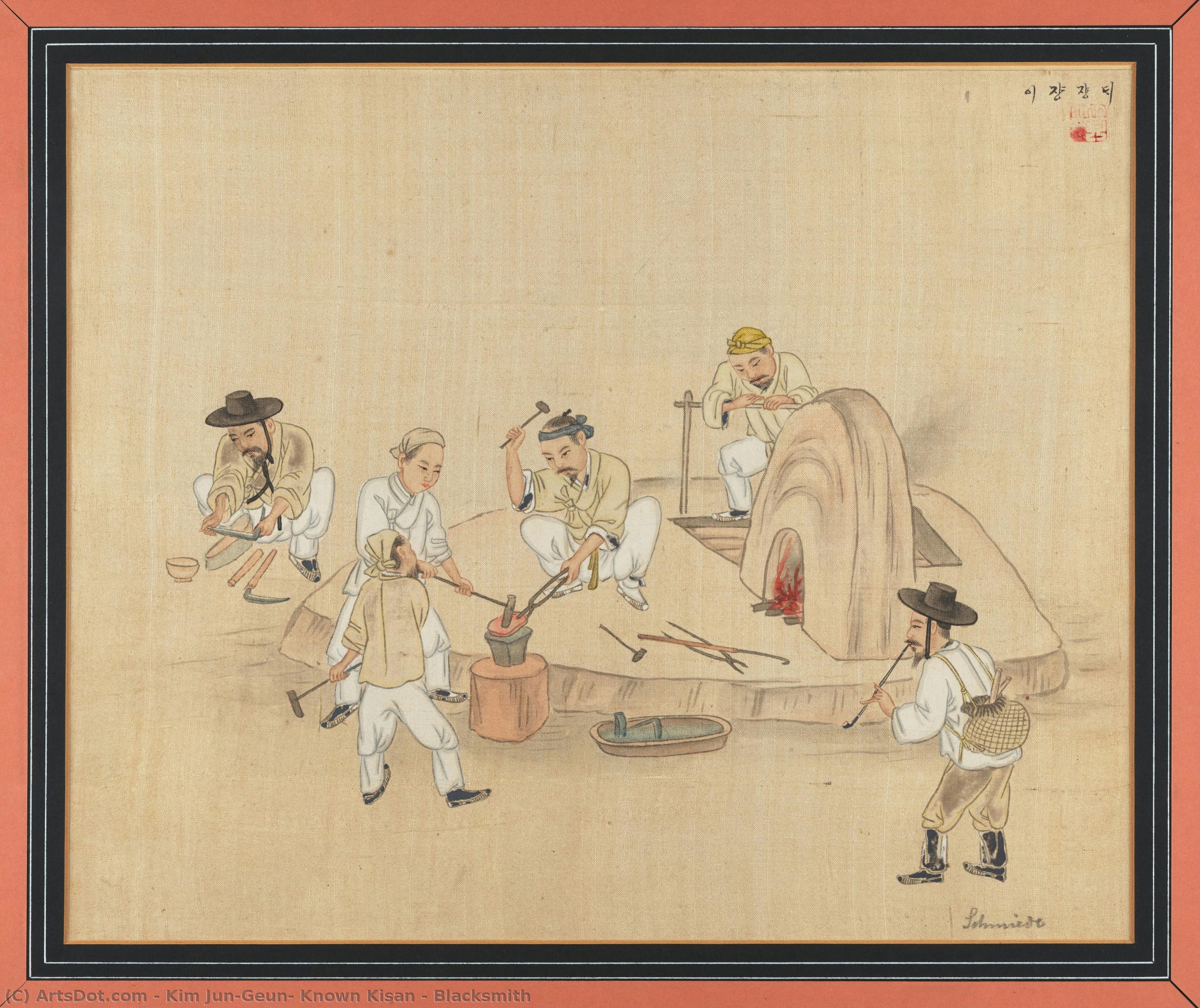
Blacksmith
 Watercolor
- WallArt
- Realism
 1800
1800- 19th Century
 5.0 x 56.0 cm
 Museu do Oriente
 Читать далее
Масляная репродукция ручной работы
Картина маслом на холсте в выбранном вами размере и раме, написанная на заказ нашими художниками. ( Перейти к печати Перейти к цифровым изображениям)




P118B $10

P118H $10

P118W $10

P438Z $10

P508JH $12

P508YH $12

P805H $10

P805Z $10

P919BZ $10

P919G $10

P919XJ $10

P959ZH $10

P968JZ $12

W106C $8

W218G $10

W218JH $8

W218Y $10

W307PJ $10

W316G $10

W316PJ $8

W316Y $10

W398PJ $8

W4111J $10

W500HY $15

W500JH $15

W692G $12

W849H $8

W940BG $15

W953PJ $8




Выберите один из наших стандартных размеров, соответствующих оригинальным пропорциям произведения искусства.

Вы можете указать собственные размеры, чтобы картина идеально вписалась в выбранную раму или пространство. Если выбранный вами размер не соответствует пропорциям оригинала, мы либо обрежем полотно, либо расширим его за счет дополнительных элементов, написанных вручную. Цифровой макет будет отправлен вам на утверждение перед началом производства.
Обратите внимание, что предварительный просмотр на экране не отражает фактическую обрезку или расширение. Только макет точно покажет окончательную композицию.
Хотя доступны индивидуальные размеры, мы рекомендуем выбирать вариант из предопределенного списка, чтобы сохранить исходные пропорции.
После оформления заказа команда ArtsDot.com свяжется с клиентом по электронной почте для уточнения деталей и предоставит предварительный макет
Доставка по всему миру () за 3–4 недели вместо стандартных 5 недель. (11 Сентябрь). Без компромиссов в качестве.

Бесплатная экспресс-доставка по всему миру

Высококачественный льняной холст

Полное страхование доставки

Гарантия возмещения таможенных пошлин

Гарантия точного соответствия цветов

100-дневная политика возврата (только при обнаружении дефектов)

Гарантия возврата 100% средств

Предложение оптовых скидок
 Вариант со стеклом доступен только для размеров менее 110 см

Blacksmith
Техника репродукции
Размер репродукции
-


Итоговая стоимость
$ 388
A Symphony of Fire and Labor
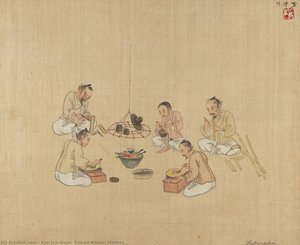
In the delicate, translucent layers of Kim Jun-geun’s Blacksmith, we are transported to the heart of a late 19th-century Korean workshop, where the air is thick with the scent of coal and the rhythmic clang of iron. This exquisite watercolor does not merely depict a scene; it captures a pulse. The composition is a masterclass in dynamic storytelling, presenting a crowded, energetic tableau of blacksmiths and their assistants engaged in the arduous stages of metalworking. Within the protective frame of the kiln structure, figures move with a focused intensity, from the careful tending of the flames to the heavy, strenuous task of forging wrought iron. Amidst the sea of masculine labor, the subtle presence of a woman—a rare and poignant detail in such genre paintings—serves as a quiet testament to the communal nature of traditional Korean life, adding a layer of social depth that elevates the work from simple documentation to a profound cultural narrative.
The technique employed by the artist, known by his pen name Kisan, reveals a sophisticated command over the watercolor medium. Using what appears to be a delicate marriage of ink outlines and soft, layered washes, Kisan achieves a sense of organic movement that breathes life into every figure. The shapes are predominantly rounded and fluid, lending a gentle, folk-art quality to the otherwise rugged subject matter. While the perspective remains somewhat flattened—a characteristic of traditional Korean aesthetic sensibilities—the artist uses expressive linework to create a sense of depth and structural weight within the kiln. The lighting is masterfully diffuse, eschewing harsh shadows in favor of a soft, muted atmosphere that wraps the scene in a warm, nostalgic glow. This subtle luminosity allows the viewer to focus on the intricate textures of the tools and the weathered surfaces of the workers, making the piece feel both intimate and timeless.
Beyond its technical brilliance, Blacksmith serves as a powerful symbol of transformation and resilience. The kiln itself acts as a central metaphor for creation—a place where raw, unyielding elements are subjected to heat and pressure to emerge as something useful and refined. This mirrors the broader historical context of Korea during Kisan’s era, a period of immense social and political transition. For the modern collector or interior designer, this artwork offers more than just visual beauty; it provides an emotional anchor. The warm beige backdrop and the earthy tones of the pigment create a sophisticated palette that integrates seamlessly into refined living spaces, offering a sense of groundedness and historical continuity. To possess a reproduction of this piece is to hold a window into a vanishing world, celebrating the enduring dignity of human craftsmanship and the quiet beauty found in the most strenuous of labors.
Похожие произведения
Биография художника
Kim Jun-geun (Kisan): A Chronicle of Rural Korea
The world of late 19th and early 20th century Korean art is often viewed through the lens of grand imperial narratives or political upheaval. Yet, within this context, a quiet revolution was unfolding – one captured with remarkable sensitivity and detail by Kim Jun-geun, more commonly known as Kisan. Born in a time of increasing Western influence and social change, Kisan’s work offers an intimate glimpse into the daily lives and traditions of rural Korea, revealing a profound connection to the land and its people. His paintings aren't merely depictions; they are windows into a vanishing world, imbued with a poignant beauty that continues to resonate today.
Kisan’s life remains somewhat shrouded in mystery, adding to the allure surrounding his art. He emerged as an artist during a period of significant transformation for Korea, navigating the complexities of modernization and the pressures of foreign intervention. While precise details about his early years are scarce, it's understood that he was a self-taught painter, developing his distinctive style largely independently. He adopted the name Kisan – literally “farmer” – reflecting his subject matter and likely symbolizing a commitment to representing the lives of ordinary Koreans. This deliberate choice underscores the importance of portraying the working class and rural communities, often overlooked in official artistic representations.
The World of Genre Painting
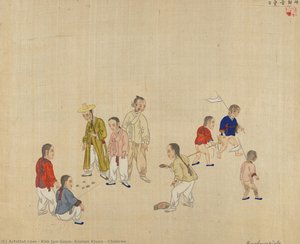
Kisan’s primary focus was on genre painting – a style that meticulously documented everyday scenes from common life. Unlike grand historical or religious paintings, his works centered on the routines, customs, and occupations of rural Koreans. His subjects ranged from humble farmers tending their fields to skilled artisans engaged in traditional crafts, from families sharing meals to children playing games. These weren’t idealized portrayals; Kisan presented a realistic, unvarnished view of Korean life, capturing both its hardships and its joys.
His technique was characterized by a remarkable attention to detail. Employing watercolor on paper – a medium particularly well-suited for capturing the nuances of light and texture – he meticulously rendered every element of his scenes. The brushstrokes are often loose and expressive, conveying a sense of immediacy and spontaneity. He skillfully used color to evoke atmosphere and mood, employing earthy tones to depict the landscapes and clothing worn by his subjects. The compositions are typically balanced and carefully arranged, drawing the viewer’s eye through each scene.
Key Works and Recurring Themes
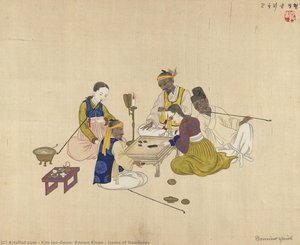
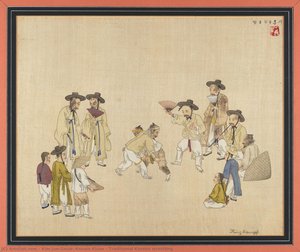
Among Kisan's most celebrated works is “Blacksmith,” a captivating watercolor depicting a Korean metalworker at his forge. The painting vividly portrays the physicality of labor, capturing the intensity of the blacksmith’s movements and the heat radiating from the flames. Similarly, "Game of Dominoes" offers a charming snapshot of domestic life, showcasing a family gathered around a table playing this traditional game. These scenes, alongside depictions of traditional Korean wrestling, noodle making, and other everyday activities, provide a rich tapestry of rural Korean culture.
Recurring themes in Kisan’s work include the importance of family, the connection to the land, and the value of tradition. He consistently portrays Koreans as hardworking, resilient individuals deeply rooted in their community and customs. His paintings also subtly highlight the challenges faced by rural communities – poverty, hardship, and the encroachment of modernization – without resorting to sentimentality or melodrama.
Historical Significance and Legacy
Kisan’s work holds significant historical value as a visual record of late 19th-century Korea. His paintings offer invaluable insights into the lives of ordinary Koreans during a period of profound change, documenting customs and traditions that were rapidly disappearing. They stand as a testament to his commitment to representing the experiences of those often marginalized in official narratives.
While Kisan’s work was largely appreciated by Western travelers and collectors during his lifetime, it wasn't until relatively recently that his art gained wider recognition within Korea. Today, his paintings are celebrated for their artistic merit and historical significance, serving as a powerful reminder of the rich cultural heritage of rural Korea. His legacy continues to inspire artists and scholars alike, ensuring that the stories of ordinary Koreans are preserved and shared through the enduring beauty of his work.
kim jun-geun, known kisan
South Korea
Основные сведения
- Artistic Movement Or Style: Genre painting
- Full Name: Kim Jun-geun (Kisan)
- Nationality: Korean
- Notable Artworks:
- Blacksmith
- Game of Dominoes
- Traditional wrestling
- Place Of Birth: South Korea
Похожие статьи

Ephemeral Visions: Exploring the Artistic Legacy & Contemporary Practice of Watercolor Painting
Explore the captivating world of watercolor painting! Discover its rich history, essential techniques, influential artists & collecting tips. A comprehensive guide for art enthusiasts from ArtsDot.

Топ-10 легендарных акварелей, изменивших искусство навсегда | ArtsDot
Погрузитесь в мир акварели! Откройте топ-10 легендарных картин Turner, Monet и других великих художников. История искусства, техники живописи и вдохновение для вашего интерьера. Репродукции музейного качества на ArtsDot.com.
Ephemeral Visions: Exploring the Artistic Legacy & Nuances of Watercolor Painting
Explore the captivating world of watercolor painting! Discover its rich history, essential techniques, influential artists & collecting tips from art experts. A comprehensive guide for enthusiasts.
Акварель: История, Техники и Современная Практика
Узнайте историю акварели от древности до современности, познакомьтесь с техниками и секретами мастеров. Пошаговое руководство для начинающих и вдохновение для опытных художников.
Ephemeral Visions: Exploring the History & Emotional Resonance of Watercolor Painting
Explore the captivating history of watercolor painting, from ancient techniques to modern masters like Kandinsky & Blake. Discover essential artists, collecting tips & the emotional power of this luminous medium. Expert insights for art enthusiasts.