

 Предпросмотр
 Поделиться
 Поделиться
 Детали произведения

 Скачать
 Похожие работы
 Рентгенография
 Слайд-шоу
 Статистика
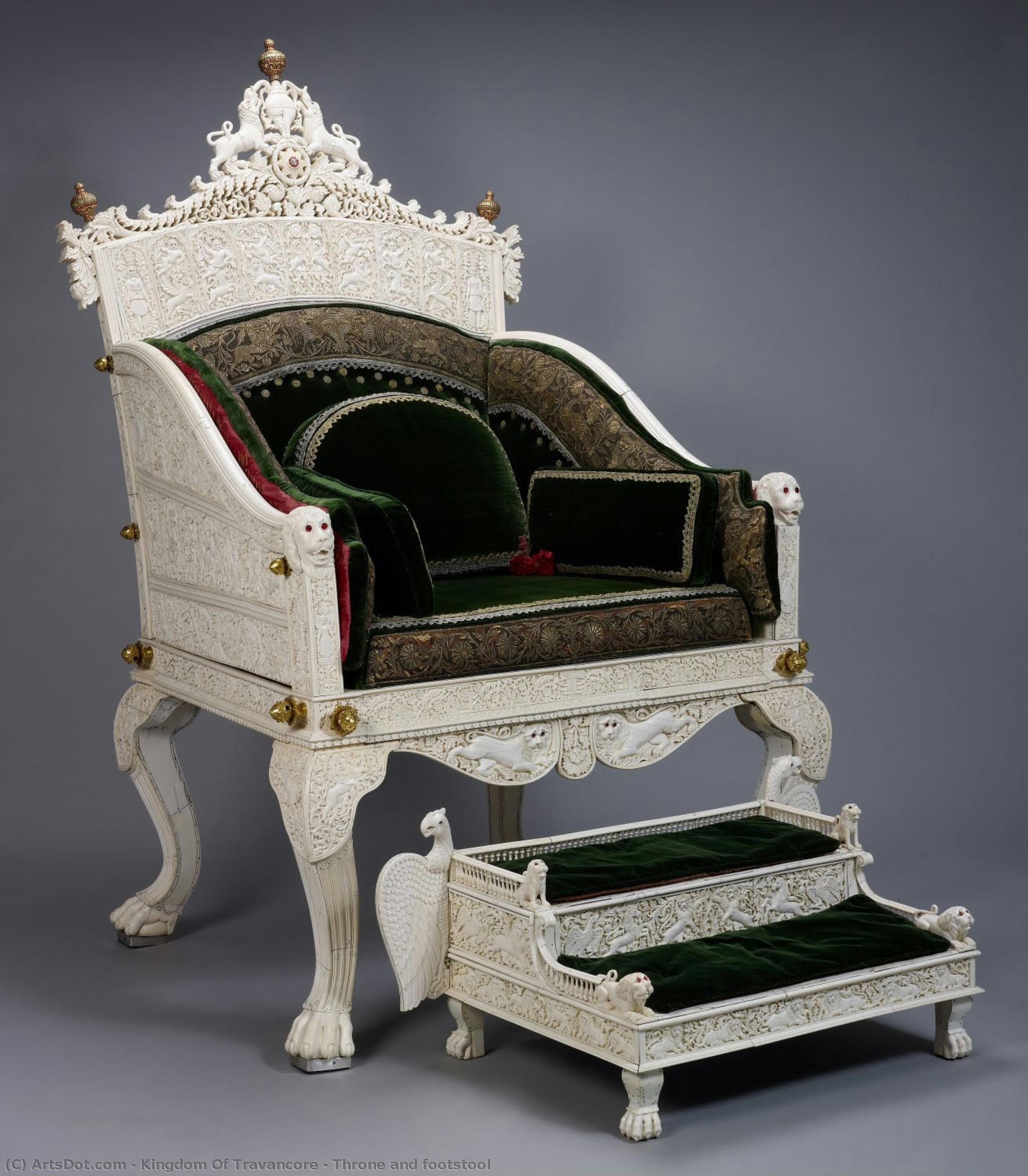
Throne and footstool
 Acrylic On Canvas
- WallArt
- Traditional Indian Art
 1850
1850 61.0 x 86.0 cm
 Королевская коллекция
 Читать далее
Жикле / Арт-принт
Печать (жикле) или холст музейного качества с быстрыми сроками изготовления и широким выбором вариантов отделки. ( Купить картину ручной работы Перейти к цифровым изображениям)




P118B $10

P118H $10

P118W $10

P438Z $10

P508JH $12

P508YH $12

P805H $10

P805Z $10

P919BZ $10

P919G $10

P919XJ $10

P959ZH $10

P968JZ $12

W106C $8

W218G $10

W218JH $8

W218Y $10

W307PJ $10

W316G $10

W316PJ $8

W316Y $10

W398PJ $8

W4111J $10

W500HY $15

W500JH $15

W692G $12

W849H $8

W940BG $15

W953PJ $8




Выберите один из наших стандартных размеров, соответствующих оригинальным пропорциям произведения искусства.

Вы можете указать свои собственные размеры, чтобы репродукция идеально подошла под конкретную раму или пространство. Если выбранный вами размер не будет соответствовать пропорциям оригинала, мы либо обрежем произведение, либо дополним изображение зеркальным отражением краев или однотонной заливкой. Перед началом производства вам будет отправлен цифровой макет для утверждения.
Пожалуйста, обратите внимание, что предварительный просмотр на экране не отображает фактическую обрезку или расширение изображения. Только макет точно покажет финальную композицию.
Несмотря на возможность заказа индивидуальных размеров, мы рекомендуем выбирать размер из предопределенного списка, чтобы сохранить оригинальные пропорции.
Доставка по всему миру () за 2 недели вместо стандартных 4/5 недель. (13 Сентябрь)

Бесплатная экспресс-доставка по всему миру

Высококачественный льняной холст

Полное страхование доставки

Гарантия возмещения таможенных пошлин

Гарантия точного соответствия цветов

100-дневная политика возврата (только при обнаружении дефектов)

Гарантия возврата 100% средств

Предложение оптовых скидок
 Вариант со стеклом доступен только для размеров менее 110 см

Throne and footstool
Жикле / Арт-принт
Размер репродукции
-


Итоговая стоимость
$ 62
A Royal Offering: Unveiling the Throne and Footstool
Before us lies more than just a piece of furniture; it’s a tangible embodiment of a kingdom's ambition, artistry, and cultural fusion. The “Throne and Footstool,” presented to Queen Victoria in 1851 as a testament to the skill of Travancore’s artisans, is a breathtaking spectacle of intricately carved ivory, opulent gold leaf, and vibrant textiles. This remarkable pair wasn’t merely commissioned; it was a deliberate act of diplomacy, designed to showcase the kingdom's wealth, craftsmanship, and sophisticated aesthetic sensibilities to the heart of the British Empire.
The piece itself is dominated by a monumental throne, its broad rectangular base subtly softened by rounded edges – a characteristic that speaks to both structural stability and an appreciation for flowing forms. The seat cushion, a rich emerald green velvet, provides a striking counterpoint to the predominantly white ivory, immediately drawing the eye to the astonishing detail of the carvings. These aren’t merely decorative flourishes; they are a complex narrative woven into the very fabric of the wood. The elephant tusks, meticulously shaped and inlaid, depict scenes of Indian mythology – perhaps elements from the Ramayana or Mahabharata – alongside European motifs suggesting an exchange of artistic ideas during this period of increasing colonial interaction.
The Artistry of Travancore: A Synthesis of Styles
Understanding the creation of this throne requires appreciating the unique artistic traditions of the Kingdom of Travancore. For centuries, the region had fostered a distinct style blending elements of Tamil, Malayalam, and European influences. The use of ivory carving was particularly renowned, prized for its ability to capture intricate detail and create a luminous quality. The artisans of Travancore were masters of depicting animals – elephants, tigers, peacocks – with remarkable realism and grace, often imbued with symbolic meaning. The incorporation of gold leaf adds another layer of richness and prestige, reflecting the kingdom’s wealth and status.
Notice the delicate conch-shell emblem crowning the throne – a potent symbol of royalty and divine authority in Hindu tradition. This cresting isn't simply ornamental; it represents the very essence of Travancore’s identity as a sovereign state, deeply rooted in ancient beliefs and customs. The overall design demonstrates a sophisticated understanding of proportion and balance, reflecting a mastery of both Eastern and Western artistic principles.
A Window into 19th-Century Diplomacy
The presentation of this throne to Queen Victoria was a calculated move by the rulers of Travancore. It served as a powerful advertisement for their skills and resources, intended to attract trade, investment, and diplomatic recognition from Britain. The exhibition at the Great Exhibition in 1851 provided an unparalleled platform for showcasing Indian artistry on a global stage. The throne’s presence there undoubtedly contributed to increased awareness of Travancore's cultural heritage and its potential as a valuable trading partner.
Furthermore, it speaks volumes about the evolving relationship between India and Britain during this era – a complex interplay of trade, colonialism, and cultural exchange. The throne stands as a beautiful, albeit poignant, reminder of this dynamic period, offering a glimpse into the intricate negotiations and symbolic gestures that shaped the course of history.
Timeless Elegance: A Reproduction for Today
Today, reproductions of this magnificent throne offer an exceptional opportunity to bring a touch of royal grandeur and artistic heritage into any setting. The meticulous detail and rich materials are faithfully recreated, capturing the essence of the original’s splendor. Whether adorning a grand hall or a sophisticated living room, this piece serves as a powerful statement of taste and appreciation for timeless artistry. It's more than just furniture; it’s a window into a fascinating kingdom and a testament to the enduring power of human creativity.
Похожие произведения
![Legend Of St Francis - [09] - Vision Of The Thrones — Джотто Ди Бондоне, Gothic Art](/media/artworks/images-thumb/22/63/2263d17803affec5bf4662652047e257.jpg)

Биография художника
The Kingdom of Travancore: A Legacy Forged in Art and Power
The Kingdom of Travancore, a jewel nestled along the Malabar Coast of India, existed from approximately 1729 until 1949. More than just a geographical entity, it represented a vibrant confluence of cultures – Tamil, Malayalam, and European influences – all shaped by the ambitious vision of its rulers and the artistry of its people. This article delves into the rich history of this fascinating kingdom, exploring its origins, artistic achievements, political evolution, and enduring legacy, culminating in the magnificent treasures that continue to captivate art enthusiasts today.
The story begins with Marthanda Varma, a shrewd and determined ruler who inherited the small feudal state of Venad in 1723. Recognizing its potential, he embarked on a campaign of strategic alliances and military conquests, transforming Venad into the formidable Kingdom of Travancore. His most significant victory came during the Travancore-Dutch War (1739–46), culminating in the Battle of Colachel – an early example of Asian forces successfully overcoming European military technology and tactics. This triumph not only secured Travancore’s independence but also established it as a rising power in the region, laying the foundation for its subsequent prosperity and cultural development.
A Flourishing Artistic Landscape
The Kingdom of Travancore was renowned for its exceptional artistic production, reflecting both indigenous traditions and influences from Europe. The royal workshops produced an astonishing array of objects – intricate bronze sculptures, vibrant textiles, exquisite woodwork, and elaborate jewelry – each imbued with a sense of regal splendor and meticulous craftsmanship. A prime example of this artistry is the “Throne and Footstool,” presented to Queen Victoria in 1850. This magnificent bronze artwork, now housed at ArtsDot.com, showcases the kingdom’s mastery of casting techniques and intricate detailing, blending traditional Indian motifs with European stylistic elements. The piece is a testament to the skill of Travancorean artisans and their ability to adapt and innovate.
Beyond the Throne and Footstool, the Kingdom's artistic legacy extends throughout its museums. Notably, the Kerala Museum houses a significant collection of artifacts, including “Maharaja Rama Varma” by Ramapurathu Warrier, another masterpiece that offers insight into the royal family’s patronage of the arts. This painting, available for purchase at ArtsDot.com, exemplifies the kingdom's artistic sensibilities and its ability to capture the dignity and power of its rulers.
Royal Patronage and Cultural Influence
The Travancore royal family played a pivotal role in fostering an environment conducive to artistic development. Members of the family were not merely patrons but active participants in the cultural life of the kingdom, commissioning works of art, supporting local artists, and promoting traditional crafts. This patronage extended across various disciplines – painting, sculpture, music, dance, and architecture – contributing significantly to the kingdom’s rich cultural heritage. The royal court served as a hub for artistic exchange, bringing together skilled artisans from different regions and fostering a vibrant creative atmosphere.
Political Evolution and Legacy
The Kingdom of Travancore's history is marked by a complex interplay of diplomacy, warfare, and political maneuvering. Initially, the kingdom maintained an independent stance, but in 1788, it signed a treaty with the British East India Company, accepting British dominance in exchange for protection. However, subsequent revisions to the treaty gradually eroded Travancore’s autonomy, culminating in its incorporation into British India as part of Madras Presidency. Despite this shift, the kingdom retained a distinct identity and cultural traditions.
In 1949, following India's independence, Travancore merged with Cochin and other neighboring territories to form the State of Kerala. While the monarchy was abolished, the legacy of the Kingdom of Travancore – its artistic achievements, cultural heritage, and historical significance – continues to resonate today. The exquisite artworks produced during this era stand as a testament to the kingdom’s creativity, skill, and enduring influence on Indian art and culture.
Further Exploration
To delve deeper into the history of the Kingdom of Travancore, consider exploring these resources:

kingdom of travancore
1949 , India
Основные сведения
- Artistic Movement Or Style: South Indian art
- Date Of Birth: c. 1729
- Date Of Death: 1949
- Full Name: Kingdom of Travancore
- Nationality: Indian
- Notable Artworks:
- Throne and Footstool
- Maharaja Rama Varma painting
- Place Of Birth: Thiruvananthapuram, India
Похожие статьи
Топ-10 шедевров в тонах слоновой кости и черного: искусство, вдохновляющее интерьер
Погрузитесь в мир искусства с 10 шедеврами, где слоновая кость и черный создают завораживающие образы. Узнайте истории великих художников и вдохновитесь для создания уникального интерьера. Репродукции картин высокого качества на ArtsDot.com – искусство для вашего дома! Explore the full collection o
Raja Ravi Varma: Bridging Tradition & Modernity in 19th-Century Indian Art
Explore the life & art of Raja Ravi Varma, a pioneer who fused European techniques with Indian iconography. Discover his iconic paintings, lasting legacy, and influence on modern Indian art at ArtsDot.
Sir William Beechey: Portraiture, Patronage & Shaping Georgian Society
Explore the life & art of Sir William Beechey, a leading British portraitist of the Georgian era. Discover his royal commissions, aristocratic subjects, and lasting influence on 18th-century painting. Learn more at ArtsDot.
From Portraiture to Power: The Rise of Bespoke Royal-Themed Paintings as Luxury Personalized Gifts
Discover bespoke royal paintings – luxury personalized gifts crafted by skilled artists. Commission a unique heirloom artwork & elevate your space with timeless elegance. Expert art consultation available.
The Majesty of Representation: Exploring Regal Imagery in Art History
Explore the captivating history of royal portraiture with ArtsDot. Discover the symbolism, artistry, and enduring legacy of regal imagery in art. Expert insights for collectors & enthusiasts.