

 Поделиться
 Поделиться
 Детали произведения

 Скачать
 Похожие работы
 Слайд-шоу
 Статистика
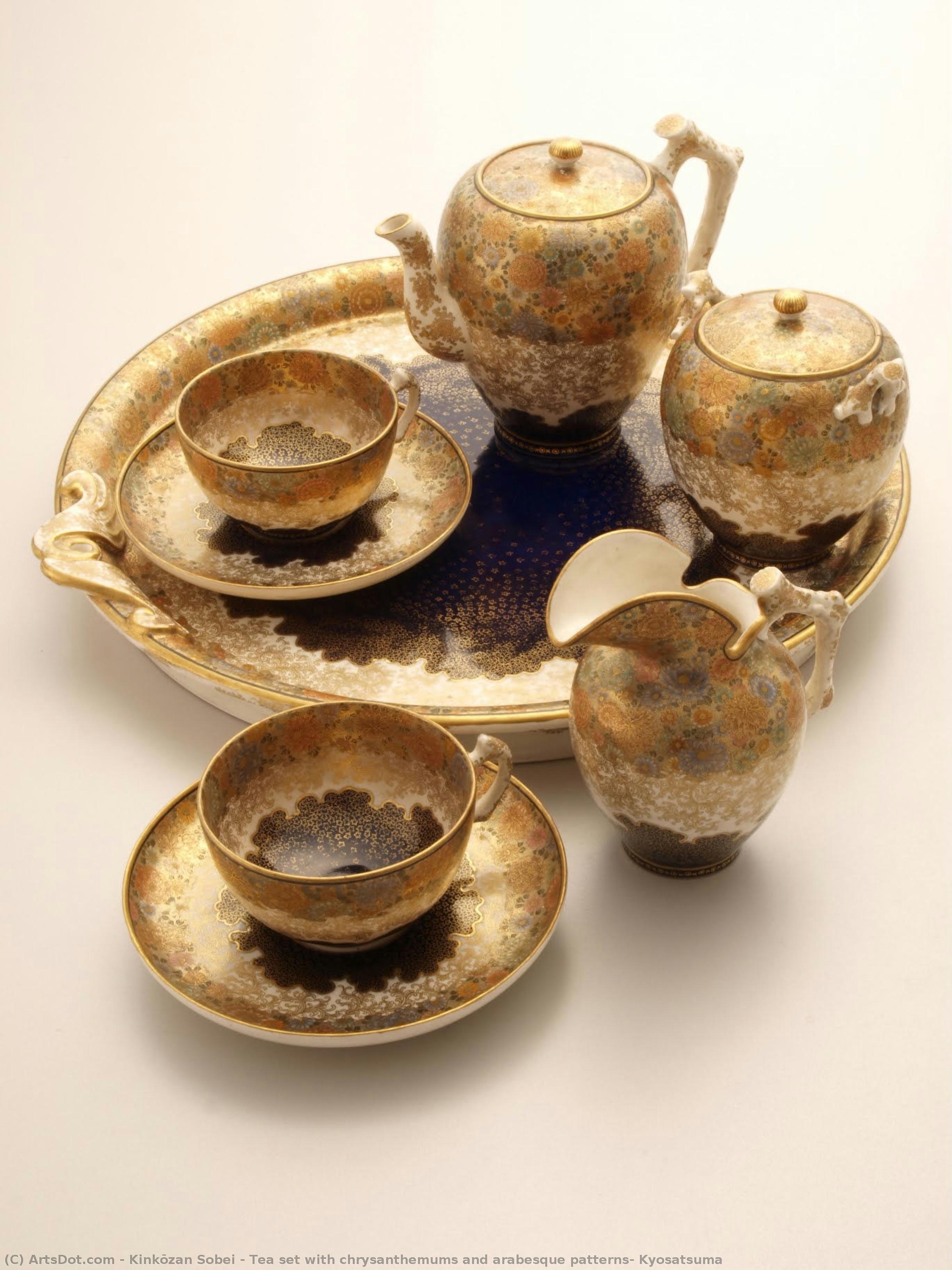
Tea set with chrysanthemums and arabesque patterns, Kyosatsuma
 Ceramics
- Other
 19th Century
 36.0 x 3.0 cm
 Art Research Center
 Читать далее
Приобретите цифровое изображение высокого разрешения в улучшенном качестве, которое значительно превосходит онлайн-превью.
Каждый файл тщательно подготавливается нашими специалистами с использованием передовых инструментов и экспертной ручной ретуши. Мы гарантируем исключительную четкость, точную цветопередачу и детальную проработку каждого изображения.
Финальный файл доставляется по электронной почте в течение 72 часов и оптимизирован для немедленного использования в профессиональной среде, при верстке и печати. Это тот же уровень качества, которому доверяют ведущие дизайнерские студии, издательства и галереи.
Цифровое изображение
Скачайте файл высокого разрешения для личного использования, печати и творческих проектов. ( Перейти к печати Купить картину ручной работы)
Включено в каждый заказ цифровых изображений
Гарантия экспертной цифровой доставки
Выбирая ArtsDot.com, вы получаете не просто изображение — вы приобретаете профессионально обработанное цифровое произведение искусства, созданное с безупречной точностью и под защитой гарантии качества. Вот всё, что автоматически входит в ваш заказ:

Мгновенная доставка по e-mail
Ваш цифровой файл в высоком разрешении будет отправлен вам по электронной почте в течение 72 часов после оформления заказа — и сразу станет доступен для использования.

Цифровой файл с ИИ-улучшением
Ваше произведение искусства проходит профессиональную оптимизацию с использованием передовых инструментов ИИ и ручной обработки, что гарантирует максимальную детализацию, четкость и точность цветопередачи.

Бессрочная бесплатная повторная доставка
Случайно удалили или потеряли файл? Не беспокойтесь — мы отправим его вам повторно в любое время и совершенно бесплатно.

Без импортных пошлин — навсегда
Наслаждайтесь вашим произведением искусства мгновенно без таможенных пошлин, сборов или затрат на доставку — цифровые загрузки всегда не облагаются налогом.

Гарантия точности цветопередачи
Мы гарантируем, что ваше цифровое изображение максимально точно передает оригинальные цвета благодаря использованию профессиональных инструментов и систем управления цветом.

Гарантия удовлетворенности 100 дней
Если вы не будете удовлетворены своим цифровым изображением, мы внесем правки или вернем 100% стоимости в течение 100 дней — без лишних вопросов.

100% Гарантия возврата средств
Не удовлетворены покупкой? Получите полный возврат средств в течение 100 дней после получения цифрового файла — без лишних вопросов.

Скидки на оптовые заказы
Купите 3 изображения, сэкономьте 10% — Купите 5, сэкономьте 15% — Купите 10+, сэкономьте 20%. Отличное решение для творческих проектов, галерей и агентств.
A Symphony of Porcelain and Gold: The Elegance of Kinkōzan Sobei
In the quiet, refined world of the Japanese tea ceremony, every object tells a story of intention, grace, and seasonal reverence. The Tea set with chrysanthemums and arabesque patterns, Kyosatsuma, stands as a breathtaking testament to this philosophy. Created by the master Kinkōzan Sostei, this exquisite arrangement transcends mere utility, presenting itself as a meticulously composed still life of porcelain and light. At first glance, the viewer is enveloped by an atmosphere of profound serenity and luxury. The composition, centered around a teapot, two delicate cups, a creamer, and a small plate, rests upon a grand, ornate tray that anchors the scene with its weight and historical grandeur. The soft, diffused lighting dances across the surfaces, catching the subtle shimmer of gold leaf and highlighting the smooth, lustrous glaze of the porcelain, inviting the observer into a moment of meditative stillness.
The artistry of Sobei is most evident in the intricate marriage of organic beauty and geometric precision. The subject matter is defined by the rhythmic flow of chrysanthemums—symbols of longevity and rejuvenation in Japanese culture—intertwined with complex arabesque patterns that wind around the curves of the vessels like frozen silk. These motifs are not merely decorative; they represent a deep connection to the natural world, captured through a highly skilled rendering technique that emphasizes realism and texture. The artist’s ability to manipulate light and shadow creates a palpable sense of depth, where the overlapping elements of the tea set suggest a three-dimensional space that feels both intimate and monumental. For the collector or interior designer, this piece offers a masterclass in how fine detail can evoke a sense of timelessness and cultural heritage.
To understand the soul of this work, one must look to the legacy of the Kinkōzan workshop in Kyoto. Sobei, working within a lineage that served the imperial courts, brought a level of sophistication to Satsuma ware that would eventually captivate the Western world during the Meiji period. The warm color palette, dominated by rich golds and earthy tones, reflects the opulence of an era where craftsmanship was a sacred duty. Every line is smooth and curved, mirroring the organic shapes of the tea vessels, while the tray provides a structured, geometric counterpoint. This piece is more than a reproduction of a historical artifact; it is an emotional journey into the heart of Japanese aesthetic tradition, offering an unparalleled sense of refinement and peace to any space it inhabits.
Похожие произведения

Биография художника
Kinkōzan Sobei (1825-1896): A Master of Kyoto’s Imperial Porcelain
Born in Kyoto, Japan, in 1825, Kinkōzan Sobei was more than just a potter; he was a pivotal figure in the evolution of Japanese ceramics and a key contributor to the international recognition of Satsuma ware. His life intertwined with the legacy of his family’s renowned workshop, the Kinkōzan, a lineage steeped in artistic tradition dating back to its founder, Kinkōzan Sōzui (1741-1818). Sobei's journey wasn't simply one of inheriting a craft; it was a deliberate and innovative response to changing times, ultimately shaping the distinctive aesthetic that would captivate Europe during the Meiji period.
His early life was deeply rooted in this established artistic heritage. As the son of Kinkōzan Sōzui, he received an unparalleled education in pottery techniques, mastering the intricacies of form, glaze, and decoration. The Kinkōzan workshop itself held a prestigious position, traditionally supplying ceramics to the imperial court and influential figures within the shogunate. This connection provided Sobei with access to rare clays, specialized firing methods, and a deep understanding of the symbolic language embedded in Japanese art – particularly the importance of auspicious motifs and refined elegance.
The Art of Satsuma: Innovation and Influence
Sobei’s true contribution lies in his pivotal role in developing and refining what became known as Kyō Satsuma ware. While the origins of Satsuma pottery itself trace back to the province of Kagoshima, Sobei and his successors in Kyoto elevated the style with a distinctive refinement and an emphasis on intricate detail that set it apart. The Kinkōzan workshop, under his guidance, began experimenting with new glazing techniques – particularly the development of the vibrant, layered colors characteristic of Kyō Satsuma – alongside the meticulous application of gold leaf (kinrande) and elaborate painted designs.
This innovation was directly influenced by Western artistic trends emerging during the Meiji Restoration. The opening of Japan to foreign trade in the mid-19th century exposed Japanese artisans to European art, particularly the opulent styles of Rococo and Baroque. Sobei skillfully adapted these influences, incorporating elements like floral motifs, arabesque patterns, and a heightened sense of decorative extravagance into his work. This fusion of traditional Japanese aesthetics with Western artistic sensibilities proved remarkably successful, propelling Kyō Satsuma ware onto the international stage.
A Global Stage: Exhibitions and Recognition
Sobei’s talent was quickly recognized on an international scale. His pieces were prominently featured at a series of prestigious exhibitions throughout the latter half of the 19th century, solidifying Kyō Satsuma's reputation as a premier art form. The Great Exhibition of 1862 in London showcased his exquisite craftsmanship, followed by the Exposition Universelle of 1867 in Paris and the Centennial Exposition of 1876 in Philadelphia. Perhaps most notably, his work was displayed at the World’s Columbian Exposition of 1893 in Chicago, cementing its place as a symbol of Japanese artistry within the global art market.
These exhibitions weren't merely displays; they were crucial moments for establishing Kyō Satsuma ware as a desirable commodity. Western collectors and connoisseurs were captivated by its vibrant colors, intricate designs, and perceived exoticism. The demand fueled production at the Kinkōzan workshop, transforming it into one of the most successful ceramic workshops in Japan during that era.
Legacy and Enduring Influence
Kinkōzan Sobei’s legacy extends far beyond his individual creations. He played a crucial role in shaping the trajectory of Japanese ceramics and fostering cross-cultural exchange between East and West. His innovations in glazing, design, and marketing techniques continue to inform contemporary ceramic artists. His work is now housed in museums around the world – including the Victoria and Albert Museum in London, the Guimet Museum of Asian Art in Paris, and the Philadelphia Museum of Art – serving as a testament to his skill and vision.
The Fujikawa Galleries in Japan remain a significant repository of Kinkōzan Sobei’s work, offering visitors a chance to appreciate the enduring beauty and historical significance of this remarkable artist. His influence can also be seen in the Kiyomizu Sannenzaka Museum Collection, where pieces like incense burners and tea sets exemplify the refined elegance that defined his artistic output.
Ultimately, Kinkōzan Sobei’s life represents a fascinating intersection of tradition and innovation—a testament to the power of an artist to adapt, evolve, and leave an indelible mark on the world of art.
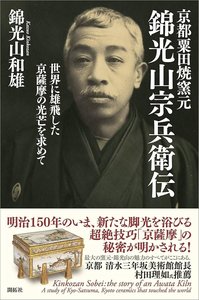
kinkōzan sobei
1825 - 1896 , Japan
Основные сведения
- Artistic Movement Or Style: Satsuma ware
- Artists Or Movements Influenced By This Artist: ['Meiji period art']
- Artists Who Influenced This Artist: ['Kinkōzan Sōzui']
- Date Of Birth: 1825
- Date Of Death: 1896
- Full Name: Kinkōzan Sobei
- Nationality: Japanese
- Notable Artworks:
- Incense burners
- Tea set chrysanthemums
- Place Of Birth: Kyoto, Japan