


 Предпросмотр
 Поделиться
 Поделиться
 Детали произведения

 Скачать
 Похожие работы
 Рентгенография
 Слайд-шоу
 Статистика
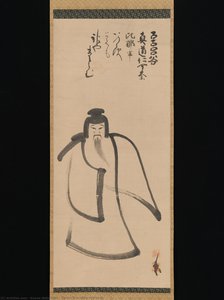
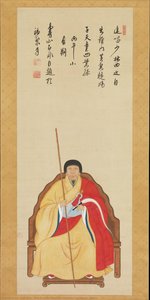
Portrait of the Ōbaku Zen Monk Jifei Ruyi (Sokuhi Nyoitsu)
 1666
1666 110.0 x 44.0 cm
 Читать далее
Приобретите цифровое изображение высокого разрешения в улучшенном качестве, которое значительно превосходит онлайн-превью.
Каждый файл тщательно подготавливается нашими специалистами с использованием передовых инструментов и экспертной ручной ретуши. Мы гарантируем исключительную четкость, точную цветопередачу и детальную проработку каждого изображения.
Финальный файл доставляется по электронной почте в течение 72 часов и оптимизирован для немедленного использования в профессиональной среде, при верстке и печати. Это тот же уровень качества, которому доверяют ведущие дизайнерские студии, издательства и галереи.
Цифровое изображение
Скачайте файл высокого разрешения для личного использования, печати и творческих проектов. ( Перейти к печати Купить картину ручной работы)
Включено в каждый заказ цифровых изображений
Гарантия экспертной цифровой доставки
Выбирая ArtsDot.com, вы получаете не просто изображение — вы приобретаете профессионально обработанное цифровое произведение искусства, созданное с безупречной точностью и под защитой гарантии качества. Вот всё, что автоматически входит в ваш заказ:

Мгновенная доставка по e-mail
Ваш цифровой файл в высоком разрешении будет отправлен вам по электронной почте в течение 72 часов после оформления заказа — и сразу станет доступен для использования.

Цифровой файл с ИИ-улучшением
Ваше произведение искусства проходит профессиональную оптимизацию с использованием передовых инструментов ИИ и ручной обработки, что гарантирует максимальную детализацию, четкость и точность цветопередачи.

Бессрочная бесплатная повторная доставка
Случайно удалили или потеряли файл? Не беспокойтесь — мы отправим его вам повторно в любое время и совершенно бесплатно.

Без импортных пошлин — навсегда
Наслаждайтесь вашим произведением искусства мгновенно без таможенных пошлин, сборов или затрат на доставку — цифровые загрузки всегда не облагаются налогом.

Гарантия точности цветопередачи
Мы гарантируем, что ваше цифровое изображение максимально точно передает оригинальные цвета благодаря использованию профессиональных инструментов и систем управления цветом.

Гарантия удовлетворенности 100 дней
Если вы не будете удовлетворены своим цифровым изображением, мы внесем правки или вернем 100% стоимости в течение 100 дней — без лишних вопросов.

100% Гарантия возврата средств
Не удовлетворены покупкой? Получите полный возврат средств в течение 100 дней после получения цифрового файла — без лишних вопросов.

Скидки на оптовые заказы
Купите 3 изображения, сэкономьте 10% — Купите 5, сэкономьте 15% — Купите 10+, сэкономьте 20%. Отличное решение для творческих проектов, галерей и агентств.
Похожие произведения
Биография художника
A Nagasaki Portraitist Bridging East and West
In the vibrant, salt-aired atmosphere of 17th and 18th-century Nagasaki, a unique cultural alchemy was taking place. As Japan's primary gateway for interaction with the outside world during the Edo period, Nagasaki served as a rare window through which Chinese traditions and Western influences could seep into the isolated archipelago. It was within this crucible of global exchange that Kita Genki emerged, a painter whose very existence serves as a testament to the dynamic artistic currents flowing through Japan's westernmost port. A figure of profound technical skill, Genki did not merely observe these shifting tides; he wove them together into a singular, evocative style that bridged the gap between the established traditions of the East and the burgeoning aesthetics of the West.
Genki’s professional identity was deeply rooted in the local landscape of Nagasaki. Historical records, such as the Nagasaki Senmin Gen—a meticulous census of the city's artisans—identify him as a portraitist specializing in both Chinese and Nanban (Western) styles. This designation is particularly significant, as it reveals a painter capable of navigating two distinct visual languages. While many of his contemporaries remained tethered to strictly domestic traditions, Genki embraced the burgeoning demand among the Japanese elite for art that reflected the exotic and the new. His work was not just an act of representation but an act of cultural synthesis, capturing the spiritual gravity of Buddhist subjects through a lens that incorporated foreign artistic innovations.
The Mastery of Ink and Light
The essence of Genki’s artistry lies in his ability to harmonize the delicate precision of Chinese ink wash painting with the dramatic potential of Western techniques. His most celebrated works, such as his portraits of Ōbaku Zen Monks, demonstrate a profound mastery of the brush. In these pieces, one can observe the traditional influence of Chinese monochrome aesthetics—a style deeply intertwined with Buddhist iconography and the pursuit of spiritual truth. Yet, beneath the fluid, meditative strokes of ink, there exists a subtle introduction of Western-inspired chiaroscuro. By utilizing light and shadow to create a sense of volume and presence, Genki breathed a new, tactile dimension into the traditionally flat planes of East Asian portraiture.
This technical duality is most evident in his notable commissions:
- The Portrait of Ōbaku Zen Monk Jifei Ruyi: A work that captures the spiritual authority of the master, featuring inscriptions that connect the subject to the broader lineage of Zen Buddhism.
- The Portrait of Obaku Monk Mokuan: An achievement in capturing the essence and dignity of the monastic life through meticulous detail and atmospheric depth.
Through these portraits, Genki achieved more than mere likeness; he captured the spiritual stature of his subjects. The interplay of fine line work and soft shading allowed him to convey the weight of wisdom and the serenity of enlightenment, making his portraits venerated symbols of both religious devotion and artistic excellence.
A Lasting Legacy in Japanese Art History
Though the specific dates of Genki’s life remain partially shrouded in the mists of history, his impact on the Nagasaki School of painting is undeniable. He belonged to a pivotal era when the influx of Chinese monks and Western traders brought new ideas regarding Confucianism, Zen Buddhism, and even scientific observation to Japan. By integrating these disparate elements, Genki helped shape a burgeoning Japanese artistic identity that was both deeply rooted in tradition and remarkably open to the world.
Today, the legacy of Kita Genki lives on through the preserved treasures held in institutions such as the Indianapolis Museum of Art. To stand before his works is to witness a moment of profound transformation—a time when the boundaries of art were being redrawn by the hands of masters who saw no conflict between the ancient ink of the East and the transformative light of the West. His contribution remains a vital chapter in the story of how Japan navigated its place in a changing global landscape, proving that true innovation often arises from the most unexpected encounters.
kita genki
Japan
Основные сведения
- Artistic Movement Or Style: Chinese & Western Painting Techniques
- Date Of Birth: (Nagasaki)
- Date Of Death: (Living)
- Full Name: Kita Genki
- Nationality: Japanese
- Notable Artworks:
- Portrait of the Ōbaku Zen Monk Jifei Ruyi
- Portrait of Obaku Monk Mokuan
- Place Of Birth: Nagasaki, Japan