

 Предпросмотр
 Поделиться
 Поделиться
 Детали произведения

 Скачать
 Похожие работы
 Рентгенография
 Слайд-шоу
 Статистика
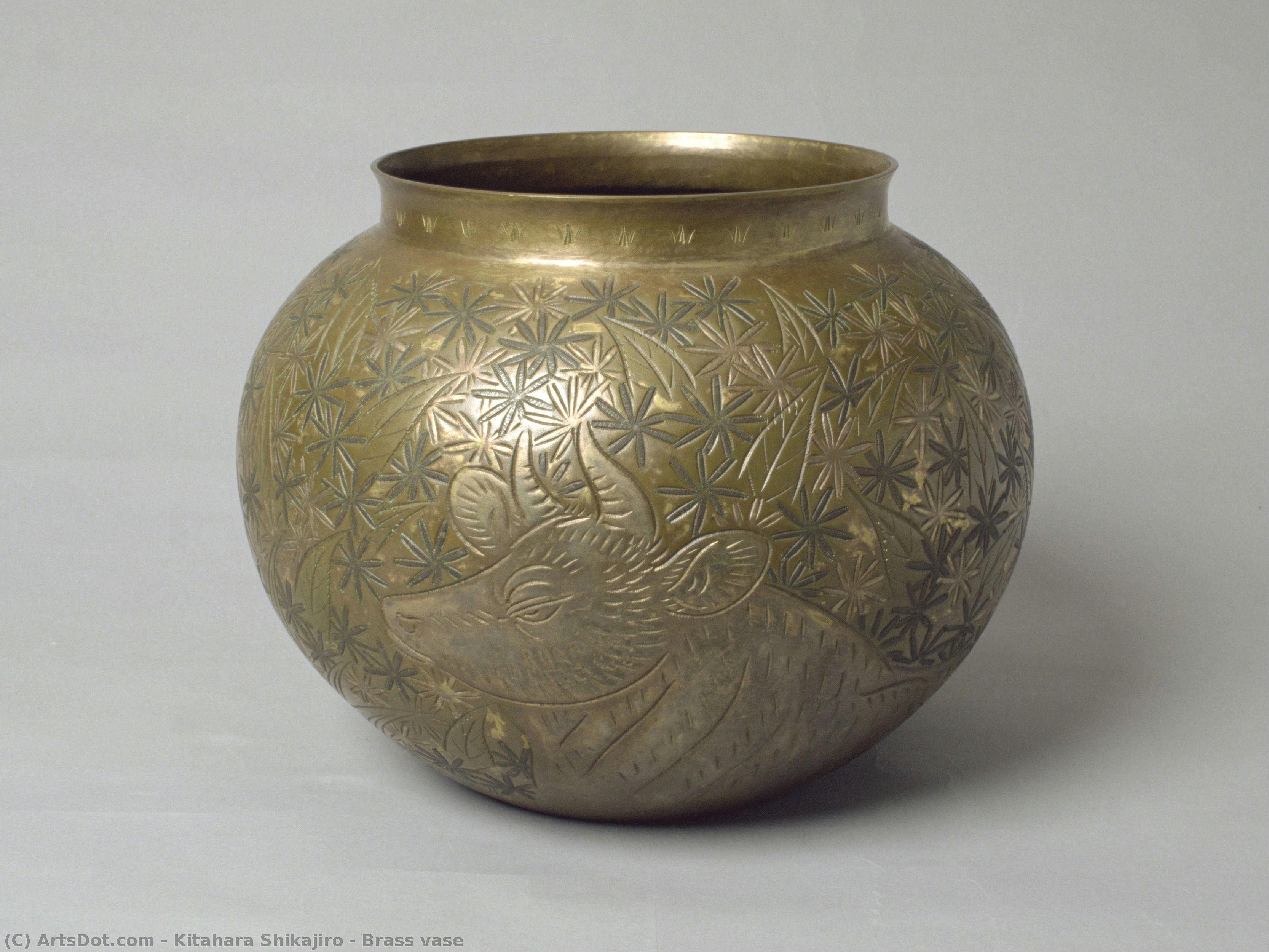
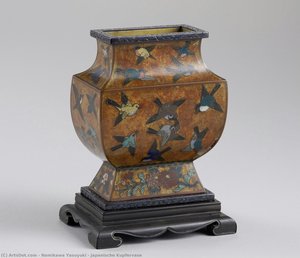
Brass vase

 Читать далее
Приобретите цифровое изображение высокого разрешения в улучшенном качестве, которое значительно превосходит онлайн-превью.
Каждый файл тщательно подготавливается нашими специалистами с использованием передовых инструментов и экспертной ручной ретуши. Мы гарантируем исключительную четкость, точную цветопередачу и детальную проработку каждого изображения.
Финальный файл доставляется по электронной почте в течение 72 часов и оптимизирован для немедленного использования в профессиональной среде, при верстке и печати. Это тот же уровень качества, которому доверяют ведущие дизайнерские студии, издательства и галереи.
Цифровое изображение
Скачайте файл высокого разрешения для личного использования, печати и творческих проектов. ( Перейти к печати Купить картину ручной работы)
Включено в каждый заказ цифровых изображений
Гарантия экспертной цифровой доставки
Выбирая ArtsDot.com, вы получаете не просто изображение — вы приобретаете профессионально обработанное цифровое произведение искусства, созданное с безупречной точностью и под защитой гарантии качества. Вот всё, что автоматически входит в ваш заказ:

Мгновенная доставка по e-mail
Ваш цифровой файл в высоком разрешении будет отправлен вам по электронной почте в течение 72 часов после оформления заказа — и сразу станет доступен для использования.

Цифровой файл с ИИ-улучшением
Ваше произведение искусства проходит профессиональную оптимизацию с использованием передовых инструментов ИИ и ручной обработки, что гарантирует максимальную детализацию, четкость и точность цветопередачи.

Бессрочная бесплатная повторная доставка
Случайно удалили или потеряли файл? Не беспокойтесь — мы отправим его вам повторно в любое время и совершенно бесплатно.

Без импортных пошлин — навсегда
Наслаждайтесь вашим произведением искусства мгновенно без таможенных пошлин, сборов или затрат на доставку — цифровые загрузки всегда не облагаются налогом.

Гарантия точности цветопередачи
Мы гарантируем, что ваше цифровое изображение максимально точно передает оригинальные цвета благодаря использованию профессиональных инструментов и систем управления цветом.

Гарантия удовлетворенности 100 дней
Если вы не будете удовлетворены своим цифровым изображением, мы внесем правки или вернем 100% стоимости в течение 100 дней — без лишних вопросов.

100% Гарантия возврата средств
Не удовлетворены покупкой? Получите полный возврат средств в течение 100 дней после получения цифрового файла — без лишних вопросов.

Скидки на оптовые заказы
Купите 3 изображения, сэкономьте 10% — Купите 5, сэкономьте 15% — Купите 10+, сэкономьте 20%. Отличное решение для творческих проектов, галерей и агентств.
Похожие произведения




Биография художника
John Everett Millais: A Pre-Raphaelite Pioneer of Light and Nature
Born in Southampton on June 8, 1829, John Everett Millais was a pivotal figure in the burgeoning art world of Victorian England. His early life, marked by a prodigious talent nurtured within a wealthy family – his father, John William Millais, was a successful gentleman from Jersey – laid the foundation for a career that would forever alter perceptions of landscape and narrative painting. From his initial successes at the Royal Academy Schools to his pivotal role in establishing the Pre-Raphaelite Brotherhood, Millais’s journey embodies both artistic innovation and a deep connection with the natural world.
Millais's formal training began at Sass's Art School in London, where he quickly distinguished himself. Winning a silver medal at the Society of Arts at just nine years old, and later securing a coveted silver medal at the Royal Academy in 1843 for his drawing from the antique, demonstrated an extraordinary aptitude for observation and representation. His debut exhibition at the Royal Academy in 1846 with *Pizarro Seizing the Inca of Peru* immediately established him as a rising star, showcasing his ability to capture dramatic narratives with meticulous detail. This early work foreshadowed his later fascination with historical subjects and his commitment to realism.
However, it was his association with William Holman Hunt and Dante Gabriel Rossetti that truly defined Millais’s artistic trajectory. In 1848, these three artists – along with others – formed the Pre-Raphaelite Brotherhood, a collective dedicated to rejecting the academic conventions of the Royal Academy and embracing a return to the perceived purity and sincerity of pre-Renaissance art. The Brotherhood sought to depict subjects with unprecedented accuracy and emotional intensity, often drawing inspiration from medieval legends, mythology, and literature. Millais’s early Pre-Raphaelite works, such as *Isabella* (1848-9) and *Ophelia* (1851-2), exemplify this movement's core principles – a vibrant use of color, meticulous detail, and a profound engagement with the beauty and symbolism of nature. *Ophelia*, in particular, remains one of the most iconic images of the Pre-Raphaelite Brotherhood, capturing the tragic beauty of Shakespeare’s character with breathtaking realism and evocative lighting.
Millais's artistic style evolved significantly throughout his career. Initially known for his dramatic historical scenes and meticulously rendered landscapes, he increasingly focused on depicting intimate moments of domestic life and the beauty of the English countryside. His paintings of children, such as *Bubbles* (1886) and *Stella* (1868), became immensely popular, capturing the innocence and charm of Victorian childhood with remarkable sensitivity. These works demonstrated his ability to translate fleeting moments of joy and connection into enduring images.
Beyond his paintings, Millais was a prolific illustrator for numerous publications, including Tennyson’s poems and Trollope's novels. This work honed his skills in capturing character and narrative through visual means, further expanding his artistic repertoire. In 1885, he was created a baronet, recognizing his significant contributions to British art and culture. John Everett Millais died on August 13, 1896, leaving behind a legacy as one of the most influential and beloved artists of the Victorian era – a pioneer who redefined landscape painting and championed the power of observation and emotional resonance in art.
The Influence of Pre-Raphaelitism and Romanticism
Millais’s artistic development was profoundly shaped by two key movements: Pre-Raphaelite Brotherhood and Romanticism. The Pre-Raphaelite Brotherhood, founded in 1848, represented a radical departure from the established conventions of the Royal Academy. Rejecting academic traditions, the brotherhood sought to emulate the style of pre-Renaissance artists like Giotto and Jan van Eyck, believing that these masters possessed a greater sincerity and emotional depth. This emphasis on direct observation, meticulous detail, and vibrant color profoundly influenced Millais’s approach to painting.
Furthermore, Millais's work was deeply rooted in the Romantic movement, which emphasized emotion, imagination, and the sublime power of nature. Like many Romantic artists, Millais sought to capture the emotional impact of his subjects rather than simply reproducing them realistically. His paintings of landscapes, such as *Autumn Leaves* (1855-6), are infused with a sense of atmosphere and mood, reflecting the Romantic ideal of connecting with the natural world on a deeply personal level. The use of light and shadow, particularly in *Ophelia*, is masterful, creating a dramatic and emotionally charged effect.
Key Works and Notable Paintings
Millais’s oeuvre encompasses a diverse range of subjects and styles, but several works stand out as particularly significant examples of his artistic achievements. *Ophelia* (1851-2), arguably his most famous painting, remains an enduring symbol of Pre-Raphaelite art. The depiction of Shakespeare's tragic heroine floating in the river Styx is both hauntingly beautiful and profoundly moving, capturing her vulnerability and despair with remarkable sensitivity.
*The Birth of Venus* (1875-82), commissioned by Queen Victoria herself, represents a shift towards a more allegorical style. This monumental work depicts the goddess Venus emerging from a seashell, embodying beauty, love, and fertility. The painting’s vibrant colors, intricate details, and mythological subject matter demonstrate Millais's continued artistic ambition.
*Bubbles* (1886), a charming depiction of children playing with bubbles, showcases Millais’s ability to capture the innocence and joy of childhood. This work became immensely popular, largely due to its association with Pears soap – a clever advertising campaign that cemented its place in Victorian culture.
Other notable paintings include *Christ in the House of His Parents* (1849-50), which initially received negative criticism but later gained recognition for its psychological depth and emotional intensity, *Isabella* (1848-9), a poignant portrayal of a young woman mourning her lost love, and numerous portraits of prominent figures, including Gladstone, Tennyson, and Disraeli.
Legacy and Historical Significance
John Everett Millais’s impact on the history of art is undeniable. As one of the founding members of the Pre-Raphaelite Brotherhood, he played a crucial role in challenging artistic conventions and paving the way for new approaches to painting. His emphasis on direct observation, meticulous detail, and emotional resonance influenced generations of artists.
Millais’s paintings continue to resonate with audiences today, captivating viewers with their beauty, drama, and psychological depth. *Ophelia*, in particular, remains a powerful symbol of Victorian art and culture, frequently referenced in literature, film, and popular media. His work helped establish the Pre-Raphaelite Brotherhood as one of the most important artistic movements of the 19th century, leaving an enduring legacy that continues to inspire artists and scholars alike.
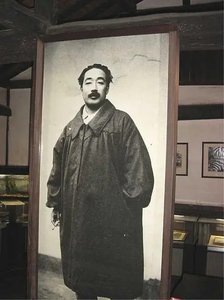
Китахара Сикадзиро
1829 - 1939 , Япония