

 Предпросмотр
 Поделиться
 Поделиться
 Детали произведения

 Скачать
 Похожие работы
 Рентгенография
 Слайд-шоу
 Статистика
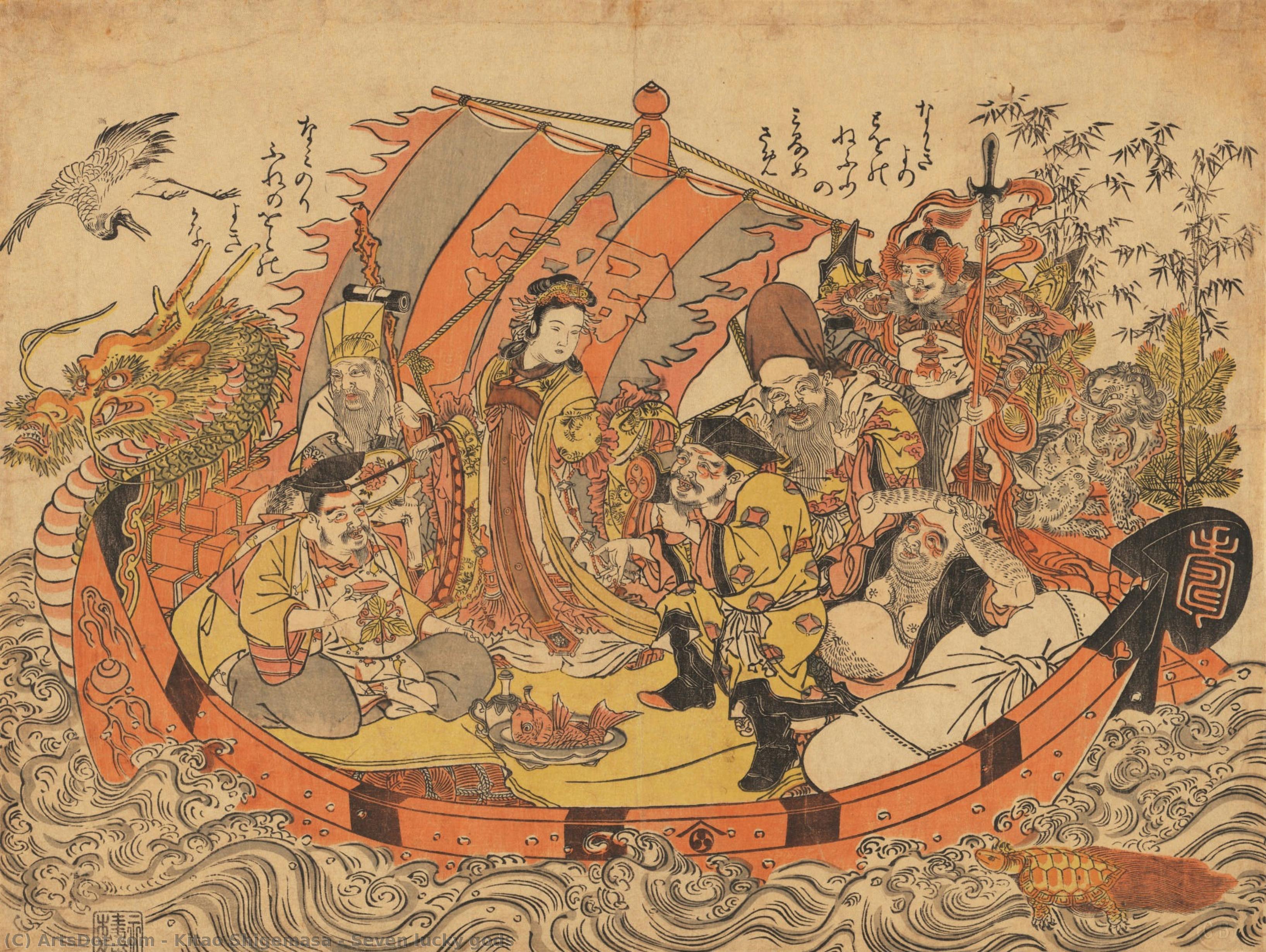
Seven lucky gods
 Woodblock Print
- Ukiyo-e
 1780
1780- Early Modern
 32.0 x 42.0 cm
 Библиотека Честера Битти
 Читать далее
Масляная репродукция ручной работы
Картина маслом на холсте в выбранном вами размере и раме, написанная на заказ нашими художниками. ( Перейти к печати Перейти к цифровым изображениям)




P118B $10

P118H $10

P118W $10

P438Z $10

P508JH $12

P508YH $12

P805H $10

P805Z $10

P919BZ $10

P919G $10

P919XJ $10

P959ZH $10

P968JZ $12

W106C $8

W218G $10

W218JH $8

W218Y $10

W307PJ $10

W316G $10

W316PJ $8

W316Y $10

W398PJ $8

W4111J $10

W500HY $15

W500JH $15

W692G $12

W849H $8

W940BG $15

W953PJ $8




Выберите один из наших стандартных размеров, соответствующих оригинальным пропорциям произведения искусства.

Вы можете указать собственные размеры, чтобы картина идеально вписалась в выбранную раму или пространство. Если выбранный вами размер не соответствует пропорциям оригинала, мы либо обрежем полотно, либо расширим его за счет дополнительных элементов, написанных вручную. Цифровой макет будет отправлен вам на утверждение перед началом производства.
Обратите внимание, что предварительный просмотр на экране не отражает фактическую обрезку или расширение. Только макет точно покажет окончательную композицию.
Хотя доступны индивидуальные размеры, мы рекомендуем выбирать вариант из предопределенного списка, чтобы сохранить исходные пропорции.
После оформления заказа команда ArtsDot.com свяжется с клиентом по электронной почте для уточнения деталей и предоставит предварительный макет
Доставка по всему миру () за 3–4 недели вместо стандартных 5 недель. (11 Сентябрь). Без компромиссов в качестве.

Бесплатная экспресс-доставка по всему миру

Высококачественный льняной холст

Полное страхование доставки

Гарантия возмещения таможенных пошлин

Гарантия точного соответствия цветов

100-дневная политика возврата (только при обнаружении дефектов)

Гарантия возврата 100% средств

Предложение оптовых скидок
 Вариант со стеклом доступен только для размеров менее 110 см

Seven lucky gods
Техника репродукции
Размер репродукции
-


Итоговая стоимость
$ 263
Похожие произведения
Биография художника
Robert Barker: The Pioneer of the Panorama
Born in Kells, County Meath, Ireland, in 1739, Robert Barker’s name is inextricably linked to one of the most remarkable innovations in visual art – the panorama. While often overshadowed by later developments and other artists involved in its creation, Barker was undeniably the driving force behind its initial conception and popularization. His life wasn't marked by traditional artistic training; instead, he honed his skills as an itinerant portrait painter, a profession that ultimately provided him with the unique understanding of perspective and audience engagement necessary to realize his ambitious vision.
Barker’s early career involved traveling throughout Britain and Ireland, capturing likenesses of prominent figures. This experience instilled in him a keen awareness of how people perceived space and distance – crucial elements for creating an immersive panoramic experience. It was during this period that he coined the term “panorama” itself, derived from the Greek words *pan* (all) and *horama* (view), reflecting his intention to offer a comprehensive survey of a scene. His initial experiments involved painting cityscapes on cylindrical surfaces, allowing viewers to rotate and take in a 360-degree perspective – a revolutionary concept at the time.
The Leicester Square Spectacle
In 1793, Barker unveiled his first purpose-built panorama in London’s Leicester Square. This wasn't merely a painting; it was a meticulously engineered spectacle. The building itself was designed by Robert Mitchell, and housed a massive canvas stretched taut over a circular frame. Viewers paid three shillings to stand on a central platform beneath a skylight, effectively eliminating shadows and creating an even illumination that heightened the illusion of being within the scene. Barker’s panorama of Edinburgh from Calton Hill became an immediate sensation, drawing crowds eager to experience this unprecedented form of entertainment.
Barker's success wasn't simply due to the novelty of the format; he was a master of perspective and composition. He skillfully manipulated vanishing points and foreshortening to create a convincing illusion of depth and scale. His work drew heavily on the principles developed by earlier artists like Wenceslas Hollar, but Barker pushed these techniques further, creating a more dynamic and engaging experience for the viewer. The panoramic view of London, painted as if viewed from the roof of Albion Mills, showcased this mastery, offering a remarkably detailed and expansive depiction of the city.
Influences and Connections
Barker’s work was influenced by several key figures in the art world. Francis Towne, another British painter known for his landscapes, shared some technical approaches with Barker, particularly in their use of flat washes and pen-and-ink outlines. Charles Jervas, a portraitist who painted George I and George II, provided Barker with valuable insights into the demands of portraiture and the importance of capturing likenesses accurately. These connections demonstrate a vibrant artistic community that fostered experimentation and innovation.
Furthermore, Barker’s work reflects the broader cultural trends of his time – the rise of the “picturesque” aesthetic and the growing interest in travel and exploration. The panoramas offered a vicarious experience of distant lands and grand vistas, catering to a burgeoning middle class eager for entertainment and knowledge. His success paved the way for the development of cycloramas in America and other parts of Europe, solidifying the panorama’s place as a significant form of visual art.
Legacy and Lasting Impact
Despite his initial fame, Robert Barker's career was relatively short-lived. He died in 1806, but his legacy endures through the invention of the panorama itself. His innovation fundamentally changed how people experienced art, moving beyond static paintings to create immersive environments that engaged multiple senses. The term “panorama” remains in use today, not just as a description of a specific artistic format, but also as a metaphor for a comprehensive overview or survey.
Barker’s contribution is often overlooked, overshadowed by later developments and the more flamboyant figures associated with the panorama craze. However, his pioneering spirit and technical skill were essential to its creation, establishing the panorama as a landmark achievement in the history of visual art – a testament to one man's vision and ingenuity.
kitao shigemasa
1739 - 1820 , Japan
Основные сведения
- Artistic Movement Or Style: Panoramic painting
- Artists Or Movements Influenced By This Artist: ['Charles Jervas']
- Date Of Birth: 1739
- Date Of Death: 1806
- Full Name: Robert Barker
- Nationality: Irish
- Notable Artworks: ['The Panorama of Edinburgh']
- Place Of Birth: Kells, County Meath, Ireland
Похожие статьи
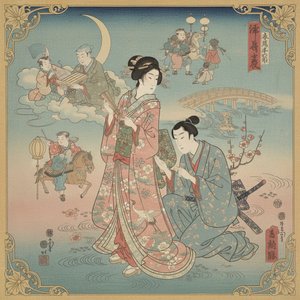
Suzuki Harunobu: Pioneering Ukiyo-e & the Refinement of Edo Period Printmaking
Discover the revolutionary world of Suzuki Harunobu, a pioneer of ukiyo-e printmaking. Explore his exquisite nishiki-e techniques, diverse subjects & lasting impact on Japanese art history. Learn more at ArtsDot.
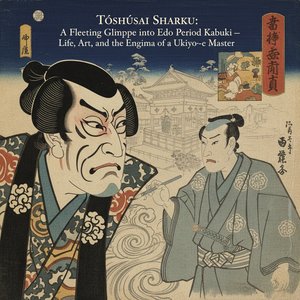
Tōshūsai Sharaku: A Fleeting Glimpse into Edo Period Kabuki – Life, Art, and the Enigma of a Ukiyo-e Master
Explore the captivating world of Tōshūsai Sharaku, the enigmatic Edo period ukiyo-e master. Discover his iconic Kabuki actor portraits and unravel the mystery behind this fleeting artistic genius. Learn about his unique style & lasting legacy.

Топ-25 шедевров Кацусики Хокусая: Искусство Японии для вашего интерьера
Погрузитесь в мир гения Кацусики Хокусая! 25 легендарных гравюр укиё-э, включая "Великую волну". История искусства Японии и вдохновение для вашего интерьера. Репродукции высокого качества на ArtsDot.com.
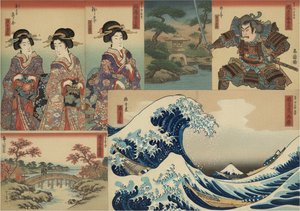
Ukiyo-e: Exploring Japan's Floating World & Enduring Artistic Legacy
Explore the captivating world of Ukiyo-e – Japan's iconic woodblock prints! Discover masters like Hokusai & Hiroshige, learn about Edo period culture, and find expert art collecting guidance at ArtsDot.
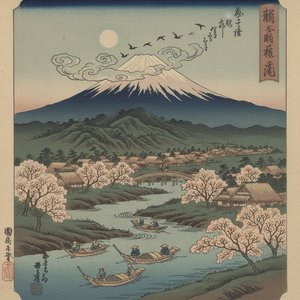
Ukiyo-e's Poetic Visionary: Hiroshige Ando & the Transformation of Landscape in 19th-Century Japan
Explore the life & art of Ando Hiroshige, Japan's last great ukiyo-e master. Discover his iconic landscapes, poetic style, and profound influence on Western Impressionism. Learn about The Fifty-Three Stations & more!