

 Поделиться
 Поделиться
 Детали произведения

 Скачать
 Похожие работы
 Слайд-шоу
 Статистика
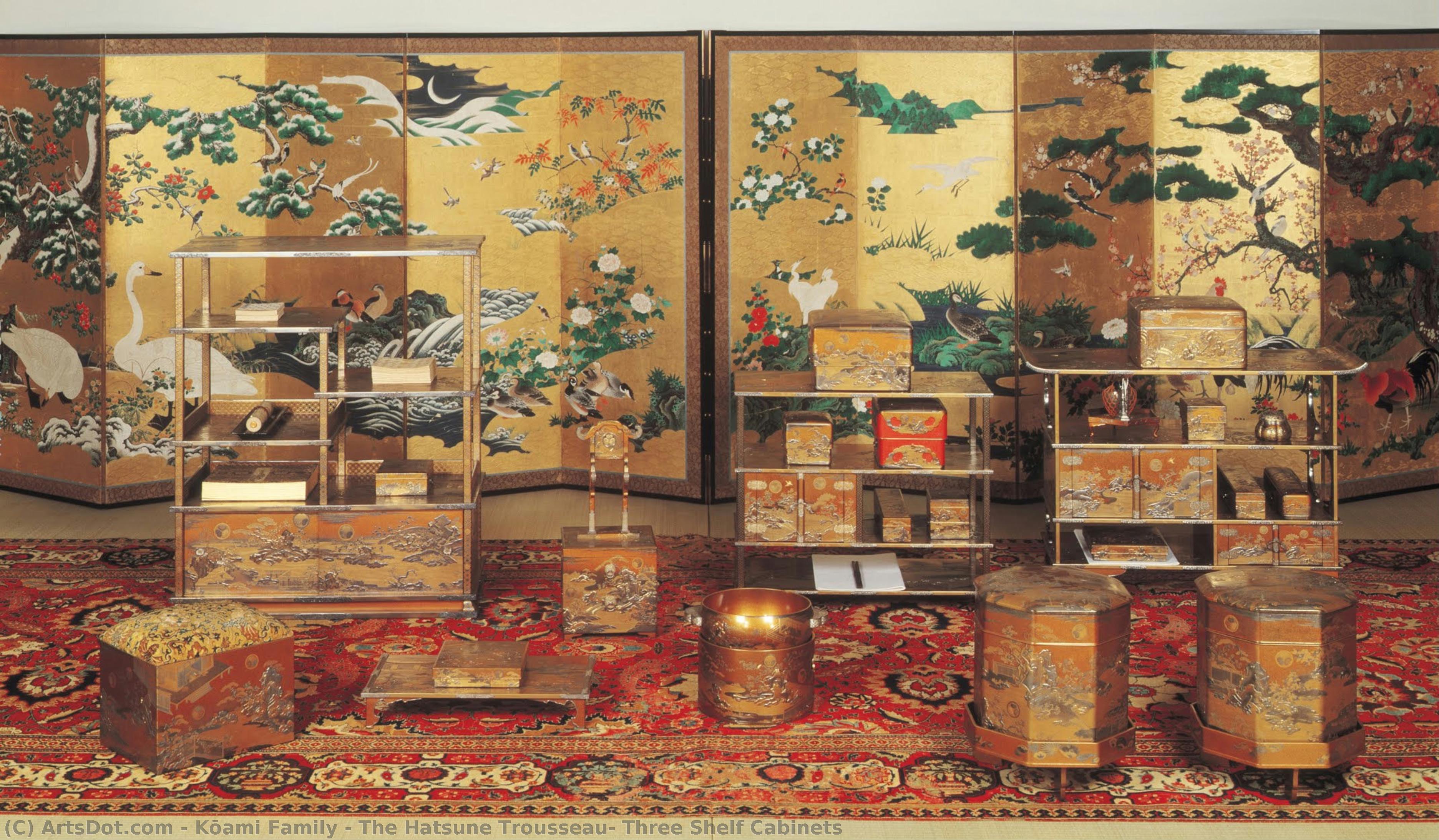
The Hatsune Trousseau, Three Shelf Cabinets


 Читать далее
Приобретите цифровое изображение высокого разрешения в улучшенном качестве, которое значительно превосходит онлайн-превью.
Каждый файл тщательно подготавливается нашими специалистами с использованием передовых инструментов и экспертной ручной ретуши. Мы гарантируем исключительную четкость, точную цветопередачу и детальную проработку каждого изображения.
Финальный файл доставляется по электронной почте в течение 72 часов и оптимизирован для немедленного использования в профессиональной среде, при верстке и печати. Это тот же уровень качества, которому доверяют ведущие дизайнерские студии, издательства и галереи.
Цифровое изображение
Скачайте файл высокого разрешения для личного использования, печати и творческих проектов. ( Перейти к печати Купить картину ручной работы)
Включено в каждый заказ цифровых изображений
Гарантия экспертной цифровой доставки
Выбирая ArtsDot.com, вы получаете не просто изображение — вы приобретаете профессионально обработанное цифровое произведение искусства, созданное с безупречной точностью и под защитой гарантии качества. Вот всё, что автоматически входит в ваш заказ:

Мгновенная доставка по e-mail
Ваш цифровой файл в высоком разрешении будет отправлен вам по электронной почте в течение 72 часов после оформления заказа — и сразу станет доступен для использования.

Цифровой файл с ИИ-улучшением
Ваше произведение искусства проходит профессиональную оптимизацию с использованием передовых инструментов ИИ и ручной обработки, что гарантирует максимальную детализацию, четкость и точность цветопередачи.

Бессрочная бесплатная повторная доставка
Случайно удалили или потеряли файл? Не беспокойтесь — мы отправим его вам повторно в любое время и совершенно бесплатно.

Без импортных пошлин — навсегда
Наслаждайтесь вашим произведением искусства мгновенно без таможенных пошлин, сборов или затрат на доставку — цифровые загрузки всегда не облагаются налогом.

Гарантия точности цветопередачи
Мы гарантируем, что ваше цифровое изображение максимально точно передает оригинальные цвета благодаря использованию профессиональных инструментов и систем управления цветом.

Гарантия удовлетворенности 100 дней
Если вы не будете удовлетворены своим цифровым изображением, мы внесем правки или вернем 100% стоимости в течение 100 дней — без лишних вопросов.

100% Гарантия возврата средств
Не удовлетворены покупкой? Получите полный возврат средств в течение 100 дней после получения цифрового файла — без лишних вопросов.

Скидки на оптовые заказы
Купите 3 изображения, сэкономьте 10% — Купите 5, сэкономьте 15% — Купите 10+, сэкономьте 20%. Отличное решение для творческих проектов, галерей и агентств.
A Golden Legacy of Edo Splendor
In the quiet reverence of Japanese history, few objects command attention quite like The Hatsune Trousseau, Three Shelf Cabinets. Created in 1639 by the legendary kōami family, this masterpiece serves as a breathtaking window into the opulent world of the Edo period. The cabinets are not merely functional furniture but are elevated to the status of National Treasures, embodying the pinnacle of maki-e lacquer artistry. As one gazes upon the shimmering gold surfaces, it is impossible not to feel the weight of tradition and the meticulous devotion of nineteen generations of artisans who mastered the delicate dance of wet lacquer and precious metal powders.
The visual narrative of these cabinets is deeply rooted in classical Japanese literature, specifically The Tale of Genji. The motif of Hatsune, or the First Warbler, serves as a poignant symbol of spring's arrival and the renewal of life. This delicate connection to nature is woven into the very fabric of the design, where the interplay of light on the gold-dusted surfaces mimics the fleeting beauty of a seasonal dawn. For the discerning collector or interior designer, this piece offers more than just decoration; it provides a profound sense of continuity and a sophisticated touch of historical elegance that can anchor any high-end space.
Mastery of Technique and Materiality
The technical brilliance of the kōami family lies in their unparalleled command over the maki-e technique. This process involves sprinkling fine particles of gold or silver onto damp lacquer, creating a multidimensional landscape that seems to glow from within. In these three shelf cabinets, the craftsmanship is evident in every intricate detail—from the way the light catches the raised textures of the decorative objects to the seamless integration of botanical and avian elements. The presence of books, vases, and delicate ornaments arranged upon the shelves suggests a curated life of refinement, inviting the viewer to imagine the aristocratic halls where such treasures once resided.
To possess a reproduction of such a work is to invite a piece of Japan's imperial soul into one's home. The cabinets evoke an atmosphere of serene luxury, making them an ideal inspiration for those looking to blend traditional Eastern aesthetics with contemporary grandeur. Whether placed as a focal point in a study or used to inspire a themed gallery, the emotional impact of this work is undeniable—it is a celebration of permanence, beauty, and the enduring spirit of Japanese craftsmanship that continues to captivate the modern eye.
Похожие произведения
Биография художника
The Enduring Legacy of the Koami Family: Masters of Maki-e Lacquer
For nearly two centuries and nineteen generations, the Koami family has stood as a beacon of artistic excellence in Japan, renowned for their mastery of maki-e lacquer – a technique that transforms wet lacquer into shimmering landscapes of gold, silver, and vibrant pigments. More than simply artisans, they were custodians of tradition, deeply intertwined with the fortunes of the nation’s ruling houses, shaping the aesthetic landscape of imperial courts and samurai residences alike. Their story is one of meticulous craftsmanship, familial devotion, and a profound understanding of both artistic expression and the delicate balance between utility and beauty.
The Koami's origins trace back to Michinaga (1410–78), a personal attendant to Ashikaga Yoshimasa, the powerful ruler of the Muromachi shogunate. Recognizing his exceptional talent, Yoshimasa entrusted Michinaga with decorating his lavish palace in Kyoto. It was during this period that the Koami began to develop their signature style – a sophisticated blend of lacquerwork and painting, heavily influenced by the burgeoning artistic trends of the time. Michinaga’s innovations, particularly his pioneering use of takamaki-e, where powdered gold is meticulously applied to a design drawn in wet lacquer, established a foundation upon which future generations would build.
The Art of Maki-e: A Dance with Light and Metal
At the heart of the Koami’s artistry lies maki-e – literally “sprinkled picture.” This intricate technique involves applying lacquer to a wooden surface, allowing it to dry to a pliable state. Then, using specialized tools and pigments, artists create designs—often inspired by nature, calligraphy, or auspicious motifs—on the wet lacquer. Finally, they delicately sprinkle powdered gold, silver, or mother-of-pearl onto these designs, allowing the particles to adhere to the surface. The lacquer is then carefully polished to reveal the shimmering beauty of the metalwork, creating a breathtaking interplay of light and texture.
The Koami family distinguished themselves through their exceptional control over this process. They weren’t merely decorators; they were architects of visual experience. They mastered the subtle nuances of lacquer application, color blending, and metal manipulation, achieving an unparalleled level of detail and luminosity. Their work wasn't simply decorative; it was imbued with symbolic meaning, reflecting the values and aspirations of their patrons.
A Dynasty Forged in Patronage: The Tokugawa Era
The Koami’s fortunes rose dramatically during the Edo period (1603-1868), particularly under the patronage of the Tokugawa shogunate. Following a brief decline after the castle destruction, the family established a workshop in Edo (modern Tokyo) and quickly regained its prominence. The reign of Tokugawa Iemitsu (1604–1858), the seventh shogun, marked a golden age for the Koami. He commissioned a breathtaking set of lacquer stands – now considered one of the finest examples of Japanese lacquerware ever created – as a wedding gift to his daughter. This magnificent piece, known as the “Hatsune Trousseau,” exemplifies the Koami’s unparalleled skill and artistic vision.
The Hatsune Trousseau is not just a beautiful object; it's a testament to the Koami family’s dedication to perfection. It showcases their mastery of togidashi, a technique involving layering multiple colors and designs within the lacquer, creating a depth and richness rarely seen in other works. The intricate details – from the delicate floral patterns to the shimmering gold accents – are executed with breathtaking precision.
Legacy and Influence: A Tradition Continues
The Koami family’s influence extends far beyond their own creations. They trained countless apprentices, passing down their techniques and knowledge through generations. Their workshop served as a center of artistic innovation, shaping the development of maki-e lacquer for centuries to come. Even today, the Koami family continues to practice this ancient art form, preserving its traditions while embracing new challenges and opportunities.
Their legacy is enshrined in numerous national treasures, including the Hatsune Trousseau, which stands as a symbol of Japanese artistic excellence. The meticulous documentation of their workshop practices – compiled by Nagasuku (1661–1723), the tenth generation head – provides invaluable insights into the history and techniques of maki-e lacquer. The Koami family’s story is not just a chronicle of artistic achievement; it's a testament to the enduring power of tradition, dedication, and the pursuit of beauty.

kōami family
Japan
Основные сведения
- Artistic Movement Or Style: Maki-e lacquerware
- Artists Or Movements Influenced By This Artist: ['Tokugawa Iemitsu']
- Artists Who Influenced This Artist:
- Kanō Motonobu
- Sōami
- Nōami
- Date Of Death: Living
- Full Name: Kōami Family
- Nationality: Japanese
- Notable Artworks:
- Hatsune Trousseau
- Three Shelf Cabinets
- Place Of Birth: Japan