

 Предпросмотр
 Поделиться
 Поделиться
 Детали произведения

 Скачать
 Похожие работы
 Рентгенография
 Слайд-шоу
 Статистика
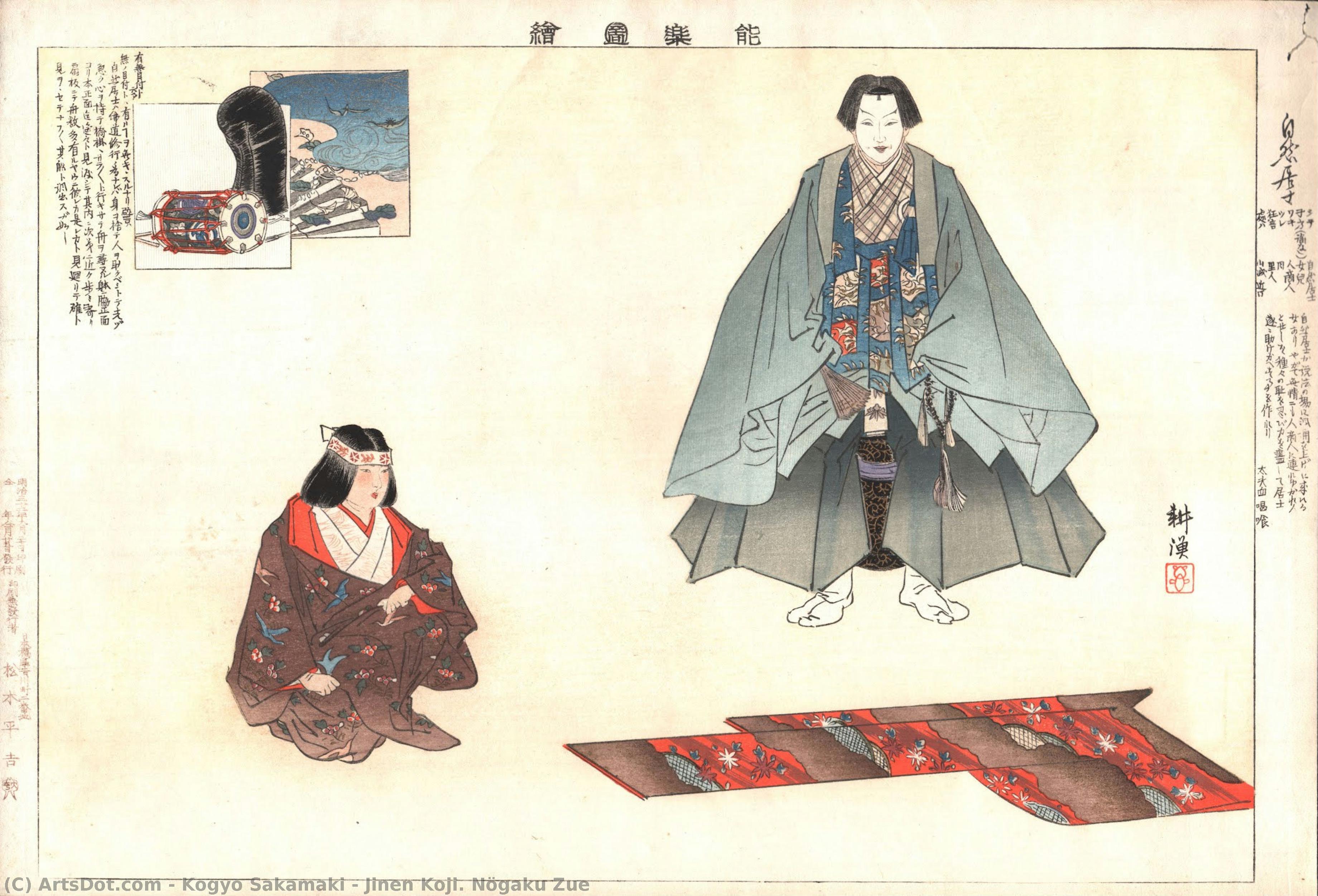
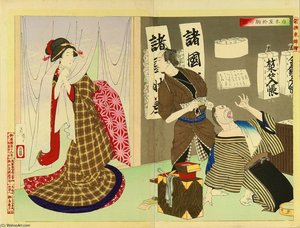
Jinen Koji. Nögaku Zue
 1899
1899 26.0 x 36.0 cm
 Bujalance Collection
 Читать далее
Масляная репродукция ручной работы
Картина маслом на холсте в выбранном вами размере и раме, написанная на заказ нашими художниками. ( Перейти к печати Перейти к цифровым изображениям)




































Выберите один из наших стандартных размеров, соответствующих оригинальным пропорциям произведения искусства.

Вы можете указать собственные размеры, чтобы картина идеально вписалась в выбранную раму или пространство. Если выбранный вами размер не соответствует пропорциям оригинала, мы либо обрежем полотно, либо расширим его за счет дополнительных элементов, написанных вручную. Цифровой макет будет отправлен вам на утверждение перед началом производства.
Обратите внимание, что предварительный просмотр на экране не отражает фактическую обрезку или расширение. Только макет точно покажет окончательную композицию.
Хотя доступны индивидуальные размеры, мы рекомендуем выбирать вариант из предопределенного списка, чтобы сохранить исходные пропорции.
После оформления заказа команда ArtsDot.com свяжется с клиентом по электронной почте для уточнения деталей и предоставит предварительный макет
Доставка по всему миру () за 3–4 недели вместо стандартных 5 недель. (12 Сентябрь). Без компромиссов в качестве.

Бесплатная экспресс-доставка по всему миру

Высококачественный льняной холст

Полное страхование доставки

Гарантия возмещения таможенных пошлин

Гарантия точного соответствия цветов

100-дневная политика возврата (только при обнаружении дефектов)

Гарантия возврата 100% средств

Предложение оптовых скидок
 Вариант со стеклом доступен только для размеров менее 110 см

Jinen Koji. Nögaku Zue
Техника репродукции
Размер репродукции
-


Итоговая стоимость
$ 263
Похожие произведения

Биография художника
Kōgyo Sakamaki (1869–1927): The Poet of Noh
Kōgyo Sakamaki, whose name translates to “Moonlit Harvest,” stands as one of Japan’s most revered printmakers of the Meiji era (1868–1912), a period marked by rapid modernization and cultural introspection. Born Henyu Bennosuke in Nihonbashi, Tokyo—a bustling district at the heart of Edo’s commercial center—his artistic journey began under the tutelage of Tsukioka Yoshitoshi, arguably Japan's foremost ukiyo-e artist, a figure who profoundly shaped Sakamaki’s aesthetic sensibilities and lifelong devotion to Noh theatre. This dedication would define his oeuvre, resulting in over 550 prints that capture the essence of this ancient Japanese dramatic tradition with unparalleled sensitivity and artistry.- Early Life & Training: Sakamaki's formative years were spent assisting his father in running an inn while simultaneously immersing himself in pottery painting under his uncle’s guidance—a grounding experience that instilled a meticulous attention to detail and craftsmanship. Crucially, he enrolled at Tokyo School of Fine Arts at the age of fifteen, where he honed his artistic skills alongside Yoshitoshi, absorbing the master's techniques and fostering an appreciation for Western influences alongside traditional Japanese aesthetics.
- The Influence of Yoshitoshi: Yoshitoshi’s marriage to Sakamaki’s mother cemented their familial bond and provided Sakamaki with invaluable mentorship. Yoshitoshi championed Noh theatre as a form of artistic expression, recognizing its profound connection to Japanese culture and history—a conviction that ignited Sakamaki's own passion for the genre.
- Collaboration with Gekkō: Following Yoshitoshi’s death in 1892, Sakamaki continued his artistic pursuits under the guidance of Ogata Gekkō, another titan of Meiji printmaking. Gekkō encouraged Sakamaki to explore watercolor techniques and synthesize Western influences with traditional Japanese sensibilities—a stylistic fusion that would become a hallmark of Sakamaki’s distinctive visual language.
Noh Theatre Prints: A Legacy of Observation & Emotion
Sakamaki's artistic focus centered on Noh theatre, a ritualistic form of drama characterized by stylized movements, chanting, and masks—a tradition that had undergone significant transformation since its origins in feudal Japan. Recognizing the challenges faced by Noh as it navigated the pressures of modernization, Sakamaki sought to preserve its cultural heritage through meticulously crafted prints. He undertook extensive research into Noh performance practices, documenting costumes, postures, and facial expressions with remarkable precision.- Series Creation: Sakamaki produced three monumental print series—*Hanjo*, *Ikarikazuki*, and *Fuji*—each representing a comprehensive portrayal of Noh plays. These prints are not merely reproductions; they are imbued with palpable emotion and convey the spirit of Noh’s rituals and aesthetics.
- Technique & Style: Sakamaki employed a distinctive watercolor-like technique, layering translucent washes to achieve luminous effects that captured the subtle nuances of Noh theatre—a stylistic innovation that distinguished him from his contemporaries.
Critical Recognition & Artistic Significance
Sakamaki’s work garnered widespread acclaim both in Japan and internationally. He was awarded a prize at the Panama Pacific International Exposition in San Francisco in 1915 for his woodcut “The Horse Market at Kiso,” cementing his reputation as one of Japan's foremost printmakers. His prints continue to be studied by scholars and admired by collectors alike, serving as invaluable documents of Noh theatre’s cultural history and embodying the artistic ideals of the Meiji era—a testament to Sakamaki’s enduring legacy as a master of ukiyo-e and a poet of Japanese tradition.Posthumous Legacy & Continued Appreciation
Despite his untimely death in 1927, Sakamaki's influence persists through the work of his student, Sufo, who continued to produce prints inspired by Sakamaki’s vision—a continuation of his artistic spirit that ensures his contribution to Japanese art history remains vibrant and relevant. His prints reside in major collections worldwide, including the University of Pittsburgh, where they are celebrated as masterpieces of ukiyo-e artistry and embodiments of Japan's cultural heritage.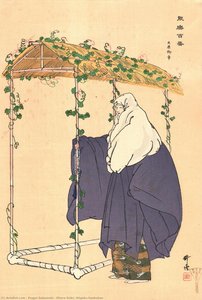
kogyo sakamaki
1869 - 1927 , Japan
Основные сведения
- Artistic Movement Or Style: Noh Theatre Prints
- Artists Or Movements Influenced By This Artist: ['Ukiyo-e']
- Artists Who Influenced This Artist:
- Tsukioka Yoshitoshi
- Ogata Gekkō
- Date Of Death: 1927
- Full Name: Tsukioka Kōgyo 月岡耕漁
- Nationality: Japanese
- Notable Artworks:
- Hanjo. Nögaku hyakuban
- Ikarikazuki. Nögaku Zue
- Fuji. Nögaku Zue
- Place Of Birth: Tokyo, Japan