


 Предпросмотр
 Поделиться
 Поделиться
 Детали произведения

 Скачать
 Похожие работы
 Рентгенография
 Слайд-шоу
 Статистика
An Account of the Final Day of Chinese New Year’s Celebrations, from the Wise Counsel for Social Intercourse
 Momoyama Period
 1657
1657 28.0 x 397.0 cm
 Читать далее
Жикле / Арт-принт
Печать (жикле) или холст музейного качества с быстрыми сроками изготовления и широким выбором вариантов отделки. ( Купить картину ручной работы Перейти к цифровым изображениям)
































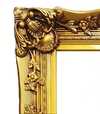
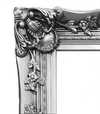
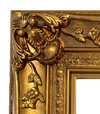
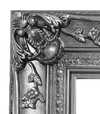
Выберите один из наших стандартных размеров, соответствующих оригинальным пропорциям произведения искусства.

Вы можете указать свои собственные размеры, чтобы репродукция идеально подошла под конкретную раму или пространство. Если выбранный вами размер не будет соответствовать пропорциям оригинала, мы либо обрежем произведение, либо дополним изображение зеркальным отражением краев или однотонной заливкой. Перед началом производства вам будет отправлен цифровой макет для утверждения.
Пожалуйста, обратите внимание, что предварительный просмотр на экране не отображает фактическую обрезку или расширение изображения. Только макет точно покажет финальную композицию.
Несмотря на возможность заказа индивидуальных размеров, мы рекомендуем выбирать размер из предопределенного списка, чтобы сохранить оригинальные пропорции.
Доставка по всему миру () за 2 недели вместо стандартных 4/5 недель. (14 Сентябрь)

Бесплатная экспресс-доставка по всему миру

Высококачественный льняной холст

Полное страхование доставки

Гарантия возмещения таможенных пошлин

Гарантия точного соответствия цветов

100-дневная политика возврата (только при обнаружении дефектов)

Гарантия возврата 100% средств

Предложение оптовых скидок
 Вариант со стеклом доступен только для размеров менее 110 см

An Account of the Final Day of Chinese New Year’s Celebrations, from the Wise Counsel for Social Intercourse
Жикле / Арт-принт
Размер репродукции
-


Итоговая стоимость
$ 62
Похожие произведения
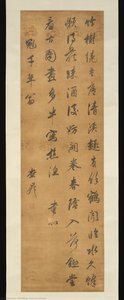
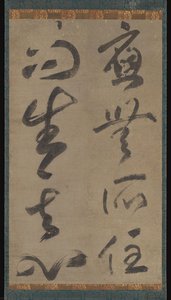
Биография художника
Kojima Sōshin: A Master of Flow and Echoes
Kojima Sōshin (小島宗真), a name now deeply respected within the annals of Japanese art history, was more than simply a calligrapher; he was a weaver of atmosphere, a conduit for poetic expression, and a student of both ancient Chinese aesthetics and the evolving sensibilities of his time. Born in Japan – details of his early life remain somewhat elusive, though he is known to have been nurtured within the vibrant cultural landscape of Kyoto during the Momoyama period (late sixteenth and early seventeenth centuries) – Sōshin’s legacy rests upon a foundation of rigorous training and an unmistakable artistic voice. He emerged as one of the great calligraphers following in the footsteps of luminaries like Hon’ami Kōetsu, Karasumaru Mitsuhiro, and others who shaped the artistic currents of their era, establishing himself through his distinctive style characterized by flowing kana (Japanese syllabic characters) interwoven with kanji (Chinese characters), often accompanied by deeply resonant poetic texts. His work was immediately recognizable by its signature and two seals, subtle markers of authenticity and personal connection to each piece.Early Influences and Artistic Development
Sōshin’s artistic journey began under the tutelage of Hon’ami Kōetsu, a pivotal figure in Momoyama art known for his innovative approach to design and his patronage of numerous artists. This formative period instilled within him a deep appreciation for balance, harmony, and the integration of diverse artistic disciplines – a hallmark of the era. His style was profoundly influenced by *suiboku ga*, a Chinese ink brush painting technique that emerged during the Tang Dynasty (618–907 CE). *Suiboku ga* relies on the skillful manipulation of black ink in varying concentrations, creating a monochrome palette rich with texture and depth. This foundational understanding informed Sōshin’s approach to calligraphy, where he masterfully employed variations in brush pressure and ink flow to evoke subtle shifts in tone and mood. Furthermore, his work reflects the impact of *bunjinga*, a style of Japanese painting that flourished during the Edo period (1603-1868). Unlike the meticulous techniques emphasized by earlier schools, *bunjinga* prioritized individual expression and personal interpretation, allowing for greater emotional resonance and a more intimate connection between artist and subject. This emphasis on subjective experience is clearly evident in Sōshin’s work, particularly his poetic texts which seem to breathe with emotion.Signature Style and Notable Works
Sōshin's artistic style was immediately recognizable by its elegant fluidity and the careful balance between traditional Japanese aesthetics and Chinese influences. He frequently combined kana and kanji in a way that created a dynamic visual rhythm, drawing upon the inherent beauty of both scripts. His compositions were often characterized by a sense of spaciousness and tranquility, achieved through the strategic use of negative space and subtle variations in ink density. A prime example of this style is his “soeki nari” tea bowl, a remarkable piece of *raku ware* – a celebrated ceramic style of the Momoyama period known for its distinctive crackled glaze. This bowl exemplifies Sōshin’s ability to imbue an everyday object with artistic significance and emotional depth. Another significant work is "Dragon in the Clouds," currently housed at the Fukuoka Art Museum in Kyoto, a masterpiece that showcases his technical skill and poetic sensibility. The piece's dynamic composition and evocative imagery demonstrate Sōshin’s mastery of capturing movement and atmosphere through calligraphy.Legacy and Recognition
Kojima Sōshin’s influence extends far beyond the individual works he created. He was a respected member of the Japan Botanical Art Association, demonstrating his commitment to artistic exploration across various mediums. His dedication to his craft led to numerous exhibitions in both Japan and China, receiving widespread acclaim for his unique vision and technical proficiency. These exhibitions, including “The Edo Period: Art and Culture in Japan, 1603-1868” at the Museum of Modern Art, Japan, served as a testament to his enduring legacy. His work continues to inspire artists today, solidifying his place as a pivotal figure in Japanese art history.Continuing Influence
Sōshin’s artistic principles and techniques have resonated through generations of calligraphers and artists. His exploration of the interplay between kana and kanji, combined with his deep understanding of *suiboku ga* and *bunjinga*, established a distinctive style that remains highly valued for its elegance, subtlety, and emotional depth. His dedication to watercolor pencil artwork further broadened his artistic horizons, showcasing his versatility and commitment to pushing the boundaries of traditional techniques. The echoes of Sōshin’s work can be found in contemporary calligraphy and painting, demonstrating the lasting impact of this remarkable artist on the Japanese art world.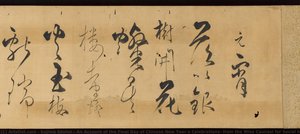
kojima sōshin
Japan
Основные сведения
- Artistic Movement Or Style: Momoyama calligraphy, Suiboku ga, Bunjinga
- Artists Or Movements Influenced By This Artist: ['Suihogaku']
- Artists Who Influenced This Artist: ['Hon’ami Kōetsu']
- Date Of Death: Living
- Full Name: Kojima Sōshin
- Nationality: Japanese
- Notable Artworks:
- Soeki nari
- Dragon in the clouds
- Place Of Birth: Japan
Похожие статьи

Serenity on Canvas: A Guide to the Timeless Beauty of Japanese Landscape Painting
Discover the serene beauty of Japanese landscape painting. From Hokusai's iconic woodblock prints to meditative sumi-e ink washes, explore a visual journey through the 'floating world' and learn how to bring this timeless Zen aesthetic into your modern home decor.

Топ-25 шедевров Кацусики Хокусая: Искусство Японии для вашего интерьера
Погрузитесь в мир гения Кацусики Хокусая! 25 легендарных гравюр укиё-э, включая "Великую волну". История искусства Японии и вдохновение для вашего интерьера. Репродукции высокого качества на ArtsDot.com.
Utagawa Kuniyoshi: A Master of Japanese Ukiyo-e – Narrative Innovation & the Fusion of Tradition with Popular Culture
Explore the captivating world of Utagawa Kuniyoshi, a master of Japanese ukiyo-e woodblock prints. Discover his innovative warrior scenes, vibrant landscapes & lasting legacy in 19th-century art history.
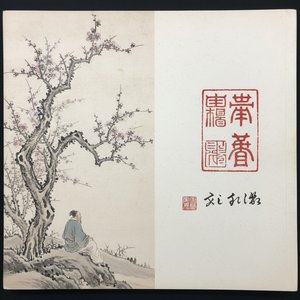
Xie Zhiliu: A Legacy of Ink Wash Painting & Modern Chinese Literati Tradition
Explore the legacy of Xie Zhiliu, a master of Chinese ink wash painting & prominent figure in modern art. Discover his techniques, influences, and contributions to literati tradition. A guide for discerning collectors.

Floating World: The Captivating Art and Legacy of Japanese Ukiyo-e
Explore the profound beauty of Japanese Ukiyo-e. Discover the history, masters like Hokusai, and the enduring legacy of the 'Floating World' through an expert art-historical lens.