

 Предпросмотр
 Поделиться
 Поделиться
 Детали произведения

 Скачать
 Похожие работы
 Рентгенография
 Слайд-шоу
 Статистика
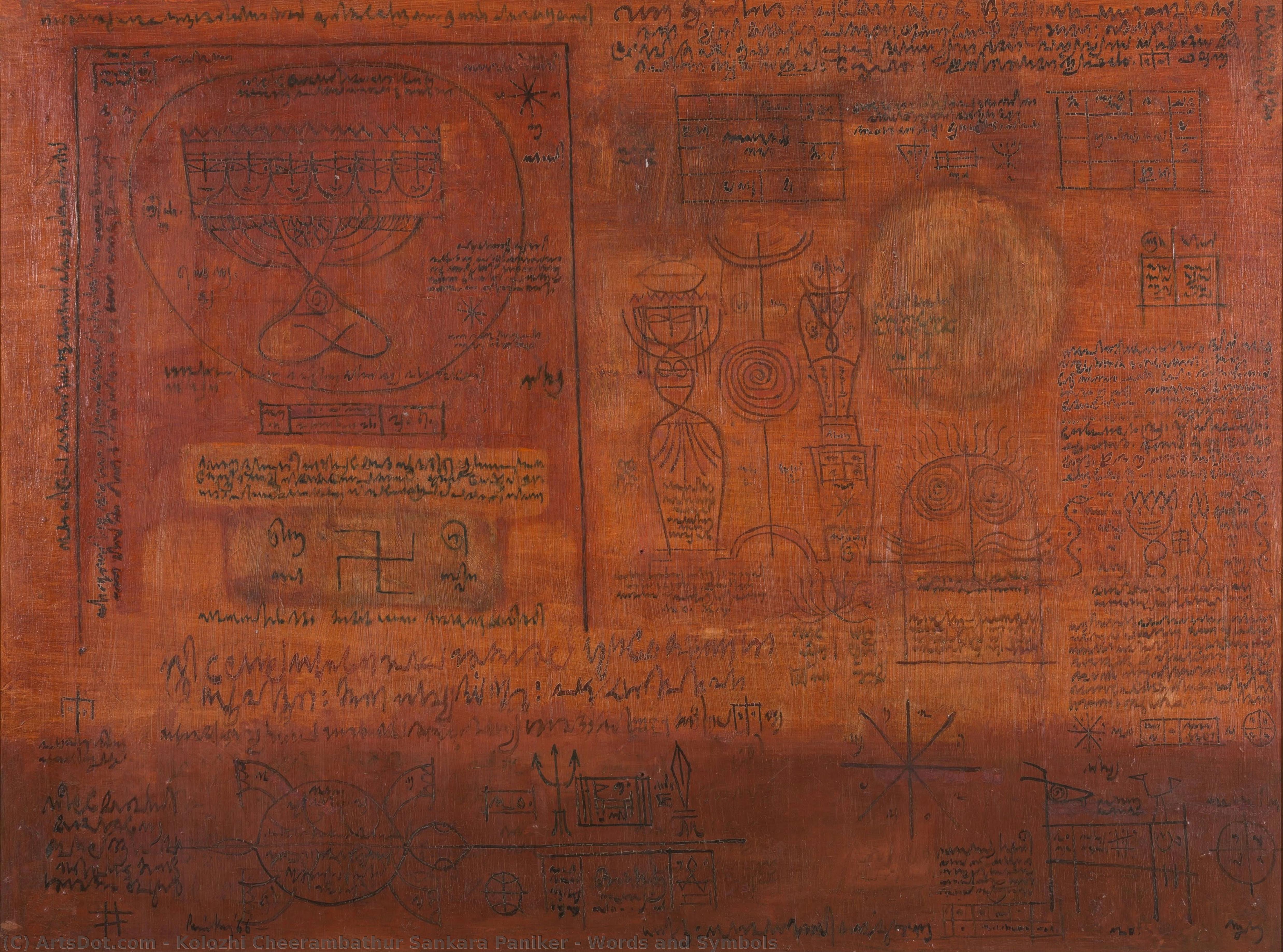
Words and Symbols
 Indian Modernism
 1966
1966- Modern
 80.0 x 110.0 cm
 Cholamandal Artists' Village
 Читать далее
Масляная репродукция ручной работы
Картина маслом на холсте в выбранном вами размере и раме, написанная на заказ нашими художниками. ( Перейти к печати Перейти к цифровым изображениям)




































Выберите один из наших стандартных размеров, соответствующих оригинальным пропорциям произведения искусства.

Вы можете указать собственные размеры, чтобы картина идеально вписалась в выбранную раму или пространство. Если выбранный вами размер не соответствует пропорциям оригинала, мы либо обрежем полотно, либо расширим его за счет дополнительных элементов, написанных вручную. Цифровой макет будет отправлен вам на утверждение перед началом производства.
Обратите внимание, что предварительный просмотр на экране не отражает фактическую обрезку или расширение. Только макет точно покажет окончательную композицию.
Хотя доступны индивидуальные размеры, мы рекомендуем выбирать вариант из предопределенного списка, чтобы сохранить исходные пропорции.
После оформления заказа команда ArtsDot.com свяжется с клиентом по электронной почте для уточнения деталей и предоставит предварительный макет
Доставка по всему миру () за 3–4 недели вместо стандартных 5 недель. (12 Сентябрь). Без компромиссов в качестве.

Бесплатная экспресс-доставка по всему миру

Высококачественный льняной холст

Полное страхование доставки

Гарантия возмещения таможенных пошлин

Гарантия точного соответствия цветов

100-дневная политика возврата (только при обнаружении дефектов)

Гарантия возврата 100% средств

Предложение оптовых скидок
 Вариант со стеклом доступен только для размеров менее 110 см

Words and Symbols
Техника репродукции
Размер репродукции
-


Итоговая стоимость
$ 263
A Cosmic Tapestry of Meaning
In the profound stillness of Kolozhi Cheerambathur Sankara Paniker’s 1966 masterpiece, Words and Symbols, the viewer is invited into a meditative realm where the boundaries between the physical and the metaphysical dissolve. This expansive work, measuring 80 x 110 cm, serves as a breathtaking window into the soul of Indian modernism. At its heart, the composition is anchored by two concentric circles—a celestial focal point that draws the eye inward, suggesting the eternal cycle of existence and the concentrated essence of being. Surrounding this central nucleus is a dense, rhythmic dance of inscriptions, mathematical notations, and enigmatic diagrams that seem to pulse with a life of their own. It is not merely a painting, but a visual lexicon, an intricate map of human thought and spiritual inquiry captured on canvas.
The technique employed by Paniker is a masterful display of controlled complexity. Through a sophisticated layering of textures and a deliberate interplay of light and shadow, the artist achieves a sense of profound depth. The palette is a carefully curated arrangement of tones; certain areas glow with a vibrant, almost luminous energy, while others recede into muted, earthy shadows, creating a dynamic tension that keeps the eye in constant motion. This variation in color intensity does more than provide visual interest—it guides the viewer through a narrative of discovery, much like an explorer navigating an ancient, sacred manuscript. The way the symbols are integrated into the background suggests they are not merely placed upon the surface, but are emerging from within it, as if the very fabric of the universe is being unraveled before our eyes.
The Intersection of Spirit and Modernity
To understand Words and Symbols, one must look to the historical landscape of the 1960s, a period when Paniker was at the forefront of redefining Indian art. While much of the contemporary art world was looking toward Western abstraction, Paniker sought a deeper truth by reconnecting with India’s ancient metaphysical heritage. This painting stands as a testament to that mission, blending the structural language of modern abstract art with the symbolic weight of spiritual tradition. The mathematical equations and geometric forms are not cold or clinical; instead, they are imbued with a sacred geometry that reflects the artist's fascination with the relationship between form, space, and the infinite. It is a bridge between the intellectual rigor of science and the intuitive whispers of the divine.
For the discerning collector or interior designer, this artwork offers more than just aesthetic beauty; it provides an emotional anchor for any sophisticated space. The piece possesses a rare ability to command attention while simultaneously fostering an atmosphere of contemplation and peace. Whether placed in a grand gallery setting or as a centerpiece in a contemporary living room, Words and Symbols acts as a conversation starter—a profound intellectual and spiritual presence that invites long periods of reflection. Owning a high-quality reproduction of this work means bringing a piece of art history into one's home, a tangible connection to the legacy of a pioneer who dared to paint the invisible architecture of the universe.
Похожие произведения
![Black Circle [1913] State Russian Museum, — Казимир Малевич, Suprematism](/media/artworks/images-thumb/62/67/6267e452b0c8476772a6511e19ce1616.jpg)
Биография художника
early life and career
kolozhi cheerambathur sankara paniker, an indian metaphysical and abstract painter, was born in 1911 in coimbatore, india. he hailed from the malabar district of kerala, a region known for its rich cultural heritage. paniker's artistic journey began with interpreting the country's age-old metaphysical and spiritual knowledge, which was prevalent during the 1960s when indian art was heavily influenced by western painters.artistic style and contributions
paniker's work is characterized by its unique blend of abstract elements and metaphysical themes. his paintings often explored the relationship between form and space, reflecting his interest in the country's spiritual heritage. in 1976, he was awarded the fellow of the lalit kala akademi, the highest honor of india's national academy of art, for his lifetime contribution to indian art.notable works and exhibitions
* motive of space and form - a new jersey village (montville): this painting, although not directly attributed to paniker, showcases the influence of precisionist movement on his work. (view similar works at the vera bluemner kouba collection) * untitled: a painting by will barnet, featuring an indian space painting style, which influenced paniker's work. (explore more at the indian space painting art movement)museums and collections
* the national gallery of modern art, india: this museum houses a significant collection of modern and contemporary art, including works by paniker. (learn more at the museum national gallery of modern art, india) * the lalit kala akademi: as a recipient of the fellow of the lalit kala akademi, paniker's work is represented in this prestigious institution. (discover more at kolozhi cheerambathur sankara paniker)- view paniker's artworks and similar styles at kolozhi cheerambathur sankara paniker | artworks
- explore the indian space painting art movement and its influences at the indian space painting art movement
- discover more about the national gallery of modern art, india at the museum national gallery of modern art, india
legacy
kolozhi cheerambathur sankara paniker's contributions to indian art are a testament to his innovative and metaphysical approach. his work continues to inspire artists and art enthusiasts alike, offering a unique perspective on the country's spiritual heritage.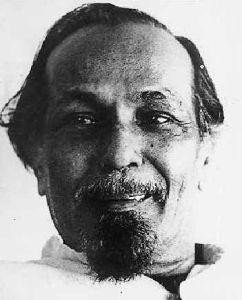
kolozhi cheerambathur sankara paniker
1911 - 1977 , India
Основные сведения
- Artistic Movement Or Style: Metaphysical & Abstract Painting
- Artists Or Movements Influenced By This Artist: ['Indian Space Painting Art Movement']
- Artists Who Influenced This Artist: ['Barnet']
- Date Of Birth: 1911
- Full Name: kolozhi cheerambathur sankara paniker
- Nationality: Indian
- Notable Artworks: ['Motive of Space and Form']
- Place Of Birth: Coimbatore, India
Похожие статьи
Beyond Form: Exploring the Philosophical Foundations of Geometric Abstraction
Explore the philosophical roots & artistic evolution of geometric abstraction with ArtsDot. Discover Mondrian, Malevich, De Stijl & more. Expert insights for collectors and art enthusiasts.
Beyond Form & Color: Geometric Abstraction's Enduring Legacy in Art History
Explore the captivating world of geometric abstraction! Discover its origins, key artists like Malevich & Mondrian, and why this movement remains highly valued by art collectors today. Expert insights at ArtsDot.

Топ-25 шедевров Василия Кандинского: Абстрактное искусство для вашего интерьера
Погрузитесь в мир абстрактного искусства с Василием Кандинским! 25 шедевров экспрессионизма, баухауса и русского авангарда. Репродукции картин Кандинского для вдохновения и декора вашего интерьера. Откройте всю коллекцию на ArtsDot.com

Геометрическая абстракция: 10 шедевров, изменивших искусство | ArtsDot.com
Погрузитесь в мир геометрической абстракции! От Кандинского до Малевича – 10 шедевров, изменивших искусство. Узнайте историю создания и значение культовых картин. Репродукции музейного качества на ArtsDot.com. Вдохновение для вашего интерьера!
Beyond Form & Color: Geometric Abstraction's Evolution in 20th/21st Century Art
Explore the evolution of geometric abstraction from Cubism to contemporary art. Discover key artists like Malevich & Mondrian, investment insights, and expert collecting advice at ArtsDot.