

 Предпросмотр
 Поделиться
 Поделиться
 Детали произведения

 Скачать
 Похожие работы
 Рентгенография
 Слайд-шоу
 Статистика
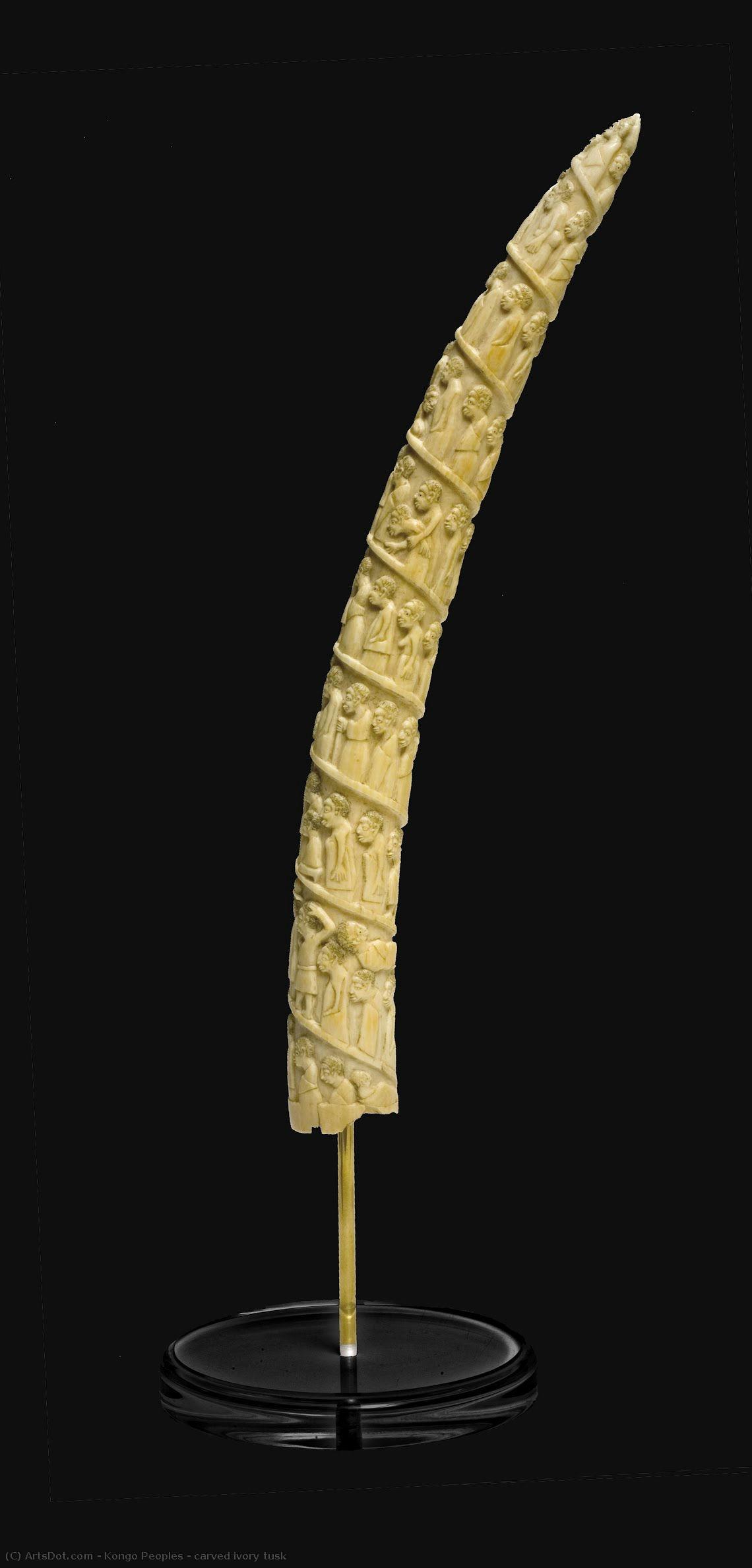
carved ivory tusk


 Читать далее
Приобретите цифровое изображение высокого разрешения в улучшенном качестве, которое значительно превосходит онлайн-превью.
Каждый файл тщательно подготавливается нашими специалистами с использованием передовых инструментов и экспертной ручной ретуши. Мы гарантируем исключительную четкость, точную цветопередачу и детальную проработку каждого изображения.
Финальный файл доставляется по электронной почте в течение 72 часов и оптимизирован для немедленного использования в профессиональной среде, при верстке и печати. Это тот же уровень качества, которому доверяют ведущие дизайнерские студии, издательства и галереи.
Цифровое изображение
Скачайте файл высокого разрешения для личного использования, печати и творческих проектов. ( Перейти к печати Купить картину ручной работы)
Включено в каждый заказ цифровых изображений
Гарантия экспертной цифровой доставки
Выбирая ArtsDot.com, вы получаете не просто изображение — вы приобретаете профессионально обработанное цифровое произведение искусства, созданное с безупречной точностью и под защитой гарантии качества. Вот всё, что автоматически входит в ваш заказ:

Мгновенная доставка по e-mail
Ваш цифровой файл в высоком разрешении будет отправлен вам по электронной почте в течение 72 часов после оформления заказа — и сразу станет доступен для использования.

Цифровой файл с ИИ-улучшением
Ваше произведение искусства проходит профессиональную оптимизацию с использованием передовых инструментов ИИ и ручной обработки, что гарантирует максимальную детализацию, четкость и точность цветопередачи.

Бессрочная бесплатная повторная доставка
Случайно удалили или потеряли файл? Не беспокойтесь — мы отправим его вам повторно в любое время и совершенно бесплатно.

Без импортных пошлин — навсегда
Наслаждайтесь вашим произведением искусства мгновенно без таможенных пошлин, сборов или затрат на доставку — цифровые загрузки всегда не облагаются налогом.

Гарантия точности цветопередачи
Мы гарантируем, что ваше цифровое изображение максимально точно передает оригинальные цвета благодаря использованию профессиональных инструментов и систем управления цветом.

Гарантия удовлетворенности 100 дней
Если вы не будете удовлетворены своим цифровым изображением, мы внесем правки или вернем 100% стоимости в течение 100 дней — без лишних вопросов.

100% Гарантия возврата средств
Не удовлетворены покупкой? Получите полный возврат средств в течение 100 дней после получения цифрового файла — без лишних вопросов.

Скидки на оптовые заказы
Купите 3 изображения, сэкономьте 10% — Купите 5, сэкономьте 15% — Купите 10+, сэкономьте 20%. Отличное решение для творческих проектов, галерей и агентств.
Похожие произведения
Биография художника
The Enigmatic Kongo Peoples: Masters of Ivory and Spiritual Power
The Kongo peoples, a collective term encompassing diverse groups inhabiting the region spanning present-day Angola, the Democratic Republic of Congo, and parts of Gabon and Cameroon, represent not a single unified artistic entity but rather a constellation of related cultures bound by shared traditions, beliefs, and aesthetic sensibilities. Their history is deeply interwoven with the powerful Kingdom of Kongo, which flourished from the 14th to the 19th centuries, establishing complex political structures and extensive trade networks that profoundly shaped their art. Unlike artists who sign their names or maintain individual reputations, Kongo artistry was largely anonymous, embedded within ritual practices and communal life. The works themselves—often carved in wood, but notably also in ivory—were not conceived as standalone objects of beauty but as potent instruments for mediating between the visible and spiritual realms.Ivory’s Symbolic Weight: A Legacy of Skill
While woodworking held a prominent place in Kongo artistic expression, it is their mastery of ivory carving that has captured particular attention in recent centuries. The demand for ivory fueled both internal trade within the Kingdom and external commerce with European powers, leading to the creation of exquisite tusks adorned with intricate relief carvings. These were not merely decorative items; they served as symbols of wealth, status, and political authority. The act of carving itself was imbued with spiritual significance, requiring skilled artisans who possessed a deep understanding of Kongo cosmology and ancestral beliefs. The ivory tusk, in particular, held immense power—representing life force, fertility, and the continuity of lineage. Exquisite examples showcase scenes depicting proverbs, historical events, or figures embodying moral virtues, offering invaluable insights into Kongo social structures and ethical codes. These tusks were often presented as diplomatic gifts, used in oath-taking ceremonies, or incorporated into royal regalia, underscoring their multifaceted role within the kingdom’s political landscape.Ritual Objects and Spiritual Beliefs
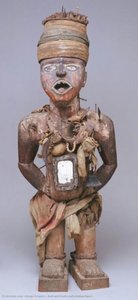
Beyond ivory carvings, the Kongo peoples produced a diverse range of ritual objects designed to interact with the spirit world. Nkisi figures, perhaps the most iconic examples of Kongo art, are power objects—sculptures into which spiritual forces were believed to reside. These figures, often made of wood and adorned with metal attachments, shells, beads, and other materials, served as vessels for containing *nkisi*, a type of spirit or energy that could be invoked for protection, healing, or divination. The addition of these elements wasn’t arbitrary; each material possessed specific properties believed to enhance the figure's power. Similarly, nail-and-blade oath-taking figures demonstrate the importance of contracts and social agreements within Kongo society. These sculptures were used in ceremonies where individuals swore oaths, with nails driven into the figure symbolizing the binding nature of their commitments.The Impact of Colonialism and Trade
The arrival of Portuguese traders in the 15th century marked a turning point in Kongo history, initiating centuries of trade that profoundly impacted both the kingdom’s political structure and its artistic production. While initially fostering economic growth, the transatlantic slave trade gradually eroded the kingdom's power and stability. The demand for ivory continued to rise, leading to increased exploitation of resources and disruption of traditional practices. European influence also manifested in the subject matter of Kongo art—some carvings began incorporating Christian motifs alongside indigenous symbols, reflecting a complex process of cultural exchange and adaptation. However, it’s crucial to avoid viewing this as simple assimilation; Kongo artists often reinterpreted these foreign elements through their own cosmological lens, imbuing them with new meanings and significance.A Continuing Legacy: Preserving the Spirit of Kongo Art
Despite facing immense challenges—including colonialism, political upheaval, and the suppression of traditional beliefs—the artistic traditions of the Kongo peoples have endured. Today, scholars and collectors alike recognize the profound cultural value of these works, not merely as historical artifacts but as living embodiments of a rich spiritual heritage.- The study of Kongo art provides invaluable insights into pre-colonial African societies.
- Their mastery of materials—particularly ivory—demonstrates exceptional technical skill and artistic ingenuity.
- Nkisi figures offer a unique window into Kongo cosmology, ritual practices, and beliefs about the spirit world.
Основные сведения
- Date Of Death: Living
- Full Name: Kongo Peoples
- Notable Artworks:
- Carved ivory tusk
- Nail and blade oath-taking figure