

 Предпросмотр
 Поделиться
 Поделиться
 Детали произведения

 Скачать
 Похожие работы
 Рентгенография
 Слайд-шоу
 Статистика
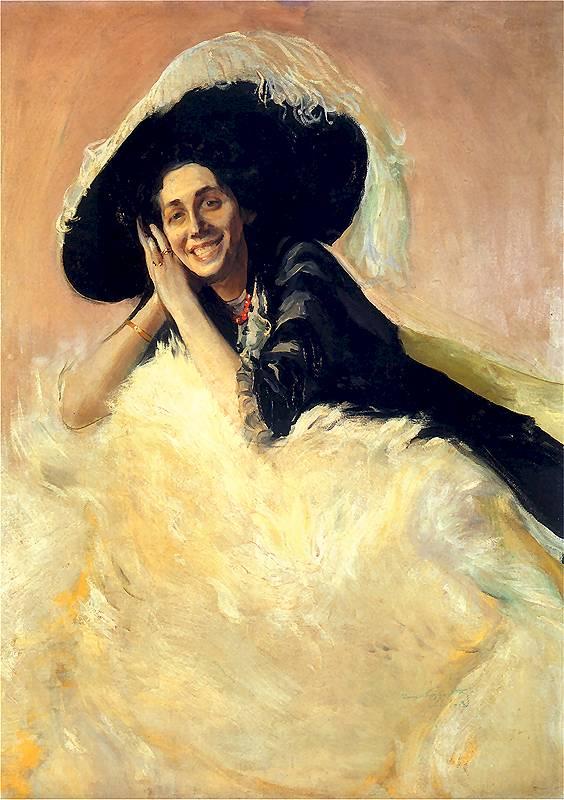
Janina Wilczynska


 Читать далее
Жикле / Арт-принт
Печать (жикле) или холст музейного качества с быстрыми сроками изготовления и широким выбором вариантов отделки. ( Купить картину ручной работы Перейти к цифровым изображениям)




































Выберите один из наших стандартных размеров, соответствующих оригинальным пропорциям произведения искусства.

Вы можете указать свои собственные размеры, чтобы репродукция идеально подошла под конкретную раму или пространство. Если выбранный вами размер не будет соответствовать пропорциям оригинала, мы либо обрежем произведение, либо дополним изображение зеркальным отражением краев или однотонной заливкой. Перед началом производства вам будет отправлен цифровой макет для утверждения.
Пожалуйста, обратите внимание, что предварительный просмотр на экране не отображает фактическую обрезку или расширение изображения. Только макет точно покажет финальную композицию.
Несмотря на возможность заказа индивидуальных размеров, мы рекомендуем выбирать размер из предопределенного списка, чтобы сохранить оригинальные пропорции.
Доставка по всему миру () за 2 недели вместо стандартных 4/5 недель. (12 Сентябрь)

Бесплатная экспресс-доставка по всему миру

Высококачественный льняной холст

Полное страхование доставки

Гарантия возмещения таможенных пошлин

Гарантия точного соответствия цветов

100-дневная политика возврата (только при обнаружении дефектов)

Гарантия возврата 100% средств

Предложение оптовых скидок
 Вариант со стеклом доступен только для размеров менее 110 см

Janina Wilczynska
Жикле / Арт-принт
Размер репродукции
-


Итоговая стоимость
$ 62
Похожие произведения



Биография художника
Konrad Krzy Anowski: A Master of Jugendstil Portraiture
Konrad Krzy Anowski, born in , remains a relatively enigmatic figure within Polish art history, yet his distinctive Jugendstil portraits—particularly those depicting women—have garnered considerable acclaim and continue to fascinate collectors worldwide. While biographical details are scarce, what is known suggests a dedicated artist deeply immersed in the artistic currents of early 20th century Poland. Early Life & Artistic Training: Limited information exists regarding Anowski’s formative years. He pursued his artistic education primarily through self-study and mentorship, absorbing influences from prominent European artists like Auguste Rodin and Gustav Klimt—artists whose mastery of sculptural form and decorative ornamentation profoundly impacted Anowski's stylistic sensibilities. This exposure to the Viennese Secession movement undoubtedly fueled his passion for Jugendstil. He began his artistic journey in 1887 at the Kyiv School of Drawing under the direction of N. Murashka, honing his skills alongside fellow aspiring artists. Continuing his studies in 1892-1897 at St. Petersburg Academy of Fine Arts under Klavdy Lebedev and Ivan Tvorozhnikov solidified his foundational knowledge—a testament to his unwavering commitment to artistic excellence. Furthermore, he cultivated connections with Arkhip Kuindzhi, whose groundbreaking landscapes instilled within him a profound appreciation for capturing the essence of nature’s beauty – an element that would later permeate many of his compositions. Following expulsion from university due to disagreements with the rector, Anowski embarked on a transformative path toward Munich, where he sought guidance from Simon Hollósy, immersing himself in the vibrant artistic environment of Bavaria and furthering his technical expertise. He participated actively in summer open-air workshops organized by Hollósy in Nagybanya, Hungary (now Romania), fostering collaborative creativity and expanding his artistic horizons. The Jugendstil Aesthetic: Form Meets Emotion Anowski’s artistic vision crystallized within the Jugendstil (Young Style) aesthetic, a decisive break from academic conventions and an ardent embrace of organic forms inspired by Art Nouveau. This movement championed the harmonious fusion of art and craftsmanship—a philosophy perfectly embodied in Anowski's oeuvre. Characterized by flowing lines reminiscent of plant stems and blossoms, stylized floral motifs meticulously rendered with delicate pastel palettes, Jugendstil aimed to elevate decorative arts alongside painting—a bold assertion of artistic ambition. Anowski skillfully blended meticulous draftsmanship with expressive brushwork, creating portraits that transcended mere likeness; instead, he endeavored to convey not only physical appearance but also inner character and emotional nuance. His canvases often depict women engaged in contemplative activities – delicately posed at the piano keys or sheltered beneath an umbrella—evoking a profound sense of serenity and idealized beauty. The artist’s masterful use of chiaroscuro—the interplay of light and shadow—further enhanced the dramatic impact of his works, demonstrating his command of artistic technique. Notable Works & Artistic Style: His most celebrated paintings include ‘Girl at the Piano,’ completed in 1907, a quintessential Jugendstil portrait showcasing a young woman absorbed in her musical pursuits. The painting’s delicate rendering of fabric folds and subtle shading exemplifies Anowski's technical prowess—a testament to his dedication to achieving unparalleled realism within the stylistic framework of Jugendstil. Another noteworthy piece is ‘Girl under an Umbrella,’ which utilizes Impressionistic techniques to portray a youthful figure amidst the tranquil beauty of nature, demonstrating Anowski’s versatility. The artist’s compositions frequently incorporate symbolic elements reflecting the prevailing cultural values of his time—a deliberate choice intended to imbue his art with deeper meaning and resonance. His meticulous attention to detail—from the texture of skin to the subtle nuances of expression—underscores his unwavering commitment to artistic perfection. Influence & Legacy Anowski’s work stands as a testament to the enduring appeal of Jugendstil and its ability to convey profound emotional depth. He skillfully captured the spirit of his era—a period marked by optimism, artistic experimentation, and a yearning for aesthetic refinement—leaving behind a legacy of exquisitely crafted portraits that continue to inspire admiration. Although overshadowed by more prolific contemporaries, Anowski’s contribution to Polish art history is undeniable, securing his place as one of the foremost practitioners of Jugendstil portraiture. His influence extended beyond the realm of painting, shaping artistic sensibilities and fostering a dialogue between tradition and innovation—a legacy that resonates powerfully within contemporary artistic discourse. Further Exploration: For a deeper understanding of Konrad Krzy Anowski's artistic journey and stylistic achievements, consult resources such as ArtsDot.com’s artist database (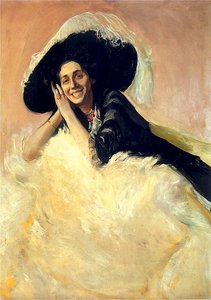
Основные сведения
- Artistic Movement Or Style: Югендстиль
- Date Of Death: Living
- Full Name: Konrad Krzy Anowski
- Nationality: Польский
- Notable Artworks: ['Девушка за пианино']
- Place Of Birth: Кремнечук, Украина