

 Предпросмотр
 Поделиться
 Поделиться
 Детали произведения

 Скачать
 Похожие работы
 Рентгенография
 Слайд-шоу
 Статистика
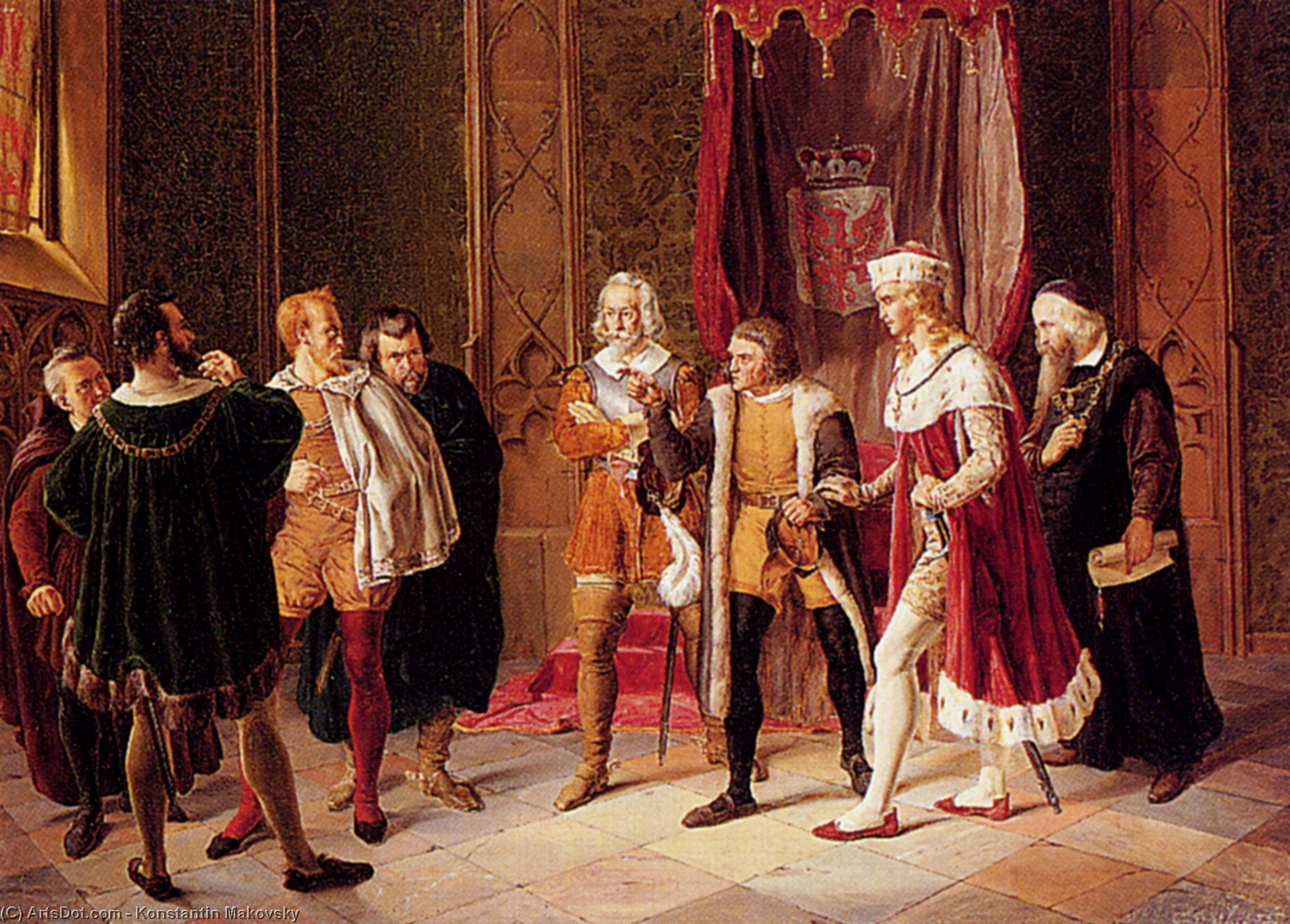
Difficult Negotiations
 Oil
Oil- WallArt
- Russian Realism
 1883
1883- 19th Century
 48.0 x 35.0 cm
 Читать далее
Жикле / Арт-принт
Печать (жикле) или холст музейного качества с быстрыми сроками изготовления и широким выбором вариантов отделки. ( Купить картину ручной работы Перейти к цифровым изображениям)




P118B $10

P118H $10

P118W $10

P438Z $10

P508JH $12

P508YH $12

P805H $10

P805Z $10

P919BZ $10

P919G $10

P919XJ $10

P959ZH $10

P968JZ $12

W106C $8

W218G $10

W218JH $8

W218Y $10

W307PJ $10

W316G $10

W316PJ $8

W316Y $10

W398PJ $8

W4111J $10

W500HY $15

W500JH $15

W692G $12

W849H $8

W940BG $15

W953PJ $8




Выберите один из наших стандартных размеров, соответствующих оригинальным пропорциям произведения искусства.

Вы можете указать свои собственные размеры, чтобы репродукция идеально подошла под конкретную раму или пространство. Если выбранный вами размер не будет соответствовать пропорциям оригинала, мы либо обрежем произведение, либо дополним изображение зеркальным отражением краев или однотонной заливкой. Перед началом производства вам будет отправлен цифровой макет для утверждения.
Пожалуйста, обратите внимание, что предварительный просмотр на экране не отображает фактическую обрезку или расширение изображения. Только макет точно покажет финальную композицию.
Несмотря на возможность заказа индивидуальных размеров, мы рекомендуем выбирать размер из предопределенного списка, чтобы сохранить оригинальные пропорции.
Доставка по всему миру () за 2 недели вместо стандартных 4/5 недель. (11 Сентябрь)

Бесплатная экспресс-доставка по всему миру

Высококачественный льняной холст

Полное страхование доставки

Гарантия возмещения таможенных пошлин

Гарантия точного соответствия цветов

100-дневная политика возврата (только при обнаружении дефектов)

Гарантия возврата 100% средств

Предложение оптовых скидок
 Вариант со стеклом доступен только для размеров менее 110 см

Difficult Negotiations
Жикле / Арт-принт
Размер репродукции
-


Итоговая стоимость
$ 62
A Grand Encounter in Oil: The Drama of Difficult Negotiations
In the sweeping, theatrical canvas of Difficult Negotiations, Konstantin Yegorovich Makovsky invites us into a world where the weight of history hangs heavy in the air. Painted in 1883, this masterpiece serves as a window into a bygone era of diplomacy and high-stakes political maneuvering. The scene is populated by a gathering of figures, some adorned in the regal splendor of crowns and ornate royal attire, others dressed in the dignified garments of historical statesmen. As they congregate, there is an palpable sense of tension; every gesture, every leaned-in whisper, and every furrowed brow suggests that the fate of nations may well be decided within this very chamber. Makovsky masterfully utilizes a rich, crimson backdrop—a heavy red curtain that not only provides a striking color contrast to the varied textures of the men's clothing but also acts as a theatrical shroud, framing the negotiation like a pivotal moment on a grand stage.
The composition is a triumph of depth and perspective, a hallmark of Makovsky’s refined Russian Realist technique. By strategically placing certain figures in the immediate foreground while receding others into the soft shadows of the background, the artist creates an immersive three-dimensional space that draws the viewer into the heart of the conversation. The interplay of light and shadow across the diverse fabrics—from the heavy velvets of royal robes to the intricate embroidery of historical tunics—demonstrates a virtuoso command of texture. This meticulous attention to detail ensures that each character, though part of a larger group, possesses a distinct presence and a unique story to tell, contributing to the overall complexity of the narrative.
Beyond its technical brilliance, Difficult Negotiations resonates with a profound emotional and symbolic depth. It captures the essence of human struggle, the friction between individual ambition and collective responsibility, and the silent, intense psychological warfare inherent in diplomacy. For the discerning collector or interior designer, this painting offers more than mere decoration; it provides a focal point of intellectual and aesthetic gravity. A high-quality reproduction of this work brings an atmosphere of sophistication, history, and contemplative power to any space, serving as a conversation piece that evokes the grandeur of the 19th-century Russian art tradition and the timeless drama of human interaction.
Похожие произведения
Биография художника
A Life Immersed in Russian Realism: The World of Konstantin Makovsky
Konstantin Yegorovich Makovsky, born into a Moscow household brimming with artistic sensibility in 1839, became one of the most celebrated and financially successful painters of his era. His father, Egor Ivanovich Makovsky, was an amateur artist and a pivotal figure in establishing the foundations of art education in Moscow, while his mother nurtured musical aspirations within young Konstantin. This dual influence – visual artistry from his father and a deep appreciation for harmony and expression from his mother – shaped a sensibility that would permeate his entire oeuvre. The family’s creative atmosphere extended beyond Konstantin; his brothers Vladimir and Nikolay also pursued painting careers, alongside their sister Alexandra, creating a dynasty of artistic talent. From an early age, Makovsky demonstrated exceptional aptitude, entering the Moscow School of Painting, Sculpture, and Architecture at just twelve years old, where he flourished under the tutelage of Karl Bryullov and Vasily Tropinin. It was Bryullov’s influence that instilled in him a penchant for romanticism and decorative effects, qualities that would subtly color his later, more realist works.From Academic Roots to the Wanderers' Path
Makovsky continued his artistic education at the Imperial Academy of Arts in Saint Petersburg, beginning in 1858. Here, he produced significant early pieces like *Curing of the Blind* (1860) and *Agents of the False Dmitry kill the son of Boris Godunov* (1862), showcasing a developing skill for narrative composition and historical detail. However, it was his involvement in the “Revolt of the Fourteen” in 1863 that truly defined his artistic trajectory. Along with thirteen fellow students, Makovsky protested the Academy’s restrictive focus on mythological subjects, choosing instead to depict contemporary life and Russian realities. This act of defiance signaled a commitment to artistic freedom and paved the way for his association with the *Peredvizhniki*, or Wanderers – a group of artists dedicated to bringing art directly to the people through traveling exhibitions. The *Peredvizhniki* movement aimed to break away from academic constraints and address social issues, reflecting the changing currents of Russian society. Makovsky’s early work aligned perfectly with this ethos, focusing on scenes of everyday life—the struggles and triumphs of ordinary Russians—as seen in paintings like *Widow* (1865) and *Herring-seller* (1867). These works demonstrated a keen eye for detail and an ability to capture the dignity and resilience of the Russian peasantry.Capturing the Soul of Russia: Themes and Style
Throughout his career, Makovsky’s art served as a window into Russian life, particularly its historical and cultural richness. He possessed an extraordinary ability to capture the nuances of Russian character and tradition. His paintings weren't merely depictions; they were immersive experiences that transported viewers to bustling marketplaces, grand weddings, or intimate family gatherings. *The Russian Bride’s Attire* (1889), also known as *Beneath the Crown*, stands as a prime example—a lavishly detailed portrayal of pre-wedding rituals, brimming with symbolism and vibrant color. Similarly, works like *A Boyar Wedding Fest, Kissing Ceremony, and Before the Wedding* demonstrate his fascination with Russian customs and celebrations. Makovsky’s style evolved over time. A journey to Egypt and Serbia in the 1870s sparked a shift towards exploring artistic problems of color and form, leading to more polished and decorative compositions. This transition, while earning him widespread acclaim and financial success, also drew criticism from some who felt he had strayed from the movement’s original ideals. Despite these critiques, Makovsky remained committed to portraying Russian life with both accuracy and emotional depth.Recognition and a Tragic End
By the late 19th century, Konstantin Makovsky was arguably the most highly regarded and well-compensated artist in Russia. His talent for capturing both historical grandeur and intimate human moments resonated with audiences across Europe. The pinnacle of his recognition came at the 1889 World’s Fair in Paris, where he received a Large Gold Medal for *Death of Ivan the Terrible*, *The Judgement of Paris*, and *Demon and Tamara*. These works showcased his mastery of composition, dramatic lighting, and psychological depth. Makovsky's paintings often depicted historical events with a sense of immediacy and emotional intensity, reflecting the turbulent political climate of Russia at the time. However, Makovsky’s life was tragically cut short in 1915. While traveling in Saint Petersburg, his horse-drawn carriage collided with an electric tram, resulting in fatal injuries. His untimely death marked the end of a remarkable career that left an indelible mark on Russian art history.Legacy and Influence
Konstantin Makovsky’s influence extends beyond his impressive body of work. He played a crucial role in shaping the landscape of Russian art during a period of significant social and political change. His commitment to depicting Russian life, coupled with his technical skill and artistic vision, inspired generations of artists. He bridged the gap between academic tradition and the emerging realist movement, paving the way for future explorations of national identity and cultural heritage in art. Today, Makovsky’s paintings are held in prominent museums and private collections worldwide, continuing to captivate audiences with their beauty, detail, and profound understanding of the human condition. His legacy endures as a testament to the power of art to reflect, preserve, and celebrate the richness of Russian culture.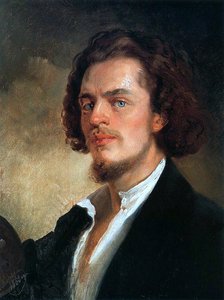
Константин Маковский
1839 - 1915 , Россия
Основные сведения
- Artistic Movement Or Style: Академизм, Реализм
- Artists Or Movements Influenced By This Artist: ['Передвижники']
- Artists Who Influenced This Artist:
- Брюллов
- Тропинин
- Date Of Birth: 20 июня 1839 г.
- Date Of Death: 17 сентября 1915 г.
- Full Name: Константин Егорович Маковский
- Nationality: Русский
- Notable Artworks:
- Крещение Руси
- Смерть Ивана Грозного
- Place Of Birth: Москва, Россия
Похожие статьи
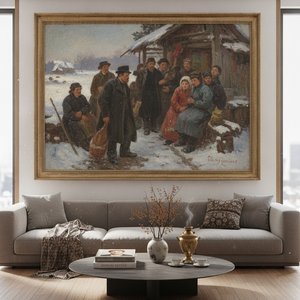
Discover Russian Realism: Soulful Masterpieces and the Timeless Spirit of the Peredvizhniki for Your Modern Home
Elevate your home with the soulful beauty of Russian Realism. Discover exquisite hand-painted reproductions of Peredvizhniki masterpieces, from lyrical landscapes to profound portraits, curated to bring historical depth and timeless elegance to your modern interior design.
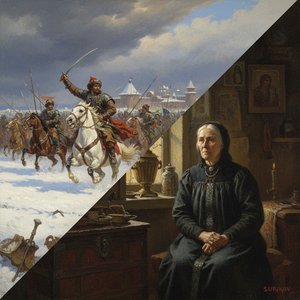
Vasily Surikov: Historical Epic & Psychological Realism in 19th-Century Russian Painting
Explore the powerful historical paintings of Vasily Surikov, a leading figure of Russian Realism. Discover his dramatic compositions, psychological depth & lasting influence on 19th-century art. Learn about collecting Surikov's masterpieces.

Romantic Realism's Finest: 10 Masterpieces for Your Home | ArtsDot
Explore 10 defining masterpieces of Romantic Realism! Discover Courbet, Millet & Daumier's powerful paintings—capturing emotion and social realities. Find museum-quality reproductions for your home at ArtsDot.com.
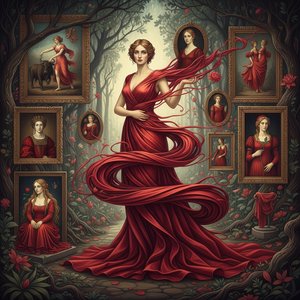
Crimson Threads of Narrative: Exploring Symbolism & Representation in Artworks Featuring the Red Dress
Explore the rich symbolism of the red dress in art history! From ancient power displays to iconic portraits like Cézanne’s 'Madame Cezanne', discover the cultural and artistic significance behind this captivating color. Expert analysis & insights.
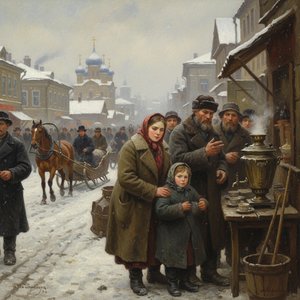
Vladimir Makovsky: Realism, Social Commentary & Russian Life in Late 19th-Century Painting
Explore the captivating world of Vladimir Makovsky, a leading Russian realist painter. Discover his insightful depictions of 19th-century life, social commentary & legacy with ArtsDot.