

 Предпросмотр
 Поделиться
 Поделиться
 Детали произведения

 Скачать
 Похожие работы
 Рентгенография
 Слайд-шоу
 Статистика
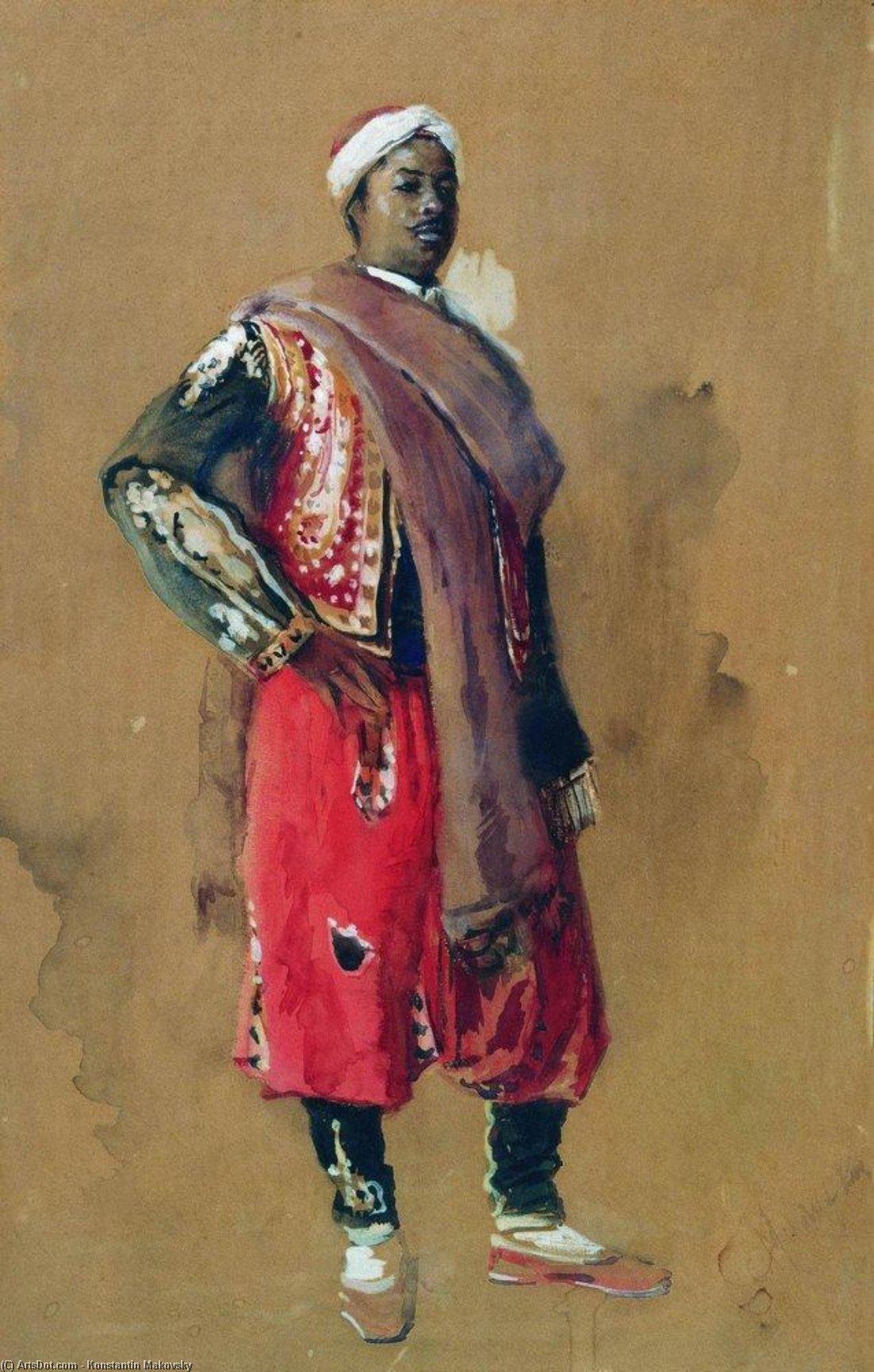
Moor

 Читать далее
Приобретите цифровое изображение высокого разрешения в улучшенном качестве, которое значительно превосходит онлайн-превью.
Каждый файл тщательно подготавливается нашими специалистами с использованием передовых инструментов и экспертной ручной ретуши. Мы гарантируем исключительную четкость, точную цветопередачу и детальную проработку каждого изображения.
Финальный файл доставляется по электронной почте в течение 72 часов и оптимизирован для немедленного использования в профессиональной среде, при верстке и печати. Это тот же уровень качества, которому доверяют ведущие дизайнерские студии, издательства и галереи.
Цифровое изображение
Скачайте файл высокого разрешения для личного использования, печати и творческих проектов. ( Перейти к печати Купить картину ручной работы)
Включено в каждый заказ цифровых изображений
Гарантия экспертной цифровой доставки
Выбирая ArtsDot.com, вы получаете не просто изображение — вы приобретаете профессионально обработанное цифровое произведение искусства, созданное с безупречной точностью и под защитой гарантии качества. Вот всё, что автоматически входит в ваш заказ:

Мгновенная доставка по e-mail
Ваш цифровой файл в высоком разрешении будет отправлен вам по электронной почте в течение 72 часов после оформления заказа — и сразу станет доступен для использования.

Цифровой файл с ИИ-улучшением
Ваше произведение искусства проходит профессиональную оптимизацию с использованием передовых инструментов ИИ и ручной обработки, что гарантирует максимальную детализацию, четкость и точность цветопередачи.

Бессрочная бесплатная повторная доставка
Случайно удалили или потеряли файл? Не беспокойтесь — мы отправим его вам повторно в любое время и совершенно бесплатно.

Без импортных пошлин — навсегда
Наслаждайтесь вашим произведением искусства мгновенно без таможенных пошлин, сборов или затрат на доставку — цифровые загрузки всегда не облагаются налогом.

Гарантия точности цветопередачи
Мы гарантируем, что ваше цифровое изображение максимально точно передает оригинальные цвета благодаря использованию профессиональных инструментов и систем управления цветом.

Гарантия удовлетворенности 100 дней
Если вы не будете удовлетворены своим цифровым изображением, мы внесем правки или вернем 100% стоимости в течение 100 дней — без лишних вопросов.

100% Гарантия возврата средств
Не удовлетворены покупкой? Получите полный возврат средств в течение 100 дней после получения цифрового файла — без лишних вопросов.

Скидки на оптовые заказы
Купите 3 изображения, сэкономьте 10% — Купите 5, сэкономьте 15% — Купите 10+, сэкономьте 20%. Отличное решение для творческих проектов, галерей и агентств.
Похожие произведения

Биография художника
A Life Immersed in Russian Realism: The World of Konstantin Makovsky
Konstantin Yegorovich Makovsky, born into a Moscow household brimming with artistic sensibility in 1839, became one of the most celebrated and financially successful painters of his era. His father, Egor Ivanovich Makovsky, was an amateur artist and a pivotal figure in establishing the foundations of art education in Moscow, while his mother nurtured musical aspirations within young Konstantin. This dual influence – visual artistry from his father and a deep appreciation for harmony and expression from his mother – shaped a sensibility that would permeate his entire oeuvre. The family’s creative atmosphere extended beyond Konstantin; his brothers Vladimir and Nikolay also pursued painting careers, alongside their sister Alexandra, creating a dynasty of artistic talent. From an early age, Makovsky demonstrated exceptional aptitude, entering the Moscow School of Painting, Sculpture, and Architecture at just twelve years old, where he flourished under the tutelage of Karl Bryullov and Vasily Tropinin. It was Bryullov’s influence that instilled in him a penchant for romanticism and decorative effects, qualities that would subtly color his later, more realist works.From Academic Roots to the Wanderers' Path
Makovsky continued his artistic education at the Imperial Academy of Arts in Saint Petersburg, beginning in 1858. Here, he produced significant early pieces like *Curing of the Blind* (1860) and *Agents of the False Dmitry kill the son of Boris Godunov* (1862), showcasing a developing skill for narrative composition and historical detail. However, it was his involvement in the “Revolt of the Fourteen” in 1863 that truly defined his artistic trajectory. Along with thirteen fellow students, Makovsky protested the Academy’s restrictive focus on mythological subjects, choosing instead to depict contemporary life and Russian realities. This act of defiance signaled a commitment to artistic freedom and paved the way for his association with the *Peredvizhniki*, or Wanderers – a group of artists dedicated to bringing art directly to the people through traveling exhibitions. The *Peredvizhniki* movement aimed to break away from academic constraints and address social issues, reflecting the changing currents of Russian society. Makovsky’s early work aligned perfectly with this ethos, focusing on scenes of everyday life—the struggles and triumphs of ordinary Russians—as seen in paintings like *Widow* (1865) and *Herring-seller* (1867). These works demonstrated a keen eye for detail and an ability to capture the dignity and resilience of the Russian peasantry.Capturing the Soul of Russia: Themes and Style
Throughout his career, Makovsky’s art served as a window into Russian life, particularly its historical and cultural richness. He possessed an extraordinary ability to capture the nuances of Russian character and tradition. His paintings weren't merely depictions; they were immersive experiences that transported viewers to bustling marketplaces, grand weddings, or intimate family gatherings. *The Russian Bride’s Attire* (1889), also known as *Beneath the Crown*, stands as a prime example—a lavishly detailed portrayal of pre-wedding rituals, brimming with symbolism and vibrant color. Similarly, works like *A Boyar Wedding Fest, Kissing Ceremony, and Before the Wedding* demonstrate his fascination with Russian customs and celebrations. Makovsky’s style evolved over time. A journey to Egypt and Serbia in the 1870s sparked a shift towards exploring artistic problems of color and form, leading to more polished and decorative compositions. This transition, while earning him widespread acclaim and financial success, also drew criticism from some who felt he had strayed from the movement’s original ideals. Despite these critiques, Makovsky remained committed to portraying Russian life with both accuracy and emotional depth.Recognition and a Tragic End
By the late 19th century, Konstantin Makovsky was arguably the most highly regarded and well-compensated artist in Russia. His talent for capturing both historical grandeur and intimate human moments resonated with audiences across Europe. The pinnacle of his recognition came at the 1889 World’s Fair in Paris, where he received a Large Gold Medal for *Death of Ivan the Terrible*, *The Judgement of Paris*, and *Demon and Tamara*. These works showcased his mastery of composition, dramatic lighting, and psychological depth. Makovsky's paintings often depicted historical events with a sense of immediacy and emotional intensity, reflecting the turbulent political climate of Russia at the time. However, Makovsky’s life was tragically cut short in 1915. While traveling in Saint Petersburg, his horse-drawn carriage collided with an electric tram, resulting in fatal injuries. His untimely death marked the end of a remarkable career that left an indelible mark on Russian art history.Legacy and Influence
Konstantin Makovsky’s influence extends beyond his impressive body of work. He played a crucial role in shaping the landscape of Russian art during a period of significant social and political change. His commitment to depicting Russian life, coupled with his technical skill and artistic vision, inspired generations of artists. He bridged the gap between academic tradition and the emerging realist movement, paving the way for future explorations of national identity and cultural heritage in art. Today, Makovsky’s paintings are held in prominent museums and private collections worldwide, continuing to captivate audiences with their beauty, detail, and profound understanding of the human condition. His legacy endures as a testament to the power of art to reflect, preserve, and celebrate the richness of Russian culture.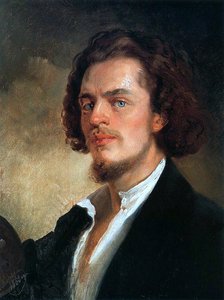
Константин Маковский
1839 - 1915 , Россия
Основные сведения
- Artistic Movement Or Style: Академизм, Реализм
- Artists Or Movements Influenced By This Artist: ['Передвижники']
- Artists Who Influenced This Artist:
- Брюллов
- Тропинин
- Date Of Birth: 20 июня 1839 г.
- Date Of Death: 17 сентября 1915 г.
- Full Name: Константин Егорович Маковский
- Nationality: Русский
- Notable Artworks:
- Крещение Руси
- Смерть Ивана Грозного
- Place Of Birth: Москва, Россия