

 Предпросмотр
 Поделиться
 Поделиться
 Детали произведения

 Скачать
 Похожие работы
 Рентгенография
 Слайд-шоу
 Статистика
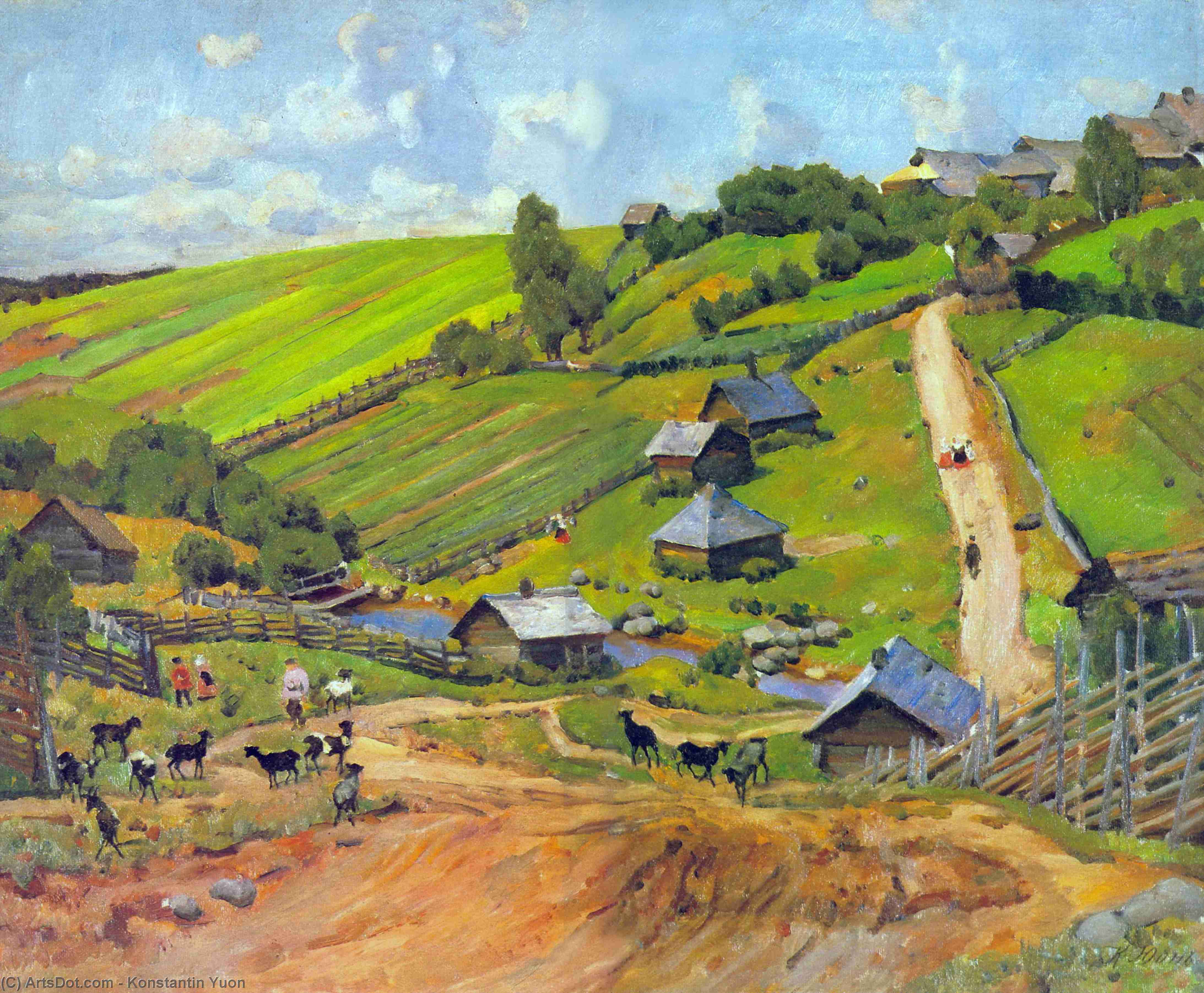
The Village of Novgorod Governorate
 Oil
Oil- WallArt
- Impressionism
 1912
1912- Modern
 58.0 x 70.0 cm
 Читать далее
Масляная репродукция ручной работы
Картина маслом на холсте в выбранном вами размере и раме, написанная на заказ нашими художниками. ( Перейти к печати Перейти к цифровым изображениям)




P118B $10

P118H $10

P118W $10

P438Z $10

P508JH $12

P508YH $12

P805H $10

P805Z $10

P919BZ $10

P919G $10

P919XJ $10

P959ZH $10

P968JZ $12

W106C $8

W218G $10

W218JH $8

W218Y $10

W307PJ $10

W316G $10

W316PJ $8

W316Y $10

W398PJ $8

W4111J $10

W500HY $15

W500JH $15

W692G $12

W849H $8

W940BG $15

W953PJ $8




Выберите один из наших стандартных размеров, соответствующих оригинальным пропорциям произведения искусства.

Вы можете указать собственные размеры, чтобы картина идеально вписалась в выбранную раму или пространство. Если выбранный вами размер не соответствует пропорциям оригинала, мы либо обрежем полотно, либо расширим его за счет дополнительных элементов, написанных вручную. Цифровой макет будет отправлен вам на утверждение перед началом производства.
Обратите внимание, что предварительный просмотр на экране не отражает фактическую обрезку или расширение. Только макет точно покажет окончательную композицию.
Хотя доступны индивидуальные размеры, мы рекомендуем выбирать вариант из предопределенного списка, чтобы сохранить исходные пропорции.
После оформления заказа команда ArtsDot.com свяжется с клиентом по электронной почте для уточнения деталей и предоставит предварительный макет
Доставка по всему миру () за 3–4 недели вместо стандартных 5 недель. (13 Сентябрь). Без компромиссов в качестве.

Бесплатная экспресс-доставка по всему миру

Высококачественный льняной холст

Полное страхование доставки

Гарантия возмещения таможенных пошлин

Гарантия точного соответствия цветов

100-дневная политика возврата (только при обнаружении дефектов)

Гарантия возврата 100% средств

Предложение оптовых скидок
 Вариант со стеклом доступен только для размеров менее 110 см

The Village of Novgorod Governorate
Техника репродукции
Размер репродукции
-


Итоговая стоимость
$ 263
A Pastoral Symphony in Color
In his evocative masterpiece, The Village of Novgorod Governorate, Konstantin Yuon invites the viewer into a world where time seems to slow, capturing the profound serenity of the Russian countryside at the dawn of the twentieth century. Painted in 1912, this work is far more than a mere landscape; it is a breathing, rhythmic composition that celebrates the delicate equilibrium between humanity and the natural world. As the eye wanders along the winding dirt road that serves as the painting's spine, one encounters a tapestry of life: travelers with backpacks moving with purpose, horses grazing near the periphery, and birds dancing through the air. The lush, verdant fields and rolling hills are rendered with such vitality that the viewer can almost feel the gentle breeze passing through the Novgorod landscape.
The technical brilliance of Yuon lies in his ability to marry the light-filled spontaneity of Impressionism with a structured, soulful realism. His brushwork, influenced by his formative years under masters like Konstantin Korovin, utilizes a vibrant palette to capture the shifting nuances of sunlight hitting the earth. The way the greens of the meadows transition into the soft shadows of the hills demonstrates a sophisticated understanding of atmospheric perspective. For the discerning collector or interior designer, this piece offers a remarkable depth; it possesses a luminous quality that can breathe life into a room, acting as a window into a more tranquil era. The composition is masterfully balanced, ensuring that while there is much movement within the scene, the overall emotional resonance remains one of peace and stability.
Historical Resonance and Artistic Legacy
To understand this painting is to understand the transitional period of Russian art in which Yuon was a pivotal figure. Moving between the ethereal realms of Symbolism and the grounded truths of Soviet Realism, Yuon found his most enduring voice in the depiction of the Russian soul through its landscapes. The Village of Novgorod Governorate serves as a nostalgic window into a pre-industrial way of life, capturing a sense of communal harmony that feels both intimate and timeless. The presence of the travelers suggests a narrative of journey and connection, turning a simple village scene into an epic poem about the human experience.
For those seeking to adorn a space with art that inspires contemplation, this reproduction offers an unparalleled opportunity. It is a piece that does not merely decorate a wall but enriches the atmosphere of a home or gallery. The painting’s ability to evoke nostalgia while maintaining a fresh, vibrant aesthetic makes it a versatile choice for sophisticated interiors, whether they lean toward classical elegance or modern rustic charm. Owning a work that captures such a profound sense of harmony allows the viewer to bring a piece of history's most peaceful moments into their daily lives.
Похожие произведения
Биография художника
Early Life and Artistic Foundations
Konstantin Fyodorovich Yuon, a name synonymous with the vibrant heart of Russian art, was born on October 24th, 1875, in the bustling metropolis of Moscow. His lineage intertwined threads of Swiss-Russian heritage, a unique blend that would subtly influence his artistic perspective. His father, a diligent employee within an insurance firm, carried the legacy of Switzerland, while his mother, rooted firmly in German traditions, instilled a deep appreciation for culture and beauty. From his earliest years, Konstantin demonstrated a profound sensitivity to the visual world – a nascent talent nurtured by a mother who actively encouraged artistic pursuits within their home. This early exposure wasn’t merely casual; it was a deliberate cultivation of creativity, laying the foundational stones upon which his future artistic endeavors would be built. The Moscow School of Painting, Sculpture and Architecture became Konstantin's formal training ground from 1892 to 1898. Here, he found himself immersed in a rich environment of artistic discourse, guided by distinguished masters such as Konstantin Savitsky and Konstantin Korovin – figures whose techniques and philosophies would profoundly shape his initial artistic trajectory. These formative years weren’t confined solely to the walls of the school; Yuon embarked on journeys across Europe, particularly to Paris, where he encountered the revolutionary currents of Impressionism. He was captivated by artists like Camille Pissarro, not simply mimicking their style but absorbing and synthesizing their techniques into a distinctly Russian aesthetic – a harmonious blend of Western innovation and deeply rooted national identity.From Symbolism to Socialist Realism
Yuon’s early artistic output is characterized by an evocative interplay between Impressionistic landscapes and the subtle whispers of Symbolism. Paintings such as *To the Trinity* (1903) and *Tverskoy Boulevard* (1909) exemplify this period, capturing fleeting moments of light and atmosphere with a remarkable sensitivity to color and texture. Yet, these works aren’t merely depictions of scenery; they carry an undercurrent of emotional resonance, hinting at deeper, unspoken narratives – a hallmark of Symbolist art. He wasn't content to remain solely within the confines of Impressionism; Yuon began experimenting with lyrical landscapes that incorporated elements drawn from traditional Russian artistic forms—the delicate precision reminiscent of Palekh miniature painting and the spiritual depth echoing the iconography of ancient icons. This fusion created a visual language entirely his own, imbued with a potent sense of national identity while simultaneously embracing innovation and experimentation. However, the tumultuous political landscape of the early 20th century dramatically altered the course of Yuon’s artistic journey. The rise of the Soviet Union ushered in an era of ideological shifts, demanding artists align their work with the new regime's goals. Yuon navigated this complex transition, gradually adapting his style to reflect the prevailing demands – a shift that ultimately led him towards embracing the tenets of Socialist Realism. This stylistic evolution is powerfully illustrated in *Parade on the Red Square on November 7, 1941*, a monumental work depicting Soviet strength and resilience during wartime—a testament to the power of art as a tool for propaganda and national unity.A Multifaceted Career and Institutional Leadership
Konstantin Yuon’s artistic contributions extended far beyond the creation of individual paintings; he was a pivotal figure in the organization and administration of the Russian art world. He didn't merely paint; he actively shaped the direction of artistic expression within his nation. Alongside his brother, Paul Juon (a renowned composer), he co-founded both the Union of Russian Artists and, later, the Association of Artists of Revolutionary Russia – institutions that played a crucial role in fostering artistic collaboration and promoting national identity. His administrative talents were further recognized through significant leadership roles: he served as director of the Research Institute of the Academy of Arts (1948–1950) and, culminating in a distinguished career, became the First Secretary of the Union of Soviet Artists (1956–1958). These positions afforded him considerable influence over artistic policy and education, allowing him to champion his vision for Russian art. His dedication was formally acknowledged with prestigious accolades – including the Stalin Prize in 1943 and the Order of Lenin—solidifying his status as a national treasure and a respected figure within the Soviet artistic community. Throughout his career, Yuon remained committed to nurturing young artists, establishing his own private painting and drawing school in Moscow, where he imparted his knowledge and techniques to a new generation of creative minds.Legacy and Enduring Influence
Konstantin Yuon’s legacy is complex and profoundly significant—a testament to an artist who navigated turbulent times while remaining steadfastly committed to his craft. He stands as a pivotal figure in Russian art history, bridging the gap between the aesthetic sensibilities of the late 19th century and the ideological demands of the Soviet era. His early Symbolist landscapes possess a haunting beauty that continues to resonate with viewers, while his later Socialist Realist works offer valuable insights into the artistic strategies employed by the Soviet regime. Today, Yuon’s paintings are proudly displayed in prominent museum collections across Russia – including the Tretyakov Gallery and the Taganrog Art Museum—ensuring their accessibility for generations to come. His work remains a subject of study and admiration, a lasting tribute to a remarkable artist who indelibly shaped the cultural landscape of Russia.- Notable Works: New Planet, Bean Vine, Parade on the Red Square on November 7, 1941.
- Key Influences: Konstantin Savitsky, Konstantin Korovin, Valentin Serov, Camille Pissarro.
- Artistic Movements: Impressionism, Symbolism, Socialist Realism.
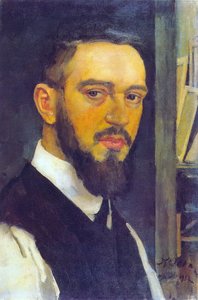
Константин Юон
1875 - 1958 , Россия
Основные сведения
- Artistic Movement Or Style: Импрессионизм, Символизм, Социалистический реализм
- Artists Or Movements Influenced By This Artist: ['Социалистический реализм']
- Artists Who Influenced This Artist:
- Константин Коровин
- Валентин Серов
- Камиль Писarro
- Date Of Birth: 24 октября 1875
- Date Of Death: 11 апреля 1958
- Full Name: Константин Федорович Юон
- Nationality: Русский
- Notable Artworks:
- Новая планета
- Подсолнух
- Парад на Красной площади
- Place Of Birth: Москва, Россия
Похожие статьи
Топ-10 знаменитых картин, где доминирует кадмийский зеленый цвет | ArtsDot.com
Погрузитесь в мир кадмийского зеленого! Топ-10 знаменитых картин Моне, Ван Гога и других мастеров. Узнайте историю искусства, значение цвета и вдохновитесь для интерьера. Репродукции высокого качества на ArtsDot.com.
Топ-10 знаменитых картин в оттенках морской волны: искусство для вашего интерьера
Погрузитесь в мир искусства с 10 знаменитыми картинами в оттенках морской волны! Узнайте истории Моне, Ренуара и других великих мастеров. Вдохновение для интерьера и репродукции музейного качества на ArtsDot.com.
Топ-10 знаменитых картин в оттенках шалфейно-зеленого: искусство и интерьер
Погрузитесь в мир искусства с нашей коллекцией топ-10 знаменитых картин в оттенках шалфейно-зеленого. Узнайте истории великих художников, вдохновитесь импрессионизмом и найдите идеальную репродукцию для вашего интерьера на ArtsDot.com! Explore the full collection online.
Verdant Visions: Exploring the Symbolism & Aesthetic Impact of Green in Art History
Explore the rich history & symbolism of green in art! Discover iconic paintings, techniques, and how to bring verdant harmony into your home with ArtsDot's expert guide.
Хромированный изумруд: 10 шедевров живописи в зеленых тонах | ArtsDot
Погрузитесь в мир хромированного изумруда! 10 знаменитых картин Моне, Ван Гога и других великих художников. Узнайте историю шедевров импрессионизма и постимпрессионизма, вдохновитесь зелеными тонами для вашего интерьера. Купите репродукции высокого качества на ArtsDot.com