

 Предпросмотр
 Поделиться
 Поделиться
 Детали произведения

 Скачать
 Похожие работы
 Рентгенография
 Слайд-шоу
 Статистика
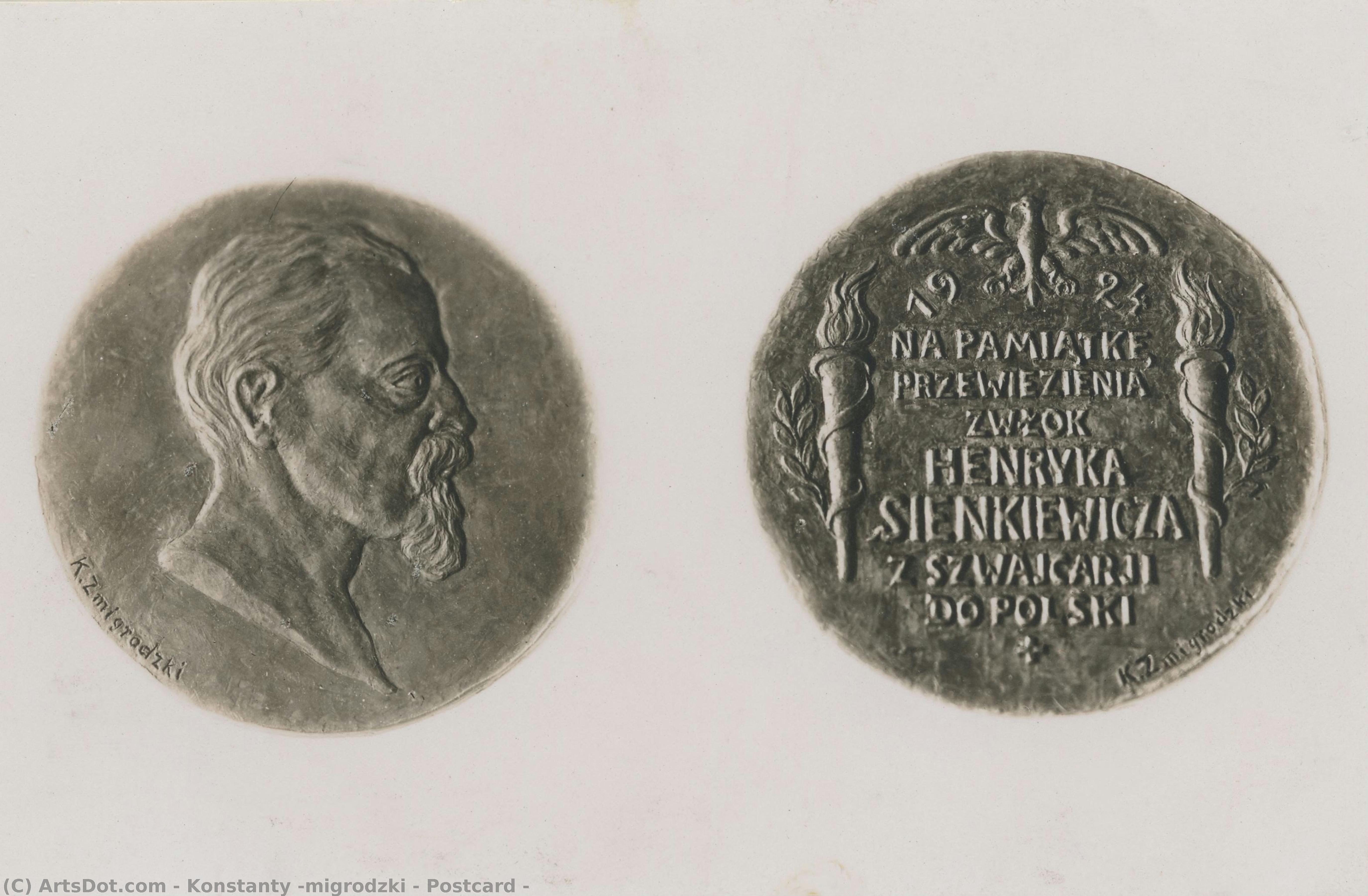
Postcard


 Читать далее
Приобретите цифровое изображение высокого разрешения в улучшенном качестве, которое значительно превосходит онлайн-превью.
Каждый файл тщательно подготавливается нашими специалистами с использованием передовых инструментов и экспертной ручной ретуши. Мы гарантируем исключительную четкость, точную цветопередачу и детальную проработку каждого изображения.
Финальный файл доставляется по электронной почте в течение 72 часов и оптимизирован для немедленного использования в профессиональной среде, при верстке и печати. Это тот же уровень качества, которому доверяют ведущие дизайнерские студии, издательства и галереи.
Цифровое изображение
Скачайте файл высокого разрешения для личного использования, печати и творческих проектов. ( Перейти к печати Купить картину ручной работы)
Включено в каждый заказ цифровых изображений
Гарантия экспертной цифровой доставки
Выбирая ArtsDot.com, вы получаете не просто изображение — вы приобретаете профессионально обработанное цифровое произведение искусства, созданное с безупречной точностью и под защитой гарантии качества. Вот всё, что автоматически входит в ваш заказ:

Мгновенная доставка по e-mail
Ваш цифровой файл в высоком разрешении будет отправлен вам по электронной почте в течение 72 часов после оформления заказа — и сразу станет доступен для использования.

Цифровой файл с ИИ-улучшением
Ваше произведение искусства проходит профессиональную оптимизацию с использованием передовых инструментов ИИ и ручной обработки, что гарантирует максимальную детализацию, четкость и точность цветопередачи.

Бессрочная бесплатная повторная доставка
Случайно удалили или потеряли файл? Не беспокойтесь — мы отправим его вам повторно в любое время и совершенно бесплатно.

Без импортных пошлин — навсегда
Наслаждайтесь вашим произведением искусства мгновенно без таможенных пошлин, сборов или затрат на доставку — цифровые загрузки всегда не облагаются налогом.

Гарантия точности цветопередачи
Мы гарантируем, что ваше цифровое изображение максимально точно передает оригинальные цвета благодаря использованию профессиональных инструментов и систем управления цветом.

Гарантия удовлетворенности 100 дней
Если вы не будете удовлетворены своим цифровым изображением, мы внесем правки или вернем 100% стоимости в течение 100 дней — без лишних вопросов.

100% Гарантия возврата средств
Не удовлетворены покупкой? Получите полный возврат средств в течение 100 дней после получения цифрового файла — без лишних вопросов.

Скидки на оптовые заказы
Купите 3 изображения, сэкономьте 10% — Купите 5, сэкономьте 15% — Купите 10+, сэкономьте 20%. Отличное решение для творческих проектов, галерей и агентств.
Похожие произведения
Биография художника
A Glimpse into a Polish Past: The Evocative World of Konstanty Zmigrodzki
Konstanty Zmigrodzki (born Warsaw, Poland in 1860 and died 1917) remains a somewhat enigmatic figure in the landscape of late 19th and early 20th-century Polish art. While not widely celebrated during his lifetime, his legacy has experienced a resurgence through the rediscovery of his captivating postcards – delicate windows into a bygone era. Zmigrodzki’s work offers more than just picturesque scenes; they are subtle chronicles of a Poland grappling with political upheaval and cultural identity, rendered with a meticulous detail that speaks to both artistic skill and a deep affection for his homeland. Information regarding his life is scarce, adding an air of mystery to the charm of his art. What we do know suggests a dedication to capturing the essence of Polish life, particularly through scenes of everyday existence and architectural landmarks.Early Life and Artistic Development
Born into a Poland partitioned between Russia, Prussia, and Austria, Zmigrodzki’s formative years were undoubtedly shaped by a national consciousness striving for independence. Though details about his formal training are limited, the precision of his linework and the atmospheric quality of his compositions suggest a solid grounding in academic artistic principles. A document from the Biblioteka indicates he was associated with prominent figures like Zygmunt Gloger, a renowned ethnographer and folklorist, hinting at an interest in preserving Polish heritage. This connection likely influenced his subject matter, steering him towards scenes that celebrated Polish culture and history. The portrait of Edward Żmigrodzki, a participant in the 1863 January Uprising, attributed to an unknown artist but potentially linked through family connections, further underscores this patriotic leaning within his circle. It’s plausible he initially worked as a portraitist before turning his attention to landscape and architectural subjects, perhaps recognizing the power of imagery to evoke national sentiment.The Postcard Era: A Unique Artistic Medium
Zmigrodzki's most recognizable work exists in the form of postcards produced during the height of their popularity – a period coinciding with advancements in printing technology and a growing desire for accessible art. This medium allowed him to reach a wider audience than traditional painting might have, disseminating his vision of Poland across geographical boundaries. His postcards weren’t merely reproductions of existing views; they were carefully constructed compositions, often featuring detailed scenes of towns, cities, and rural landscapes. The level of detail is remarkable, capturing the nuances of architecture, the textures of foliage, and even the atmosphere of a particular place. He wasn't simply documenting reality but interpreting it through his artistic lens, imbuing each scene with a sense of nostalgia and quiet beauty.Themes and Symbolism in Zmigrodzki’s Work
While seemingly straightforward depictions of Polish life, Zmigrodzki’s postcards often carry subtle layers of symbolism. The frequent portrayal of historical buildings and monuments can be interpreted as an assertion of Polish identity in the face of foreign domination. Scenes of everyday life – bustling marketplaces, farmers working their land – celebrate the resilience and enduring spirit of the Polish people. The artist's choice of subject matter wasn’t accidental; it was a deliberate attempt to preserve and promote a sense of national pride during a time when Poland existed primarily as a memory and an aspiration. The delicate rendering of light and shadow, often evoking a melancholic mood, may reflect the bittersweet realities of life under partition. His work is not overtly political but subtly imbued with a longing for a unified and independent Poland.Historical Significance and Legacy
Konstanty Zmigrodzki’s historical significance lies in his ability to capture a specific moment in Polish history – the period of national struggle and cultural preservation. His postcards serve as valuable visual documents, offering insights into the architecture, landscapes, and daily life of Poland during the late 19th and early 20th centuries. While he may not have achieved widespread fame during his lifetime, his work has found a renewed audience in recent years, thanks to the growing interest in Polish art and history.- His postcards provide a unique perspective on Polish life under foreign rule.
- The meticulous detail of his compositions reflects both artistic skill and a deep affection for his homeland.
- Zmigrodzki’s work serves as a testament to the power of art to preserve cultural identity and evoke national sentiment.

konstanty zmigrodzki
1860 - 1917 , Poland
Основные сведения
- Artistic Movement Or Style: Landscape Painting
- Artists Or Movements Influenced By Artist: ['Romanticism']
- Artists Who Influenced This Artist: ['Jan Matejko']
- Date Of Birth: 1860
- Full Name: Konstanty Zmigrodzki
- Nationality: Polish
- Notable Artworks: ['The Polish Landscape']
- Place Of Birth: Warsaw, Poland