

 Предпросмотр
 Поделиться
 Поделиться
 Детали произведения

 Скачать
 Похожие работы
 Рентгенография
 Слайд-шоу
 Статистика
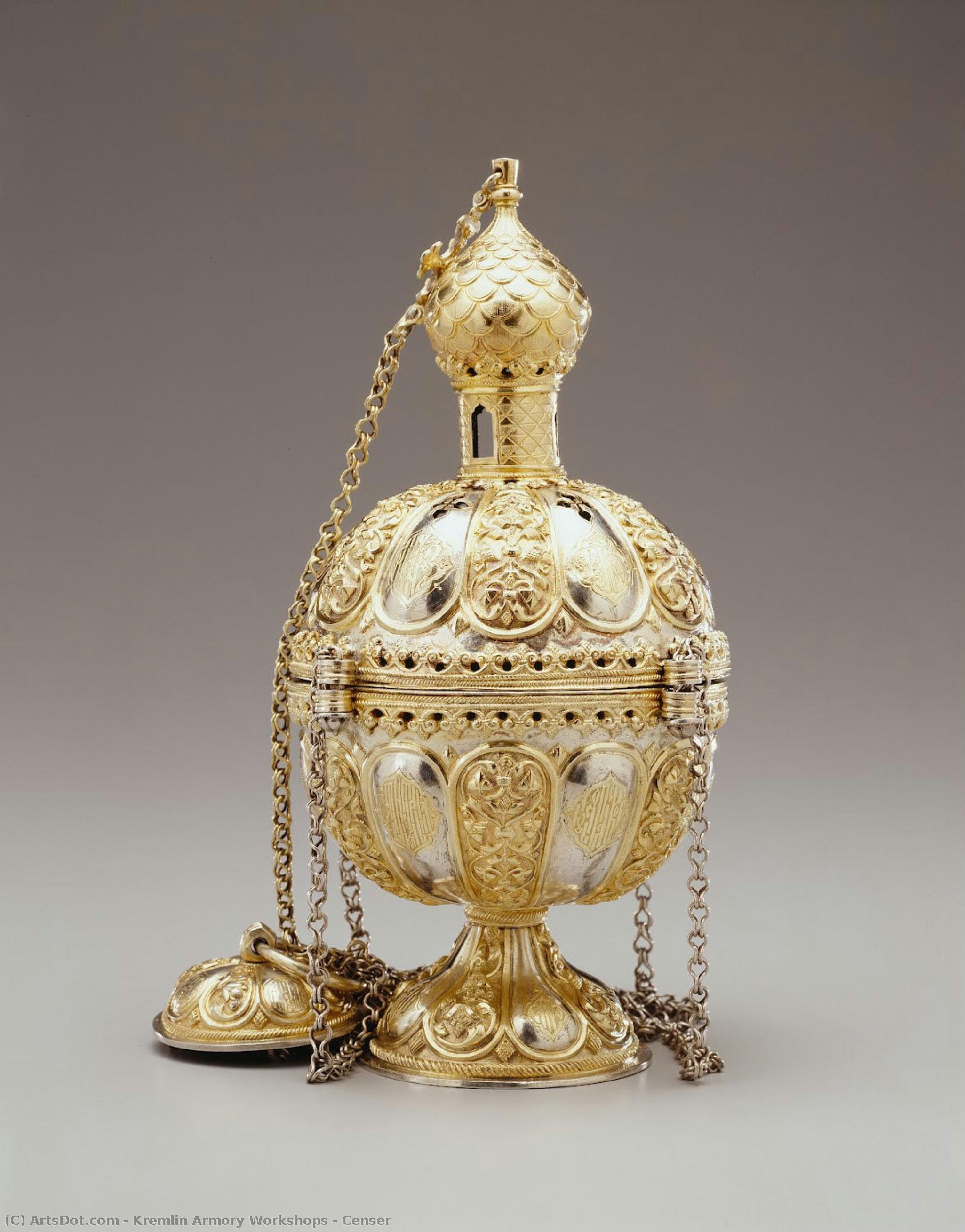
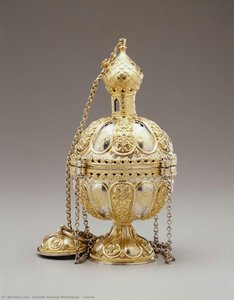
Censer

 Читать далее
Жикле / Арт-принт
Печать (жикле) или холст музейного качества с быстрыми сроками изготовления и широким выбором вариантов отделки. ( Купить картину ручной работы Перейти к цифровым изображениям)




































Выберите один из наших стандартных размеров, соответствующих оригинальным пропорциям произведения искусства.

Вы можете указать свои собственные размеры, чтобы репродукция идеально подошла под конкретную раму или пространство. Если выбранный вами размер не будет соответствовать пропорциям оригинала, мы либо обрежем произведение, либо дополним изображение зеркальным отражением краев или однотонной заливкой. Перед началом производства вам будет отправлен цифровой макет для утверждения.
Пожалуйста, обратите внимание, что предварительный просмотр на экране не отображает фактическую обрезку или расширение изображения. Только макет точно покажет финальную композицию.
Несмотря на возможность заказа индивидуальных размеров, мы рекомендуем выбирать размер из предопределенного списка, чтобы сохранить оригинальные пропорции.
Доставка по всему миру () за 2 недели вместо стандартных 4/5 недель. (13 Сентябрь)

Бесплатная экспресс-доставка по всему миру

Высококачественный льняной холст

Полное страхование доставки

Гарантия возмещения таможенных пошлин

Гарантия точного соответствия цветов

100-дневная политика возврата (только при обнаружении дефектов)

Гарантия возврата 100% средств

Предложение оптовых скидок
 Вариант со стеклом доступен только для размеров менее 110 см

Censer
Жикле / Арт-принт
Размер репродукции
-


Итоговая стоимость
$ 62
Похожие произведения






Биография художника
The Kremlin Armory Workshops: Guardians of Imperial Legacy
The Kremlin Armory Workshops, more accurately termed “the Armourys workshops,” stand as a testament to Russia’s enduring fascination with craftsmanship and artistic patronage—a tradition stretching back centuries. Established in the late fifteenth century under Ivan III, Grand Prince of Moscow, these workshops weren't merely about producing weaponry; they represented a deliberate strategy for consolidating power and projecting prestige onto the burgeoning Russian state. Initially conceived as a military necessity – supplying Tsar and army with formidable armor and weapons – their scope quickly broadened to encompass an astonishing array of artistic disciplines. Jewelers, goldsmiths, enamelists, icon painters, sculptors, and textile artists converged within its walls, creating objects of unparalleled beauty and complexity that served both practical and symbolic purposes.- Early Foundations (15th-16th Centuries): Ivan III’s ambition fueled the initial expansion. Recognizing the importance of visual representation in legitimizing rule, he commissioned elaborate icons depicting saints and biblical narratives – a practice deeply rooted in Orthodox Christianity – to adorn the Kremlin cathedrals. These icons weren't simply decorative; they conveyed theological messages and reinforced the Tsar’s divine authority. The influence of Byzantine iconography was palpable, shaping the stylistic choices of icon painters and establishing a visual language that communicated spiritual significance.
- The Petrovsk Epoch (17th Century): The reign of Peter I, “the Great,” dramatically reshaped the Armory Workshops’ identity. Driven by a desire to modernize Russia and emulate European artistic standards, Peter actively recruited artisans from across Europe – particularly Italy and Germany – injecting new techniques and styles into Kremlin production. This influx of talent resulted in breathtaking creations like ceremonial carriages adorned with gilded carvings and opulent textiles showcasing intricate floral motifs. The workshops embraced Baroque sculpture, mirroring the grandeur and theatricality favored by European monarchs during this period.
- Imperial Grandeur (18th-20th Centuries): Throughout the eighteenth century, the Armory Workshops continued to produce magnificent objects for imperial ceremonies and celebrations. Catherine II oversaw a golden age of artistic achievement, commissioning monumental sculptures and elaborate costumes for theatrical productions – demonstrating Russia’s commitment to cultural excellence. The meticulous attention to detail characteristic of Russian decorative arts flourished under her patronage, resulting in masterpieces that epitomized the splendor of the Romanov dynasty.
- Soviet Era & Revival (20th Century): Following the Russian Revolution, the Armory Workshops experienced periods of neglect but were revived in the 1930s under Stalin’s patronage. The workshops focused on producing propaganda art and commemorating Soviet achievements, reflecting the ideological priorities of the time. This era saw a shift towards utilitarian design while upholding artistic standards dictated by the Communist Party.
- Contemporary Significance: Today, the Kremlin Armory Workshops are housed within the Moscow Kremlin Museums, safeguarding a remarkable collection of treasures spanning centuries of Russian history. Their enduring legacy lies not only in their exquisite artistry but also in their role as symbols of Russia’s imperial past and its ongoing commitment to preserving cultural heritage. The workshops continue to inspire artists and craftspeople worldwide, reminding us of the power of tradition combined with innovation—a formula that has ensured their place among Russia's most treasured artistic institutions.
Арморные Мастерские Кремля
Россия
Основные сведения
- Artistic Movement Or Style: Имперское русское искусство
- Artists Or Movements Influenced By This Artist:
- Византийская иконописье
- Ренессансное искусство
- Date Of Birth: (Moscow)
- Date Of Death: Living
- Full Name: the Kremlin Armory Workshops
- Nationality: Русский
- Notable Artworks: ['Светильник']
- Place Of Birth: Москва, Россия