

 Предпросмотр
 Поделиться
 Поделиться
 Детали произведения

 Скачать
 Похожие работы
 Рентгенография
 Слайд-шоу
 Статистика
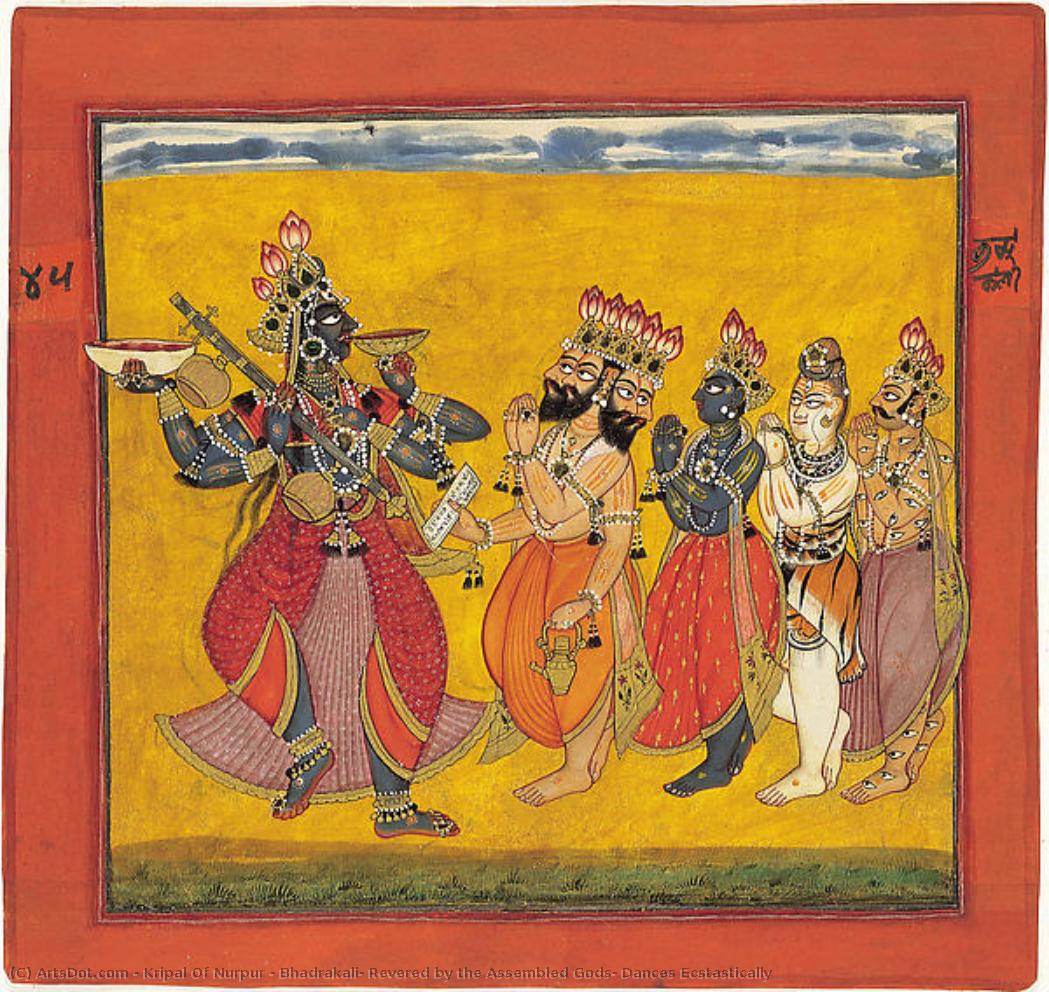
Bhadrakali, Revered by the Assembled Gods, Dances Ecstastically
 1660
1660 21.0 x 22.0 cm
 Читать далее
Жикле / Арт-принт
Печать (жикле) или холст музейного качества с быстрыми сроками изготовления и широким выбором вариантов отделки. ( Купить картину ручной работы Перейти к цифровым изображениям)




































Выберите один из наших стандартных размеров, соответствующих оригинальным пропорциям произведения искусства.

Вы можете указать свои собственные размеры, чтобы репродукция идеально подошла под конкретную раму или пространство. Если выбранный вами размер не будет соответствовать пропорциям оригинала, мы либо обрежем произведение, либо дополним изображение зеркальным отражением краев или однотонной заливкой. Перед началом производства вам будет отправлен цифровой макет для утверждения.
Пожалуйста, обратите внимание, что предварительный просмотр на экране не отображает фактическую обрезку или расширение изображения. Только макет точно покажет финальную композицию.
Несмотря на возможность заказа индивидуальных размеров, мы рекомендуем выбирать размер из предопределенного списка, чтобы сохранить оригинальные пропорции.
Доставка по всему миру () за 2 недели вместо стандартных 4/5 недель. (13 Сентябрь)

Бесплатная экспресс-доставка по всему миру

Высококачественный льняной холст

Полное страхование доставки

Гарантия возмещения таможенных пошлин

Гарантия точного соответствия цветов

100-дневная политика возврата (только при обнаружении дефектов)

Гарантия возврата 100% средств

Предложение оптовых скидок
 Вариант со стеклом доступен только для размеров менее 110 см

Bhadrakali, Revered by the Assembled Gods, Dances Ecstastically
Жикле / Арт-принт
Размер репродукции
-


Итоговая стоимость
$ 62
Похожие произведения
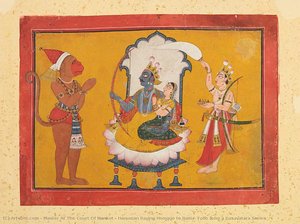

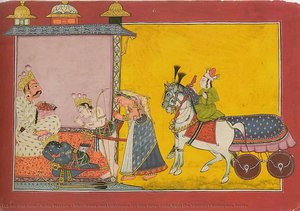
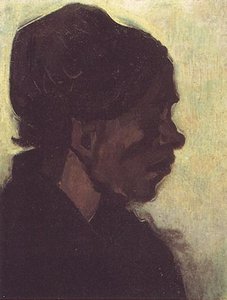
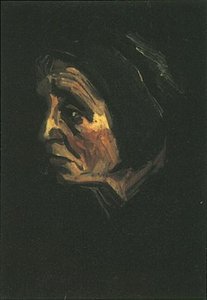
Биография художника
A Divine Hand: The Life and Art of Kripal of Nurpur
Kripal of Nurpur, a name resonating through the annals of Pahari painting, stands as a pivotal figure in 17th-century Indian art. Born in Nurpur, India around the mid-1600s, his life coincided with a flourishing period for miniature painting, particularly within the hill states of the Western Himalayas. While precise biographical details remain elusive—a common fate for artists of this era whose renown often rested solely on their work—Kripal’s artistic output speaks volumes about his skill, innovation, and deep engagement with both indigenous traditions and Persian influences. He is believed to have been active between 1660 and 1690, a relatively short but intensely productive span that left an indelible mark on the evolving Pahari style. His death date is unknown, though it’s generally accepted he passed around 1690. Kripal wasn't merely a painter; he was a visual storyteller, a devout observer of mythology, and a master colorist who captured the essence of divine energy on paper.The Courtly Context and Early Influences
Kripal’s career unfolded within the courts of Nurpur, a small but strategically important kingdom in present-day Himachal Pradesh. These courts were vibrant centers of artistic patronage, eager to commission paintings that celebrated their lineage, religious beliefs, and cultural identity. The Pahari style itself was emerging as a unique synthesis—a delicate balance between the bold linearity and bright palettes of Rajasthani painting and the refined naturalism and intricate detail characteristic of Persian miniature art. The Mughal empire’s influence permeated these regions, not through direct control but through the exchange of artists, ideas, and aesthetic sensibilities. Kripal absorbed these diverse currents, skillfully weaving them into his own distinctive artistic language. His early works demonstrate a clear understanding of traditional Indian iconography, particularly depictions of Hindu deities like Bhadrakali, yet they also reveal a growing sophistication in spatial representation and compositional complexity—elements directly attributable to Persian precedents.Bhadrakali: A Masterpiece of Dynamic Space
Kripal’s most celebrated work, Bhadrakali, revered by the assembled gods, dances ecstastically (dated 1660), exemplifies his groundbreaking approach to painting. The artwork depicts the fierce goddess Bhadrakali in a whirlwind of movement, surrounded by a throng of deities offering her reverence and adoration. What sets this painting apart is Kripal’s innovative use of multiple vanishing points—a technique rarely seen in Indian art prior to this period. This creates a dynamic, almost kaleidoscopic effect, drawing the viewer into the heart of the divine spectacle. The composition isn't static; it pulsates with energy, mirroring the goddess’s ecstatic dance. The vibrant color palette, rich jewel tones, and meticulous detailing further enhance the painting’s visual impact. It is considered a seminal work in the development of Pahari painting, showcasing a new level of sophistication in spatial representation and emotional intensity.Artistic Style and Legacy
Kripal's style wasn’t limited to just one technique; he was an innovator who constantly experimented with form, color, and composition. His paintings are characterized by:- Intricate detailing and refined brushwork.
- A bold and vibrant use of color, often employing jewel tones and contrasting hues.
- The innovative application of multiple vanishing points to create dynamic spatial representations.
- A deep understanding of Hindu mythology and iconography.
- A harmonious blend of traditional Indian and Persian artistic elements.
Historical Significance and Enduring Appeal
Kripal of Nurpur’s work offers a fascinating glimpse into the cultural landscape of 17th-century India—a period marked by artistic exchange, religious fervor, and political intrigue. His paintings are not merely decorative objects; they are windows into the beliefs, values, and aesthetic sensibilities of the time. Today, his artworks are highly prized by museums and collectors worldwide, serving as a testament to his enduring skill and innovative vision. The rediscovery and appreciation of Pahari painting in recent decades have further cemented Kripal’s place as one of India's most important artists, ensuring that his divine hand continues to inspire awe and wonder for centuries to come.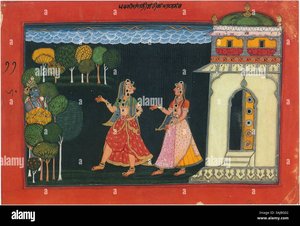
kripal of nurpur
India
Основные сведения
- Artistic Movement Or Style: World Goes Pop
- Artists Or Movements Influenced By This Artist: ['Influenced by pop art and contemporary social commentary']
- Artists Who Influenced This Artist: ['Influenced by diverse artists within the World Goes Pop movement']
- Date Of Death: Living
- Notable Artworks: ['Various works featured in The World Goes Pop exhibition']
- Place Of Birth: WahooArt