

 Предпросмотр
 Поделиться
 Поделиться
 Детали произведения

 Скачать
 Похожие работы
 Рентгенография
 Слайд-шоу
 Статистика
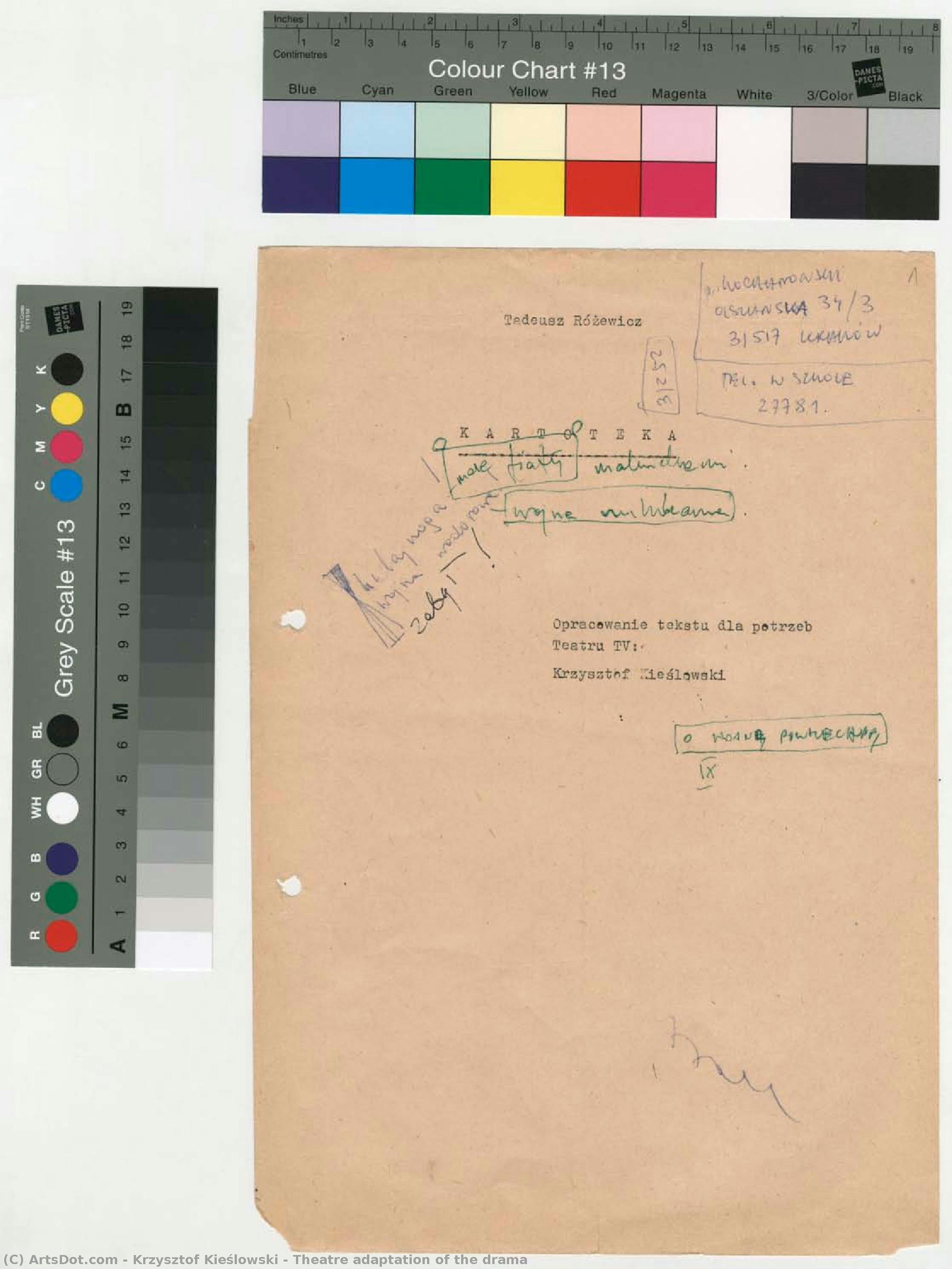
Theatre adaptation of the drama


 Читать далее
Приобретите цифровое изображение высокого разрешения в улучшенном качестве, которое значительно превосходит онлайн-превью.
Каждый файл тщательно подготавливается нашими специалистами с использованием передовых инструментов и экспертной ручной ретуши. Мы гарантируем исключительную четкость, точную цветопередачу и детальную проработку каждого изображения.
Финальный файл доставляется по электронной почте в течение 72 часов и оптимизирован для немедленного использования в профессиональной среде, при верстке и печати. Это тот же уровень качества, которому доверяют ведущие дизайнерские студии, издательства и галереи.
Цифровое изображение
Скачайте файл высокого разрешения для личного использования, печати и творческих проектов. ( Перейти к печати Купить картину ручной работы)
Включено в каждый заказ цифровых изображений
Гарантия экспертной цифровой доставки
Выбирая ArtsDot.com, вы получаете не просто изображение — вы приобретаете профессионально обработанное цифровое произведение искусства, созданное с безупречной точностью и под защитой гарантии качества. Вот всё, что автоматически входит в ваш заказ:

Мгновенная доставка по e-mail
Ваш цифровой файл в высоком разрешении будет отправлен вам по электронной почте в течение 72 часов после оформления заказа — и сразу станет доступен для использования.

Цифровой файл с ИИ-улучшением
Ваше произведение искусства проходит профессиональную оптимизацию с использованием передовых инструментов ИИ и ручной обработки, что гарантирует максимальную детализацию, четкость и точность цветопередачи.

Бессрочная бесплатная повторная доставка
Случайно удалили или потеряли файл? Не беспокойтесь — мы отправим его вам повторно в любое время и совершенно бесплатно.

Без импортных пошлин — навсегда
Наслаждайтесь вашим произведением искусства мгновенно без таможенных пошлин, сборов или затрат на доставку — цифровые загрузки всегда не облагаются налогом.

Гарантия точности цветопередачи
Мы гарантируем, что ваше цифровое изображение максимально точно передает оригинальные цвета благодаря использованию профессиональных инструментов и систем управления цветом.

Гарантия удовлетворенности 100 дней
Если вы не будете удовлетворены своим цифровым изображением, мы внесем правки или вернем 100% стоимости в течение 100 дней — без лишних вопросов.

100% Гарантия возврата средств
Не удовлетворены покупкой? Получите полный возврат средств в течение 100 дней после получения цифрового файла — без лишних вопросов.

Скидки на оптовые заказы
Купите 3 изображения, сэкономьте 10% — Купите 5, сэкономьте 15% — Купите 10+, сэкономьте 20%. Отличное решение для творческих проектов, галерей и агентств.
Похожие произведения








Биография художника
Robert Delaunay: A Pioneer of Color and Rhythm
Robert Delaunay, born Robert-Victor-Felix Delaunay in Paris on April 12, 1885, was a pivotal figure in the early development of modern art. His life, marked by both artistic innovation and personal turmoil, profoundly shaped his distinctive style – a vibrant synthesis of Cubism, Orphism, and Simultanism. Initially apprenticed to a theatrical designer, Delaunay’s artistic journey began with a fascination for color and its expressive potential, diverging from the prevailing academic traditions of his time. He was deeply influenced by Neo-Impressionism, particularly the work of Paul Gauguin and Georges Seurat, absorbing their emphasis on broken color and optical mixing – techniques he would later adapt and transform into his own unique language. However, Delaunay’s artistic trajectory took a decisive turn with the arrival of Cubism, specifically through his close association with Pablo Picasso and Henri Matisse during the early 1910s.The Birth of Orphism
Delaunay's most significant contribution to art history lies in the creation of Orphism – a movement he co-founded with his wife, Sonia Delaunay. Rejecting the analytical fragmentation of Cubism, Orphism focused on the purely visual and emotional impact of color. They sought to create paintings that were not representations of objects but rather explorations of pure sensation and rhythm. This involved employing a limited palette – primarily yellows, blues, greens, and reds – arranged in dynamic, overlapping planes and circles. Sonia’s involvement was crucial; she developed the “Simultanism” technique, applying colors simultaneously across the canvas to create an immediate, vibrant effect, rather than building up layers sequentially. This approach aimed to capture the fleeting impression of light and color as perceived by the eye. The Delaunays' studio in Paris became a hub for artistic experimentation, attracting figures like František Kupka and Vasily Kandinsky, further solidifying Orphism’s place within the broader avant-garde movement.Key Works and Artistic Evolution
Delaunay’s early works, such as *Saint-Séverin* (1913), demonstrate his initial engagement with Cubist principles while simultaneously incorporating elements of color theory. Later, he moved towards increasingly abstract compositions, exemplified by the series of “Disc” paintings from 1912-1914. These works, characterized by concentric circles and bold color fields, represent a radical departure from traditional representation. During World War I, Delaunay and Sonia relocated to Spain and Portugal, seeking refuge and inspiration amidst the turmoil of Europe. This period saw a shift towards more geometric forms and a heightened emphasis on color as an independent expressive force. Returning to Paris in 1920, he continued to develop his style, creating monumental panels and reliefs for public spaces, including the Aeronautics pavilion at the 1937 Paris International Exhibition – a testament to his growing recognition within the art world.Influence and Legacy
Robert Delaunay’s influence on subsequent generations of artists is undeniable. His pioneering use of color, abstraction, and dynamic composition paved the way for movements such as Abstract Expressionism and Color Field painting. His exploration of simultaneity – presenting multiple colors simultaneously to create a unified visual experience – anticipated later developments in non-objective art. Beyond his purely aesthetic contributions, Delaunay’s work reflects a broader cultural shift towards embracing subjectivity and emotional expression in art. His legacy extends beyond the canvas; the Delaunays' textile designs, particularly their “Sobri et Chansons” series, demonstrated the integration of artistic principles into everyday life, influencing fashion, interior design, and graphic arts.A Tragic End
Robert Delaunay’s life was tragically cut short on October 25, 1941, during the Nazi occupation of Paris. He died in Montpellier, leaving behind a remarkable body of work that continues to captivate and inspire viewers today. His paintings remain powerful testaments to his innovative spirit and his unwavering commitment to exploring the expressive potential of color and form. The Musée Matisse de Nice houses an extensive collection of Delaunay’s works, offering visitors a profound opportunity to appreciate the breadth and depth of this extraordinary artist's vision.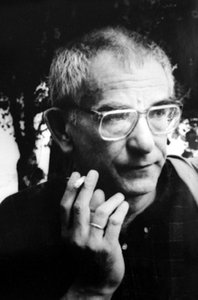
krzysztof kieślowski
1941 - 1996 , Poland
Основные сведения
- Artistic Movement Or Style:
- Divisionism
- Cubism
- Orphic Cubism
- Simultanism
- Artists Or Movements Influenced By This Artist: ['Orphism']
- Artists Who Influenced This Artist:
- Neo-Impressionism
- Cézanne
- Date Of Birth: April 12, 1885
- Date Of Death: October 25, 1941
- Full Name: Robert Delaunay
- Nationality: French
- Notable Artworks:
- Endless Rhythm
- The Eiffel Tower
- Cityscapes
- Place Of Birth: Paris, France