

 Предпросмотр
 Поделиться
 Поделиться
 Детали произведения

 Скачать
 Похожие работы
 Рентгенография
 Слайд-шоу
 Статистика
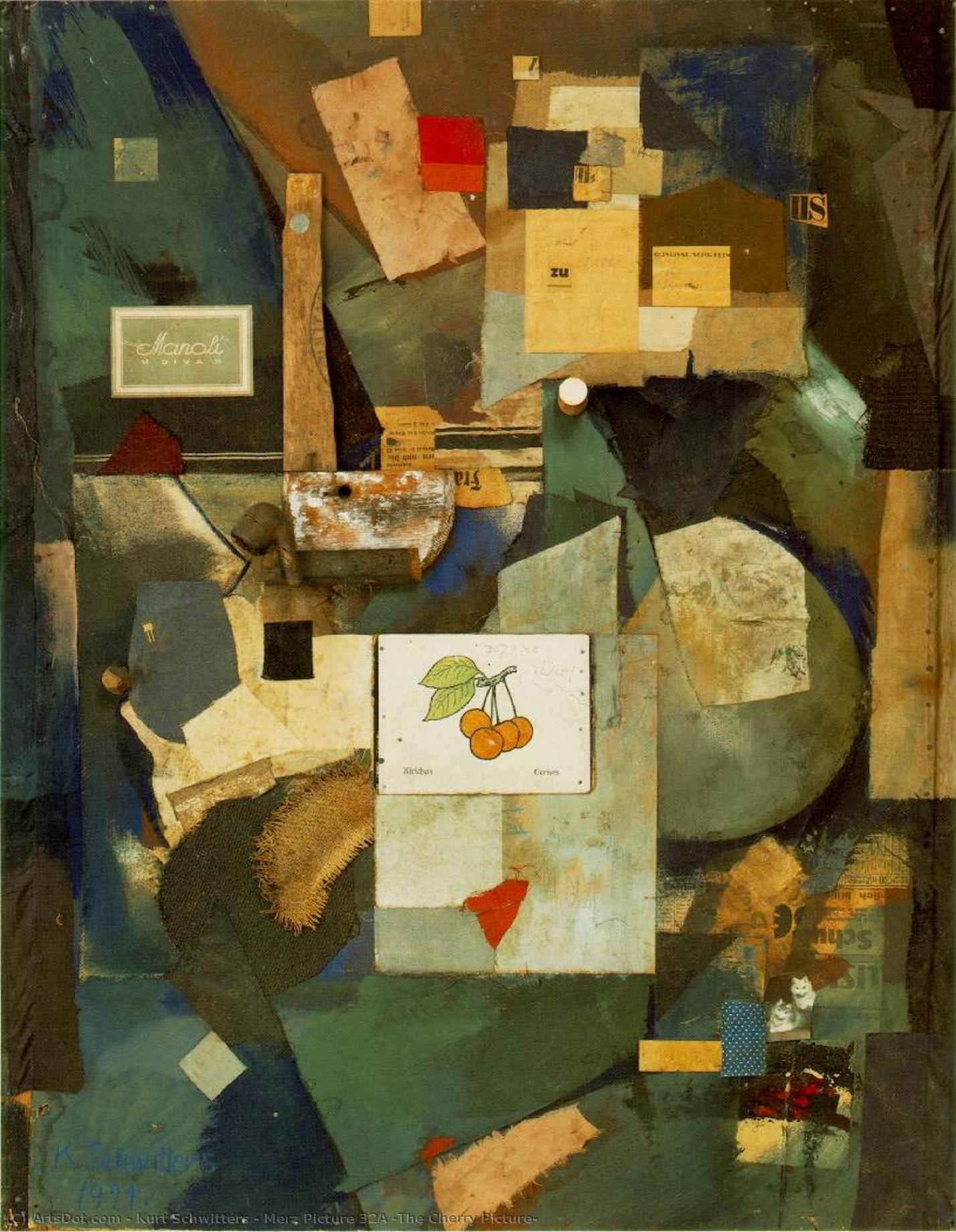
Merz Picture 32A (The Cherry Picture)


 Читать далее
Приобретите цифровое изображение высокого разрешения в улучшенном качестве, которое значительно превосходит онлайн-превью.
Каждый файл тщательно подготавливается нашими специалистами с использованием передовых инструментов и экспертной ручной ретуши. Мы гарантируем исключительную четкость, точную цветопередачу и детальную проработку каждого изображения.
Финальный файл доставляется по электронной почте в течение 72 часов и оптимизирован для немедленного использования в профессиональной среде, при верстке и печати. Это тот же уровень качества, которому доверяют ведущие дизайнерские студии, издательства и галереи.
Цифровое изображение
Скачайте файл высокого разрешения для личного использования, печати и творческих проектов. ( Перейти к печати Купить картину ручной работы)
Включено в каждый заказ цифровых изображений
Гарантия экспертной цифровой доставки
Выбирая ArtsDot.com, вы получаете не просто изображение — вы приобретаете профессионально обработанное цифровое произведение искусства, созданное с безупречной точностью и под защитой гарантии качества. Вот всё, что автоматически входит в ваш заказ:

Мгновенная доставка по e-mail
Ваш цифровой файл в высоком разрешении будет отправлен вам по электронной почте в течение 72 часов после оформления заказа — и сразу станет доступен для использования.

Цифровой файл с ИИ-улучшением
Ваше произведение искусства проходит профессиональную оптимизацию с использованием передовых инструментов ИИ и ручной обработки, что гарантирует максимальную детализацию, четкость и точность цветопередачи.

Бессрочная бесплатная повторная доставка
Случайно удалили или потеряли файл? Не беспокойтесь — мы отправим его вам повторно в любое время и совершенно бесплатно.

Без импортных пошлин — навсегда
Наслаждайтесь вашим произведением искусства мгновенно без таможенных пошлин, сборов или затрат на доставку — цифровые загрузки всегда не облагаются налогом.

Гарантия точности цветопередачи
Мы гарантируем, что ваше цифровое изображение максимально точно передает оригинальные цвета благодаря использованию профессиональных инструментов и систем управления цветом.

Гарантия удовлетворенности 100 дней
Если вы не будете удовлетворены своим цифровым изображением, мы внесем правки или вернем 100% стоимости в течение 100 дней — без лишних вопросов.

100% Гарантия возврата средств
Не удовлетворены покупкой? Получите полный возврат средств в течение 100 дней после получения цифрового файла — без лишних вопросов.

Скидки на оптовые заказы
Купите 3 изображения, сэкономьте 10% — Купите 5, сэкономьте 15% — Купите 10+, сэкономьте 20%. Отличное решение для творческих проектов, галерей и агентств.
A Symphony of Fragments: The Soul of Merz Picture 32A
In the wake of a world shattered by the cataclysm of World War I, the German artist Kurt Schwitters sought to rebuild reality not from the pristine ruins of tradition, but from the very debris left in the aftermath. His masterpiece, Merz Picture 32A (The Cherry Picture), completed in 1921, serves as a profound testament to this reconstructive spirit. This is not merely a painting; it is a carefully orchestrated assemblage of existence itself. Through his revolutionary "Merz" philosophy, Schwitters transformed the discarded—scraps of paper, fragments of wood, bits of fabric, and even cork—into a cohesive visual language that speaks to the resilience of creativity amidst chaos. To gaze upon this work is to witness the birth of a new aesthetic, where the boundary between art and life dissolves into a beautiful, textured mosaic.
The technique employed in The Cherry Picture is nothing short of alchemical. Moving far beyond the limits of traditional oil on canvas, Schwitters utilized a complex layering process that gives the piece an almost sculptural depth. He meticulously arranged disparate materials—handwritten texts, printed images, and tactile remnants of cloth—onto a painted board, securing them with glue and nails. This method creates a rhythmic interplay of light and shadow, as the physical protrusions of the collage catch the eye and invite a sensory exploration of the surface. For the discerning collector or interior designer, this work offers an unparalleled tactile richness, providing a focal point that changes character depending on the light and angle of observation.
The Poetics of Dada and the Symbolism of the Found
Rooted deeply in the Dada movement, Merz Picture 32A embodies the era's rejection of logic and its embrace of chance. While much of Dada was characterized by a nihilistic protest against the societal structures that led to war, Schwitters’ approach was uniquely constructive. He saw beauty in the accidental, finding a "fragmented symphony" within the random placement of shapes and textures. The composition lacks a singular, representational narrative; instead, it guides the viewer through a labyrinth of geometric intersections and organic forms. Amidst the muted blues, deep greens, and earthy browns, a sudden splash of red—the titular cherry—emerges like a heartbeat, providing a poignant moment of color that anchors the swirling complexity of the collage.
The emotional impact of the piece lies in its ability to evoke both nostalgia and renewal. There is a certain melancholy in the use of "found" objects—remnants of a world that has passed—yet there is an undeniable triumph in their recontextualization. For those looking to infuse a space with intellectual depth and historical gravity, this artwork offers more than decoration; it offers a conversation. It invites the viewer to contemplate how beauty can be salvaged from destruction and how new meanings can be forged from the broken pieces of our history. A high-quality reproduction of this work brings this spirit of transformation into the modern home, serving as a sophisticated reminder that even in fragmentation, there is profound harmony.
Похожие произведения
Биография художника
Kurt Schwitters: A Life in Merz
Early Life and Education
- Born: June 20, 1887, in Hanover, Germany.
- Schwitters was the only child of Eduard and Henriette Schwitters. His father co-owned a ladies' clothing shop.
- The family’s financial situation improved after selling the business in 1898, allowing them to live off rental income from properties they acquired.
- He studied art at the Dresden Academy from 1909-1915 alongside artists like Otto Dix and George Grosz, though he seemingly remained unaware of their work at the time.
- Schwitters suffered his first epileptic seizure in 1901, which later exempted him from military service for a period during World War I.
Artistic Development and the Birth of Merz
- Initially, Schwitters worked in a post-impressionist style. His early work reflected this influence.
- The devastation of World War I profoundly impacted his artistic direction. He felt traditional academic training was irrelevant in the face of societal collapse.
- “In the war, things were in terrible turmoil…everything had broken down and new things had to be made out of the fragments; and this is Merz.”
- Around 1918, he began creating abstract collages using found objects – scraps of paper, tickets, and other discarded materials.
- The term “Merz” itself came from a fragment of text (“Commerz und Privatbank”) cut from an advertisement and incorporated into one of his early works, *Das Merzbild* (1918-19).
Key Works and Artistic Styles
- Merz Pictures: These collages are arguably Schwitters’ most famous contribution. They represent a radical departure from traditional art, embracing chance and the aesthetics of everyday life.
- Merzbau: A monumental architectural construction within his home in Hanover, continuously evolving over decades. It was a three-dimensional embodiment of Merz principles – a labyrinthine space filled with niches, grottoes, and found objects.
- Assemblage & Installation Art: Schwitters pioneered these forms, blurring the boundaries between painting, sculpture, and architecture.
- He also worked in poetry, sound, graphic design, and typography, exploring a wide range of artistic media.
Influences and Connections
- Early influences included post-impressionism, but he quickly moved beyond these conventions.
- He came into contact with members of the Berlin avant-garde – Raoul Hausmann, Hannah Höch, and Hans Arp – through Herwarth Walden’s *Der Sturm* gallery.
- While associated with Dadaism, Schwitters maintained a distinct artistic identity. He was initially rejected by some Dadaists for his ties to expressionism.
Later Life and Legacy
- Facing increasing persecution under the Nazi regime due to his “degenerate art,” Schwitters fled Germany in 1937.
- He spent time in Norway and England, continuing to create Merz works despite challenging circumstances. He was briefly interned as an enemy alien during World War II.
- Died: January 8, 1948, in Ambleside, England.
- Kurt Schwitters’ work profoundly influenced subsequent generations of artists, particularly those involved in Pop Art, Minimalism, and Conceptual Art.
- His innovative use of found objects and his exploration of the relationship between art and everyday life continue to resonate with contemporary audiences.
Historical Significance
- Schwitters’ Merz aesthetic challenged traditional notions of artistic beauty and authorship.
- He expanded the definition of art by incorporating non-art materials and blurring the lines between different disciplines.
- His work remains a powerful testament to the creative potential of fragmentation, reconstruction, and the embrace of chance.
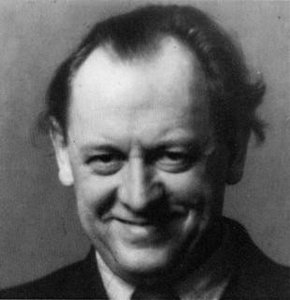
kurt schwitters
1887 - 1948
Основные сведения
- Birth Date: June 20, 1887
- Birth Place: Hanover, Germany
- Death Date: 1948
- Movement:
- Dadaism
- Constructivism
- Surrealism
- Merz
- Name: Kurt Schwitters
- Nationality: German
- Notable Works:
- Merz pictures
- Merzbau