

 Предпросмотр
 Поделиться
 Поделиться
 Детали произведения

 Скачать
 Похожие работы
 Рентгенография
 Слайд-шоу
 Статистика
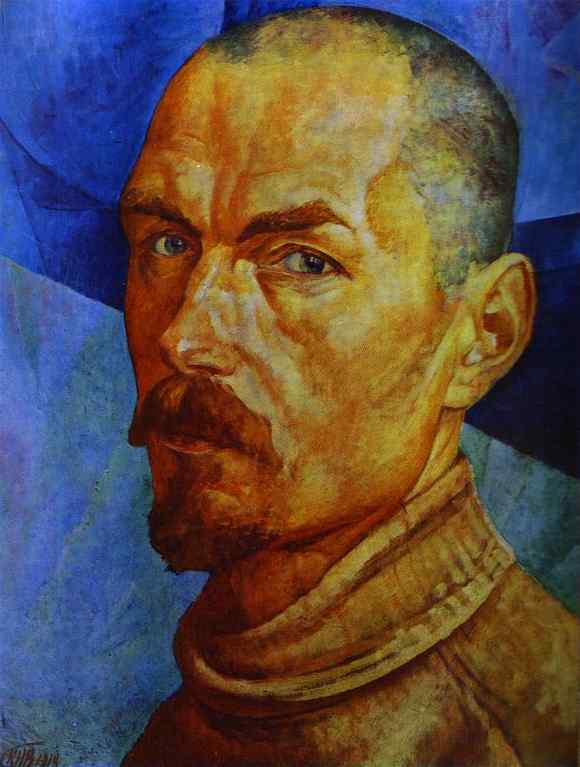
Self-portrait


 Читать далее
Приобретите цифровое изображение высокого разрешения в улучшенном качестве, которое значительно превосходит онлайн-превью.
Каждый файл тщательно подготавливается нашими специалистами с использованием передовых инструментов и экспертной ручной ретуши. Мы гарантируем исключительную четкость, точную цветопередачу и детальную проработку каждого изображения.
Финальный файл доставляется по электронной почте в течение 72 часов и оптимизирован для немедленного использования в профессиональной среде, при верстке и печати. Это тот же уровень качества, которому доверяют ведущие дизайнерские студии, издательства и галереи.
Цифровое изображение
Скачайте файл высокого разрешения для личного использования, печати и творческих проектов. ( Перейти к печати Купить картину ручной работы)
Включено в каждый заказ цифровых изображений
Гарантия экспертной цифровой доставки
Выбирая ArtsDot.com, вы получаете не просто изображение — вы приобретаете профессионально обработанное цифровое произведение искусства, созданное с безупречной точностью и под защитой гарантии качества. Вот всё, что автоматически входит в ваш заказ:

Мгновенная доставка по e-mail
Ваш цифровой файл в высоком разрешении будет отправлен вам по электронной почте в течение 72 часов после оформления заказа — и сразу станет доступен для использования.

Цифровой файл с ИИ-улучшением
Ваше произведение искусства проходит профессиональную оптимизацию с использованием передовых инструментов ИИ и ручной обработки, что гарантирует максимальную детализацию, четкость и точность цветопередачи.

Бессрочная бесплатная повторная доставка
Случайно удалили или потеряли файл? Не беспокойтесь — мы отправим его вам повторно в любое время и совершенно бесплатно.

Без импортных пошлин — навсегда
Наслаждайтесь вашим произведением искусства мгновенно без таможенных пошлин, сборов или затрат на доставку — цифровые загрузки всегда не облагаются налогом.

Гарантия точности цветопередачи
Мы гарантируем, что ваше цифровое изображение максимально точно передает оригинальные цвета благодаря использованию профессиональных инструментов и систем управления цветом.

Гарантия удовлетворенности 100 дней
Если вы не будете удовлетворены своим цифровым изображением, мы внесем правки или вернем 100% стоимости в течение 100 дней — без лишних вопросов.

100% Гарантия возврата средств
Не удовлетворены покупкой? Получите полный возврат средств в течение 100 дней после получения цифрового файла — без лишних вопросов.

Скидки на оптовые заказы
Купите 3 изображения, сэкономьте 10% — Купите 5, сэкономьте 15% — Купите 10+, сэкономьте 20%. Отличное решение для творческих проектов, галерей и агентств.
Symbolism and Style
The Self-Portrait is characterized by its use of bold colors and expressive brushwork, typical of the Symbolist movement. The background features a blue sky, adding depth and contrast to the scene. The artist's use of symbolism is evident in the two other people present in the painting, one on either side of the main subject. This composition creates a sense of balance and harmony, while also inviting the viewer to interpret the meaning behind these figures. Key Elements of the painting include:- The use of bold colors and expressive brushwork
- The presence of symbolism in the composition
- The emotional depth conveyed by the subject's expression
Conclusion
The Self-Portrait by Kuzma Petrov-Vodkin is a masterpiece of Symbolist art, showcasing the artist's unique style and ability to convey deep emotions. This painting, along with other notable works, can be found on ArtsDot.com, where art enthusiasts can discover and learn about various artists and styles.Похожие произведения


Биография художника
Kuzma Petrov-Vodkin: A Visionary of Spherical Space
Kuzma Sergeevich Petrov-Vodkin – a name synonymous with the profound and deeply personal artistic spirit of early 20th-century Russia – was far more than simply a painter. He was a philosophical explorer, a master of symbolic language, and an astute chronicler of his nation’s turbulent soul. Born in 1878 in Khvalynsk, a small, unassuming town nestled on the banks of the Volga River, Petrov-Vodkin's artistic journey began not within the rigid confines of formal academies, but amidst the rich tapestry of Russian icon painting traditions and the vibrant world of local signmakers. These formative influences instilled within him an unwavering reverence for line, color, and narrative – qualities that would ultimately define his singular aesthetic and distinguish his work from prevailing artistic currents. His initial training commenced at the Baron Stieglitz School in Saint Petersburg between 1895 and 1897, providing a crucial foundation upon which he would later build an entirely unique style, one that transcended mere technique and delved into profound emotional and spiritual depths. He wasn’t merely absorbing established methods; he was actively synthesizing tradition with the burgeoning currents of modernism, forging a path that diverged dramatically from the dominant artistic trends of his time.The Genesis of a Distinctive Style: Spherical Perspective and Symbolic Resonance
Petrov-Vodkin's most enduring legacy lies in his revolutionary development of “spherical perspective.” Rejecting the conventional linear perspective – the cornerstone of Renaissance art – he embraced a radically different approach, one that sought to represent not just what the eye *sees*, but how space *feels*. This wasn’t simply an aesthetic choice; it was deeply rooted in his philosophical convictions and spiritual inclinations. He believed that true artistic expression should capture the essence of experience, conveying not merely visual reality but also the underlying emotional and psychological landscape. His compositions—particularly works like The Dream (1910)—became focal points for intense debate within Russian artistic circles. Alexandre Benois, a prominent figure in the Society for Protestant Art Criticism, championed Petrov-Vodkin’s innovative approach, recognizing its potential to transcend traditional representation. However, Ilya Repin, a celebrated realist painter and a leading critic of the time, voiced reservations about the work's departure from established norms. Despite this initial criticism, The Dream undeniably sparked a vital conversation about the possibilities of modern painting – a testament to Petrov-Vodkin’s ability to challenge conventions and provoke critical engagement. The painting’s dreamlike quality—achieved through flattened planes, ambiguous figures, and a subtle manipulation of color—evokes a profound sense of mystery and invites viewers to contemplate the hidden depths of their own subconscious. The iconic Bathing of a Red Horse (1912), arguably his most recognizable work, further solidified this reputation as a visionary artist. This monumental composition – depicting a group of peasant youths bathing a crimson horse against a backdrop of rolling hills—is often interpreted as a potent symbol of impending social upheaval and renewal. The vibrant color palette, the unconventional arrangement of figures, and the overall sense of dynamism all contribute to its powerful emotional impact.Beyond Painting: Literary Pursuits and Reflections on Life
Petrov-Vodkin’s creative spirit extended far beyond the realm of visual art. Following a debilitating bout of pulmonary tuberculosis in 1927, he turned his considerable intellect towards literature, embarking on a remarkable writing career that mirrored and complemented his artistic explorations. He produced three significant semi-autobiographical volumes – *Khvalynsk*, *Euclid’s Space*, and *Samarkandia* – which offered intimate glimpses into his childhood memories, philosophical reflections, and the very process of his artistic creation. These works weren't merely nostalgic recollections; they were profound meditations on memory, perception, and the enduring search for meaning in a world undergoing rapid transformation. His literary output reveals a deeply thoughtful and poetic sensibility—a side of Petrov-Vodkin that often went unrecognized during his lifetime. The themes explored within these volumes – loss, longing, the relationship between art and life, and the cyclical nature of history – resonate powerfully with the emotional core of his paintings.The Influence of Tradition and Modernism
Petrov-Vodkin’s artistic development was shaped by a complex interplay of influences. He began his training within the framework of traditional Russian icon painting, absorbing its emphasis on line, color, and symbolic representation. However, he quickly transcended these conventions, embracing elements of Symbolism—a European movement that sought to express abstract ideas and emotions through evocative imagery. He was also deeply influenced by the works of artists such as Paul Gauguin and Vincent van Gogh, whose use of bold colors and expressive brushstrokes paved the way for a more subjective approach to painting. Furthermore, Petrov-Vodkin’s work reflects a deep engagement with Russian folklore and mythology, drawing upon ancient symbols and narratives to create images that are both visually arresting and culturally resonant.Legacy and Recognition
Kuzma Petrov-Vodkin's impact on the course of 20th-century Russian art is undeniable. His innovative use of spherical perspective, his masterful command of symbolism, and his profound emotional depth continue to inspire artists today. He was awarded the title of Honored Artist of Russia in 1930, a significant recognition of his contributions to the nation's cultural heritage. His paintings are now housed in prominent museums throughout Russia, including the Kramskoy Museum of Fine Arts in Voronezh and the Krasnoyarsk Art Museum, ensuring that his artistic legacy will endure for generations to come. Petrov-Vodkin’s work stands as a powerful testament to the enduring capacity of art to capture the complexities of human experience and to illuminate the mysteries of the world around us.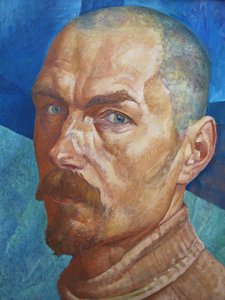
Кузьма Петров-Водкин
1878 - 1939 , Россия
Основные сведения
- Artistic Movement Or Style: Пост-импрессионизм
- Artists Or Movements Influenced By This Artist: ['Русские иконописцы']
- Date Of Birth: 5 нояб 1878
- Date Of Death: 15 фев 1939
- Full Name: Кузьма Сергеевич Петров-Водкин
- Nationality: Русский
- Notable Artworks:
- Мечта
- Купание красного коня
- Place Of Birth: Хвалынск, Россия