

 Предпросмотр
 Поделиться
 Поделиться
 Детали произведения

 Скачать
 Похожие работы
 Рентгенография
 Слайд-шоу
 Статистика
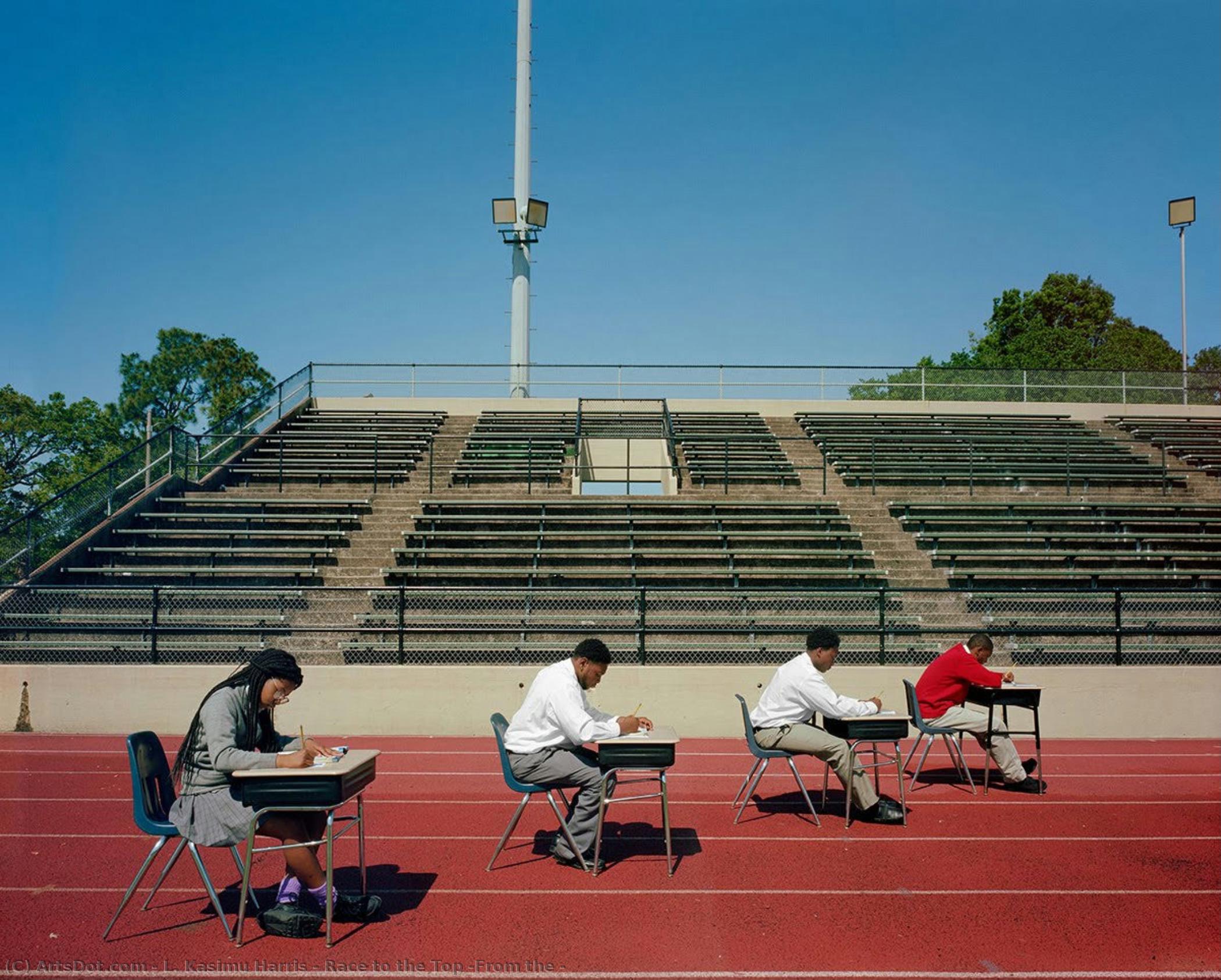
Race to the Top (From the
 2018
2018 67.0 x 101.0 cm
 New Orleans Museum of Art
 Читать далее
Приобретите цифровое изображение высокого разрешения в улучшенном качестве, которое значительно превосходит онлайн-превью.
Каждый файл тщательно подготавливается нашими специалистами с использованием передовых инструментов и экспертной ручной ретуши. Мы гарантируем исключительную четкость, точную цветопередачу и детальную проработку каждого изображения.
Финальный файл доставляется по электронной почте в течение 72 часов и оптимизирован для немедленного использования в профессиональной среде, при верстке и печати. Это тот же уровень качества, которому доверяют ведущие дизайнерские студии, издательства и галереи.
Цифровое изображение
Скачайте файл высокого разрешения для личного использования, печати и творческих проектов. ( Перейти к печати Купить картину ручной работы)
Включено в каждый заказ цифровых изображений
Гарантия экспертной цифровой доставки
Выбирая ArtsDot.com, вы получаете не просто изображение — вы приобретаете профессионально обработанное цифровое произведение искусства, созданное с безупречной точностью и под защитой гарантии качества. Вот всё, что автоматически входит в ваш заказ:

Мгновенная доставка по e-mail
Ваш цифровой файл в высоком разрешении будет отправлен вам по электронной почте в течение 72 часов после оформления заказа — и сразу станет доступен для использования.

Цифровой файл с ИИ-улучшением
Ваше произведение искусства проходит профессиональную оптимизацию с использованием передовых инструментов ИИ и ручной обработки, что гарантирует максимальную детализацию, четкость и точность цветопередачи.

Бессрочная бесплатная повторная доставка
Случайно удалили или потеряли файл? Не беспокойтесь — мы отправим его вам повторно в любое время и совершенно бесплатно.

Без импортных пошлин — навсегда
Наслаждайтесь вашим произведением искусства мгновенно без таможенных пошлин, сборов или затрат на доставку — цифровые загрузки всегда не облагаются налогом.

Гарантия точности цветопередачи
Мы гарантируем, что ваше цифровое изображение максимально точно передает оригинальные цвета благодаря использованию профессиональных инструментов и систем управления цветом.

Гарантия удовлетворенности 100 дней
Если вы не будете удовлетворены своим цифровым изображением, мы внесем правки или вернем 100% стоимости в течение 100 дней — без лишних вопросов.

100% Гарантия возврата средств
Не удовлетворены покупкой? Получите полный возврат средств в течение 100 дней после получения цифрового файла — без лишних вопросов.

Скидки на оптовые заказы
Купите 3 изображения, сэкономьте 10% — Купите 5, сэкономьте 15% — Купите 10+, сэкономьте 20%. Отличное решение для творческих проектов, галерей и агентств.
Похожие произведения










Биография художника
Jean-Michel Basquiat: A Voice of the Streets and a Master of Dichotomy
Born in Brooklyn, New York City, on December 22, 1960, Jean-Michel Basquiat emerged from the vibrant, chaotic crucible of the Lower East Side during the late 1970s and early 1980s. His life was tragically cut short at the age of 27 in August 1988 due to a heroin overdose, but within those brief years, he left an indelible mark on the art world, becoming one of its most iconic and influential figures. Basquiat’s work wasn't simply painting; it was a raw, urgent expression of his experiences as a Black American navigating issues of race, class, power, and identity – themes that resonated deeply with the social and political climate of the era.
Initially collaborating with Al Diaz under the moniker SAMO (a portmanteau of “same old men”), Basquiat and Diaz began tagging subway cars in Manhattan with enigmatic epigrams. These early graffiti pieces, characterized by bold lettering and cryptic messages, quickly gained attention and established a unique visual language. The duo’s work reflected the burgeoning hip-hop culture of the time – a fusion of street art, music, and social commentary. However, their partnership dissolved, and Basquiat soon embarked on his own artistic journey, developing a distinctive style that would come to define him.
The Neo-Expressionist Palette: Combining Abstraction and Social Critique
Basquiat’s artistic development can be broadly categorized within the movement of neo-expressionism, though he resisted easy categorization. His work blended elements of abstraction, figuration, and assemblage, often incorporating text alongside imagery. He drew heavily on a diverse range of influences – from classical painting to comic books, jazz music, and the writings of writers like James Baldwin and Ralph Ellison. His canvases became battlegrounds for these competing forces, presenting a complex and layered visual dialogue.
A key characteristic of Basquiat’s style was his appropriation of imagery and information. He frequently incorporated historical references, newspaper clippings, maps, and even medical diagrams into his paintings. This practice wasn't simply decorative; it served to critique power structures, expose social inequalities, and challenge conventional notions of art history. His use of crowns – a recurring motif in his work – symbolized royalty, authority, and the assertion of Black identity within a society often marked by oppression.
Themes of Power, Race, and Identity
Basquiat’s paintings consistently grappled with profound themes related to power, race, and identity. He confronted issues of racism, police brutality, and economic inequality with unflinching honesty. Works like *Irony of Negro Policeman* (1981) directly challenged the systemic biases within law enforcement, while pieces such as *Hollywood Africans* (1983) satirized the stereotypical representations of Black people in American cinema. His art wasn’t always overtly political; often, it was a deeply personal exploration of his own experiences and those of his community.
Furthermore, Basquiat explored the complexities of class and wealth. He juxtaposed images of luxury goods with depictions of poverty and social unrest, highlighting the stark disparities within American society. His use of text – often incorporating phrases from poetry, literature, and popular culture – served to amplify these critiques and invite viewers to engage in critical reflection.
Legacy and Historical Significance
Despite his tragically short life, Jean-Michel Basquiat’s impact on the art world is undeniable. He quickly rose to prominence during the 1980s, becoming one of the youngest artists ever exhibited at prestigious institutions like the Whitney Museum of American Art and Documenta in Kassel. His work continues to be celebrated for its raw energy, intellectual depth, and powerful social commentary.
Basquiat’s influence extends far beyond his own paintings. He paved the way for a new generation of artists who embraced street art, graffiti, and mixed-media techniques. His willingness to confront difficult issues and challenge established norms has made him a significant figure in contemporary art history – an artist whose voice continues to resonate with audiences today. His work serves as a potent reminder of the power of art to provoke thought, inspire action, and give voice to marginalized communities.

l. kasimu harris
1980 - , United States of America
Основные сведения
- Artistic Movement Or Style: Neo-expressionism
- Artists Or Movements Influenced By This Artist:
- Graffiti art
- Hip-hop culture
- Artists Who Influenced This Artist:
- Andy Warhol
- Keith Haring
- Date Of Birth: December 22, 1960
- Date Of Death: August 12, 1988
- Full Name: Jean-Michel Basquiat
- Nationality: American
- Notable Artworks:
- Irony of Negro Policeman
- Skull of Doom
- Untitled
- Boy and Dog in a Johnnypump
- Defacement
- Hollywood Africans
- Place Of Birth: New York City, U.S.