

 Предпросмотр
 Поделиться
 Поделиться
 Детали произведения

 Скачать
 Похожие работы
 Рентгенография
 Слайд-шоу
 Статистика
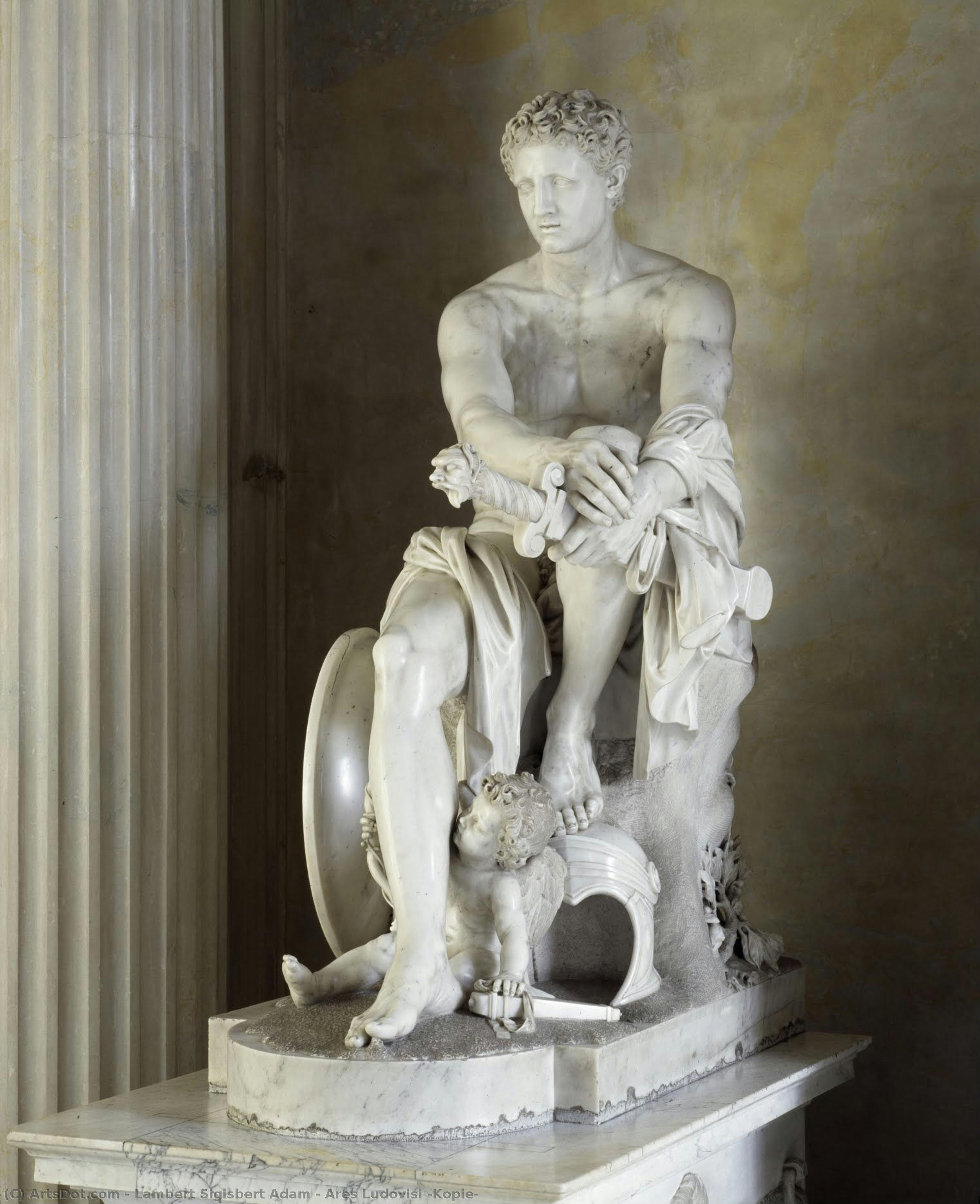
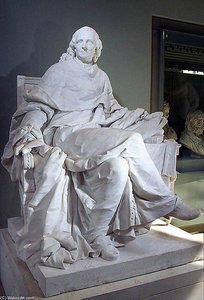
Ares Ludovisi (Kopie)


 Читать далее
Масляная репродукция ручной работы
Картина маслом на холсте в выбранном вами размере и раме, написанная на заказ нашими художниками. ( Перейти к печати Перейти к цифровым изображениям)




P118B $10

P118H $10

P118W $10

P438Z $10

P508JH $12

P508YH $12

P805H $10

P805Z $10

P919BZ $10

P919G $10

P919XJ $10

P959ZH $10

P968JZ $12

W106C $8

W218G $10

W218JH $8

W218Y $10

W307PJ $10

W316G $10

W316PJ $8

W316Y $10

W398PJ $8

W4111J $10

W500HY $15

W500JH $15

W692G $12

W849H $8

W940BG $15

W953PJ $8




Выберите один из наших стандартных размеров, соответствующих оригинальным пропорциям произведения искусства.

Вы можете указать собственные размеры, чтобы картина идеально вписалась в выбранную раму или пространство. Если выбранный вами размер не соответствует пропорциям оригинала, мы либо обрежем полотно, либо расширим его за счет дополнительных элементов, написанных вручную. Цифровой макет будет отправлен вам на утверждение перед началом производства.
Обратите внимание, что предварительный просмотр на экране не отражает фактическую обрезку или расширение. Только макет точно покажет окончательную композицию.
Хотя доступны индивидуальные размеры, мы рекомендуем выбирать вариант из предопределенного списка, чтобы сохранить исходные пропорции.
После оформления заказа команда ArtsDot.com свяжется с клиентом по электронной почте для уточнения деталей и предоставит предварительный макет
Доставка по всему миру () за 3–4 недели вместо стандартных 5 недель. (11 Сентябрь). Без компромиссов в качестве.

Бесплатная экспресс-доставка по всему миру

Высококачественный льняной холст

Полное страхование доставки

Гарантия возмещения таможенных пошлин

Гарантия точного соответствия цветов

100-дневная политика возврата (только при обнаружении дефектов)

Гарантия возврата 100% средств

Предложение оптовых скидок
 Вариант со стеклом доступен только для размеров менее 110 см

Ares Ludovisi (Kopie)
Техника репродукции
Размер репродукции
-


Итоговая стоимость
$ 263
The Stoic Sentinel: A Roman Echo in Marble
Lambert-Sigisbert Adam’s “Ares Ludovisi (Kopie)” isn't merely a reproduction; it’s a carefully considered echo of antiquity, a tangible link to the artistic sensibilities of 18th-century Rome. Born from a commission honoring King Ludwig XV of France – a gift intended to celebrate his scholarly achievements and artistic patronage – this marble sculpture transcends its origins as a simple copy, evolving into a powerful meditation on Roman virtue, stoic contemplation, and the enduring legacy of classical ideals.
The subject itself, Ares Ludovisi, the god of war, is rendered with an unexpected serenity. He’s not depicted in the throes of battle or wielding a weapon; instead, he sits poised, his hands clasped together in a gesture of quiet resolve. His gaze is directed downwards, suggesting introspection and a profound awareness of duty. This deliberate shift away from traditional heroic portrayals speaks volumes about Adam's artistic vision – a desire to capture not the outward spectacle of war, but its underlying essence: discipline, honor, and unwavering commitment.
A Roman Revival in Parisian Studios
Adam’s creation is deeply rooted in the Roman artistic tradition. The sculpture draws inspiration from the original Ares Ludovisi statue, a celebrated work from the late 4th century CE that itself was modeled after a lost Greek original. Adam meticulously studied this ancient exemplar, translating its form and spirit into marble with remarkable fidelity. However, he wasn’t simply replicating; he was reinterpreting, imbuing the Roman model with his own distinctly Baroque sensibility.
Working within the vibrant artistic environment of Paris during the Rococo period, Adam skillfully blended classical influences with the ornate flourishes characteristic of the era. The sculpture's drapery is rich and voluminous, echoing the dramatic gestures favored by Bernini – a master sculptor who profoundly shaped the course of Roman art. Yet, there’s an underlying restraint, a sense of control that prevents the work from becoming overly flamboyant. This balance between classical rigor and Rococo exuberance defines Adam’s unique artistic style.
A Royal Gift, A Prussian Legacy
The “Ares Ludovisi (Kopie)” holds a fascinating place in European art history. Initially intended as a gift for King Ludwig XV, it quickly found its way to Frederick the Great of Prussia, who admired Adam’s skill and appreciated the sculpture's embodiment of Roman virtue. Frederick installed the piece in the Vestibule of Schloss Sanssouci, his opulent summer palace near Potsdam, demonstrating a clear desire to associate himself with the ideals of ancient Rome.
The sculpture’s journey continued through royal collections, eventually becoming part of the State Picture Gallery (Sprengel Museum) in Hanover. It represents a remarkable confluence of artistic patronage and political ambition – a testament to the enduring appeal of classical art and its ability to inspire rulers across Europe. The story of this particular copy is intertwined with the broader narrative of Roman revivalism, reflecting a widespread fascination with antiquity during the 18th century.
Symbolic Weight and Enduring Appeal
Beyond its historical context, “Ares Ludovisi (Kopie)” possesses a profound symbolic weight. The figure’s stoicism speaks to the virtues of self-control, resilience, and unwavering moral integrity – qualities that resonated deeply with audiences throughout history. The downward gaze suggests contemplation, inviting viewers to engage in their own internal dialogues and consider the nature of duty and responsibility.
Today, this marble masterpiece continues to captivate art lovers and collectors alike. Its timeless beauty, combined with its rich historical narrative, makes it a truly exceptional work of art – a poignant reminder of the enduring legacy of Roman civilization and the artistic genius of Lambert-Sigisbert Adam.
Похожие произведения

Биография художника
A Sculptor of Baroque Flourishes and Rococo Grace
Lambert-Sigisbert Adam, born in Nancy, France in 1700, emerged from a lineage steeped in artistic tradition. His father, Jacob-Sigisbert Adam, was a sculptor of local renown, providing young Lambert with an immersive introduction to the world of form and creation. Distinguishing himself as “Adam l’aîné” – the elder – amongst his equally talented brothers Nicolas-Sébastien and François Gaspard Balthazar, Lambert inherited not only skill but also a legacy that would extend through generations; his sister Anne Adam's marriage further cemented this artistic dynasty, leading to the birth of the celebrated sculptor Clodion. This familial environment fostered an early passion for sculpture, laying the foundation for a career marked by dramatic flair and technical mastery.Roman Studies and the Embrace of Antiquity
A pivotal moment in Adam’s development arrived with his triumph in the 1723 Prix de Rome competition. This prestigious award granted him the invaluable opportunity to study at the French Academy in Rome, a crucible for aspiring artists. Immersed in the heart of antiquity, he encountered the masterpieces of Bernini and other Baroque masters, absorbing their dynamism and theatricality. Beyond mere observation, Adam actively engaged with the classical past through restoration work, most notably on a fragmented Roman sculpture depicting Achilles and the Daughters of Lycomedes. This project wasn’t simply an exercise in preservation; it was an act of interpretation and creative reconstruction. The restored ensemble garnered significant acclaim, eventually finding its way into the collection of Frederick the Great of Prussia for Potsdam, showcasing Adam's skill not only as a sculptor but also as a sensitive interpreter of ancient forms. His time in Rome instilled within him a deep appreciation for classical mythology and a refined understanding of sculptural technique that would define his subsequent work.Royal Commissions and Monumental Achievements
Upon returning to France, Adam swiftly established himself as a leading sculptor. His election to the Académie royale de peinture et de sculpture in 1737 signaled his growing reputation, quickly followed by the exhibition of The Triumph of Neptune and Amphitrite at the Paris Salon. This monumental work, later cast in lead for the Bassin de Neptune at Versailles, became a defining achievement, solidifying his position within royal circles and securing ongoing patronage. The sculpture exemplifies Adam’s signature style: a dramatic energy reminiscent of Bernini, yet tempered with the elegance and refinement characteristic of the Rococo period. Other notable commissions followed, including “Nymphs and Tritons,” “The Triumph of Neptune stilling the Waves”, "Hunter with Lion in his Net", relief work for the chapel of St Adelaide, and sculptures for Saint-Cloud palace like “The Seine and the Marne”. His creations weren’t merely decorative; they were integral to the grandeur and spectacle of royal residences. He also created marble groups for Berlin, including “Hunting” and “Fishing”, demonstrating his international appeal.A Legacy Bridging Eras
Despite initial acclaim, Adam's style eventually fell from favor as artistic tastes shifted. Later generations of sculptors and critics found his work overly ornate, preferring the more restrained aesthetics championed by artists like Bouchardon and Pigalle. Nevertheless, Lambert-Sigisbert Adam remains a significant figure in 18th-century French sculpture. His contributions to the decoration of Versailles endure as testaments to his skill and vision. Furthermore, his mentorship played a crucial role in shaping the career of Clodion, ensuring that his artistic lineage continued. Adam’s ability to synthesize Baroque drama with Rococo elegance positioned him as a key figure in the transition between these two distinct artistic periods. He wasn't merely imitating past styles; he was forging a unique synthesis that reflected the evolving sensibilities of his time. His work stands as a reminder of an era defined by both opulence and refinement, a period where sculpture served not only to adorn but also to inspire awe and wonder.
Lambert-Sigisbert Adam
1700 - 1759 , France
Основные сведения
- Artistic Movement Or Style: Baroque & Neoclassical
- Artists Or Movements Influenced By This Artist: ['Clodion']
- Artists Who Influenced This Artist: ['Bernini']
- Date Of Birth: October 10, 1700
- Date Of Death: 1759
- Full Name: Lambert-Sigisbert Adam
- Nationality: French
- Notable Artworks:
- Triumph of Neptune
- Nymphs and Tritons
- Hunter with Lion
- Seine and Marne
- Place Of Birth: Nancy, France
Похожие статьи
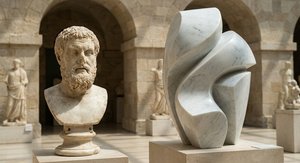
The Enduring Allure of Marble in Art History: From Classical Sculpture to Modern Abstraction
Explore the captivating history of marble sculpture from ancient Greece to modern art. Discover renowned artists like Canova & Michelangelo, carving techniques, and investment insights at ArtsDot.
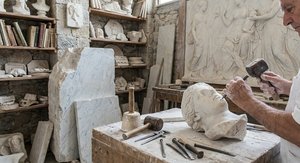
The Enduring Legacy of Marble: A Comprehensive Exploration of Technique, Symbolism & Artistic Expression
Explore the rich history of marble sculpture from antiquity to the Renaissance! Discover key techniques, influential artists & enduring themes in classical art. Expert insights for collectors and enthusiasts at ArtsDot.

The Enduring Form: Exploring Themes & Techniques in Sculpture Across Historical Periods
Explore the rich history of sculpture from ancient masterpieces to contemporary innovations. Discover key techniques, influential artists & investment potential for discerning art collectors.

10 легендарных бронзовых скульптур, изменивших искусство навсегда | ArtsDot
Погрузитесь в мир великих бронзовых скульптур! От Давида Микеланджело до работ Родена – история искусства, техники и вдохновения. Купите репродукции шедевров для вашего интерьера на ArtsDot.com

The Enduring Form: Sculpture Across History, Technique & Emotional Resonance
Explore the rich history of sculpture with ArtsDot. Discover key techniques, influential artists & investment potential for discerning collectors. Expert insights into valuing and collecting timeless masterpieces.