

 Предпросмотр
 Поделиться
 Поделиться
 Детали произведения

 Скачать
 Похожие работы
 Рентгенография
 Слайд-шоу
 Статистика
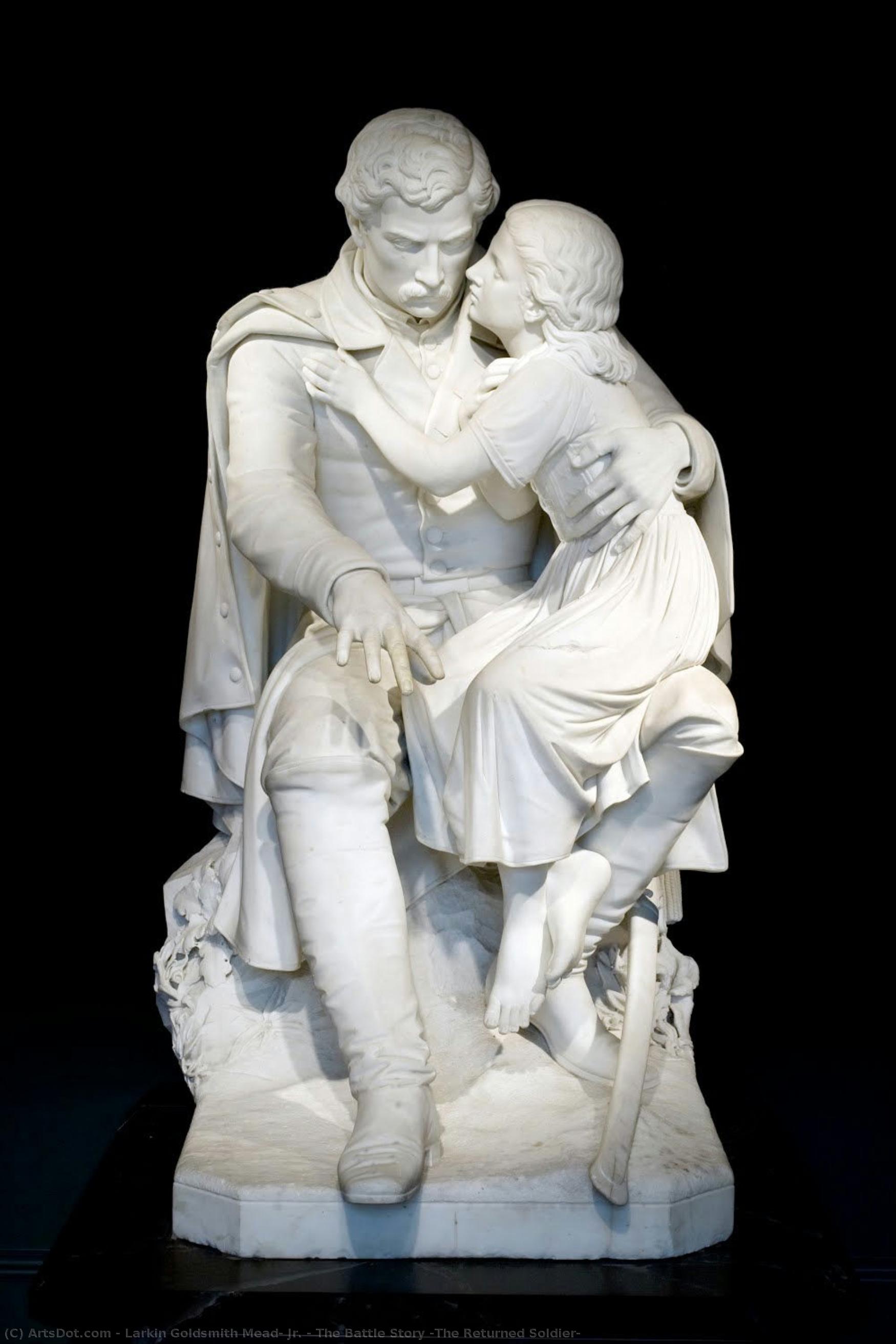
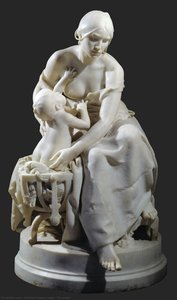
The Battle Story (The Returned Soldier)
 211.0 x 81.0 cm
 Chrysler Museum of Art
 Читать далее
Жикле / Арт-принт
Печать (жикле) или холст музейного качества с быстрыми сроками изготовления и широким выбором вариантов отделки. ( Купить картину ручной работы Перейти к цифровым изображениям)




































Выберите один из наших стандартных размеров, соответствующих оригинальным пропорциям произведения искусства.

Вы можете указать свои собственные размеры, чтобы репродукция идеально подошла под конкретную раму или пространство. Если выбранный вами размер не будет соответствовать пропорциям оригинала, мы либо обрежем произведение, либо дополним изображение зеркальным отражением краев или однотонной заливкой. Перед началом производства вам будет отправлен цифровой макет для утверждения.
Пожалуйста, обратите внимание, что предварительный просмотр на экране не отображает фактическую обрезку или расширение изображения. Только макет точно покажет финальную композицию.
Несмотря на возможность заказа индивидуальных размеров, мы рекомендуем выбирать размер из предопределенного списка, чтобы сохранить оригинальные пропорции.
Доставка по всему миру () за 2 недели вместо стандартных 4/5 недель. (12 Сентябрь)

Бесплатная экспресс-доставка по всему миру

Высококачественный льняной холст

Полное страхование доставки

Гарантия возмещения таможенных пошлин

Гарантия точного соответствия цветов

100-дневная политика возврата (только при обнаружении дефектов)

Гарантия возврата 100% средств

Предложение оптовых скидок
 Вариант со стеклом доступен только для размеров менее 110 см

The Battle Story (The Returned Soldier)
Жикле / Арт-принт
Размер репродукции
-


Итоговая стоимость
$ 62
Похожие произведения






Биография художника
Larkin Goldsmith Mead Jr.: Sculptor of Idealized Form and Monumental Vision
Larkin Goldsmith Mead, Jr. (January 3, 1835 – October 15, 1910) was an American sculptor who flourished during the latter half of the nineteenth century, establishing himself as a prominent figure in neoclassical art and leaving behind a legacy of enduring monuments that continue to inspire awe. Born in Chesterfield, New Hampshire—the son of a lawyer—Mead’s artistic journey began with formative instruction under Henry Kirke Brown, honing his skills in meticulous detail and mastering the principles of classical sculpture. This early training would prove invaluable as he embarked on a prolific career marked by ambitious commissions and an unwavering dedication to capturing idealized beauty within monumental forms.- Early Life & Education: Mead’s childhood was steeped in intellectual curiosity, fostered by his father's legal profession and providing him with access to stimulating discussions about art and culture. His formal sculptural training under Brown instilled in him a profound understanding of anatomical accuracy and the expressive potential of marble—skills that would define his artistic style for decades to come.
- Illustrative Beginnings & Civil War Service: Before dedicating himself fully to sculpture, Mead pursued illustration work for Harper’s Weekly during the tumultuous years of the American Civil War. This experience exposed him to the realities of conflict and broadened his artistic perspective, informing his later depictions of heroic figures and conveying narratives of courage and resilience. Notably, he served six months with the Army of the Potomac, demonstrating a commitment to civic duty alongside his artistic pursuits.
Notable Sculptures & Artistic Style
Mead’s artistic reputation rests upon a remarkable collection of sculptures that exemplify the neoclassical aesthetic—characterized by serene composure, balanced proportions, and an emphasis on idealized human form. His most celebrated works include:- Recording Angel (1855): Crafted from marble, this poignant depiction of Gabriel embodies spiritual grace and solemn dignity. It resides today in Florence, Italy, a testament to Mead’s artistic prowess and his enduring fascination with religious iconography.
- Agriculture (Cereres) (1862): Commissioned for Vermont Statehouse, this gilded wood sculpture celebrates the bounty of the earth and reflects Mead's belief in the importance of virtue and moral fortitude—themes central to neoclassical ideals.
- Lincoln Tomb (Springfield, Illinois) (1865): Mead’s monumental Lincoln Tomb stands as a poignant memorial to Abraham Lincoln, capturing his solemn countenance and conveying an aura of profound contemplation. It remains one of the most recognizable sculptures in America.
Legacy & Historical Significance
Larkin Goldsmith Mead Jr.’s sculptures continue to resonate with audiences today, serving as enduring symbols of American idealism and artistic excellence. His contributions to the neoclassical tradition solidified his place among the most influential sculptors of his era, shaping the visual landscape of nineteenth-century America. Furthermore, his work—particularly the Lincoln Tomb—remains a powerful reminder of the nation’s commitment to honoring its heroes and upholding moral values. Mead's influence extends beyond individual masterpieces; he helped establish Vermont Statehouse as an important landmark in American Art History.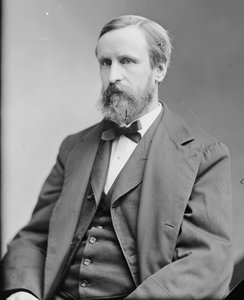
larkin goldsmith mead, jr.
1835 - 1910 , United States of America
Основные сведения
- Artistic Movement Or Style: Neoclassical Sculpture
- Artists Who Influenced This Artist: ['Henry Kirke Brown']
- Date Of Birth: January 3, 1835
- Date Of Death: October 15, 1910
- Full Name: Larkin Goldsmith Mead Jr.
- Nationality: American
- Notable Artworks:
- Recording Angel
- Agriculture
- Lincoln Tomb
- Place Of Birth: Chesterfield, United States